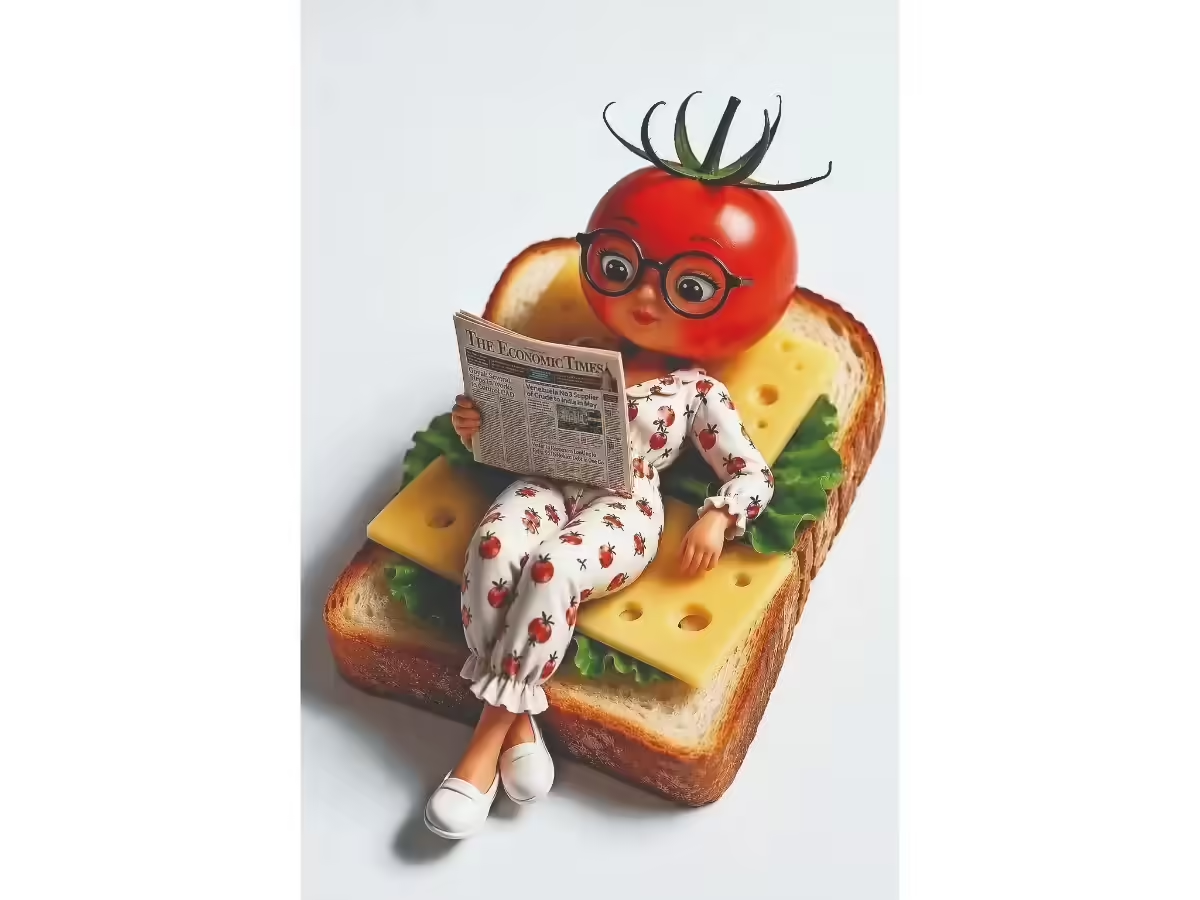
An AI-generated video of rabbits jumping on a trampoline that went viral this week — and was widely believed to be real — proved even cute animal vids aren't safe from convincing slop machines. Why it matters: All the fake AI-generated content online is sapping the joy of casual scrolling. It's not just animal vids. Hobbyists say genAI is ruining gardening forums, knitting communities and the entire DIY aesthetic on Pinterest. AI-generated images lack the imperfections that make these community connections relatable.Vogue ran an ad featuring an AI model in its August print issue and readers called the ads hollow and accused them of stealing jobs from models and photographers.Fake influencers have been slipping into our feeds for a few years, but they're getting harder to spot now that image generators have mastered fingers — though they still struggle with knees. Driving the news: The latest viral video in question features outdoor night camera footage of the bounding bunnies, which was quickly debunked. The tell-tale signs: lack of continuity, defying physics, and a glitchy video timer.Young people online expressing their fear that falling for the bunnies made them feel old quickly became a trend.Fun fact: A real coyote trampoline video sparked this craze, according to YouTuber Jeremy Carrasco.Between the lines: AI-generated oddities are showing up in our feeds more often because they're lucrative for creators. The weirder it is, the more time we spend looking at it, signaling the algorithm that we want to see more like it.If we watch content over and over again or stop scrolling to see if an image or video shows the signs of being AI-generated, that's more fuel for the algorithm.Engagement — even confusion-driven engagement — is valuable.Catch up quick: Images and videos generated with OpenAI, Google and Meta's sophisticated free or cheap AI tools are swamping the internet and fooling even the savviest scrollers.This particular brand of synthetic content is called AI slop because it oozes into and potentially suffocates human-made media. Others argue it's more nuanced.Slop isn't new either, Ben Kusin, founder of AI studio Kartel, told Axios. He points to shows like "America's Funniest Home Videos" as evidence that what some call "slop" has existed long before generative AI."AI has democratized the ability for people to make that at scale," Kusin said. "It's going to create a net negative effect," Kusin argued. It's a deluge that's no longer manageable, he said.Zoom out: More users appear to be adapting to and growing comfortable with AI-generated content overall.Case in point: In 2023, the musician Nick Cave called AI "a grotesque mockery of what it is to be human." This week, Cave released a video featuring an AI Elvis.What to watch: Platforms themselves must stop incentivizing the slop, Kusin explained.If you open up Instagram and all you see is AI slop, you might stop opening up Instagram. This, Kusin said, is "an existential threat to the platform."
AI slop is ruining all of our favorite places to scroll
A viral video of bunnies on a trampoline fooled us all.
483 words~2 min read