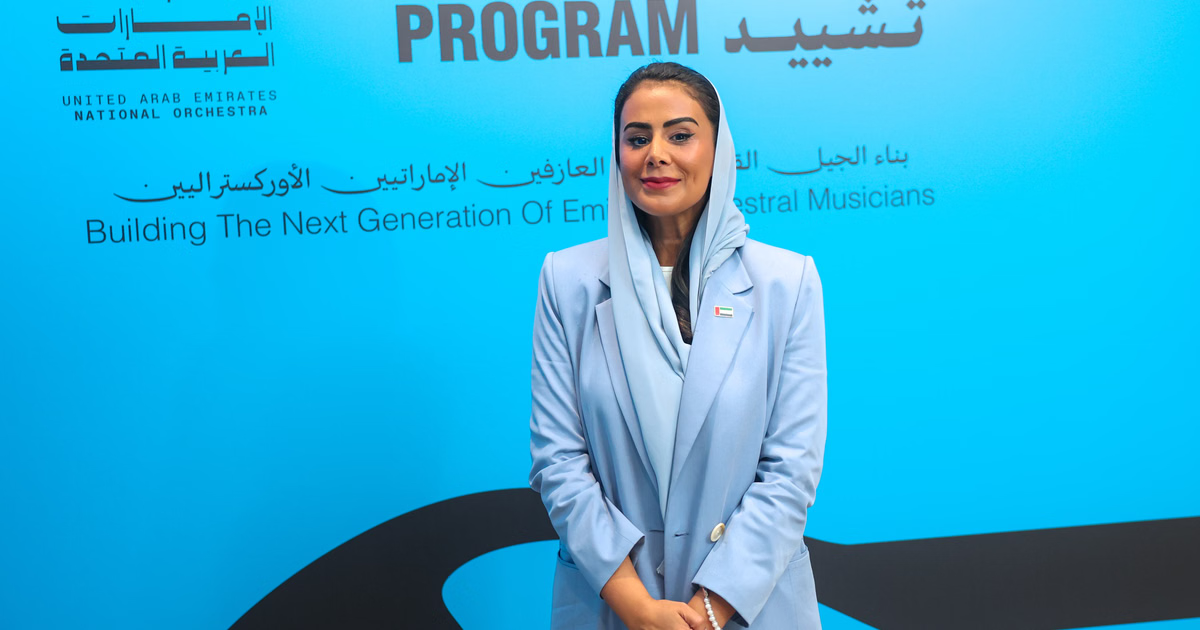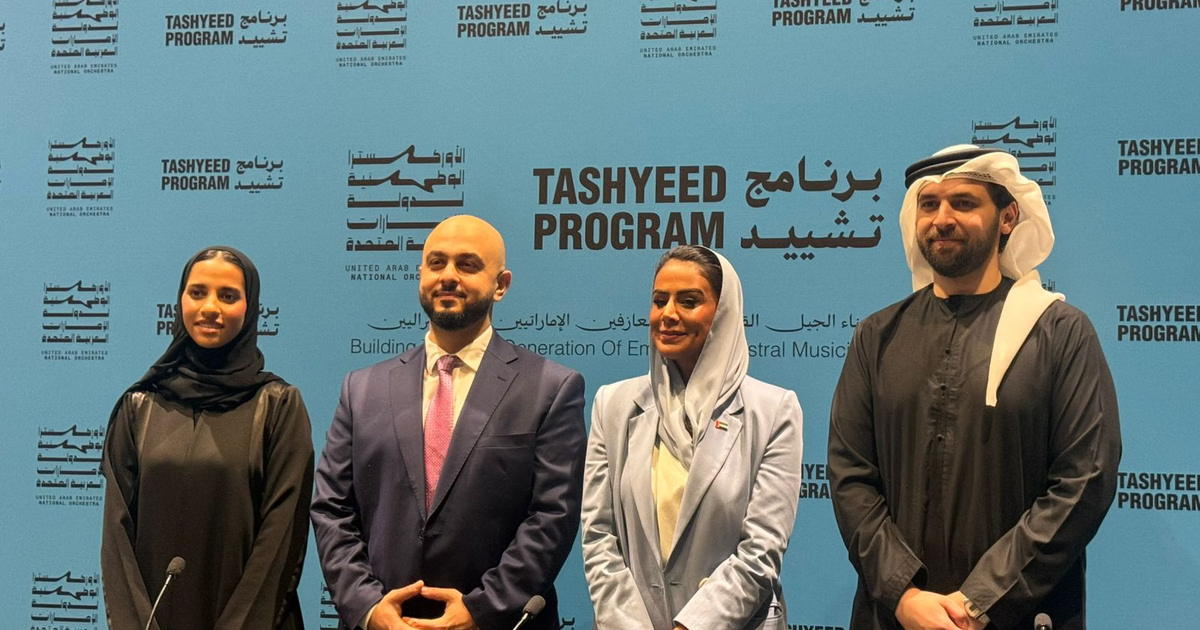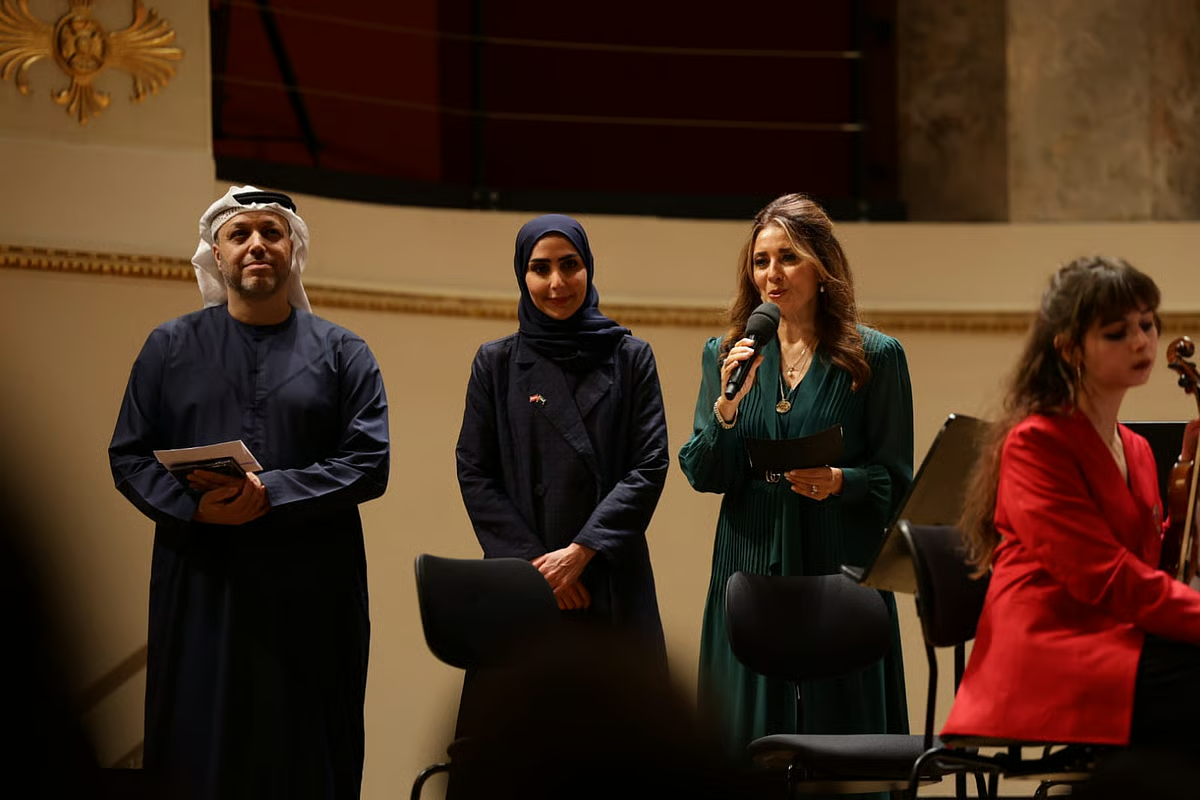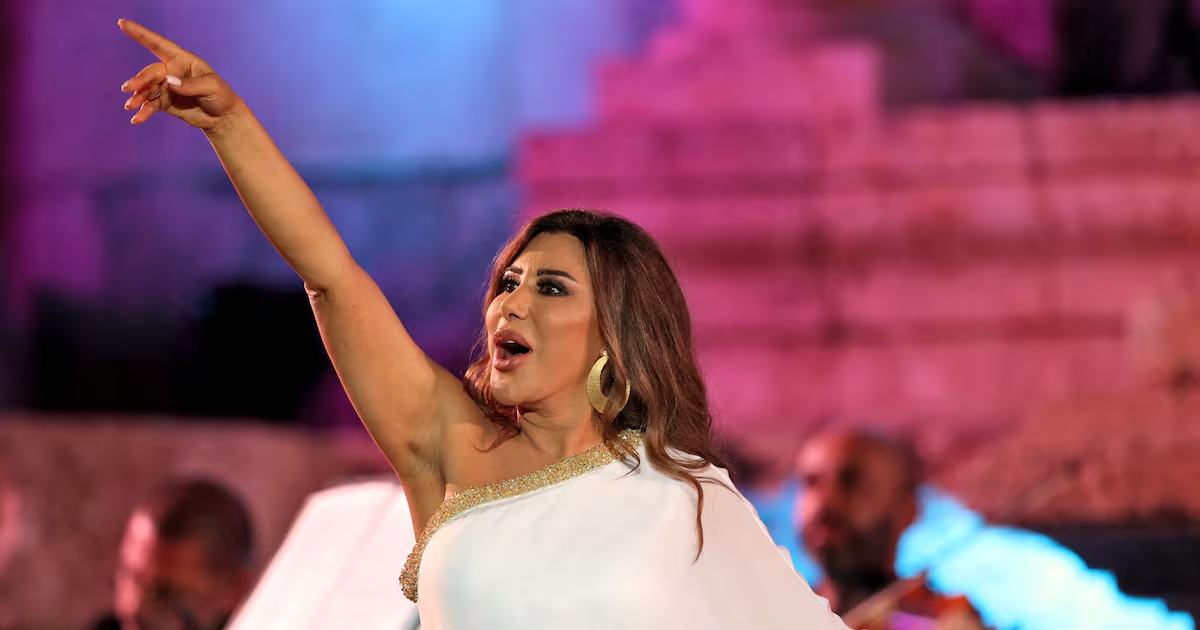
The security alerts that sounded during the UAE National Orchestra’s rehearsal for Sing for the Nation in April carried particular resonance.As the group's managing director, Sheikha Alia bint Khalid Al Qassimi recalls, it had been “about six weeks since the peak of the alerts”, and the musicians were preparing to return to a full performance schedule after the Iran war had curtailed parts of the orchestra's inaugural season.“We wanted them to stop, but they said: ‘We have seen how this country has protected us. Let us keep playing. We have a concert, we want to perform this patriotic music for the nation, and we are not stopping,’” Sheikha Alia tells The National ahead of the orchestra’s season-closing performances in Dubai and Abu Dhabi on Wednesday and Thursday, respectively.“It was remarkable to see the trust that our international musicians had in the country. We were concerned and prepared to release them, but they wanted to continue rehearsing.”By then, the orchestra had already returned to the stage, on April 16 at the Cultural Foundation in Abu Dhabi, part of a debut season in which it had progressed quickly.The orchestra pays tribute to 50 years of Emirati film and TV scores in a show titled From Screen to Stage. Victor Besa / The NationalInfoThe season opened in January with a sold-out concert at Emirates Palace in Abu Dhabi. The orchestra went on to perform 18 concerts across all seven emirates, with an eclectic programme featuring new commissions, Emirati patriotic music, classic film and television scores, and family programming.“Six months ago, we were just a dream. We were speaking about establishing the National Orchestra and how we could create a distinctive sound,” Sheikha Alia says.“We wanted to build an orchestra that reflects our voice, identity and cultural character, while representing a country that is home to so many nationalities. The first season was about establishing a distinctive sound rooted in heritage and carrying a forward-looking spirit.”That required more than assembling 70 musicians and a 30-member choir.The players came from 30 nationalities, with different professional backgrounds and varying familiarity with Arabic and western classical traditions. The orchestra also had to understand the audiences it was established to serve, from experienced concertgoers to people attending such a performance for the first time.Emirati oud player Abdulaziz Al Madani, in national dress, is part of the UAE National OrchestraInfo“We invested in workshops and town halls, and we sat with them a lot at the beginning to ensure that each individual felt appreciated. What mattered to us was the collective work because, ultimately, the sound had to be harmonised,” Sheikha Alia says. “We also made sure they understood the country, its musical traditions and the audiences they were going to face.”Alongside a stringent rehearsal schedule, Sheikha Alia says team-building exercises helped the musicians learn how to work together. During one session, they played games and created instruments from straws and boxes. Informal gatherings soon followed, with players meeting in parks and apartments, holding impromptu jam sessions and bringing dishes from their home countries.Certain personalities also became known across the ensemble.“Hani, one of our Egyptian percussionists, is known for making the best basbousa,” Sheikha Alia says. “Alec, our librarian, loves cooking and shares recipes.“Those human moments can be even more important than what happens on stage. They became especially important during difficult periods. Constant communication, whether formal or informal, helped us bring the musicians together and refine the orchestra’s sound.”'Seeing the orchestra perform something as complex as the score to Carmen gave audiences a sense of its range and repertoire,' says Sheikha Alia. Victor Besa / The NationalInfoThe repertoire widened over the same period. The opening commission, The Beginning, drew on Emirati musical forms and placed Arabic instruments within a contemporary orchestral composition. Later programmes explored regional poetry and music for children.“We did not want to begin by performing only the repertoire that orchestras around the world already know,” Sheikha Alia says.“We decided from the beginning that we wanted to add to the canon and invest in building our own repertoire.”The season included works celebrating Emirati heritage, while Echoes of Time drew on the writings of Sufi poet Ibn Arabi. From Screen to Stage revisited five decades of Emirati film and television.Sheikha Alia cites internal data showing that Emiratis formed the largest group in the audience, including people who had never attended an opera concert.“Some expected a national orchestra to perform only patriotic songs and Emirati music. Seeing their orchestra perform a range, particularly something as complex as the score to Carmen, gave them a different sense of what it could do.”Beyond the attendance figures, the team spoke to audience members after every performance. Those conversations are now helping shape the second season, which begins in September.The orchestra’s work will continue during the performance break through Tashyeed, its recently launched 13-month development programme. The first cohort comprises 17 Emirati musicians receiving training intended to prepare them for professional orchestral work and a possible place in the ensemble.“We need to invest in our people because we want more Emiratis to join in the future,” she says. “The programme develops their skills, and gives them the confidence and orchestral maturity to join when they are ready.”Sheikha Alia returns to Sing for the Nation when reflecting on some of the major takeaways from the first season. “I cannot explain how needed that concert was,” she says. “People were singing from their hearts and expressing their love for the country.“That is why we have a national orchestra. The response made it even clearer that the country needs an orchestra that represents the nation.”Rhythm Without Borders is at Dubai Opera on Wednesday June 24 and the Arts Centre at NYU Abu Dhabi on June 25; doors open 7.30pm, shows start 8pm
How the UAE National Orchestra found its sound in a remarkable debut season | The National
Managing director Sheikha Alia Al Qassimi on connecting with audiences across the country
956 words~4 min read