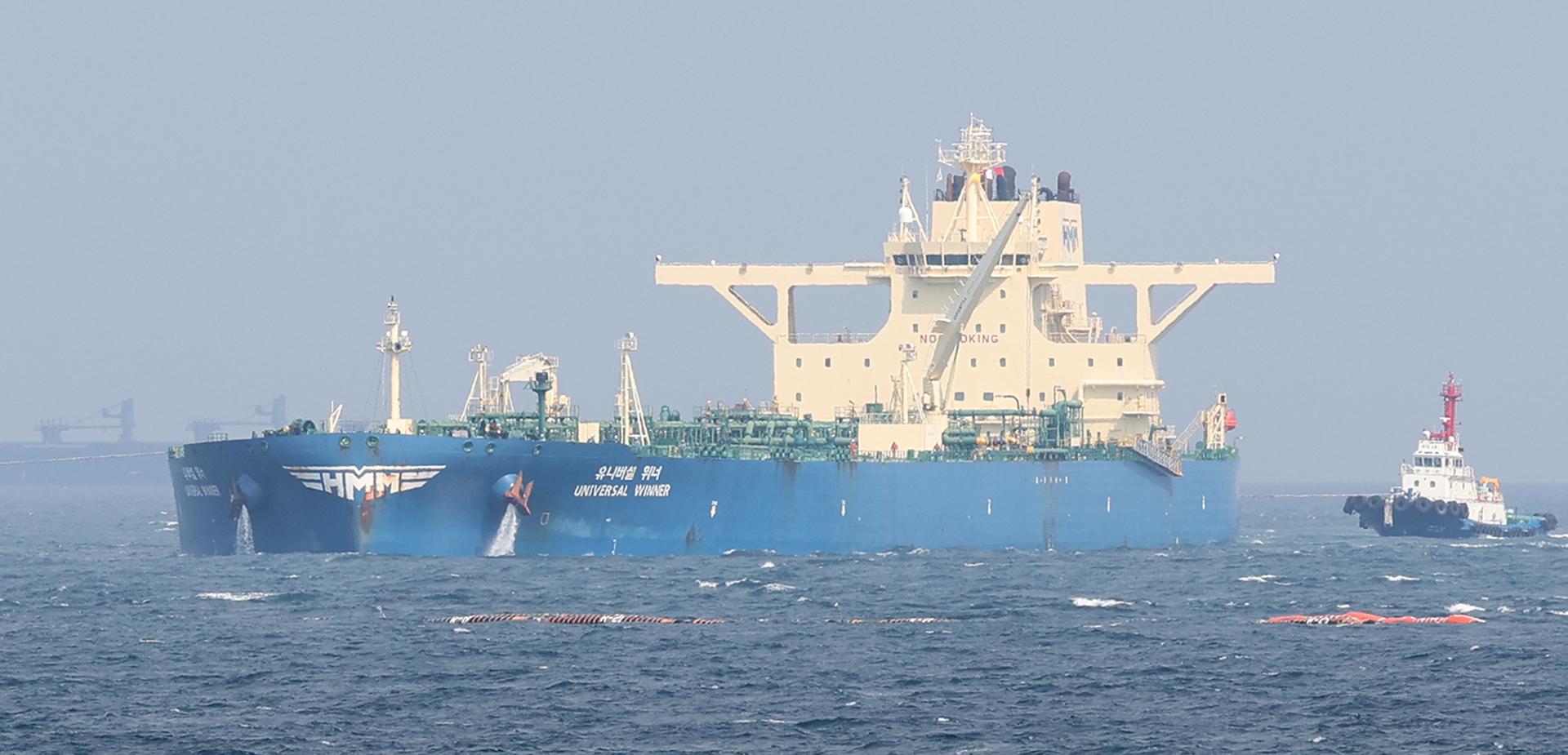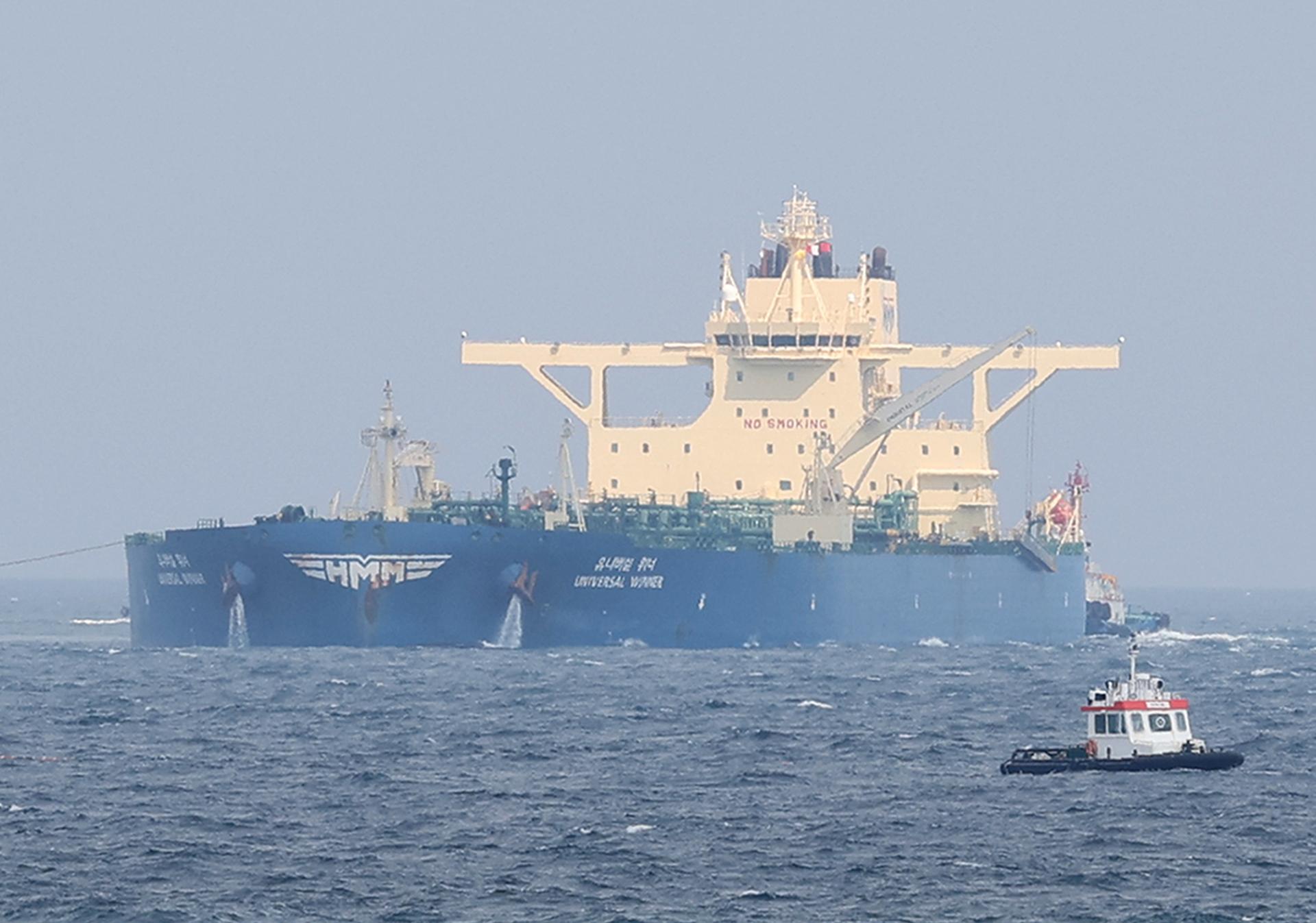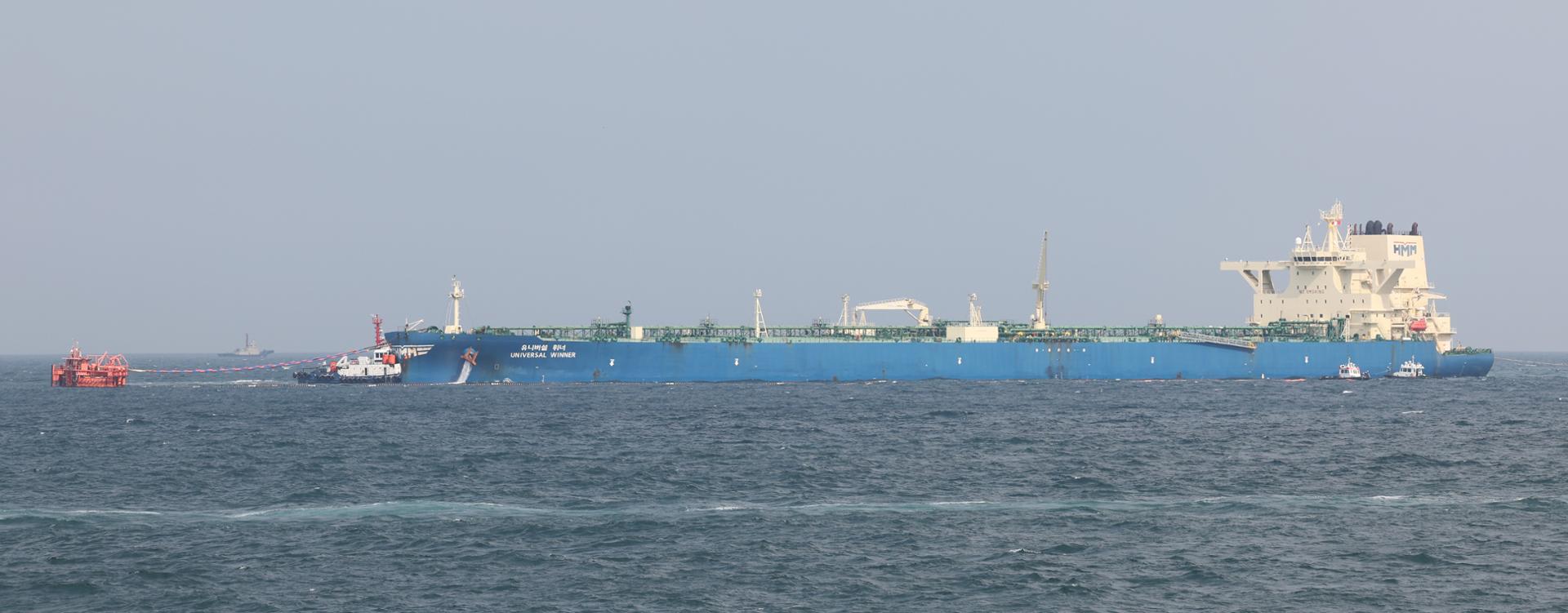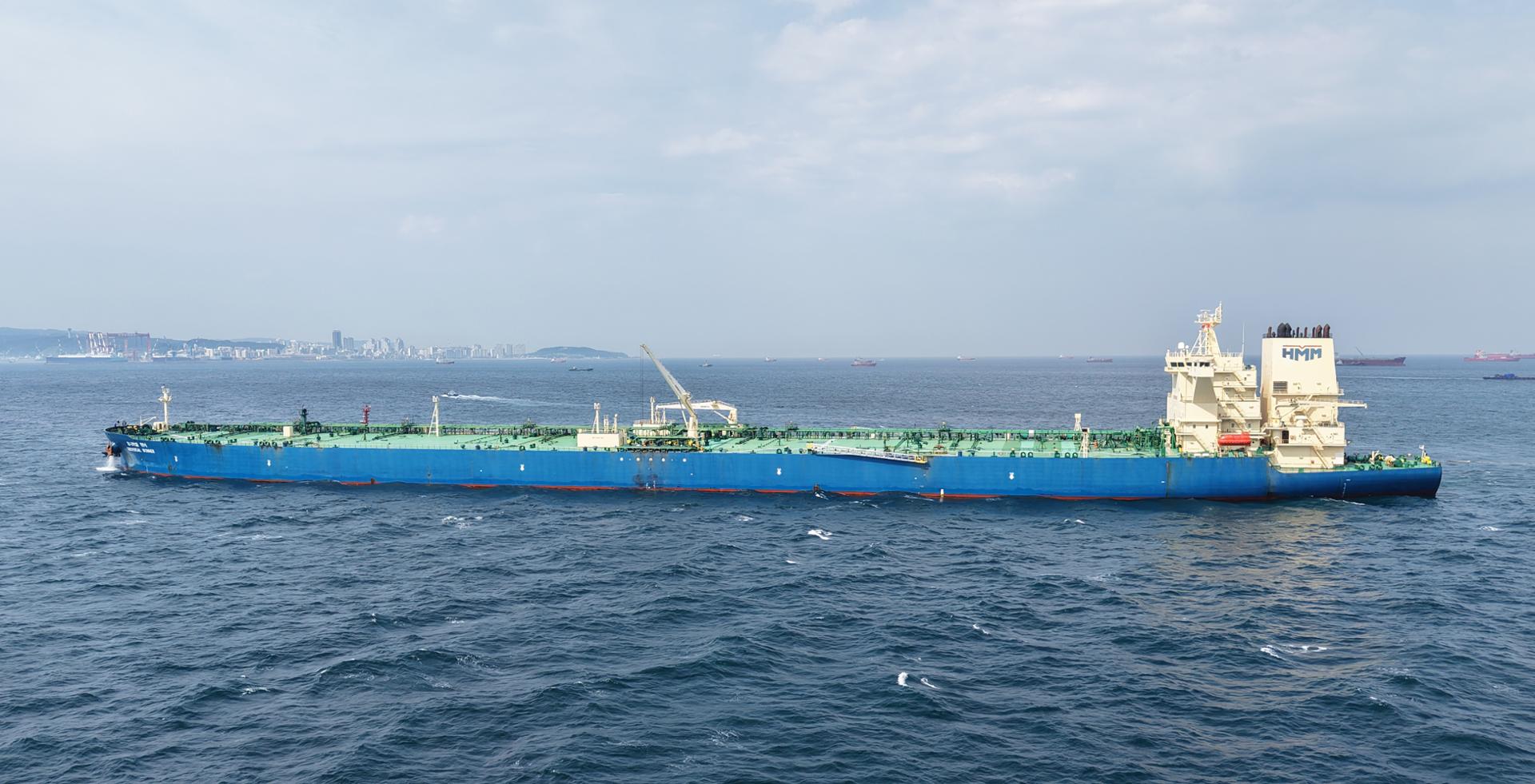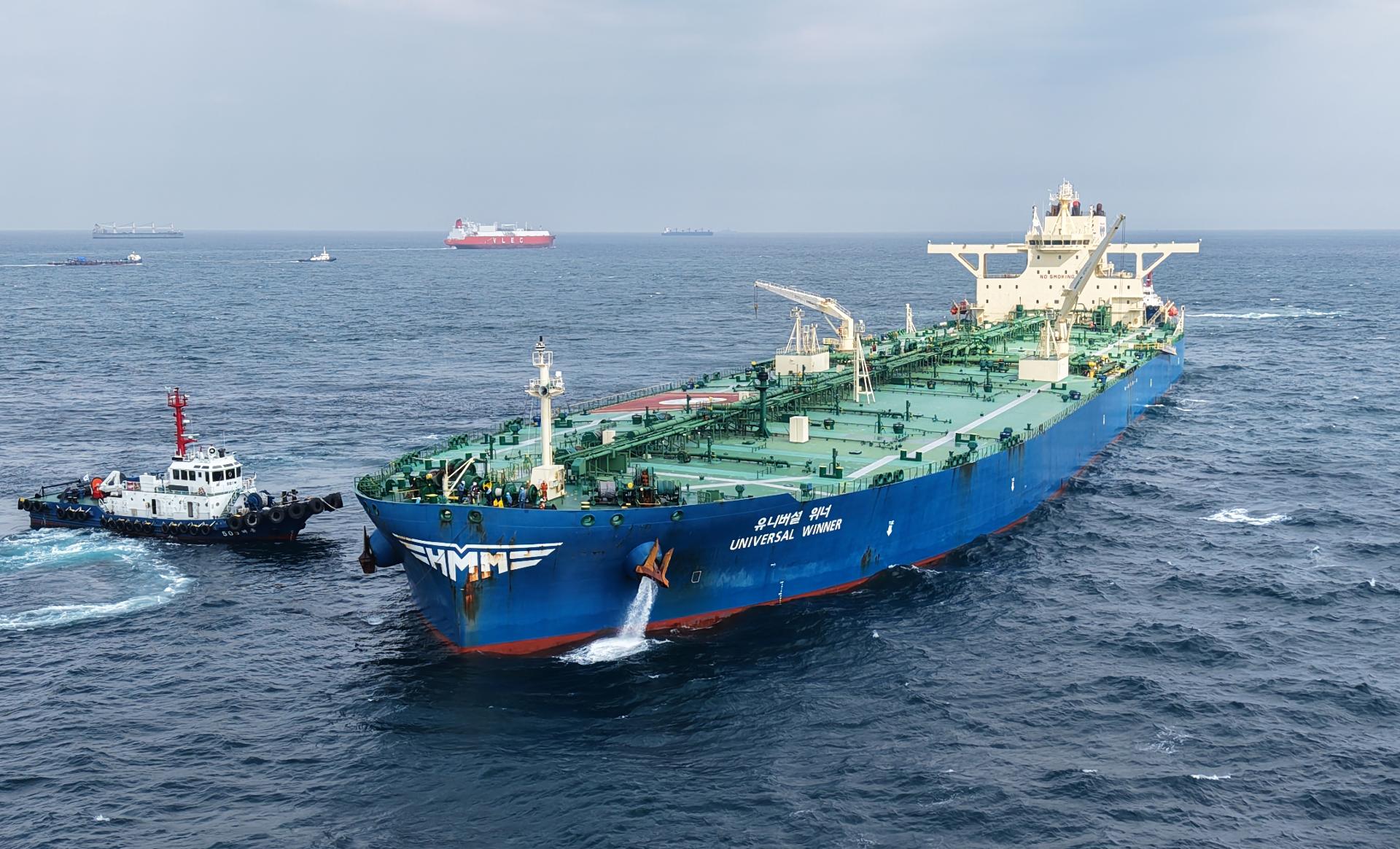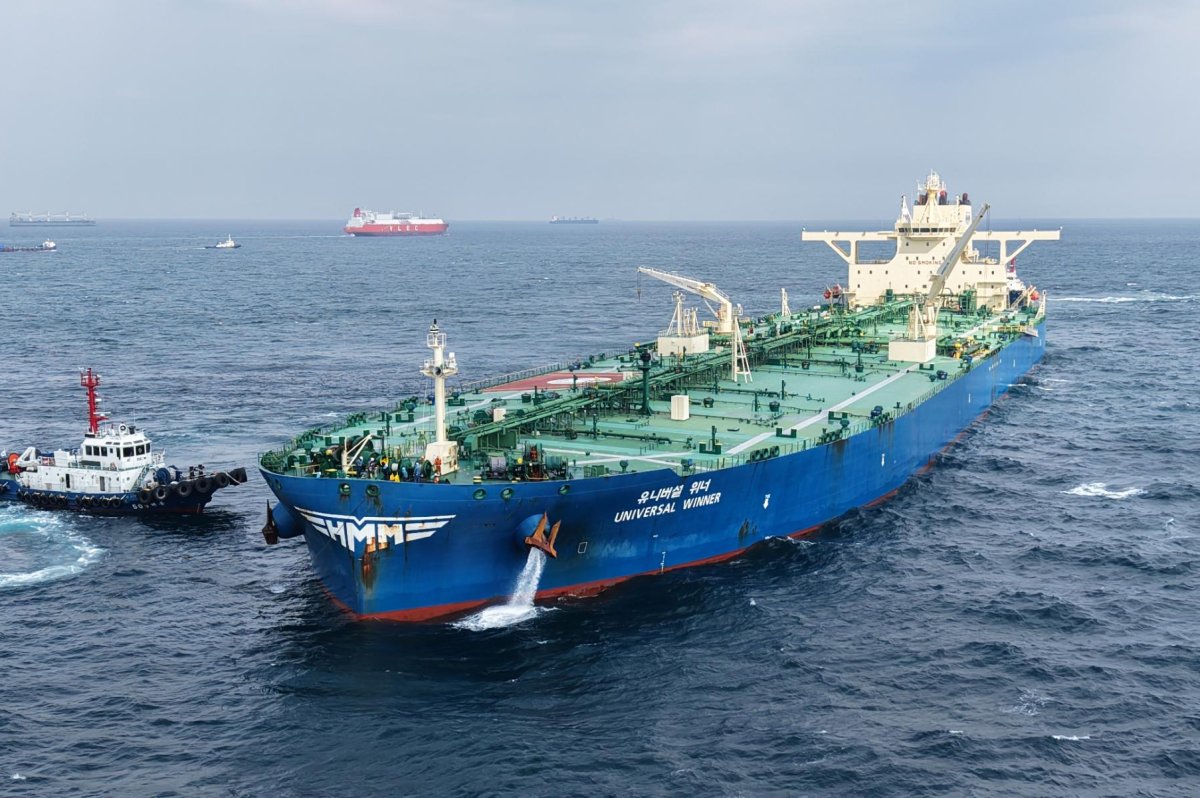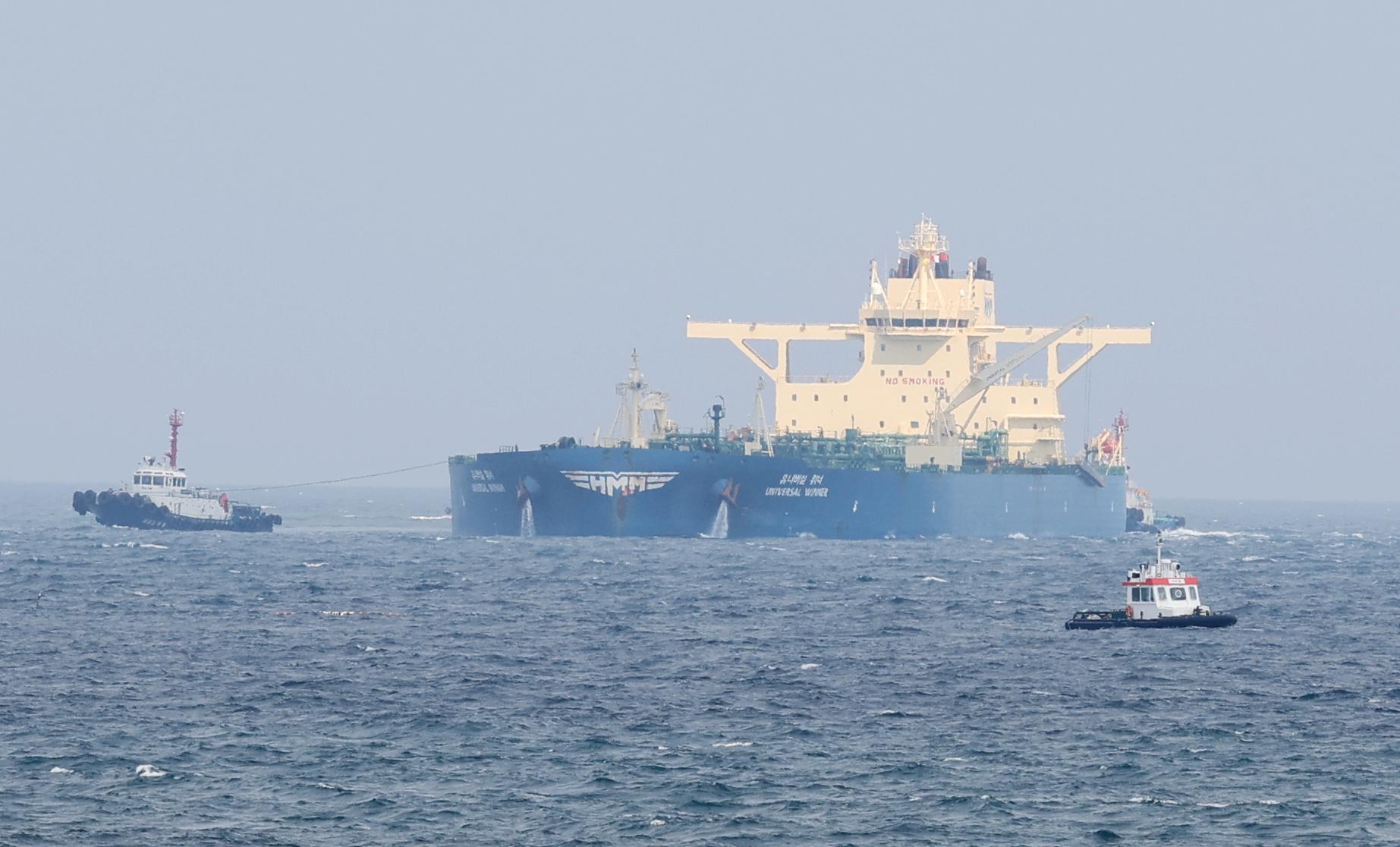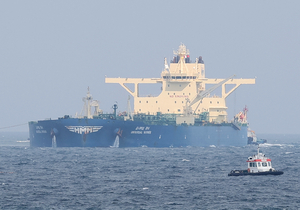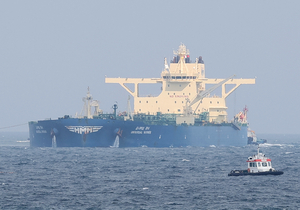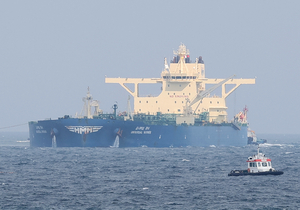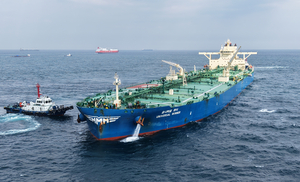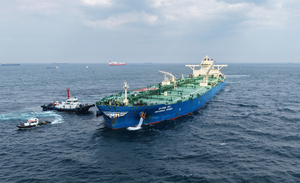
HMM's very large crude carrier (VLCC) Universal Winner, the first South Korean-linked vessel stranded in the Strait of Hormuz following the outbreak of the Middle East conflict to successfully exit the waterway, approaches an offshore single-point mooring buoy for crude oil unloading off the coast of Ulsan on June 10. (Yonhap) Four additional vessels operated by South Korean shipping companies have exited the Strait of Hormuz, authorities said Wednesday.With four vessels having left the area, 18 South Korean-run ships remain in the strategic waterway, according to the Ministry of Oceans and Fisheries.The vessels safely transited the strait and are sailing normally, according to the ministry. A total of 26 South Korean sailors were aboard the four ships, including one vessel bound for South Korea.The latest departures mean that six vessels operated by South Korean companies have exited the Strait of Hormuz since the United States and Iran reached a ceasefire agreement last week that reopened the waterway.The ministry declined to disclose details of the vessels, citing ongoing safety concerns and the interests of shipping companies."Given that the vessels are still passing through a high-risk area, and out of consideration for crew safety and the positions of shipping companies, we cannot disclose detailed transit information," the ministry said.The four vessels include a very large crude carrier, according to government officials.With the latest departures, the number of Korean-operated vessels in the Persian Gulf has fallen to 18. The number of South Korean sailors in the region has also decreased to 108, including 75 aboard South Korean-operated vessels and 33 serving on foreign-flagged ships.The latest transits mark the fourth successful passage by South Korean-linked vessels since shipping disruptions began following the outbreak of the Middle East conflict.South Korean shipping company HMM's very large crude carrier Universal Winner became the first Korean-run vessel to navigate the strait since the war broke out, on May 20, and later arrived off Ulsan on June 10. A liquefied natural gas carrier operated by SK Shipping followed on June 11 after its Pakistani charterer independently coordinated passage with Iranian authorities.The Odessa, run by Greek shipping company Dynacom Tankers Management was the first tanker to deliver oil to Korea from the gulf, exiting the strait in April and arriving in Daesan, South Chungcheong Province on May 8.Following the US-Iran ceasefire agreement, two tankers operated by South Korea's Sinokor Merchant Marine transited the Strait of Hormuz on Monday, becoming the first Korean-operated vessels to do so since the deal was announced.Under the interim agreement reached between Washington and Tehran, Iran has agreed to allow vessels to pass through the Strait of Hormuz without transit fees during a 60-day negotiation period aimed at reaching a permanent settlement.South Korea's Foreign Ministry said it remains in close contact with the US, Iran and other relevant countries regarding the movement of South Korean-linked vessels through the waterway."We are maintaining very close communication, almost in real time, with relevant countries, including the United States and Iran," Foreign Ministry spokesperson Park Il said during a regular briefing on Tuesday.Park said detailed information about vessel movements could not be publicly disclosed for security reasons but suggested additional transits could take place in the coming days."The safety of our vessels and crew members is our top priority," he said.Government officials said vessels are expected to use alternative routes through the region because of lingering concerns about sea mines and other security risks. Available options include a northern route coordinated by Iran and a route near Oman that is being monitored by US-led maritime security forces.Meanwhile, Foreign Minister Cho Hyun is seeking to hold another phone call with Iranian Foreign Minister Abbas Araghchi to discuss maritime safety and freedom of navigation in the strait, a senior ministry official requesting anonymity said Monday.The official said the call was delayed after Araghchi's schedule changed due to an unexpected diplomatic trip to Oman but is expected to take place once both sides finalize arrangements.Cho and Araghchi have spoken four times since the outbreak of the conflict. During their most recent conversation, Cho raised concerns over the attack on the South Korean-operated vessel HMM Namu and requested Iran's position on the incident.The official explained the repeated exchanges have helped build trust between the two countries as Seoul works to secure the safe passage of the remaining vessels and crew members in the region.
4 more S. Korean-operated vessels clear Hormuz, 18 remain
Four additional vessels operated by South Korean shipping companies have exited the Strait of Hormuz, authorities said Wednesday. With four vessels having left
721 words~3 min read