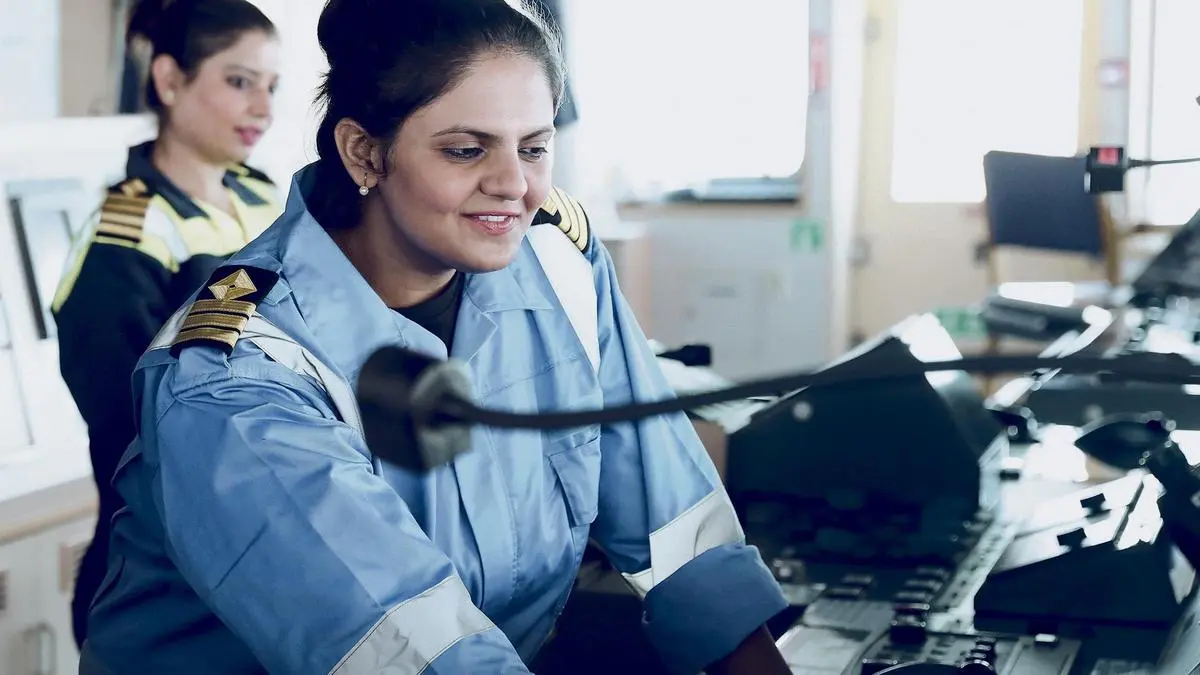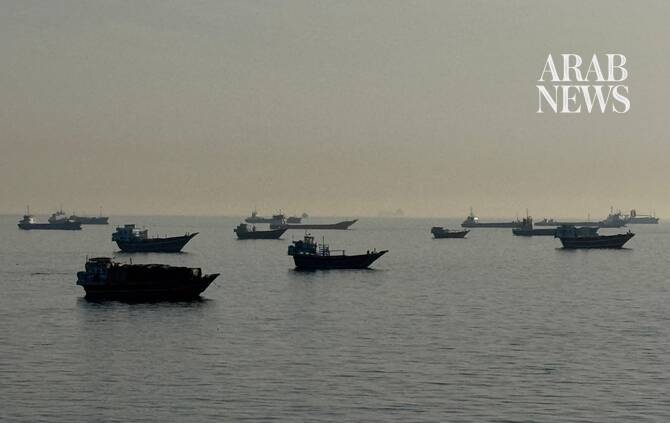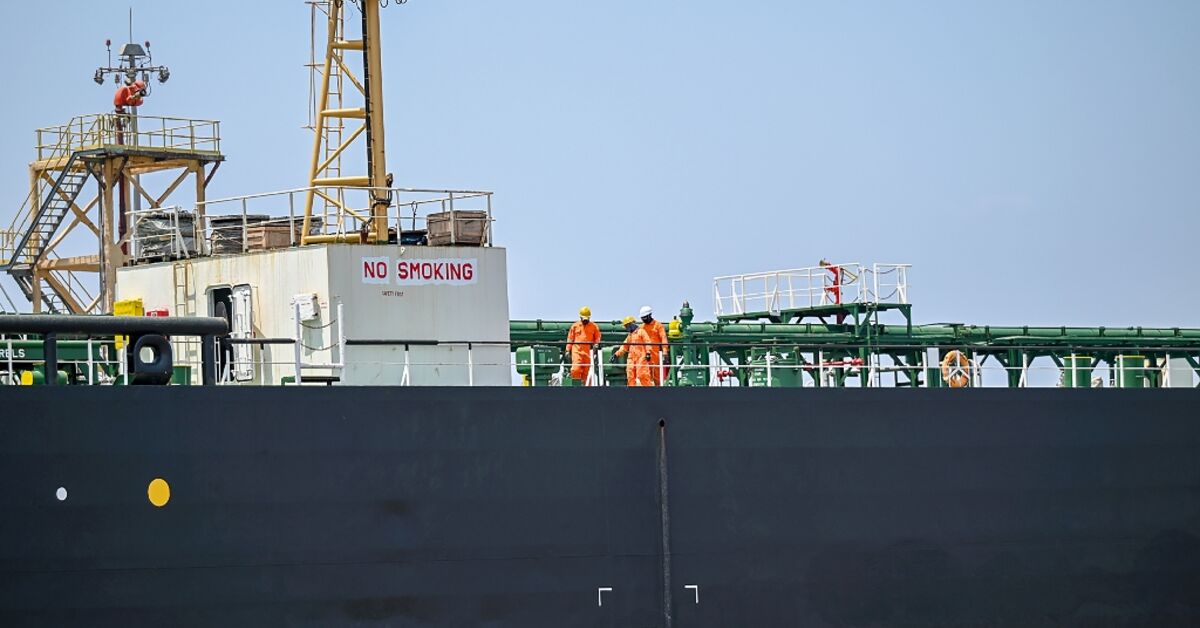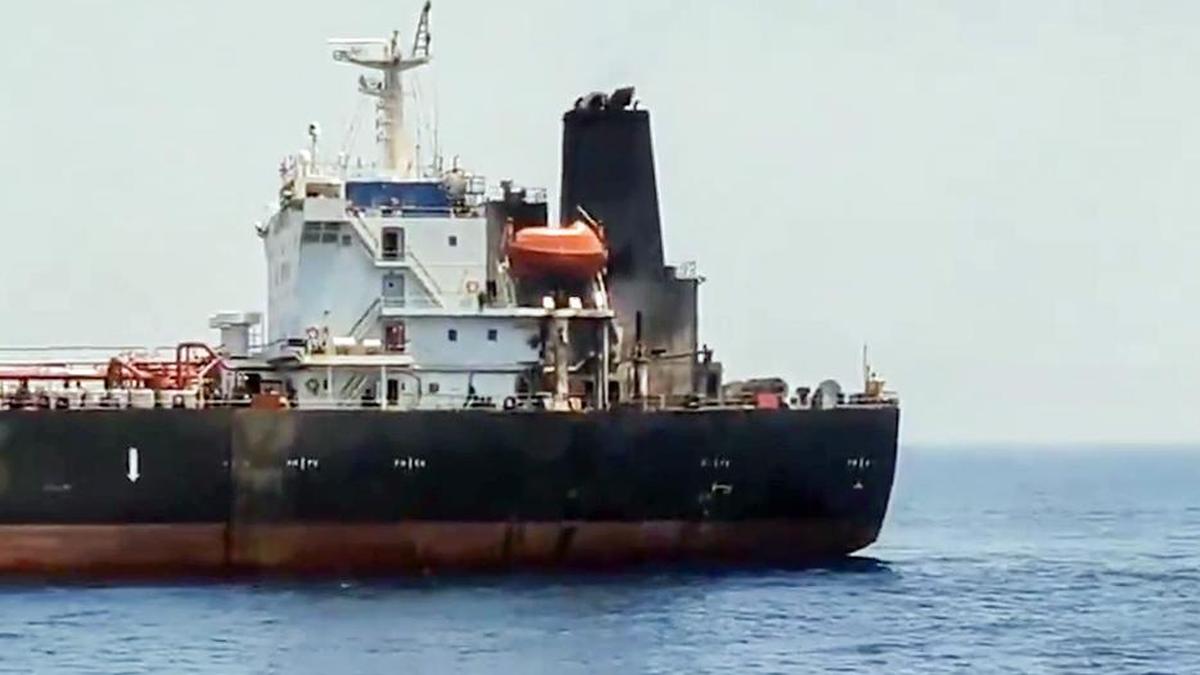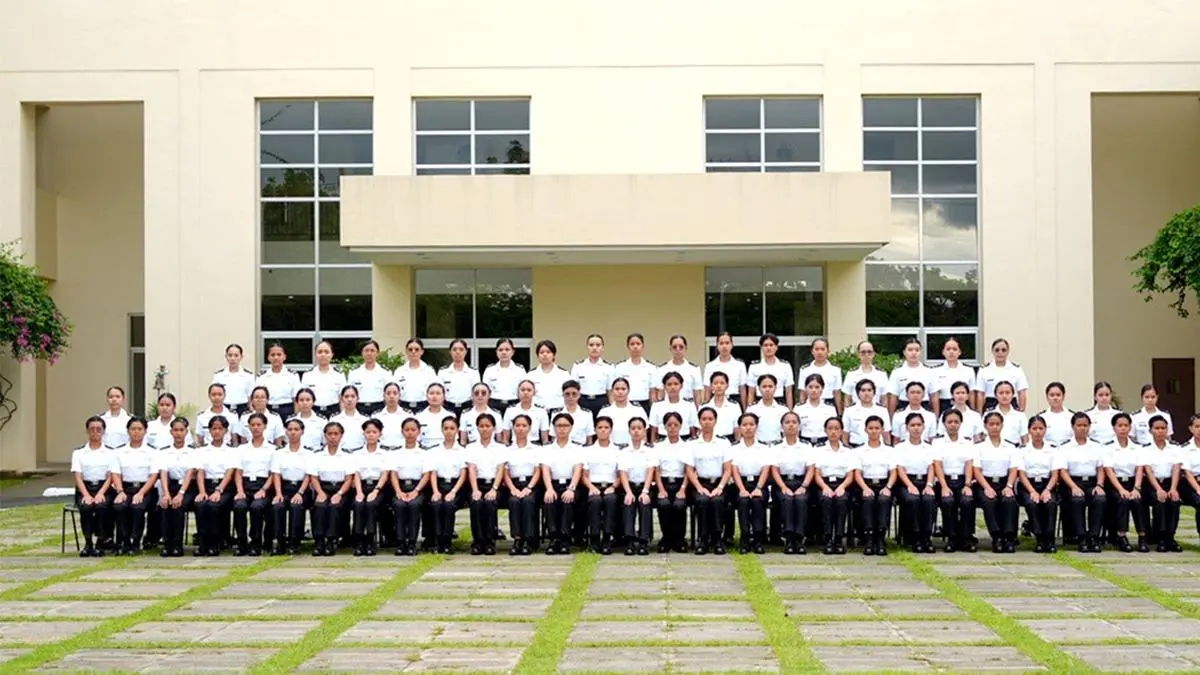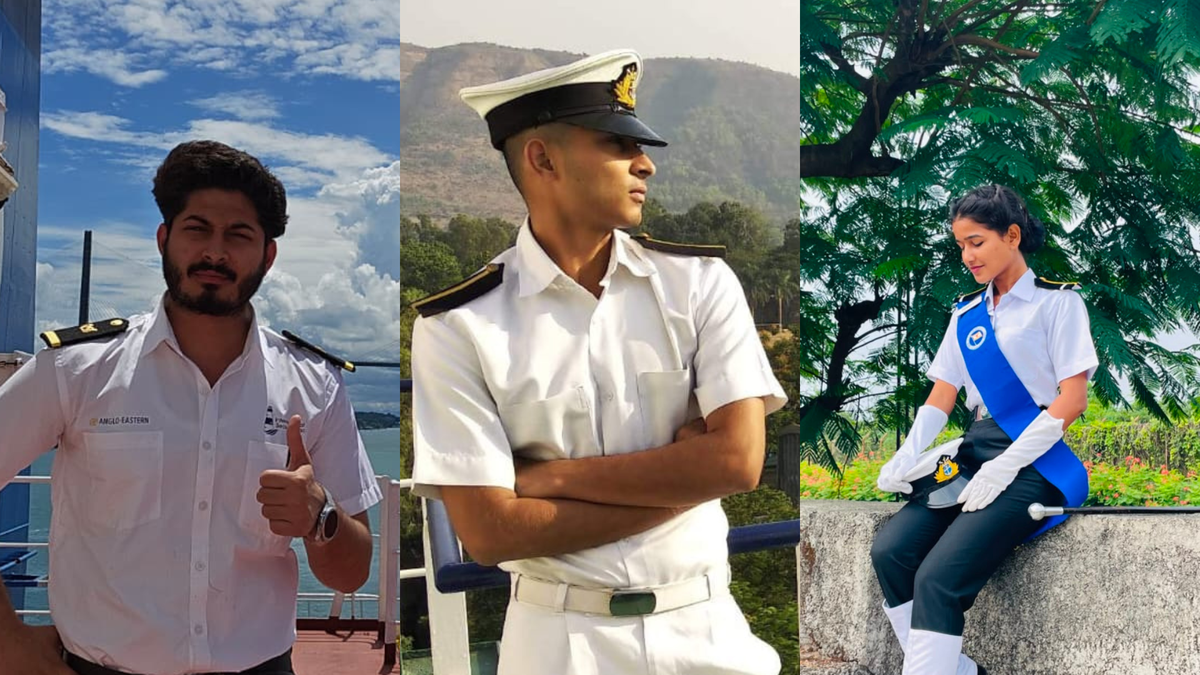
When a 25-year-old Sayali Dilip from Navi Mumbai first heard about the merchant navy during a career guidance programme in school, it was the promise of an unconventional career that caught her attention. There were few women in the profession, the pay was attractive, and the idea of working on ships travelling across the world felt different from the conventional paths of engineering or medicine.(Sign up for THEdge, The Hindu’s weekly education newsletter.)Years later, as she trains at the Maritime Association of Shipowners, Shipmanagers and Agents (MASSA) in Mumbai, the profession she once viewed through the lens of adventure and opportunity is increasingly associated in public discourse with danger.Only a few reconsideringThe deaths of three Indian seafarers — Deck Cadet Aditya Sharma, Engine Cadet Shivanand Chaurasiya and Motorman Patnala Suresh — following an attack on the oil tanker MT Settebello off the coast of Oman have renewed attention on the risks faced by merchant shipping personnel operating in volatile regions.The incident occurred amid heightened tensions along key maritime routes in West Asia. U.S. authorities alleged that the Palau-flagged vessel was attempting to transport Iranian oil in violation of a U.S.-enforced blockade, a claim disputed by the ship’s managers, who denied any connection to Iran and called for an investigation.For aspirants training to enter the merchant navy, the developments have triggered difficult conversations with families and friends. Yet interviews with trainees and young officers suggest that while concerns about safety have grown, a few are reconsidering their career choice.“I really feel bad when such incidents happen,” says Mr. Dilip, who is currently undergoing advanced training at MASSA after sailing experience at sea. “We leave our homes and stay onboard for months. It is already mentally difficult. Hearing about people getting harmed or killed is very sad.”The merchant navy occupies a unique space in public imagination. Unlike the Indian Navy, which serves in a military capacity, merchant shipping is responsible for transporting cargo, fuel, and goods across the globe. Industry experts estimate that nearly 90% of world trade by volume moves by sea, making commercial shipping one of the foundations of the global economy.Yet despite its importance, the profession often remains invisible until a crisis erupts.For many trainees, recent conflicts have exposed a reality they always knew existed but rarely confronted directly.“It feels a little unsafe,” Mr. Dilip admits. “But we still have to do our job. We also have to earn a living.”Navigating risks and uncertaintyThe sentiment is echoed by Sameer Ahmed, a 25-year-old third officer with Eastern Pacific Shipping, who first became interested in the merchant navy after meeting a career representative in school and later learning more from an uncle who worked in the industry.Mr. Ahmed says the profession has always involved navigating risks, whether from piracy-prone waters, adverse weather conditions or geopolitical instability. “In merchant shipping, certain areas are classified as high-risk areas,” he explains. “Companies inform seafarers beforehand and ask whether they are willing to sail there. There is always a choice.”Mr. Ahmed himself has chosen not to accept assignments in conflict-prone regions. His family, he says, is strongly opposed to the idea. “They have asked me to stay home until the situation improves,” he says. “I have actually overstayed my leave because of the current tensions.”The impact of conflict, he argues, extends far beyond the seafarer onboard. “My uncle is currently on a vessel and has not been able to return home because of the situation,” Mr. Ahmed says. “His family worries constantly. They are waiting for his calls and hoping he is safe.”Such anxieties have become increasingly common in seafaring households. While merchant navy training institutions continue to report interest in maritime careers, conversations around safety now feature more prominently among students and their families.Mr. Ahmed recalls his own brush with fear while serving as a cadet near a high-piracy zone off the coast of West Africa. A small boat carrying several men approached his vessel before dawn. For nearly two hours, officers onboard feared a possible piracy attempt.“We kept calling them and there was no response,” he recalls. “Everyone was awake. We were watching closely because we do not carry weapons onboard.”The incident eventually turned out to involve local fishermen attracted by fish gathering around the vessel. But the experience left a lasting impression. “For that period, it was extremely stressful,” he says.‘Learning to accept risk’Not all students view the risks through the same lens.For 22-year-old Vaishnavi Tungare from Thane, who is currently completing specialised courses at MASSA after sailing on three ships, uncertainty is simply part of life. “Even if you are on land, accidents can happen,” she says. “Life is unpredictable.”Ms. Tungare says she entered the profession despite coming from a family where most members are doctors or engineers. The decision, she believes, required courage rather than reassurance. “No one in my family was from the merchant navy,” she says. “For me, it was a fascinating opportunity and my parents supported me.”The possibility of delayed sign-offs, missed family events and extended periods away from home was something she accepted from the beginning. “When you enter this profession, you are mentally prepared for these things,” she says. “Sometimes you cannot be there when your family needs you most.”Greater public recognition of merchant shippingIndustry leaders say such attitudes reflect a long-standing culture within maritime professions.Captain Girish Phadnis, Chief Operating Officer of MASSA and a veteran mariner who has spent decades in shipping, says recent incidents have understandably generated concern but have not fundamentally altered students’ perceptions of the profession.“Nobody wants such incidents to happen,” he says. “Families worry, institutions worry and companies worry. But nobody is forcing anyone to work in conflict areas. People are informed about the risks and they make their own decisions.”According to Mr. Phadnis, shipping companies generally attempt to avoid conflict zones whenever possible and provide seafarers with information before deployment.He argues that recent events have had one unexpected consequence: greater public recognition of merchant shipping. “The maritime industry is finally getting its rightful recognition,” he says. “People are beginning to understand how important merchant shipping is for trade and commerce.”For students, that recognition appears to coexist with an evolving understanding of risk. Many entered the profession attracted by travel opportunities, early employment and competitive salaries. Yet as they progress through training and spend time at sea, their motivations often become more complex.Mr. Dilip says she increasingly sees the profession as a source of pride. “People are now realising how important seafarers are,” she says. “Shipping keeps the world moving. We are part of that.”Mr. Ahmed agrees.The glamour often associated with the profession, he says, tends to fade once students experience the realities of life at sea — months away from home, continuous training requirements and significant responsibility at a young age.But the sense of purpose remains.As a deck officer, he says, there are moments when he is the sole watchkeeper responsible for monitoring the vessel and ensuring the safety of everyone onboard. “It is a huge responsibility,” he says. “You have to remain aware of everything happening around you.”That responsibility may feel heavier today than it did a few years ago. Yet among the trainees preparing to enter the profession, there is little evidence of retreat. “When we come in this profession, we are mentally prepared for all kinds of dangers. So, it is not an issue and we have to continue , come what may,” said Ms. Tungare.(Danish Pandit is a journalist and a documentary filmmaker based in Delhi.)
As maritime tensions rise, Merchant Navy aspirants stay the course
As maritime tensions rise, aspiring Merchant Navy officers remain committed despite heightened risks and safety concerns.
1,241 words~6 min read