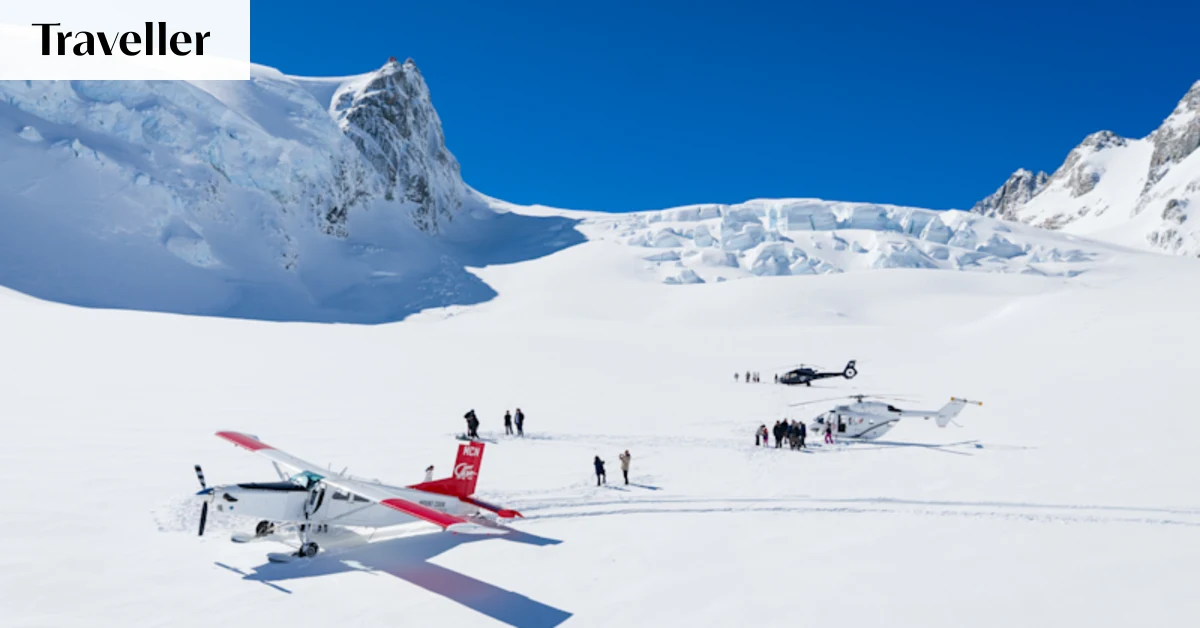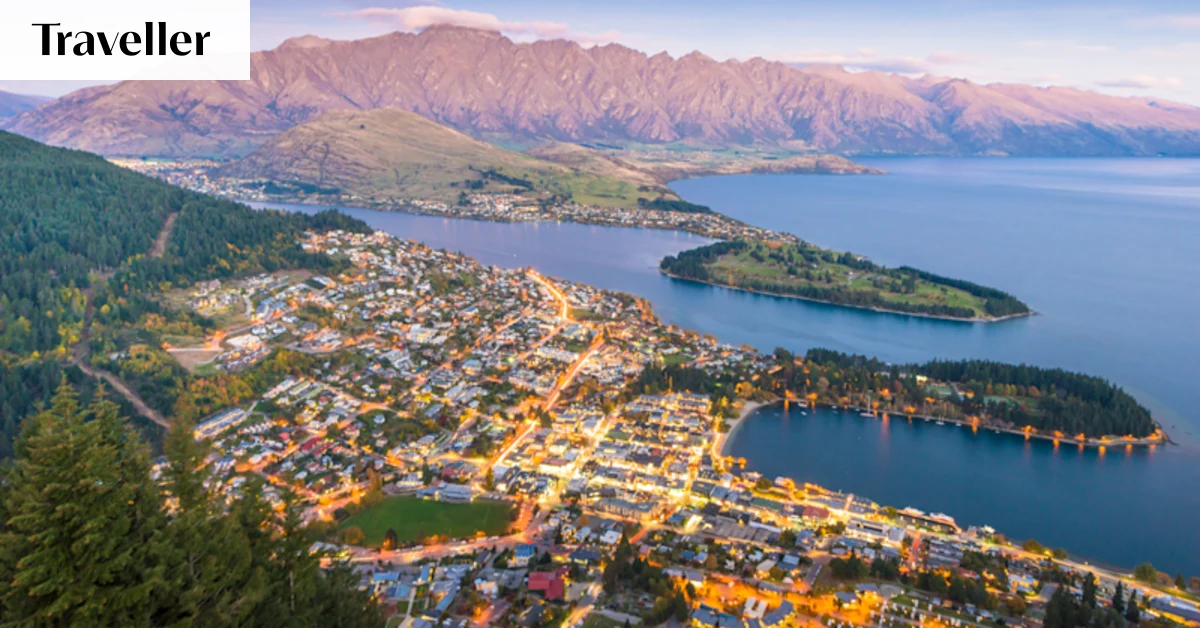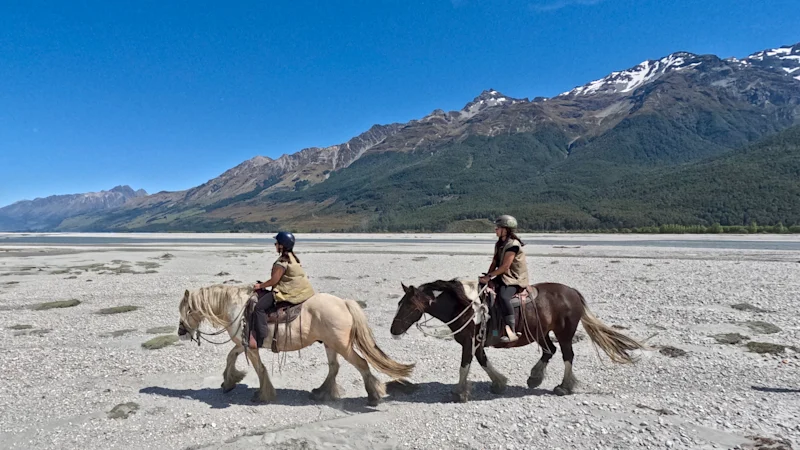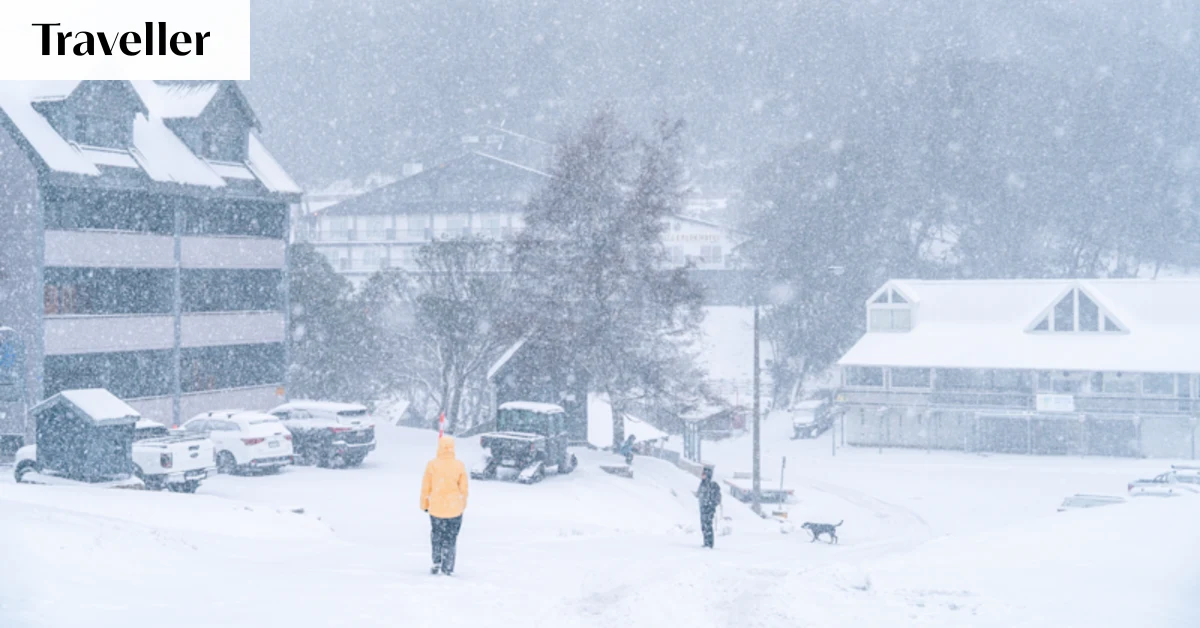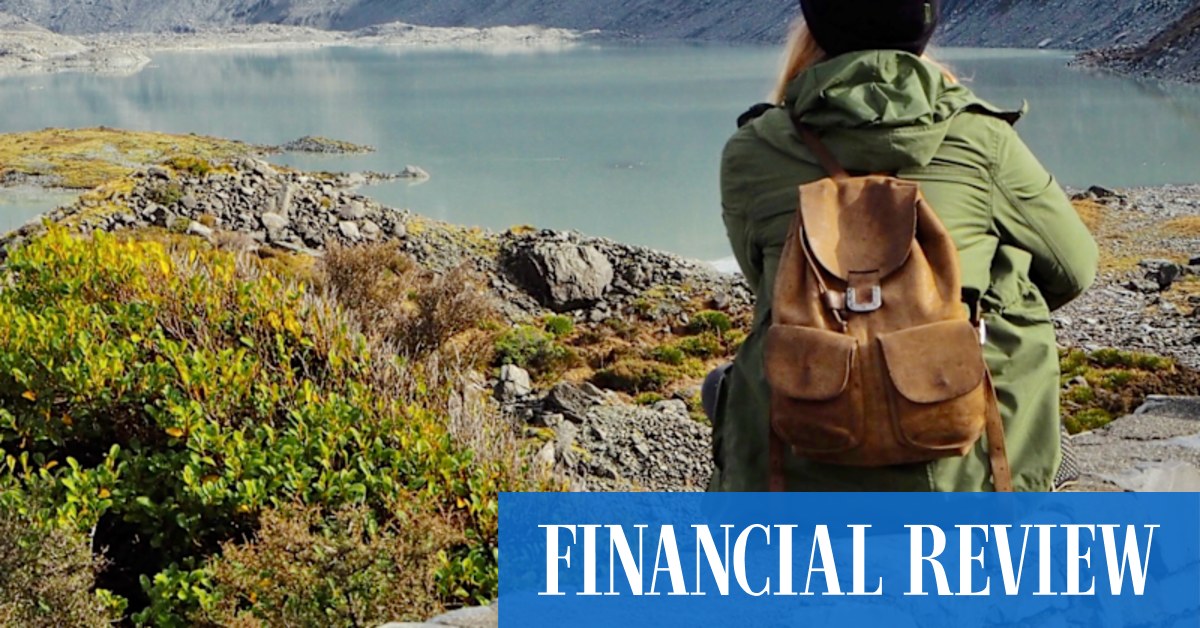
Yet, for all the high-octane thrills, it’s the charming alpine corners that keep him returning. Tucked between Christchurch and Wānaka, Ohau Snow Fields is his favourite. “It suits everyone, from beginners to experts,” Tansley says. “It’s been run by the same couple since the mid-1980s.”“It’s kind of like Dirty Dancing – as in, you have this chalet where everyone comes back after skiing and sits together at the bar, talking about the day they had. It’s this incredible vibe that just epitomises New Zealand to me.”Heading north, the alpine landscape shifts to the dramatic volcanic peaks of the Central Plateau. Mount Ruapehu boasts the country’s longest snow season, but Tansley notes its true appeal lies in its versatility. When alpine winds close the upper mountain, the adventure simply pivots. “The mountain biking there is incredible,” says Tansley, “Old Coach Road is amazing, as is the Timber Trail, a little bit further away.”Travel writer Craig Tansley first snowboarded New Zealand around 25 years ago – he’s come back at least 20 times since. Craig TansleyPowderhorn Chateau at the base of Mount Ruapehu is the place to stay – and après-ski. The boutique hotel offers a vibrant energy. “The rooms are beautiful,” he notes. “They blend these different influences – Colorado, mixed in with a bit of Europe.”To absorb the full scale of the changing landscape, Tansley recommends the Northern Explorer scenic train. Weaving between Auckland and Wellington, the comfortable carriages offer a front-row seat to more than 600 kilometres of misty, snow-dusted scenery peppered with rivers, towns and farmsteads.And to set your heart racing, don’t forget Rotorua. “It’s New Zealand’s secret adventure capital. There’s bungy jumping, canyon swings, horse riding, whitewater rafting and jet boating, all in one area. Plus, it’s one of the most geothermal areas in the whole of New Zealand.”Watch dramatic plumes of hot steam rise through the winter frost, or, to experience this natural phenomenon at its most premium, travellers can retreat to the lakefront at Wai Ariki Hot Springs & Spa. This culturally immersive sanctuary, deeply rooted in Ngāti Whakaue healing traditions, allows visitors to step out of the winter air and sink into therapeutic mineral waters. It is the ultimate New Zealand winter contrast: adrenaline meets restoration.The pinnacle: ”There is a place called Minaret Station on the western shores of Lake Wānaka in the South Island. They have four alpine lodges out there in the middle of nowhere. You fly out from Wānaka, and then you have something like 17 mountain ranges and 800 runs to choose from – you basically have it all to yourself.“They do crazy helicopter tours from there – they’ll go out to the West Coast, land on the beach, dive down, catch you a crayfish out of the water, go heli-skiing on the way back, and a private chef cooks you the crayfish. The business they run up there at Minaret is just like one of the best I have ever experienced in anything I’ve ever done in Alaska, Telluride [Colorado] or Revelstoke [Canada]. It’s just insane.”Nina Karnikowski, 42New Zealand winter means road trips along wild coastlines, hot springs under the stars, and slowing down to experience nature.Sometimes, the best winter remedy is simply a change of scale. For travel influencer and writer Nina, a road trip through the dramatic expanse of the South Island with her husband was the ultimate antidote to a chaotic year. “We’d both been really busy and distracted and were long overdue for a break,” she reflects. “There was something about the combination of mountain air and long drives through vast landscapes that immediately helped us reconnect.”That connection begins on the road from Christchurch to Wānaka. The drive between Lake Tekapo and Aoraki Mount Cook is nothing short of extraordinary, hugging the impossibly vivid blue waters of Lake Pukaki while snow-capped peaks seem to grow more monumental with every passing kilometre.Floating through a world of ice at the Tasman Glacier. Nina KarnikowskiBut it’s the deeper immersion into this frozen world that stays with her. Nina recalls the humbling experience of heading out on a Zodiac boat to navigate the icebergs of Tasman Lake, right beneath the 500-year-old Tasman Glacier. “Floating through that landscape was both awe-inspiring and sobering,” she says. “Our guide explained how rapidly the glacier was melting, a reminder of both the beauty and fragility of these wild places.”For those who prefer to explore on foot, winter unlocks a crisp, quiet clarity along the Hooker Valley Track – a trail Nina ranks as one of the most spectacular day walks in the world. The track weaves across three striking suspension bridges suspended over roaring glacial rivers, heading straight toward Hooker Lake. “Along the way we picnicked beside opaque blue glacial waters beneath New Zealand’s highest peaks,” she says.As the day fades, the experience transitions seamlessly from exploration to restoration at Tekapo Springs. Sinking into the hot pools beneath the Aoraki Mackenzie International Dark Sky Reserve offers a wellness experience that goes far beyond the physical benefits of muscle relief or improved circulation.“For me, it’s not so much about the physical relaxation as the feeling of perspective,” Nina explains. “Out there under that vast sky, surrounded by mountains and fresh air, it becomes much easier to let go of the small worries that usually fill our brains.”As steam curls into the freezing night air and the southern stars emerge one by one, the true philosophy of a New Zealand winter becomes clear. “True wellness isn’t just about an individual feeling better. It’s also about being reminded that we’re part of a larger living system,” Nina says. “That’s one of the things I love most about New Zealand, actually. So many of its wellness experiences are inseparable from the natural world. You don’t leave feeling simply relaxed; you leave feeling more connected, both to yourself and to the living world around you.”The pinnacle: “Art Adventure is a completely different way of engaging with the landscape in Queenstown. A local artist drove us to a series of beautiful locations and taught us how to sketch what we saw – lakes, mountains and rolling farmland.“It forced me to slow down, sit still and really look. I noticed the shape of the mountains, the movement of the clouds, the colours in the grasses and the way the light shifted across the landscape. I felt far more connected to the place because I was observing it so carefully.”Discover your winter in New Zealand at newzealand.com.
The pinnacle: Travel writers share the New Zealand snow-season experiences they’ll never forget
Three travellers share the snow-season experiences that turned a cold-weather escape into something unforgettable.
1,076 words~5 min read