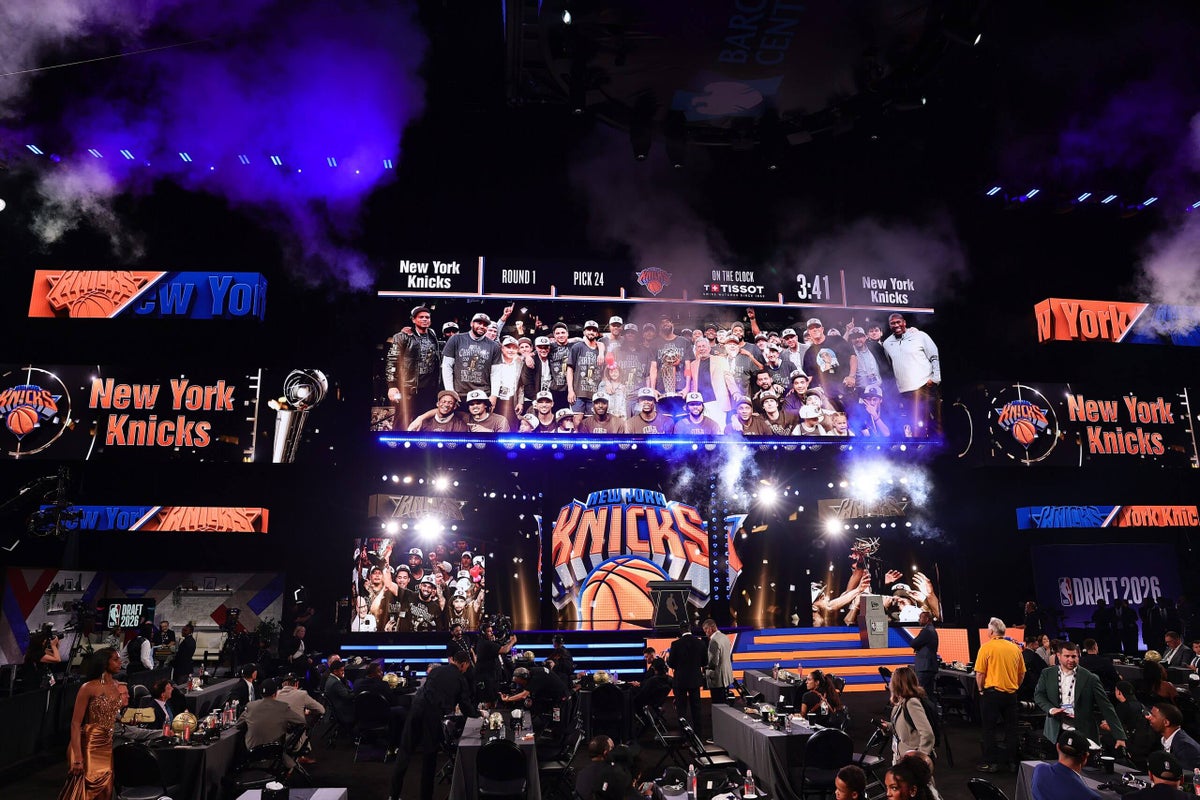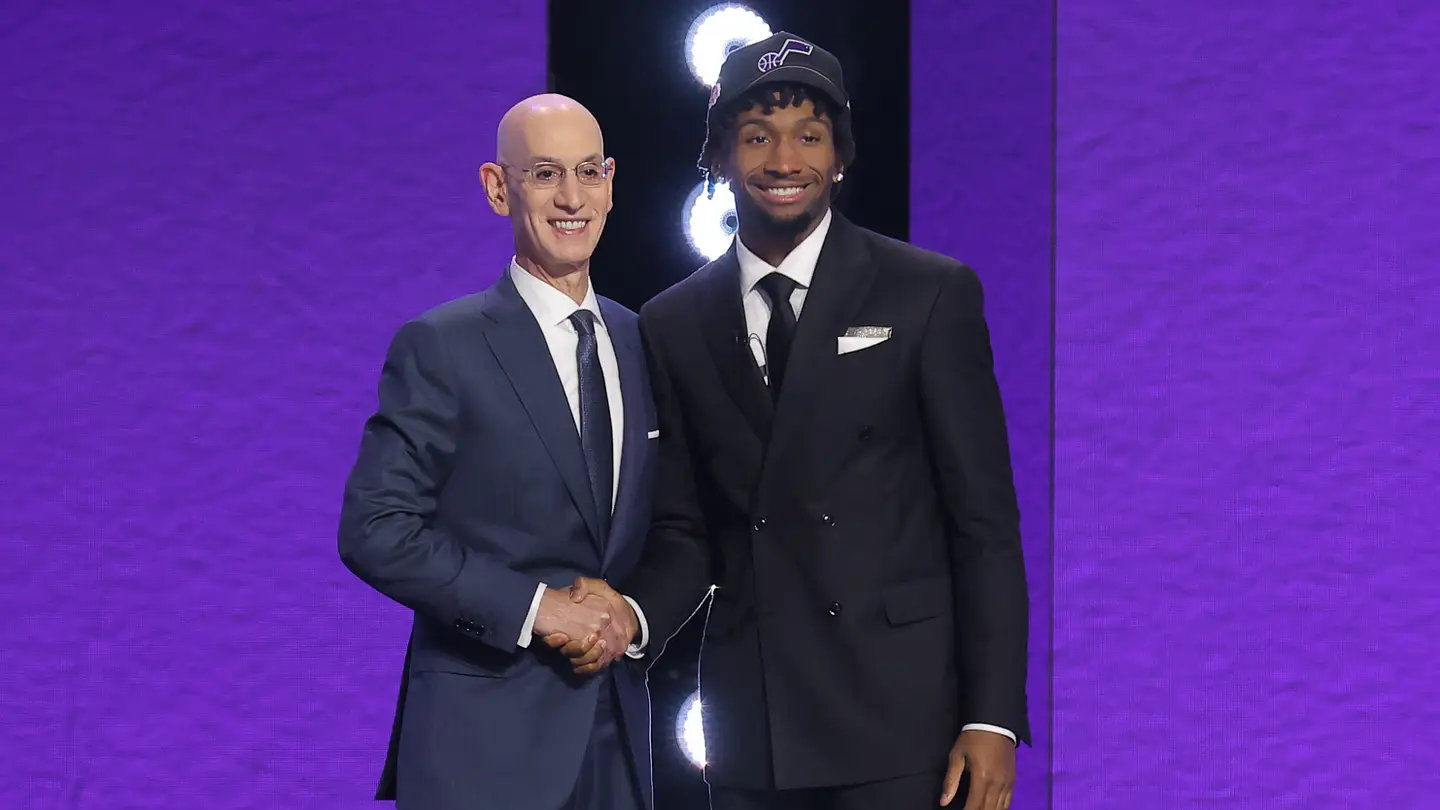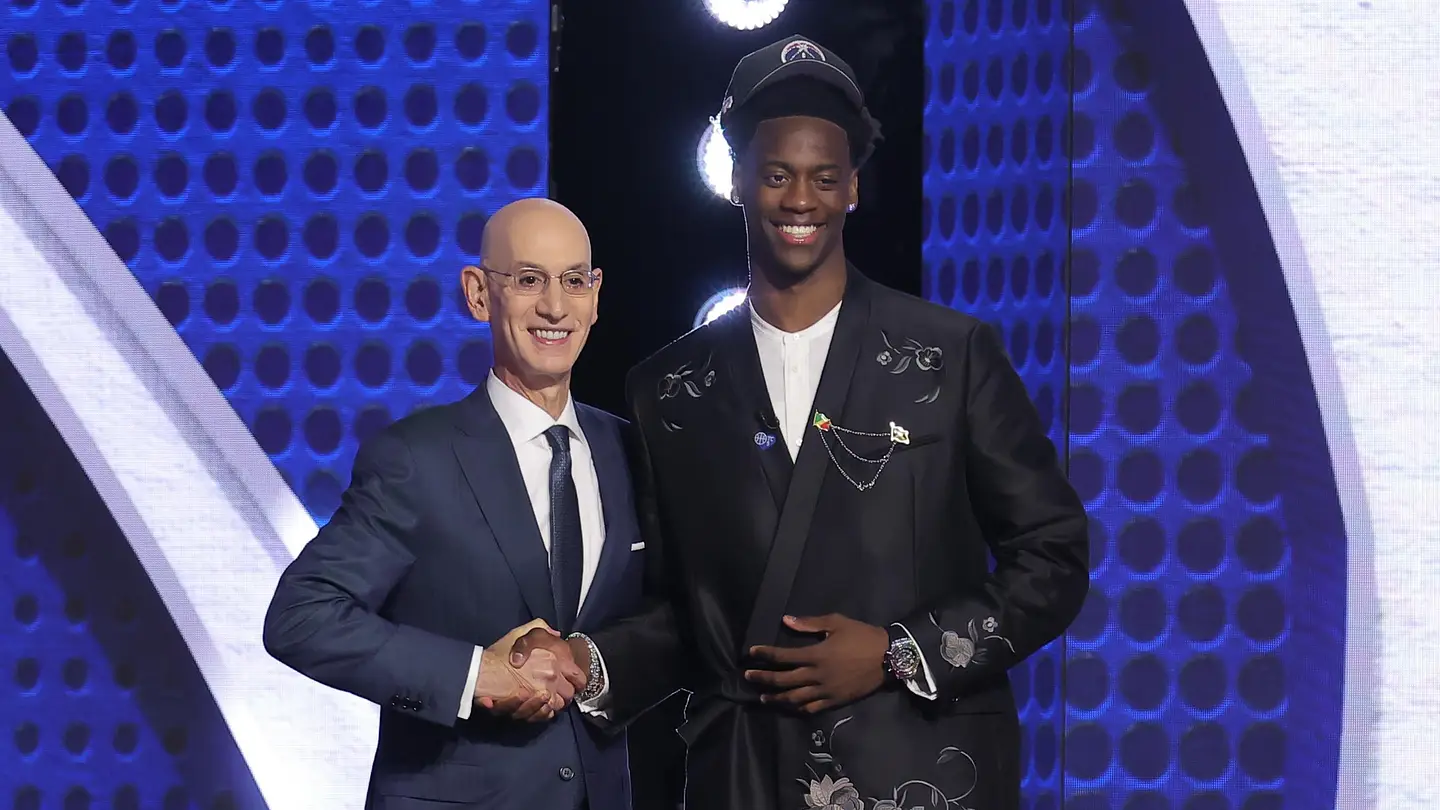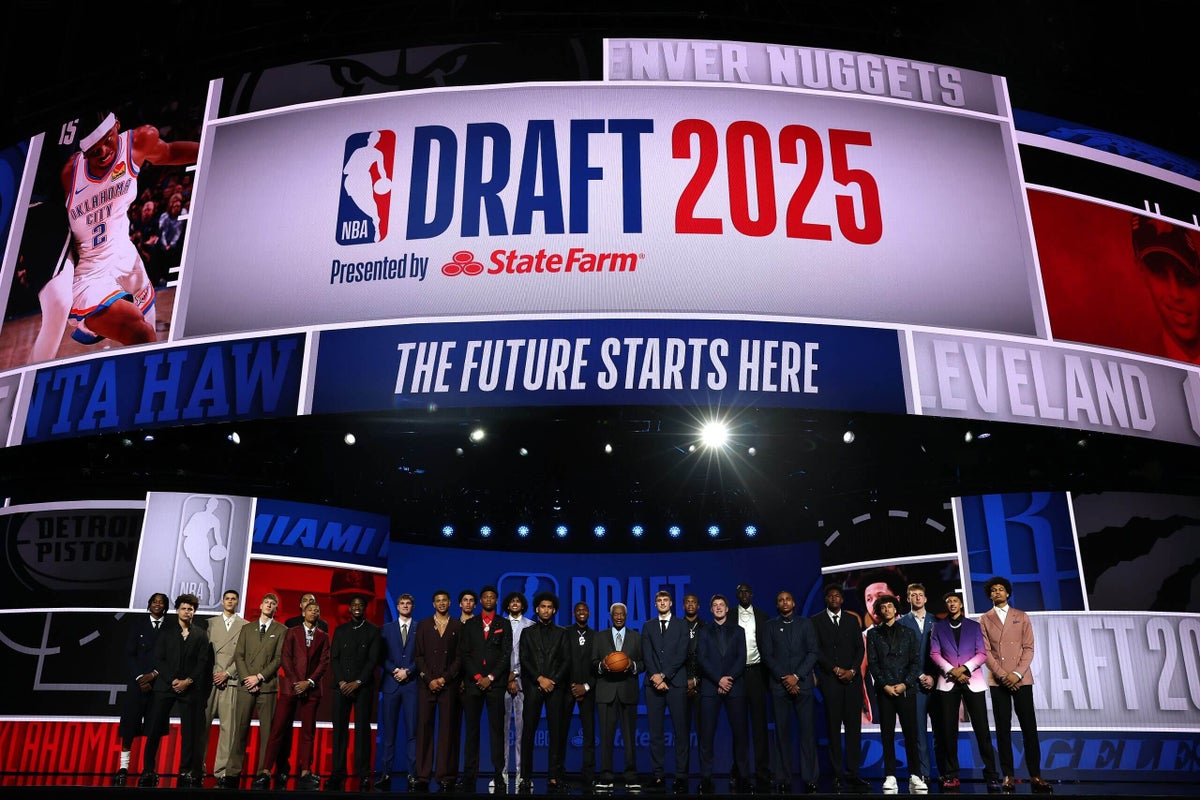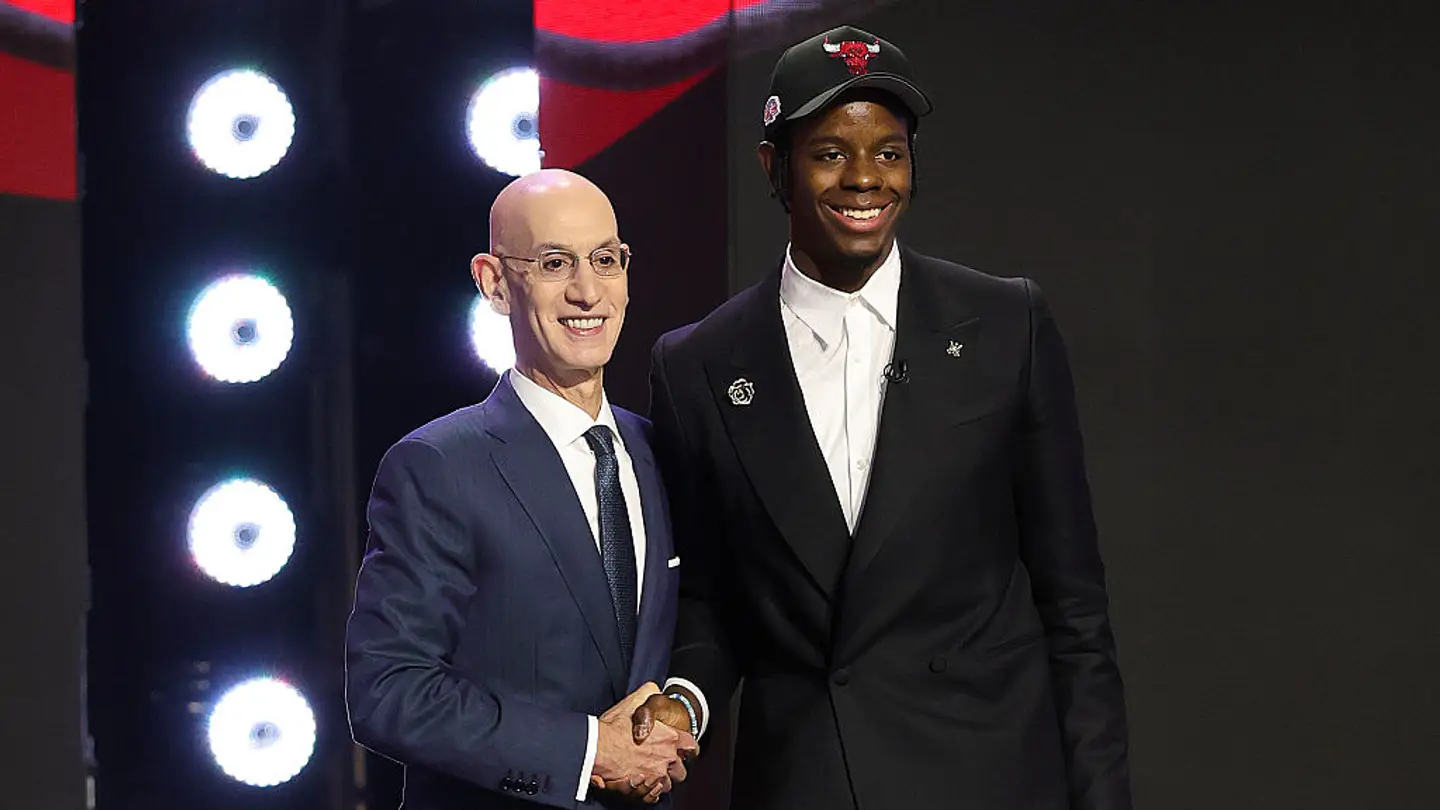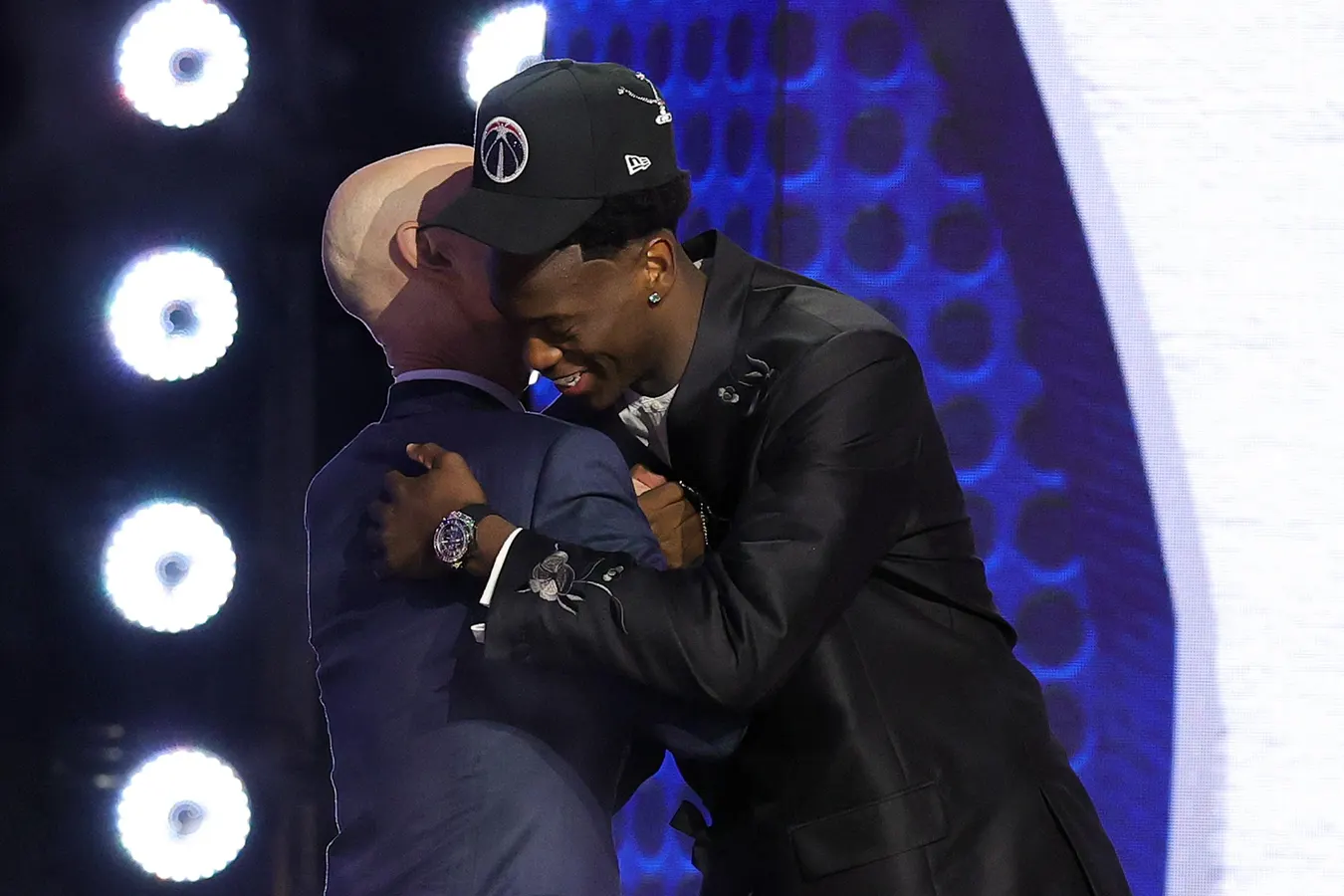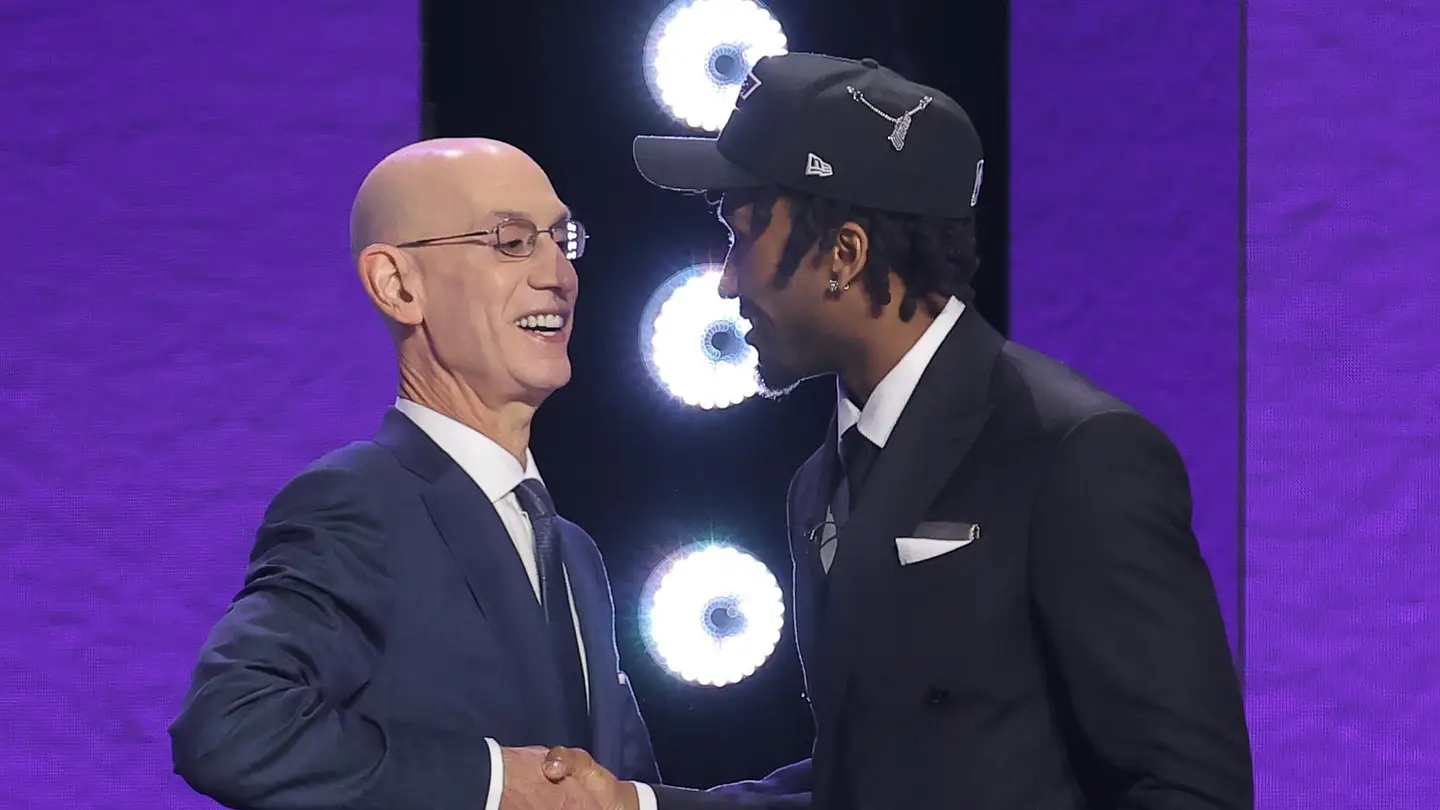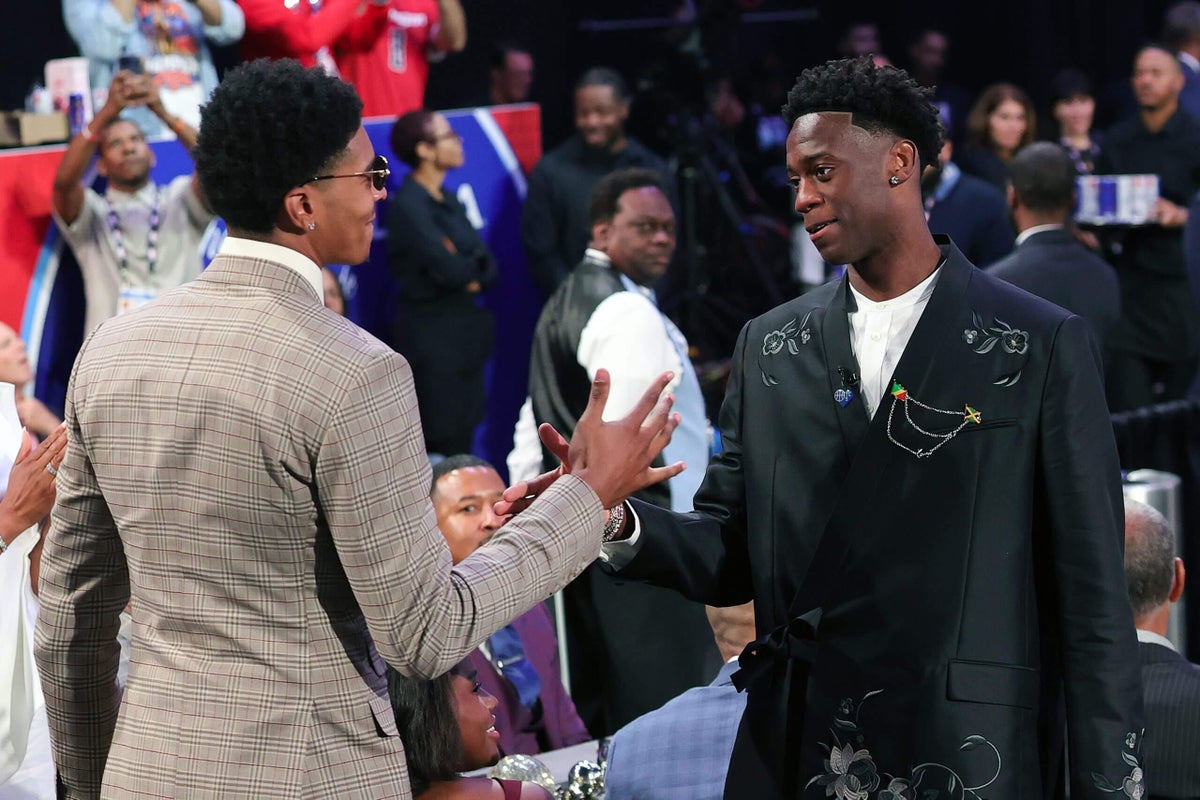
The 2026 NBA Draft is underway — taking place over two days — and The Athletic’s draft expert Sam Vecenie and front-office insider John Hollinger are analyzing each pick as it happens.Explore Vecenie’s scouting summary from the 2026 NBA Draft Guide, Hollinger’s team fit and more below.1. Washington WizardsAJ Dybantsa | 6-9 | 19 years old Dybantsa has better physical tools entering the NBA than any wing I’ve seen in a while. His ability to play with elite bend mixed with explosiveness allows him to consistently get into the teeth of the defense as a straight-line driver. In transition, he’s an absolute menace. His nose for the foul line is second to none in this draft class with his polished footwork and gathers. That’s what allowed him to be as monstrously productive as he was this season, averaging more than 25 points while shooting over 50 percent from the field. He is a historically notable scoring prospect as a big-time wing, and it helps that he showed major improvement as a shooter and passer this season after seemingly stagnating a bit in the year before he played at BYU.However, the aspects of Dybantsa’s game beyond his scoring acumen are unpolished. He’s nowhere near as deficient a ballhandler as Ace Bailey as a big wing because of his ability to play with bend and drive, but he needs to tighten up with the ball to consistently make better passing reads. The strides were there this season, but to be a primary decision-maker in the NBA, the standard is almost impossibly high. Additionally, Dybantsa needs to show improvement on the defensive end, where his engagement and overall anticipation are not quite good enough.Why AJ Dybantsa is the no. 1 prospect in this year's NBA DraftSam VecenieBut if we’re drafting for ceiling-level outcomes at the top of the draft, Dybantsa’s mix of unique athletic traits and proven scoring ability gives him the highest apex of all the prospects in the class. There’s no better blend of size, power, length, athleticism and skill in this class, and his overall feel for the game on offense is not poor. Dybantsa’s weaknesses are also more fixable than the weaknesses of other prospects at this size. You can improve his ability to handle the ball, and he has shown enough vision and problem-solving skills on the ball to believe he’s growing there. He’s not a completely negative defender with his size and length, and he won’t be attacked on that end even if he still needs to work through his anticipation issues.There are outcomes here where Dybantsa averages 30 points and six assists in his prime, providing slightly above-average defense. That player who would be in the All-NBA picture and could even find himself in MVP discussions. Dybantsa’s floor in his prime is probably in the ballpark of what Jaylen Brown’s was before his 29-point-per-game breakout this season: a 22-point-per-game scorer who is switchable on defense but messy off the ball with some questionable moments as a ballhandler and passer. That’s still a player who provides borderline All-Star-level talent. Dybantsa is the best combination of upside and floor in the class, which is why he is my No. 1 player.Hollinger’s analysis: I had Cameron Boozer ranked higher, but a lot of smart people I respect disagree with me, and Dybantsa’s fit between Trae Young and Anthony Davis is hard to deny. And if ultimately the choice was between Dybantsa and Darryn Peterson, I thought Dybantsa was clearly the pick. I would give the Wizards a less flattering grade for Trae Young’s extension. Grade: B+2. Utah JazzDarryn Peterson | 6-5 | 19 years oldPeterson was as complete a guard as I’ve evaluated entering college basketball in a long while. He’s an aggressive shot hunter on the court, and I love the way that he went about improving his passing ability out of ball screens. Until this season at Kansas, he had never stagnated, continually working his way up a steady trajectory to the top of his recruiting class.But then he plateaued with the Jayhawks, and there is a case that he took a step back in some respects — especially as a passer and playmaker. How much of it was because of injury? How much of it was because of the situation around him at Kansas? How much of it was because college basketball was harder than high school? Peterson’s performance raised questions, especially in regard to his decision-making and ability to consistently get paint touches. However, it’s possible these issues go away once he gets into an NBA offensive scheme.I’m buying into what I saw in Peterson in high school. It’s exceptionally hard to find players who are this creative, who can make shots at this level at such a young age and who have at least demonstrated the ability to pass and defend at some point, even if those skills have been inconsistent. Yes, there are questions that Peterson needs to answer for NBA teams. But the talent is the talent, and Peterson projects to be the kind of player who can dribble, pass, shoot, defend and think the game at a high level as long as his development goes well in the next two years.Hollinger’s analysis: You don’t draft for fit this high, but man, it would have been tough to slot Cameron Boozer into this Utah frontcourt without making other moves. I wonder if the Jazz should have looked harder at trading down. I had Peterson fourth on my board, but he fits perfectly on this roster, and the other two guys I had ahead of him don’t. Grade: B3. Memphis GrizzliesCameron Boozer | 6-8 | 18 years oldBoozer is one of the most statistically dominant players we’ve seen enter the NBA in a long time. He’s won at every single level and dominated with his play. He is multiskilled and incredibly versatile, which makes him exceptionally difficult to game plan for. As a scorer, he can beat you in ball screens both as a ballhandler and screener. He can beat you as a floor-spacing shooter. He can attack closeouts or he can post you up and score that way through his physicality. He has a brilliant basketball mind, passes incredibly well and understands how to put his teams into positive positions. I think he’s pretty close to a can’t-fail offensive prospect. I don’t see him as a Nikola Jokić-level processor of the game, and his lack of size compared to the Serbian star is an issue. However, I think the odds are that he’s above the level of Alperen Şengün, who has made two All-Star Games and been remarkably productive in the NBA.
NBA Draft 2026 results: Grades, analysis, fits for every pick
Our draft expert and front-office insider offer scouting summaries and instant reaction on every selection.
2,302 words~10 min read