My CLAUDE.md had a rule about it. The generated code broke the rule anyway. And the thing that finally caught it wasn't my config file. It was a rejection from the WordPress.org plugin review team.
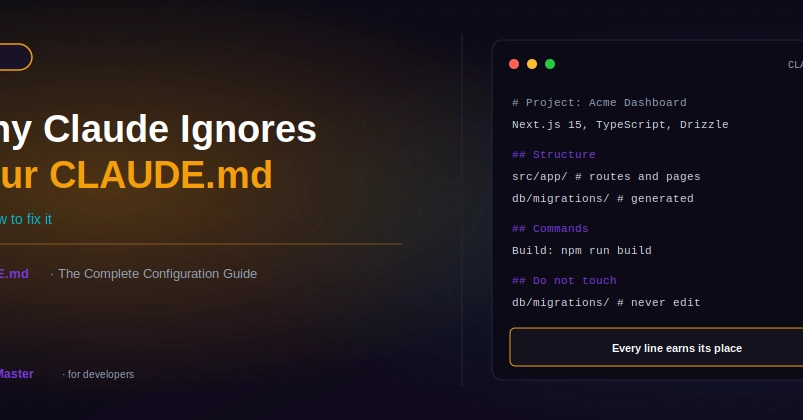
I'd been building plugins with a long CLAUDE.md. Over time I'd folded two whole guides into it: the WordPress Japanese translation style rules I follow, and my own plugin design conventions, including the things you're specifically not supposed to do. It got long. And the longer it got, the safer I felt. It's written down, so it'll be followed. That was the assumption, and I never once questioned it.
Then I shipped a plugin with trialware-shaped code around how paid features were gated, the kind of thing the WordPress.org directory guidelines push back on, and the kind of thing my own design guide explicitly told the agent to avoid. The rule was right there in the file. The generated code stepped on it anyway, and I didn't notice until the rejection came back.
That rejection did something useful. It turned my trust in the config file inside out. I had written the rule. I had never checked whether it was in effect. And the thing that finally graded whether my own guide was working wasn't my guide. It was a reviewer on the other side, weeks later.