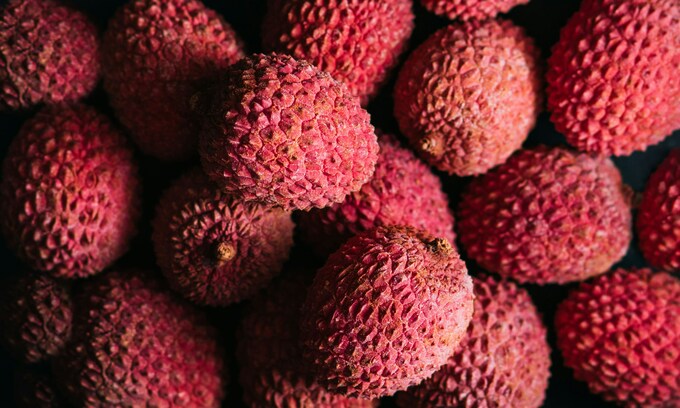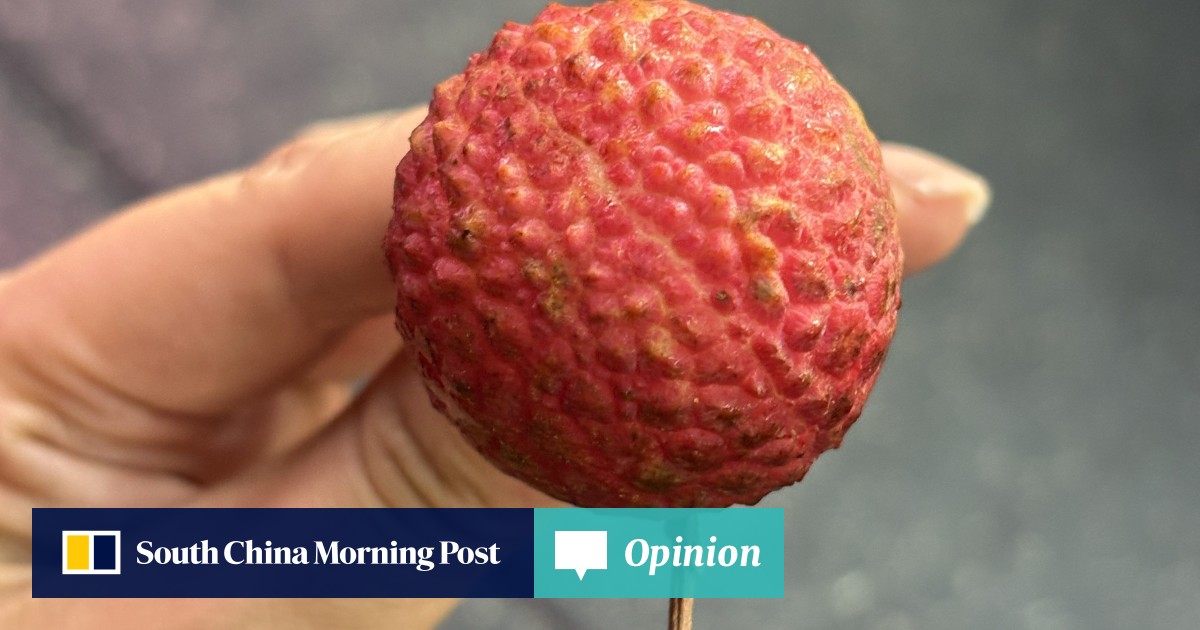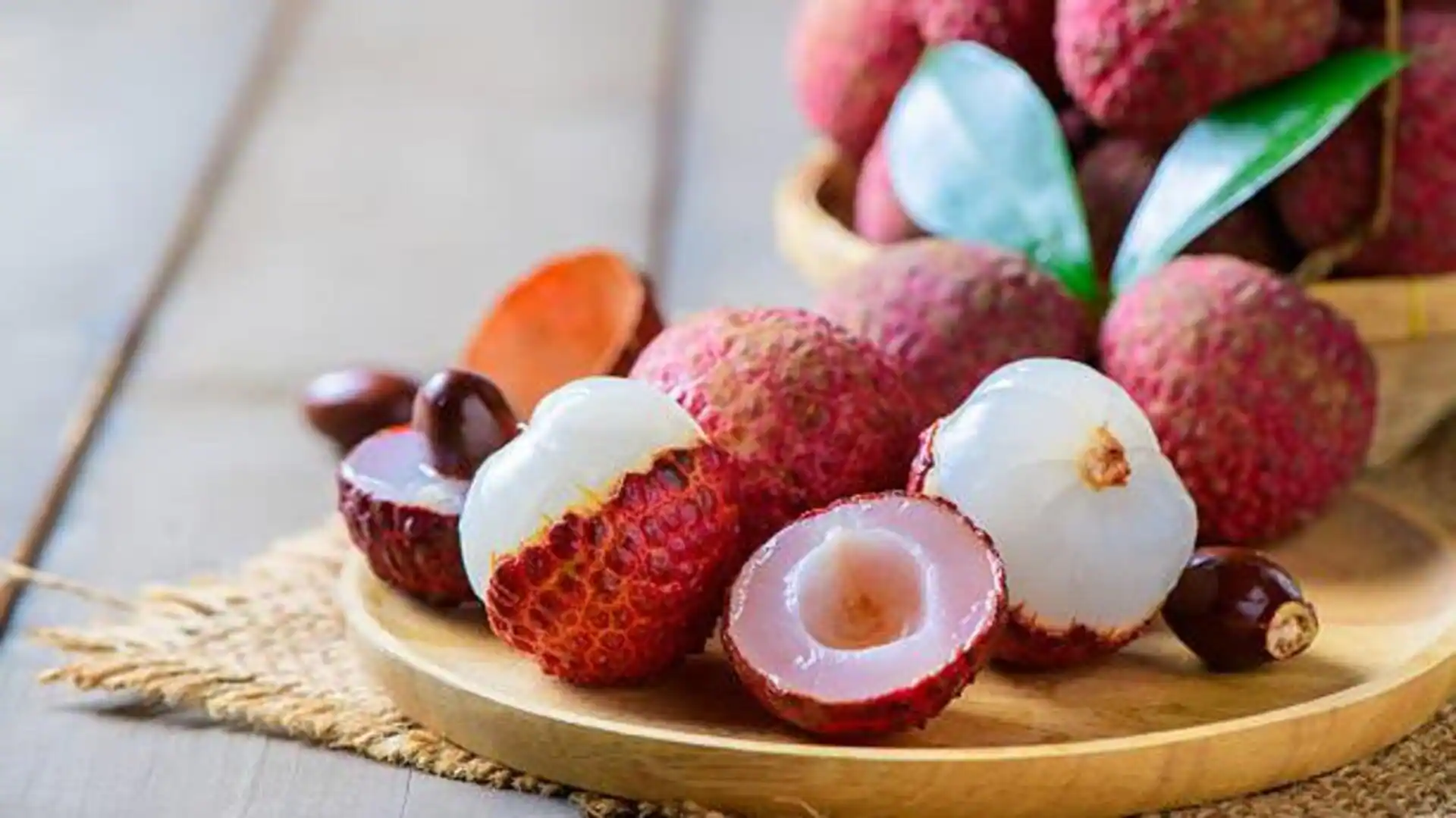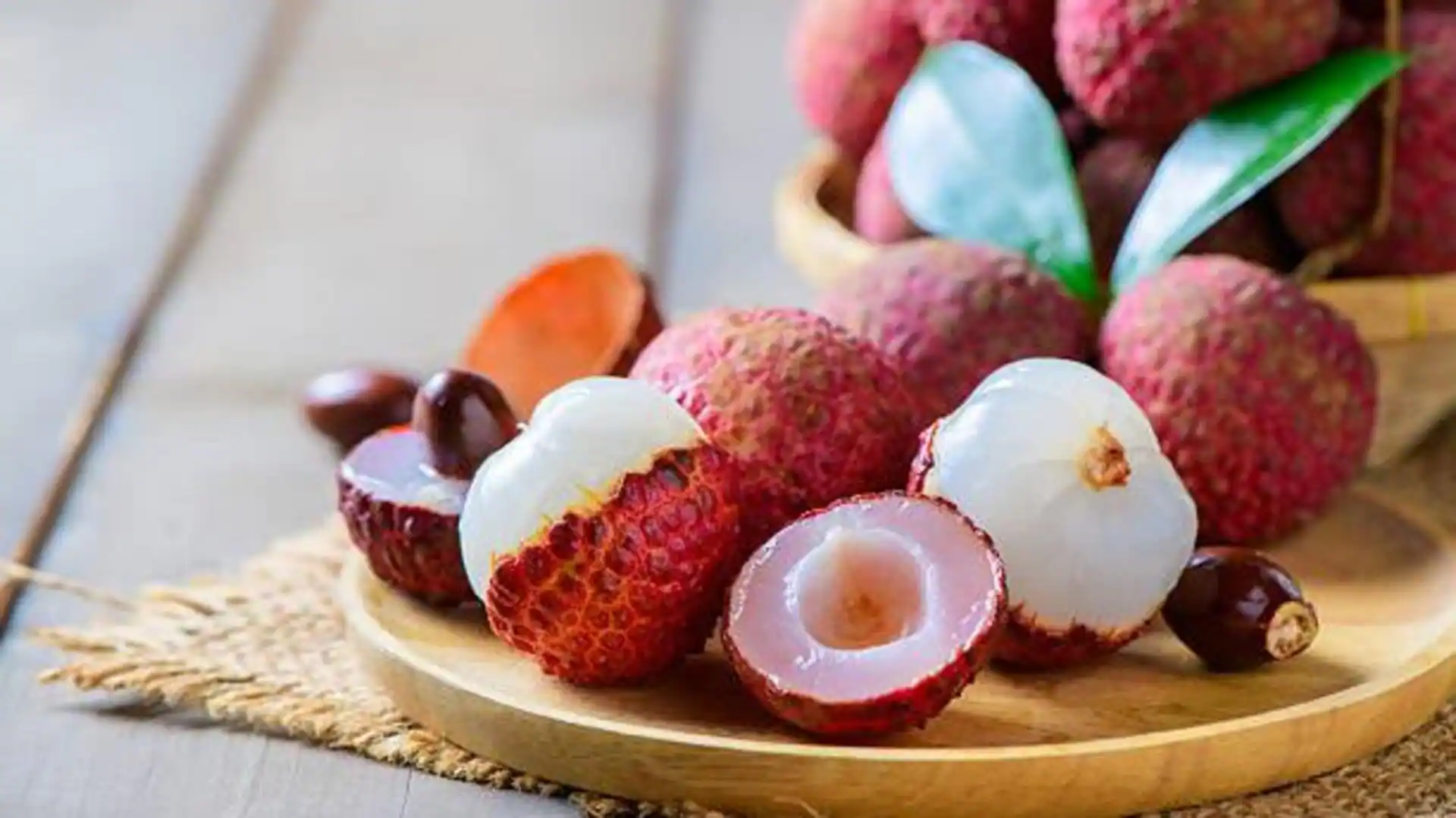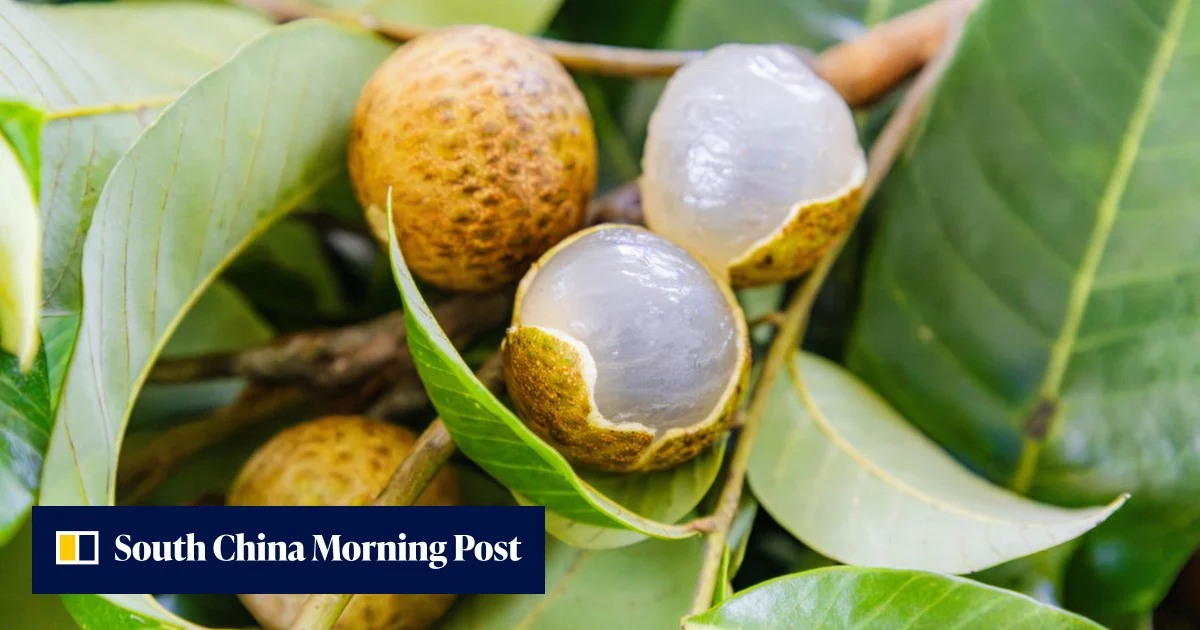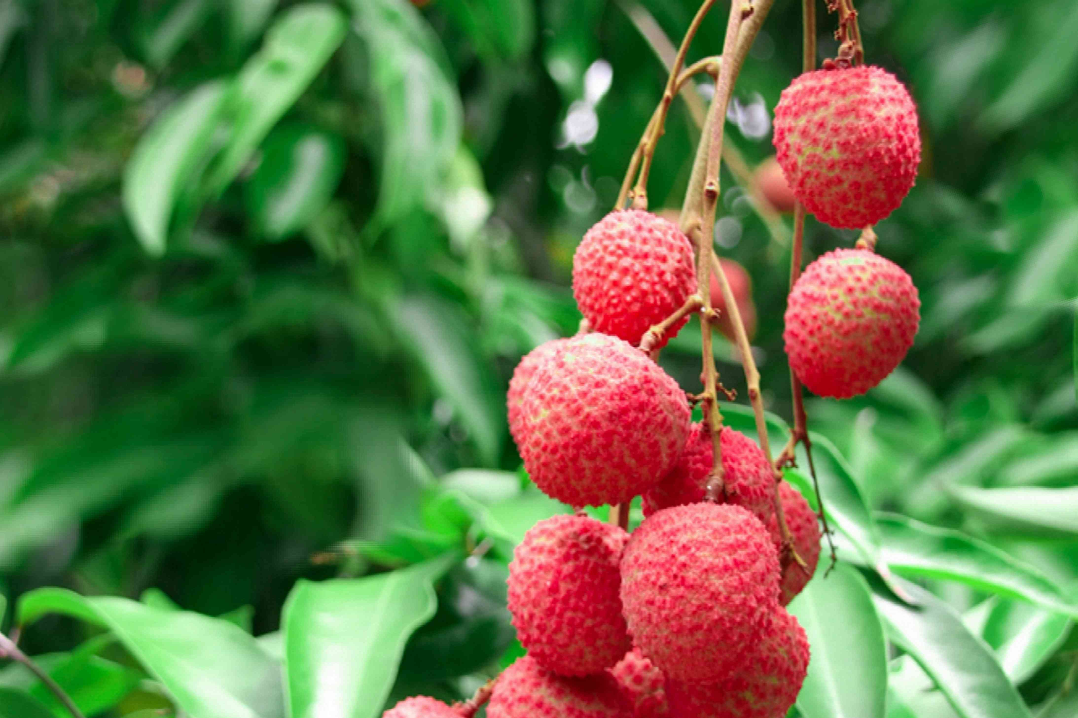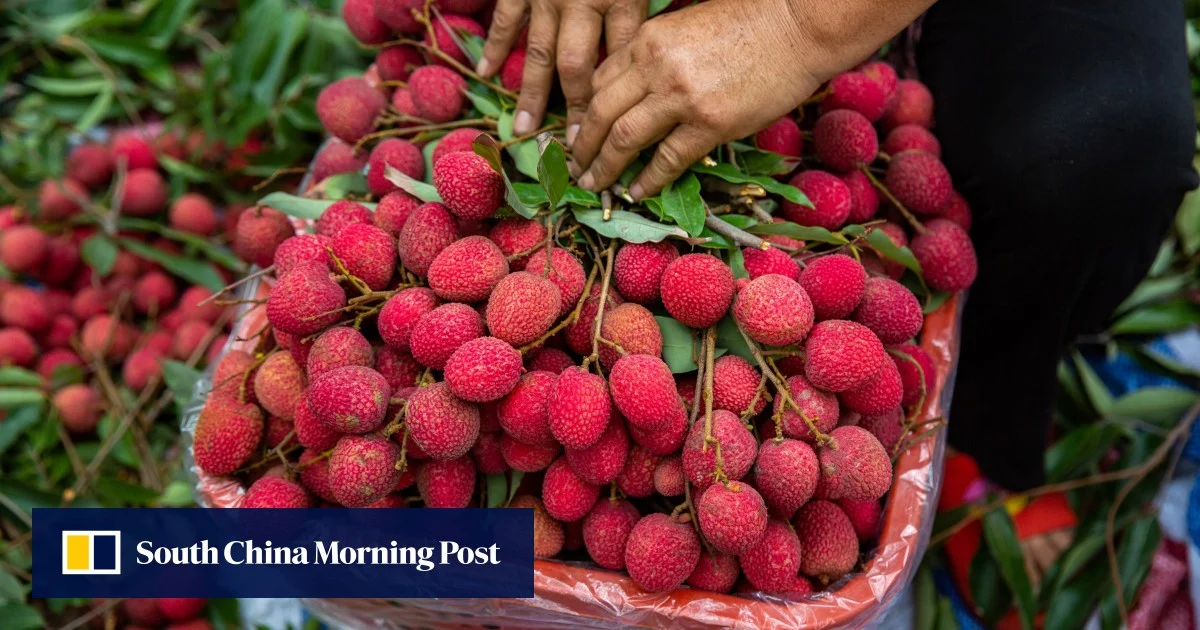
Trees across Hong Kong and mainland China’s south are bursting with fragrant, golf-ball-sized red fruit, which can mean only one thing – lychee season is here.Lychees are much loved in the country. One well-known historical titbit tells of how Yang Guifei (719-756), the favourite concubine of Tang dynasty Emperor Xuanzong, had such a fondness for the fruit that the emperor set up a high-speed horse relay across half of China to deliver them to her at the imperial court in Chang’an while they were still fresh and juicy.In TCM, lychees are classified as “warm” or “heaty” – a concept known as yit hei (“hot air” – also written yeet hay) in Cantonese that describes a build-up of heat in the body.According to Karen Cheung, a registered TCM practitioner at Ayla Executive Medical in Hong Kong, eating too many can disrupt the body’s natural balance, leading to inflammatory symptoms. Excess consumption can trigger sore throats, mouth ulcers, acne breakouts, constipation and eczema flare-ups.TCM practitioner Karen Cheung says eating too many lychees can disrupt the body’s natural balance. Photo: karencheungtcm.comIn moderation, lychees offer distinct benefits. Cinci Leung, a registered TCM practitioner and founder of wellness platform CheckCheckCin, notes that the fruit is excellent for individuals prone to “coldness” (a depletion of the body’s warming energy known as yang), or “paleness” (an inability to generate and circulate blood and vital energy, known as qi). It can also be good for those recovering from illness.
How many lychees are safe to eat in a day? What TCM says about the fruit
Traditional Chinese medicine experts suggest no more than 10 to 15 lychees a day for adults to avoid excessive ‘yit hei’ or body heat.
241 words~1 min read