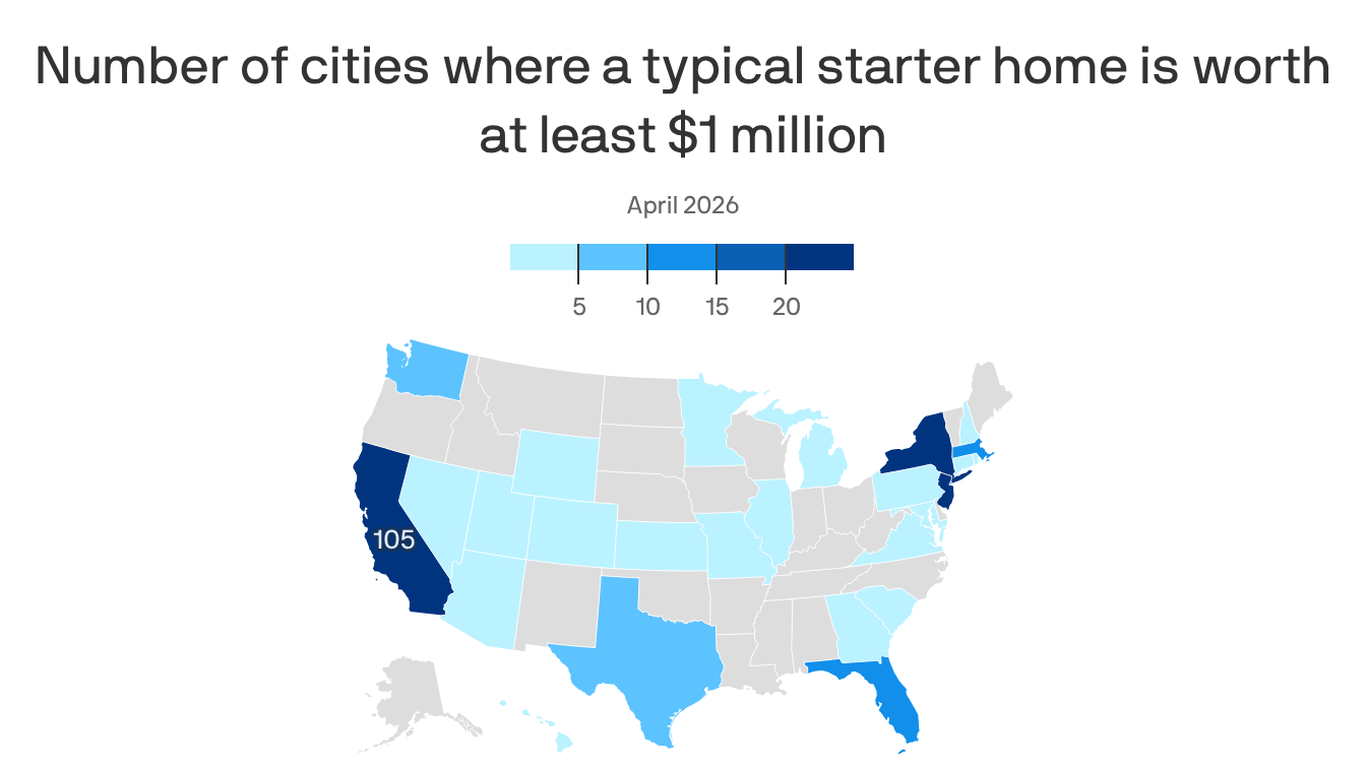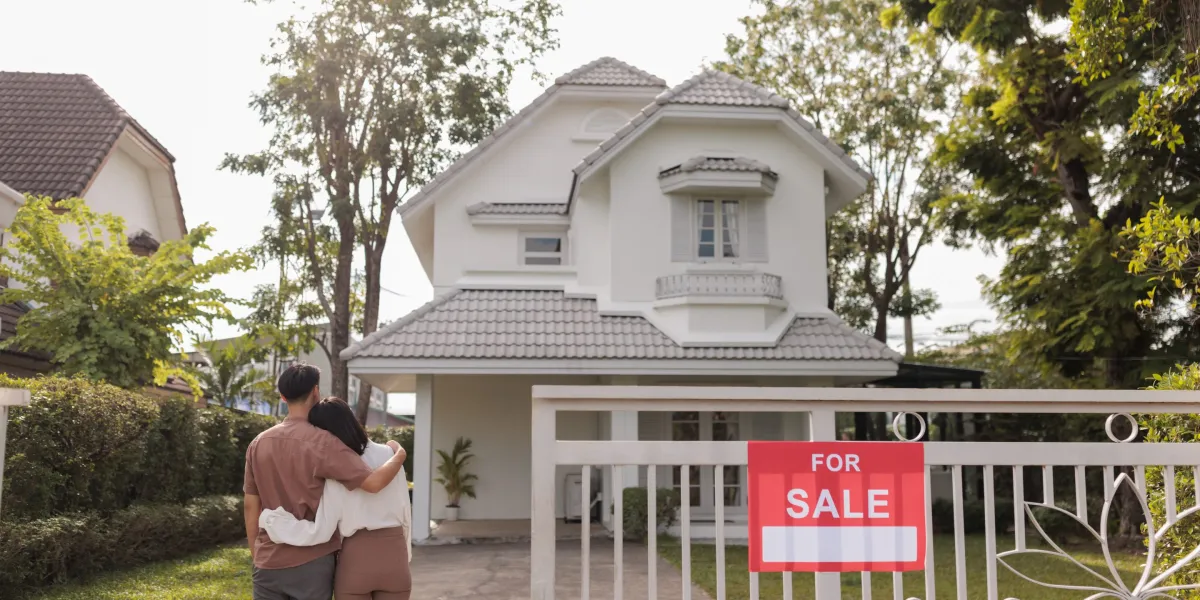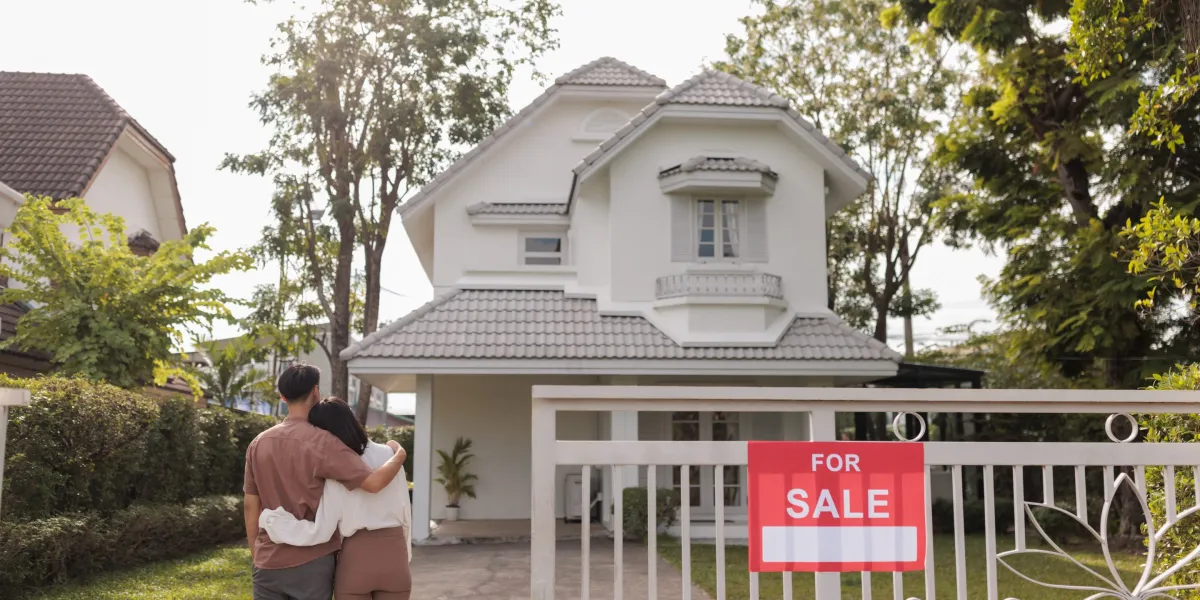
Inflation is practically everywhere — including the housing market. A new report from Zillow said the number of cities where a “typical” starter home is worth $1 million or more is at an all-time high: 242. That figure has tripled since before the pandemic. For what it’s worth, Zillow defines a starter home as “a home in the lowest third of home values in a given region.”Identifying what a starter home is these days is tricky, because the definition is changing — so much that Susan Wachter, a professor of real estate at The Wharton School, won’t offer a definition. Really, entry-level homes are different depending on where someone lives. There’s no unifying square footage. But Wachter said the price first-time buyers pay is outpacing the overall cost of housing.“It’s an outcome of the general economic trends that explain why housing prices have gone up overall,” she said.Land, materials, labor, and appliances have all become more expensive, so builders are building bigger and fancier for better margins.But it’s not just the market that has changed. Buyers have changed, too. Jessica Lautz, deputy chief economist at the National Association of Realtors, said new homeowners used to buy condos.“We are increasingly seeing first-time homebuyers look to the suburbs, look to a single-family home, because the age of them purchasing their first home is 10 years older,” she said.Lautz said people are buying later not only because housing is harder to afford but also because marriage and family formation are happening later. By the time people are ready and able to buy, they want something they can grow into.“A typical first-time buyer is expecting to live in that home for 15 years,” Lautz said.That’s twice as long as the historical average. Additionally, elevated home prices and mortgage rates are making people stay put. That’s the case for Joel Berner, a senior economist at Realtor.com, in Austin, Texas.“We bought a small starter home, and we’re feeling like we’re going to be there longer than intended,” Berner said. “Just the way the market works right now.”He said the market needs more smaller starter homes. But it also just needs more homes, period. “Even for the people who might leave a starter home, they don’t have a lot of options themselves,” Berner said. “So, it’s kind of this backup, this traffic jam.”Berner said according to Realtor.com’s estimate, the U.S. is short about 4 million homes.
When the "starter home" price tag hits $1 million
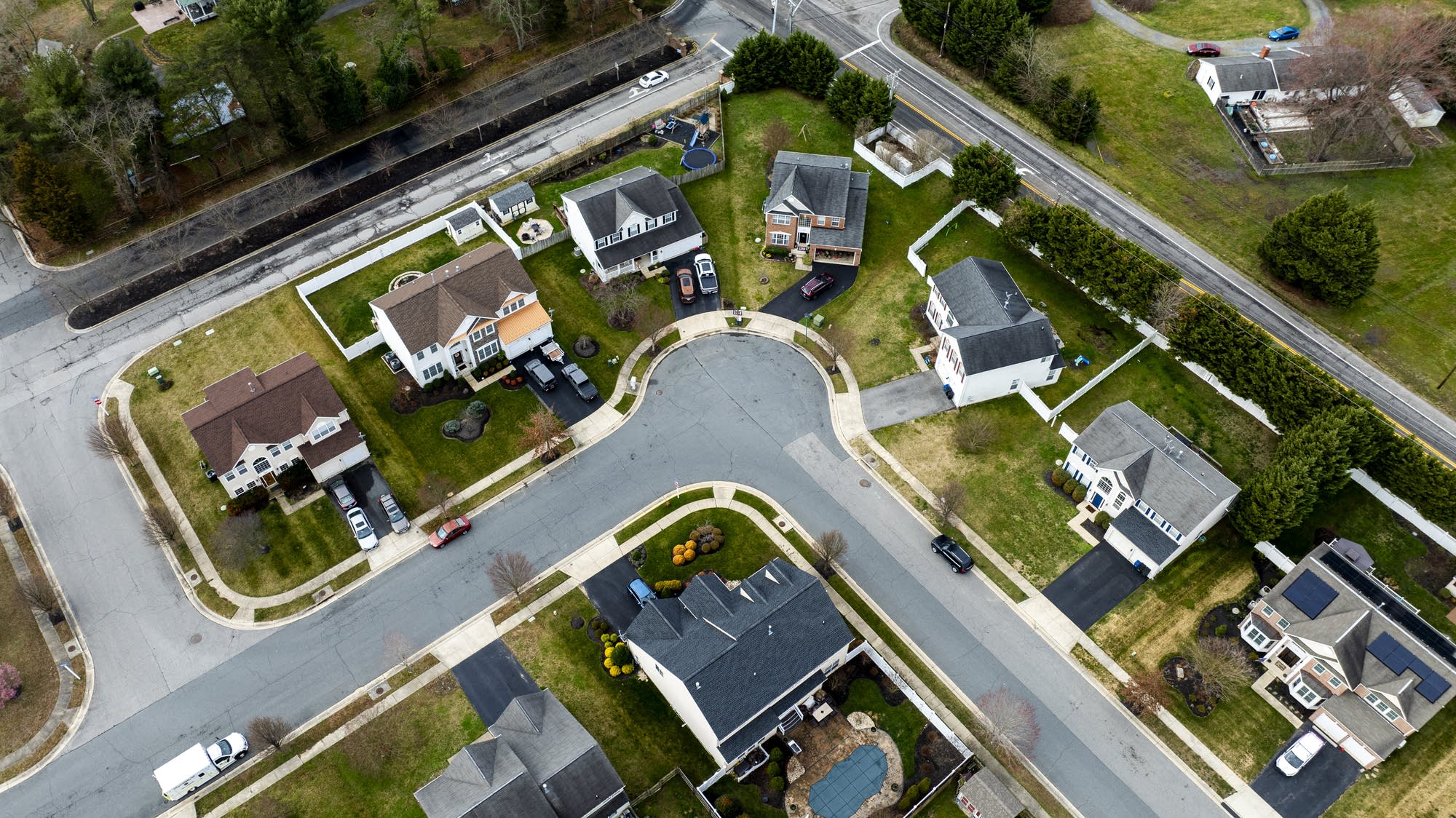
It wasn't that long ago that a typical starter home might have been an urban condo. But now that people are waiting longer to buy a home, they're often looking in the suburbs.
399 words~2 min read