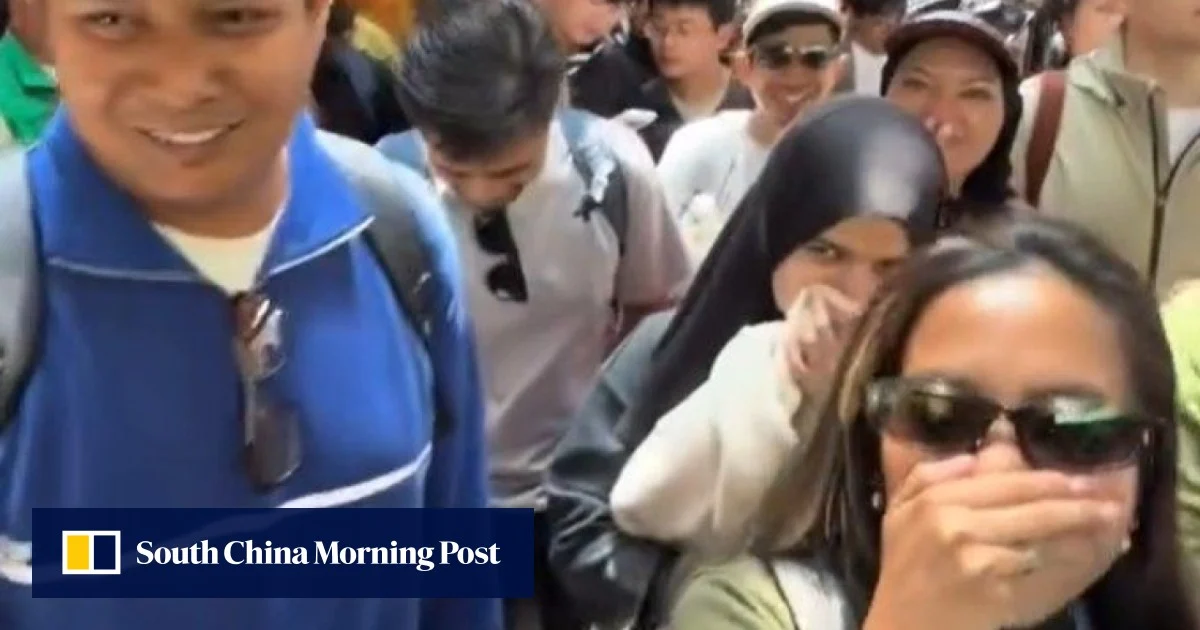
SINGAPORE: In late May, an irate Hong Kong principal might have popped up on your social media feed. While leading a school trip to Singapore, his bus stopped along a busy road to drop students off, obstructing traffic. Security officers instructed him to move the bus. The shouting match that ensued went viral. A few days later, the principal issued a teary video apology and resigned, but the school rejected his resignation and insisted on immediate dismissal.It is clear that the principal never expected this brief confrontation in a foreign country to cost him his entire career and reputation.But today, when every phone is a recording device, reputation has become radically fragile. Every viral video is scrutinised by thousands of netizens, and could potentially cause public humiliation and reputational ruin.
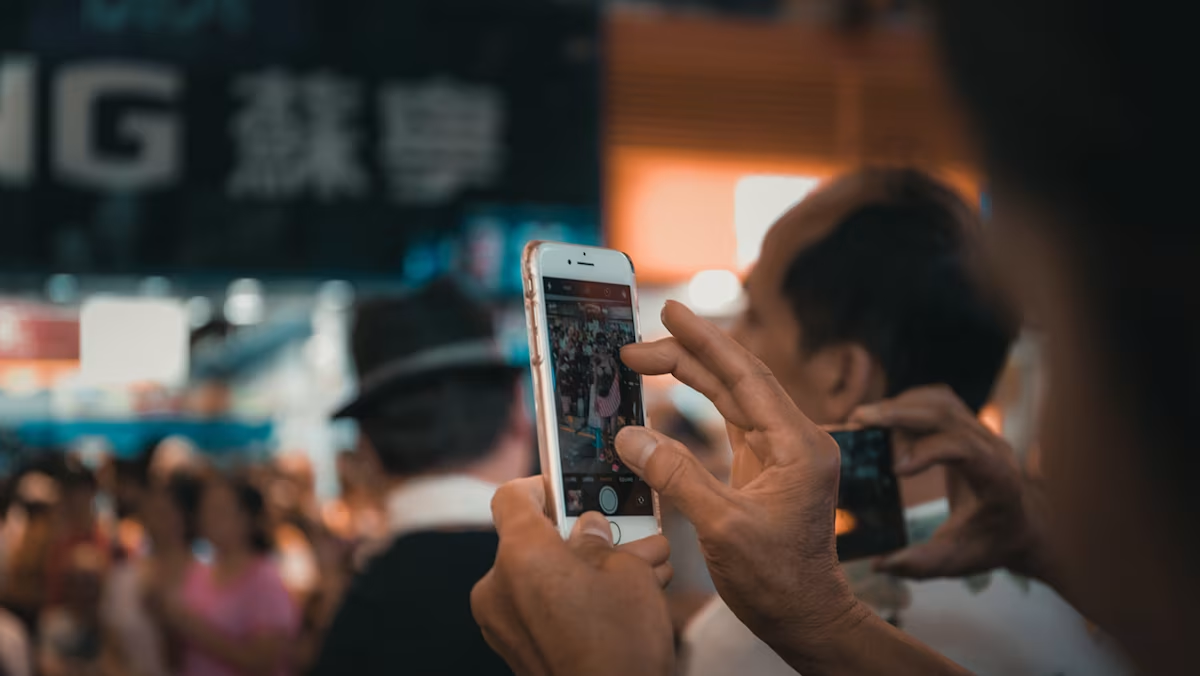
THE COST OF PUBLIC TRANSGRESSIONSThis used to be the burden of fame – when celebrities and public figures are under close scrutiny and every misdeed is magnified. But today, ordinary folks are not spared. Surveillance comes not from tabloid reporters hiding in the bushes, but from people around us armed with mobile phones and a brimming sense of injustice. When ordinary people hunt spectacle, every public space is fair game. A dispute between a commuter and bus captain, a passenger berating airline crew, a tourist mistreating wildlife – we film everything. Once captured on video and reposted enough, the most ordinary person can instantly become a public figure, and the lines of privacy are completely redrawn.Internet sleuths analyse footage frame by frame, and identify workplaces and family members. Clips are sometimes stripped of nuance and context, remixed or memeified for entertainment.