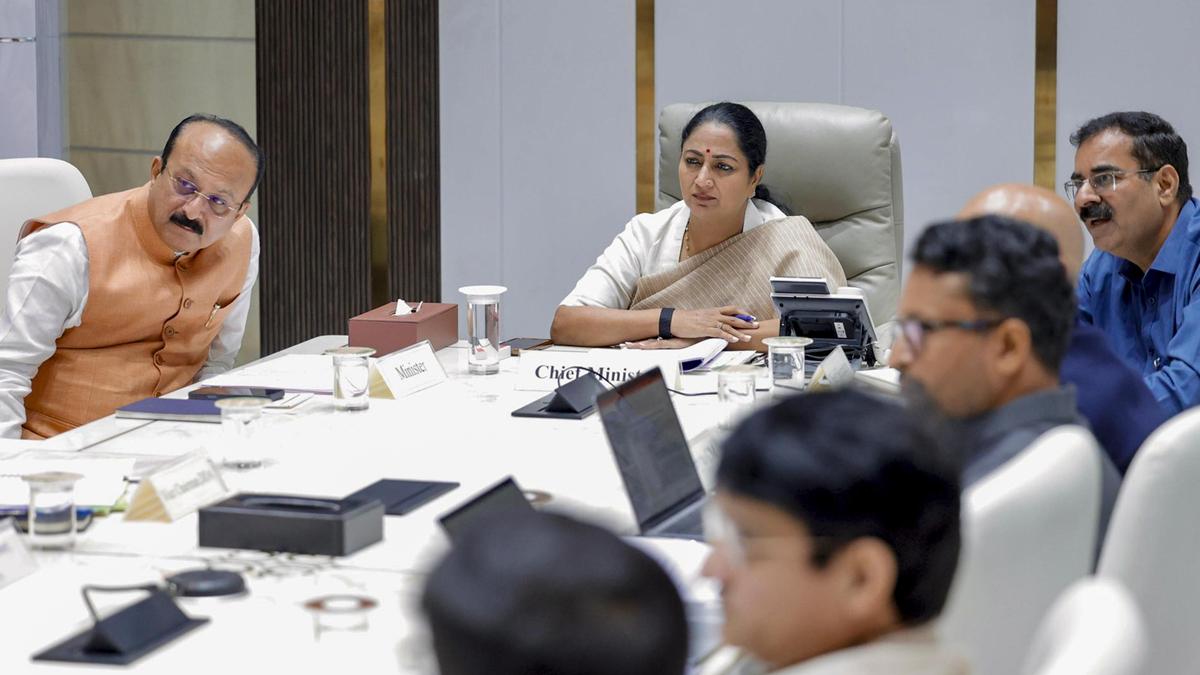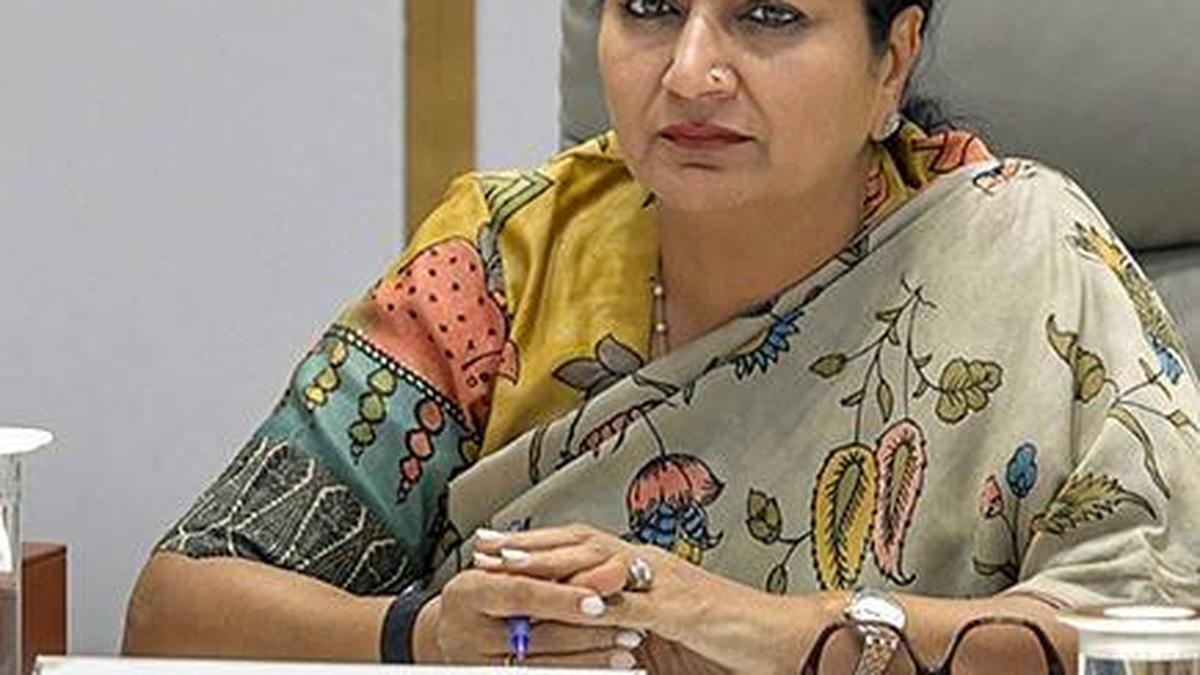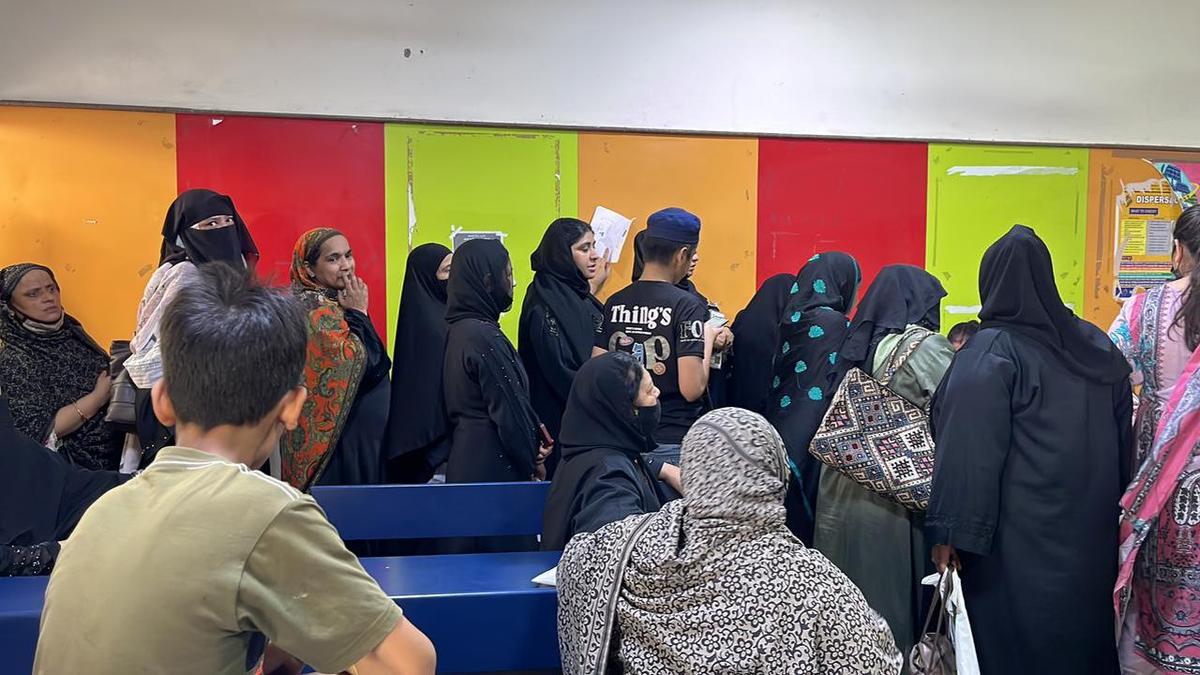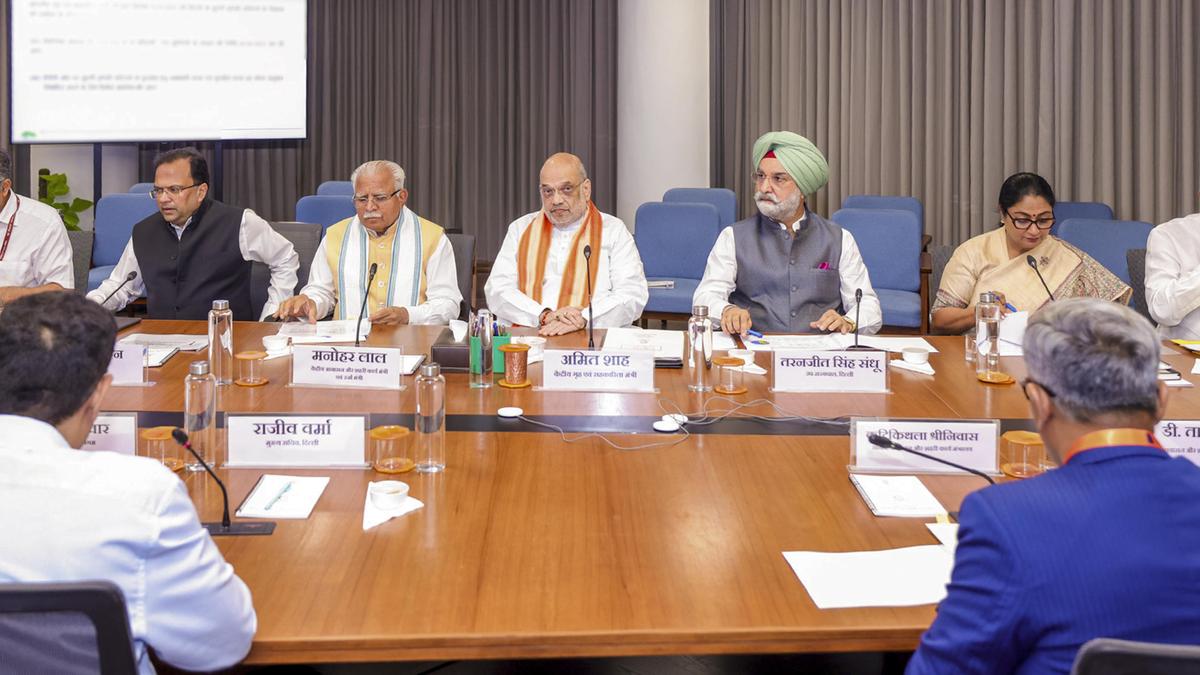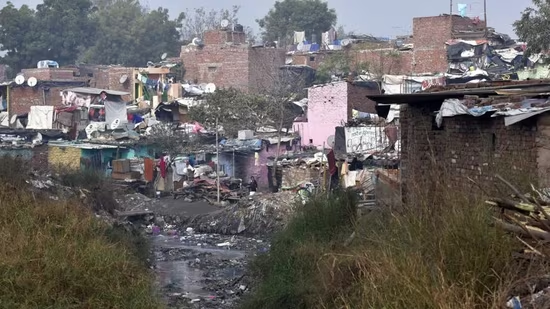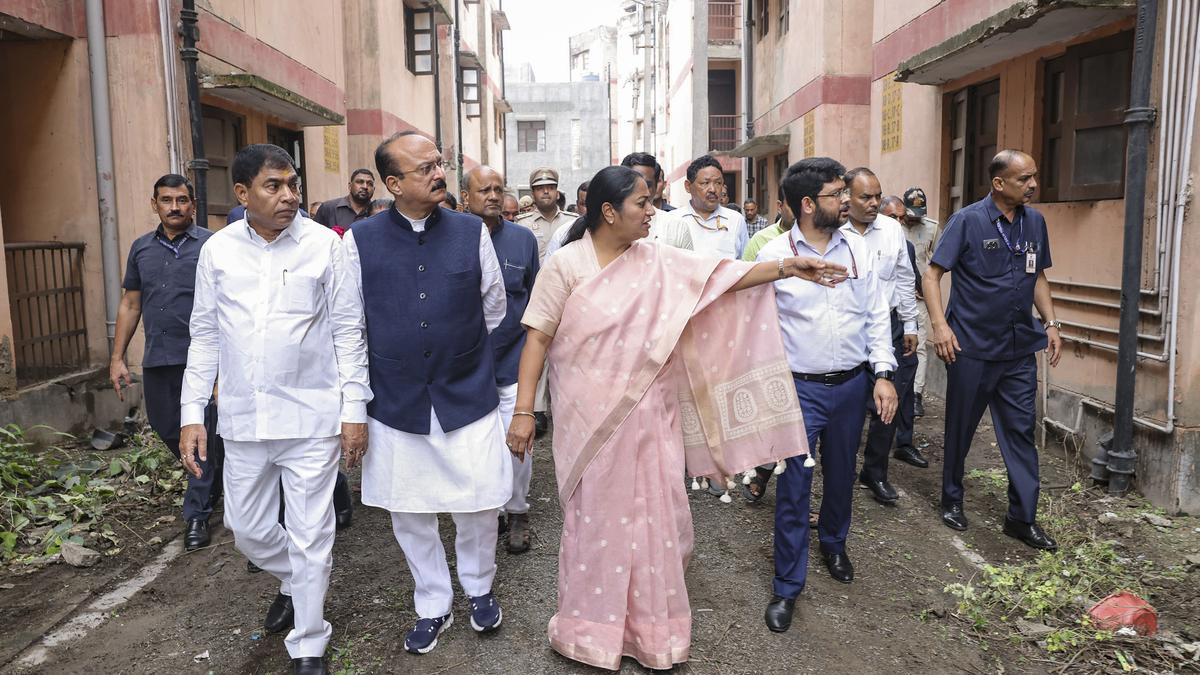
The Capital’s new slum rehabilitation policy will pave the way for permanent housing for nearly two million residents living in informal settlements, chief minister Rekha Gupta said on Tuesday, a week after the policy was approved at a meeting chaired by Union home minister Amit Shah.The announcement came after the 36th board meeting of the Delhi Urban Shelter Improvement Board (DUSIB), chaired by the chief minister. (PTI)The “Delhi Slum and JJ Cluster Rehabilitation and Relocation Policy, 2026” extends the eligibility cut-off date for rehabilitation by a decade – from January 1, 2015, to January 1, 2025 – significantly expanding the pool of beneficiaries. According to Gupta, the revised policy is expected to benefit around 400,000 to 500,000 families living in Delhi’s slums.The announcement came after the 36th board meeting of the Delhi Urban Shelter Improvement Board (DUSIB), chaired by the chief minister. Officials said 2015 had until now served as the base year for determining eligibility under rehabilitation schemes.Gupta said the government plans to begin implementation in a phased manner, with families living in JJ clusters in Mayur Vihar, Seelampur, Pitampura, Sultanpuri and Lajpat Nagar among the first to be rehabilitated. Delhi currently has 675 recognised JJ clusters, according to DUSIB.“For many years, a large number of families remained outside the ambit of rehabilitation because of the earlier cut-off date. With this revision, a much larger section of residents will now be eligible for permanent housing,” Gupta said.She added that the government’s focus would extend beyond housing. Rehabilitation colonies will be equipped with social and civic infrastructure, including anganwadi centres, schools, health facilities, playgrounds and other essential services.The policy also seeks to address changing family structures. Gupta said a provision is being considered to include members of the same family living in separate units on different floors of a slum structure within the rehabilitation framework, subject to payment of prescribed additional charges.The government plans to implement the rehabilitation programme in mission mode through a public-private partnership (PPP) model to accelerate delivery of housing and related infrastructure.“This is not merely a housing scheme. It is an effort to ensure a safe, dignified and better quality of life for lakhs of families,” Gupta said.Sunil Kumar Aledia, national convener of the National Forum for Homeless Housing Rights, said the extension of the cut-off date was a positive step, but stressed that the real challenge would be ensuring that eligible beneficiaries are actually able to access the scheme’s benefits.
New slum rehab policy ‘to benefit 2mn people’
Delhi's new slum rehabilitation policy aims to provide permanent housing for nearly 2 million residents, expanding eligibility to 2025 and enhancing infrastructure. | Latest News Delhi
405 words~2 min read