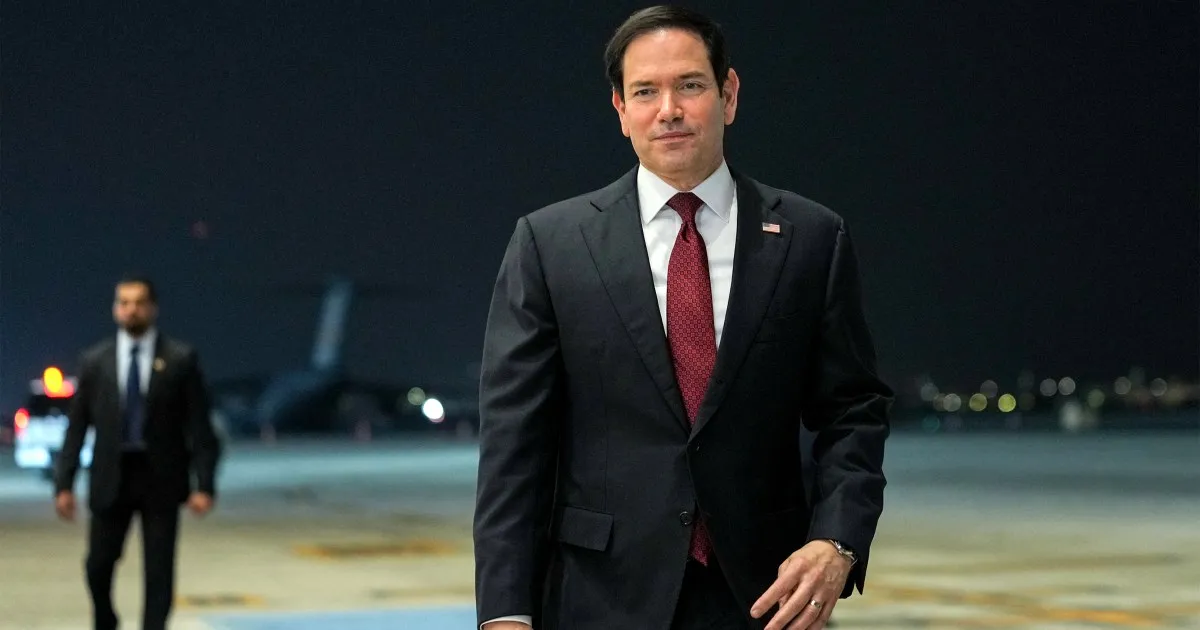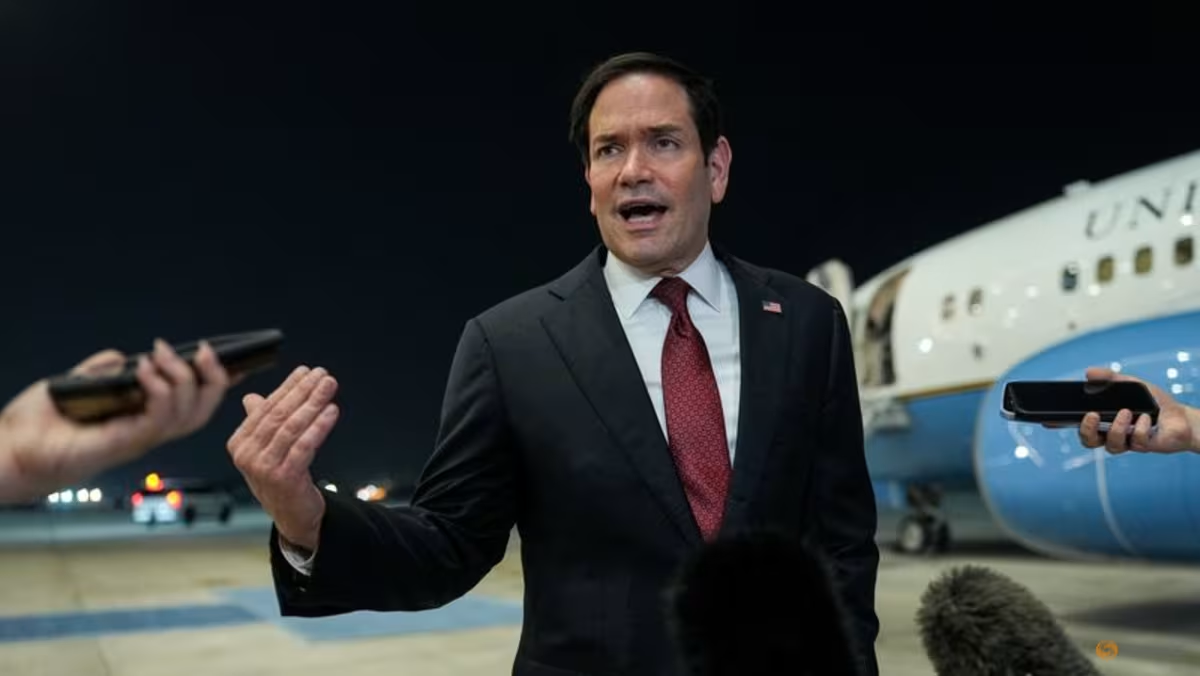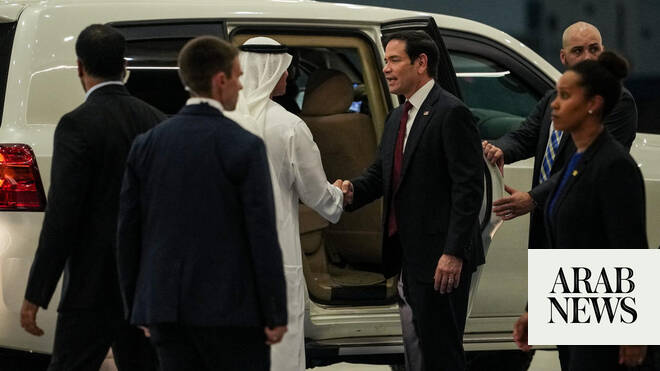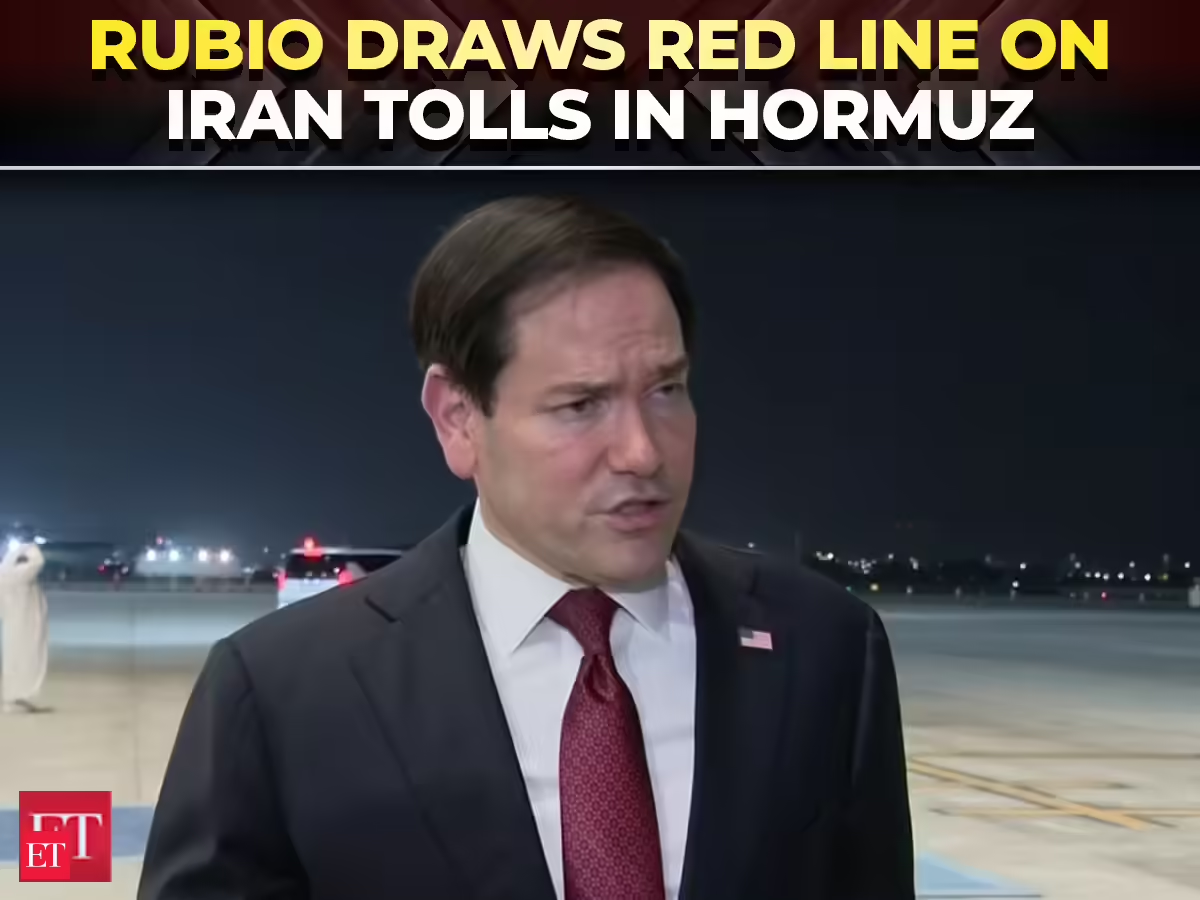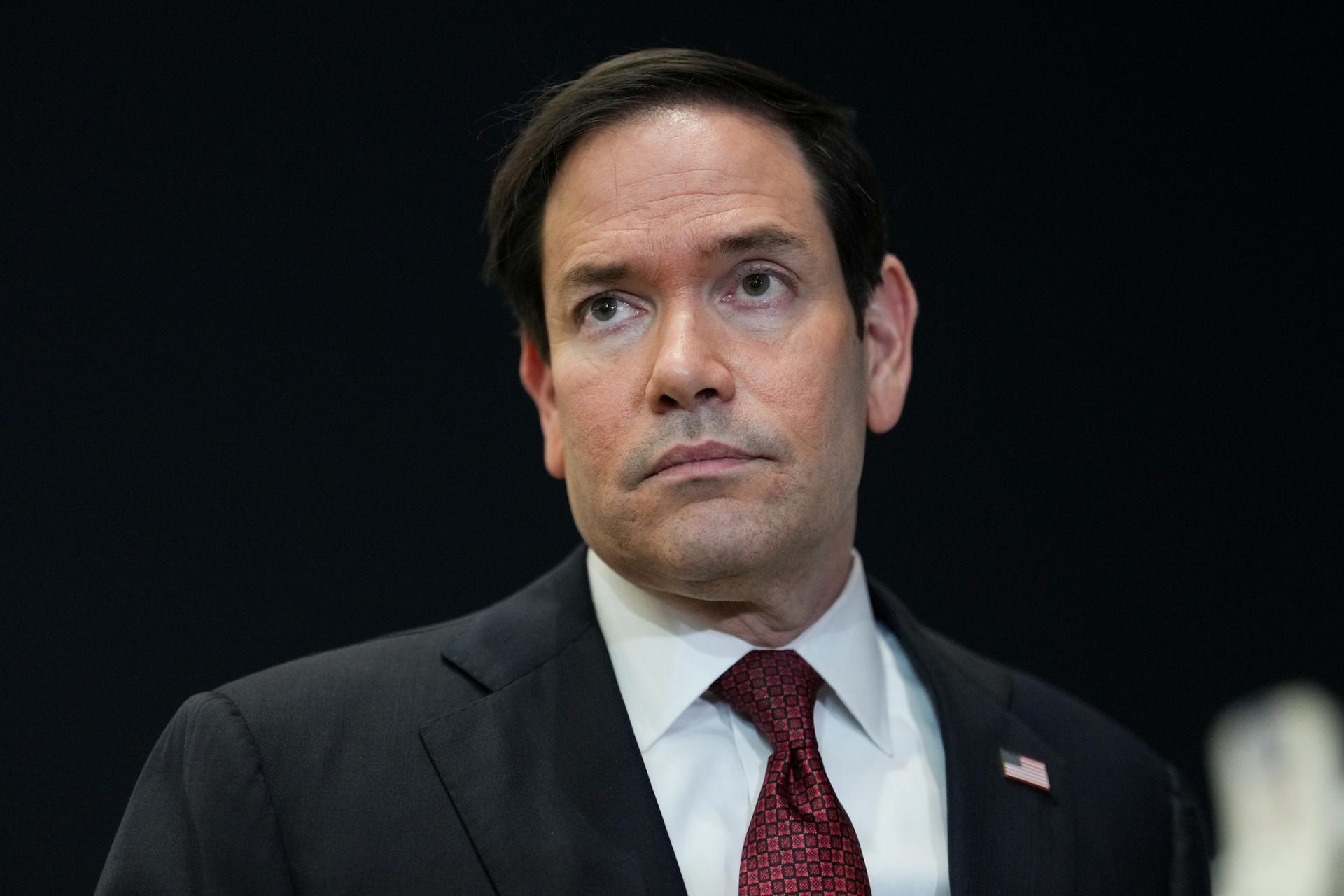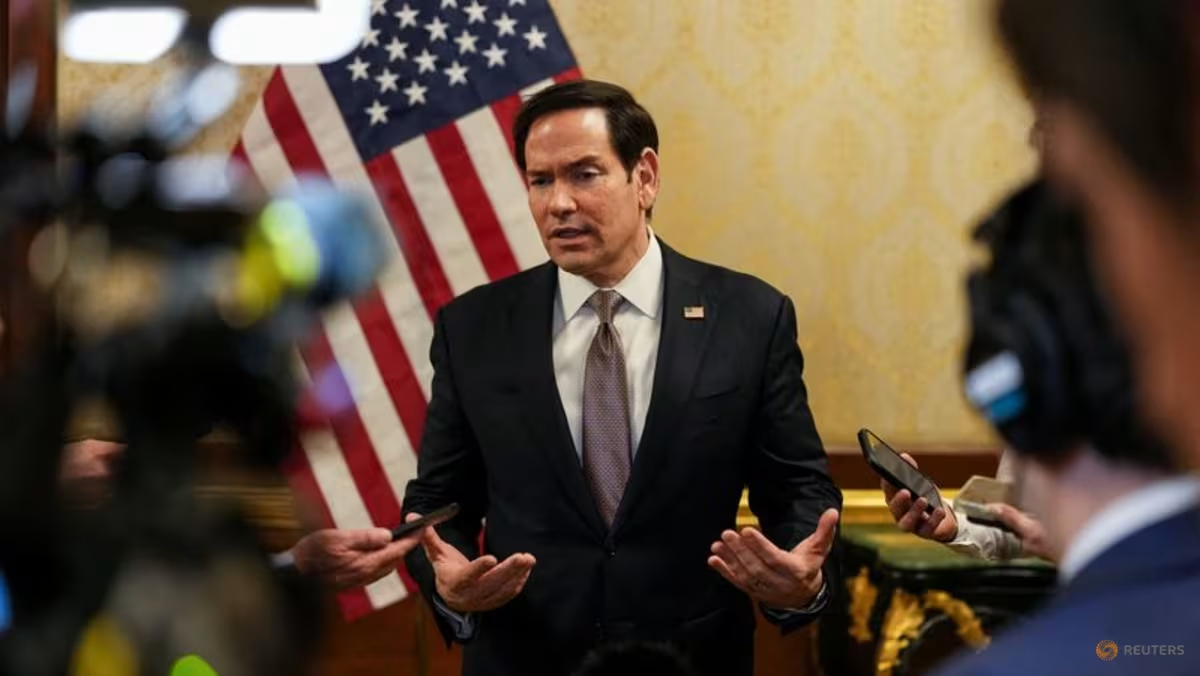
Secretary of State Marco Rubio said Tuesday that Iran would never be able to charge tolls through the Strait of Hormuz, arguing it was forbidden under international law.When asked by a reporter whether the United States would be able to secure the freedom of navigation through the Strait of Hormuz, Rubio responded forcefully in the affirmative.“Well, that’s the law,” he said. “It’s an international waterway. No country is allowed to charge tolls or fees on an international waterway. That’s existing international law.
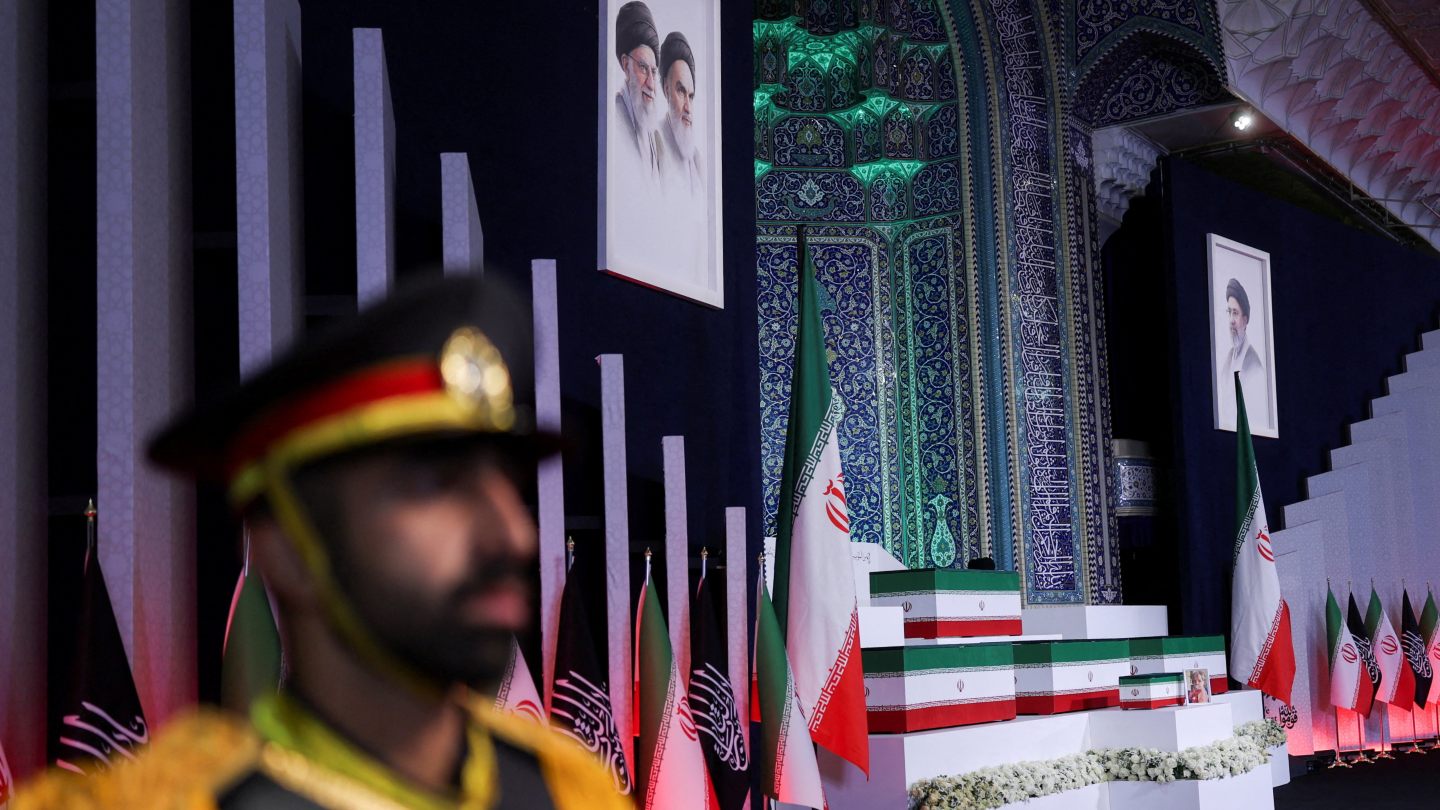
“So I don’t think we have anybody to convince around here in that regard. I think all countries in this region will agree with us.”His comments came a day after Iranian Parliament Speaker Mohammad Bagher Ghalibaf and Foreign Minister Abbas Araghchi traveled to Muscat, Oman, to discuss “arrangements for managing the Strait of Hormuz” with the Omani sultan.The meeting was called for in the fifth clause clause in the U.S.-Iran memorandum of understanding, outlining, “The Islamic Republic of Iran will conduct dialogue with the Sultanate of Oman, to define the future administration and maritime services in the Strait of Hormuz, in discussions with other Persian Gulf Littoral States, in line with applicable international law and the sovereign rights of coastal states of the Strait of Hormuz.”The clause outlines the administration and maritime services and says the collection of tolls will be forbidden for “60 days only.” The wording has led to the interpretation that Iran will be able to impose tolls after this period, presumably using the joint Iran-Oman maritime service.While Tehran appears to believe that tolls will be imposed after the 60 days end, the U.S. has no such plans. President Donald Trump, his administration, and the Gulf States have all said such a move would be unacceptable.“There will be NO TOLLS in the Hormuz Strait for 60 days during the Cease Fire Period,” President Donald Trump wrote in a Saturday post on Truth Social, “and there will be NO TOLLS after the 60 day period has expired, unless they are imposed by and for the United States of America, should the deal not be completed, for services rendered as the Guardian Angel to the countries of the Middle East for purposes of both past, present, and future reimbursement of costs.”Vice President JD Vance, who is taking part in negotiations with Switzerland, has echoed this sentiment.TOP IRANIAN OFFICIALS LAND IN OMAN TO DISCUSS MANAGING STRAIT OF HORMUZSaudi Foreign Minister Prince Faisal bin Farhan al Saud said in a recent talk that Saudi Arabia and the Gulf States would only accept a prewar status quo regarding the Strait of Hormuz.“The management of the strait was working fine before the conflict. There were no issues. Ships were navigating freely. There was no safety issue. There was no environmental issue. There were no issues,” he said, adding that the Iranian position “doesn’t make sense.”