For a short month, February’s final week packed in events guaranteed to last us a lifetime. It wasn’t just the United States and Israel going to war with Iran; hidden behind the fury unfolding across the Middle East was a meaningful week for AI, with effects that will be felt by all of humanity. Consider a sampling:
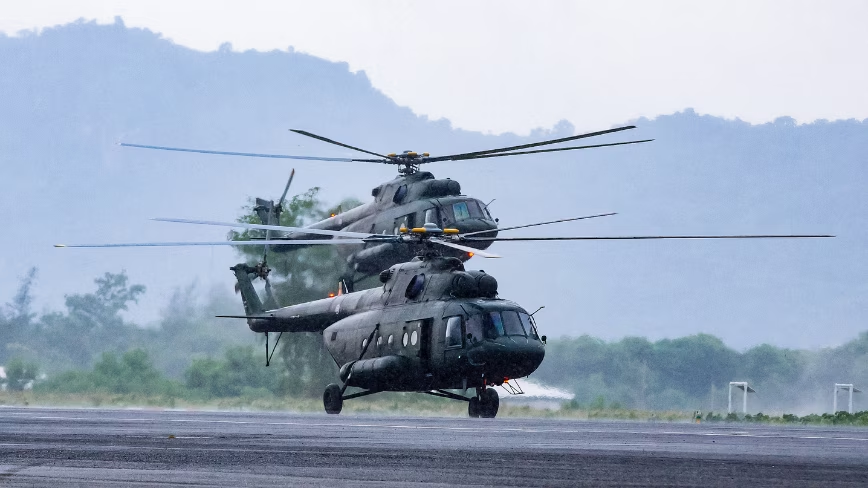
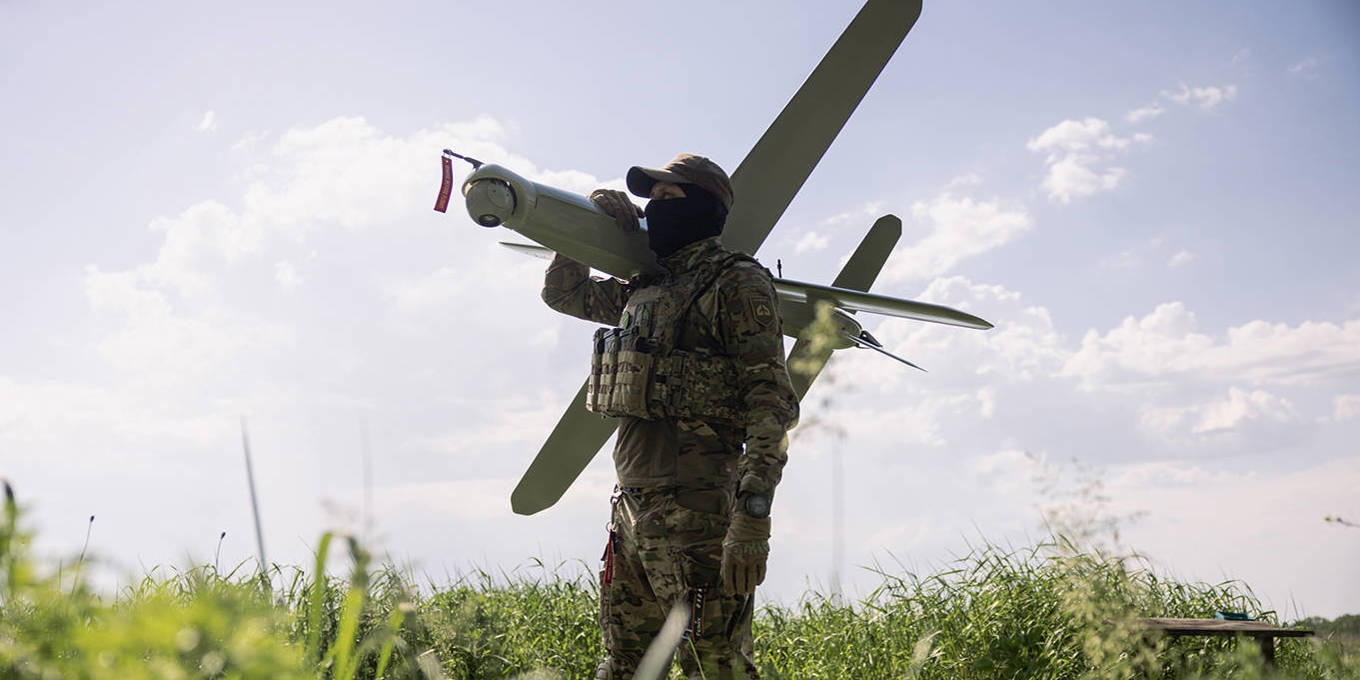
Besides the usual warfighting inventory—cruise missiles, warships, B-2 stealth bombers, high mobility artillery rocket systems, drones—U.S. Central Command reportedly deployed Claude in the Iran operations for intelligence assessments, target identification, and battle simulations. AI’s use offers clues for how the U.S.-Israeli forces pulled off a stunningly swift decapitation of Iran’s leadership, even though it offered no guarantee of strike accuracy. A collateral hit on Shajarah Tayyebeh girls’ elementary school in southern Iran killed 175 people, most of them likely children, according to Iranian authorities.
Meanwhile, Anthropic, the maker of Claude, was expelled by the Pentagon for refusing to allow its models to be used to power autonomous weapons and mass surveillance. It was replaced by its rival, OpenAI, which promises guardrails but offers no evidence they exist.