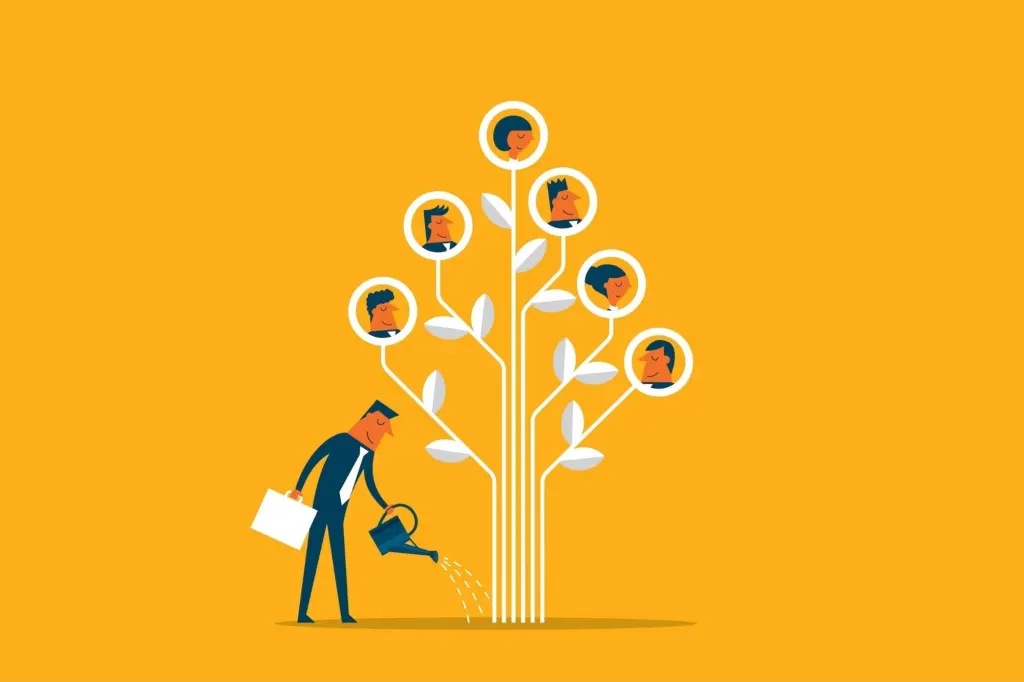
A good seed planted in bad soil does not produce a poor harvest. It produces no harvest at all. Culture is the soil. Everything else is the seed.
The most expensive talent decisions most organisations make are not their hires; they are the cultural conditions that make those hires unsustainable. Headhunting top performers from competitor organisations is a popular strategy, but it is also an incomplete one. Performance is not a fixed trait; it is a relationship between a person and an environment. Move the person without changing the environment, and the problem is not solved, only relocated.
Evidence consistently shows the scale of the issue. Studies indicate that 71 percent of Nigerian employees resign within their first 12 months (Jeremiah, 2022), while 39 percent of global departures are driven by engagement and culture failures (Ogugua Belonwu, 2026). At the same time, organisations with strong engagement cultures record up to 23 percent higher profitability (Ryan, 2025), underscoring that culture is not a soft issue, but a performance driver.
Read also: Why Nigeria’s graduates struggle to bridge the workplace gap
Yet, despite the data, many organisations continue to struggle with preventable cultural defects that quietly erode talent and productivity.