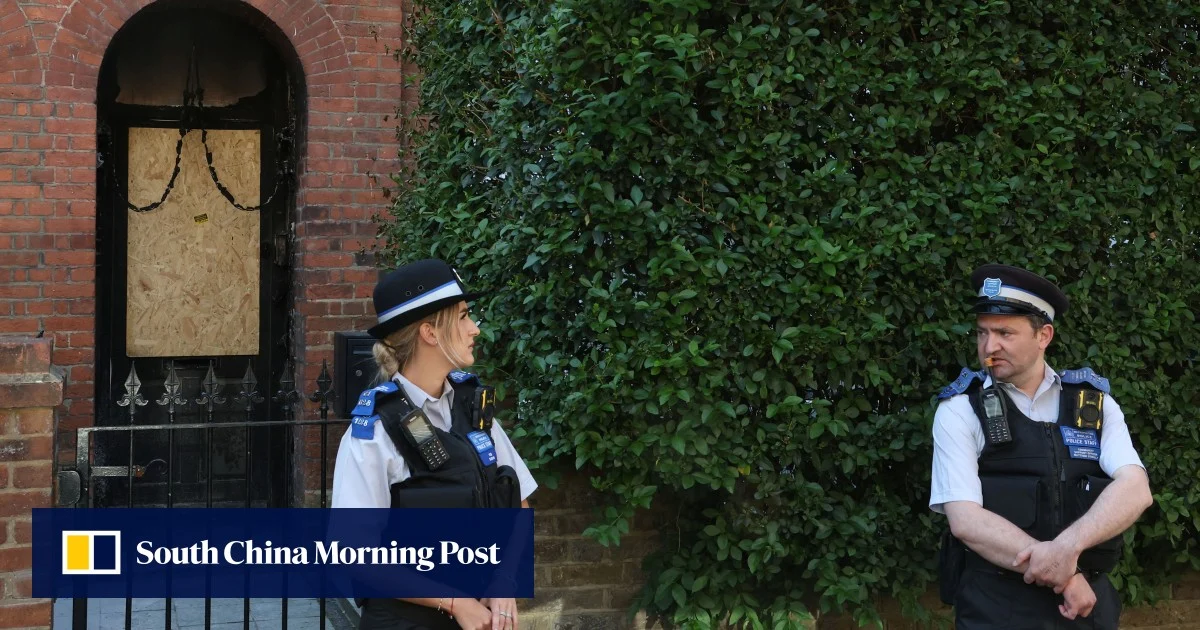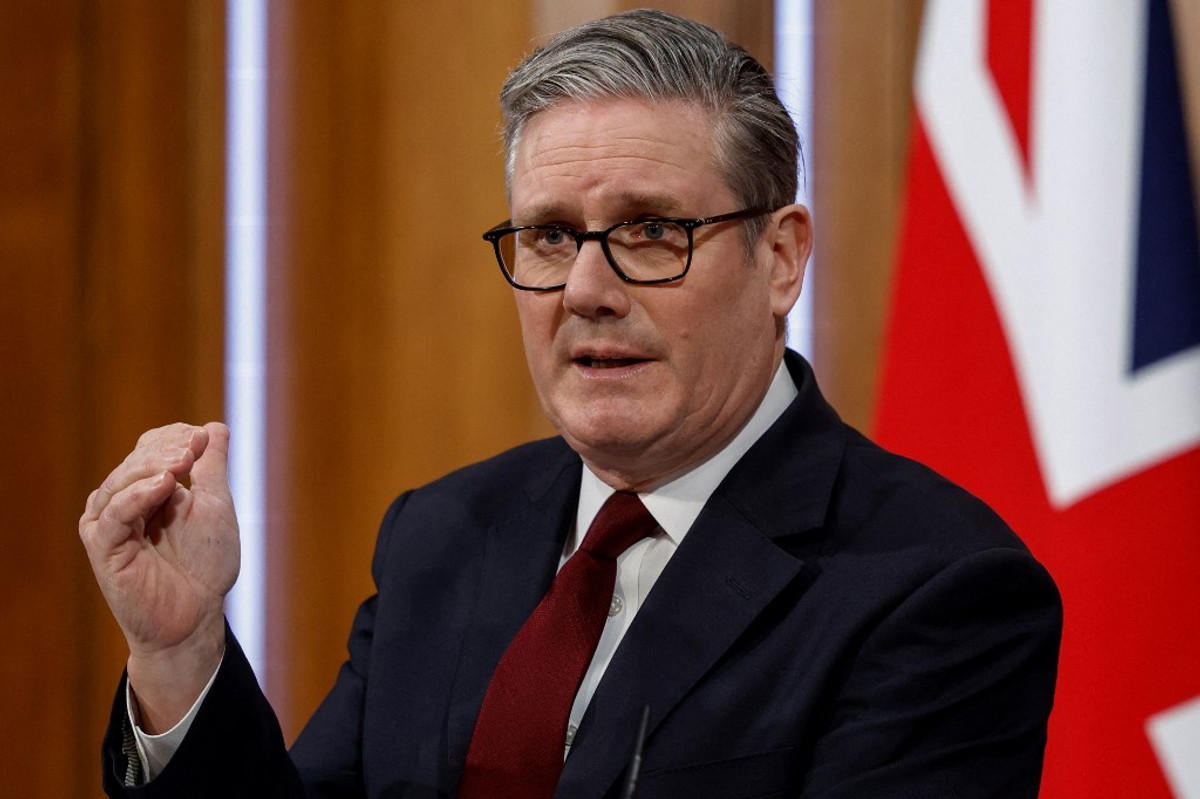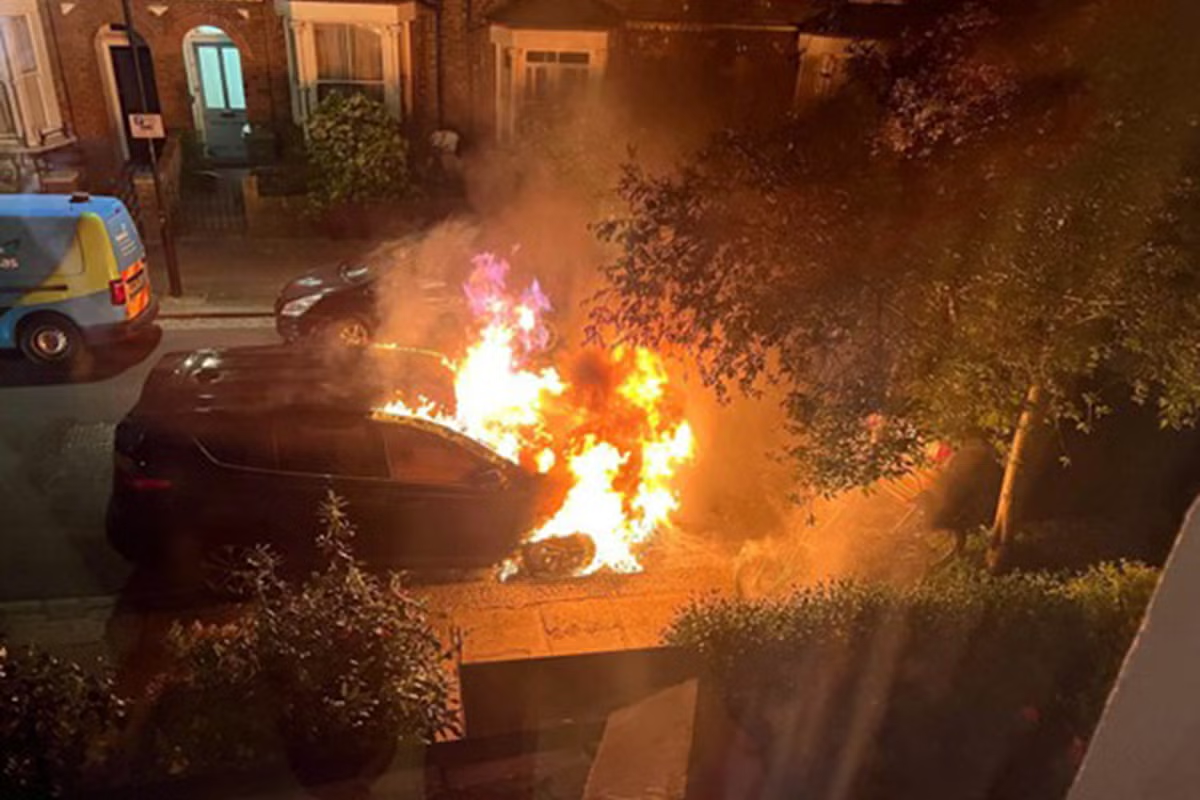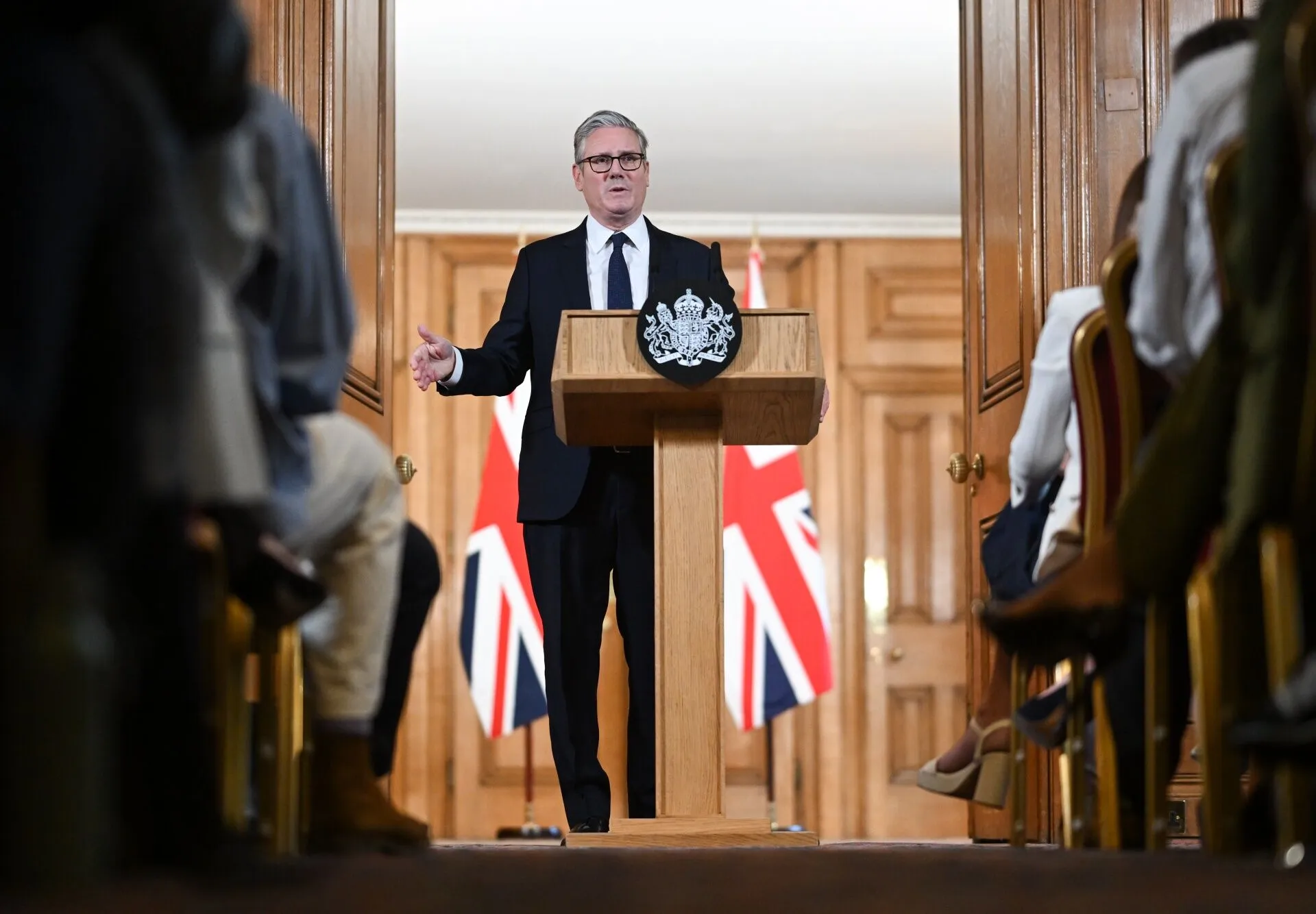
In May 2025, fires broke out at two properties linked to British Prime Minister Keir Starmer. Investigators later determined that the man who perpetrated these attacks, 22-year-old Ukrainian citizen Roman Lavrynovych, had been recruited and paid over messaging app Telegram by a Russian handler he never met. This month, the Financial Times reported that while Lavrynovych was convicted, the organizer remains in Russia and is linked to a pro-Kremlin group that the US has called a “state-sanctioned project.”
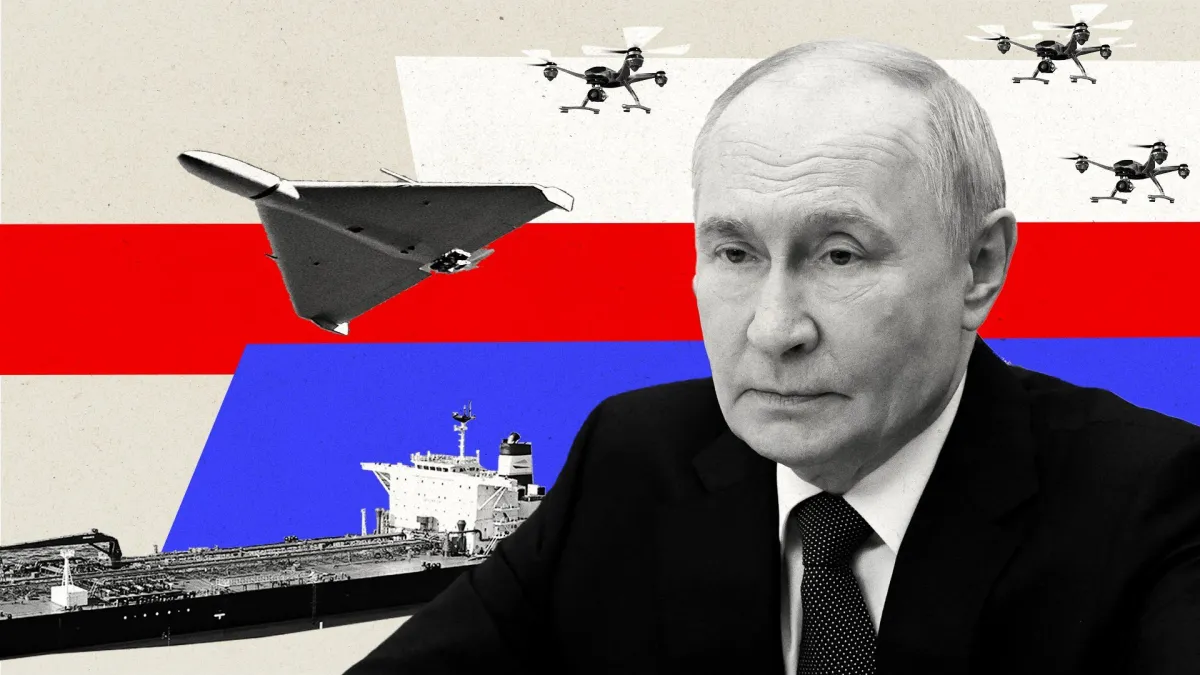
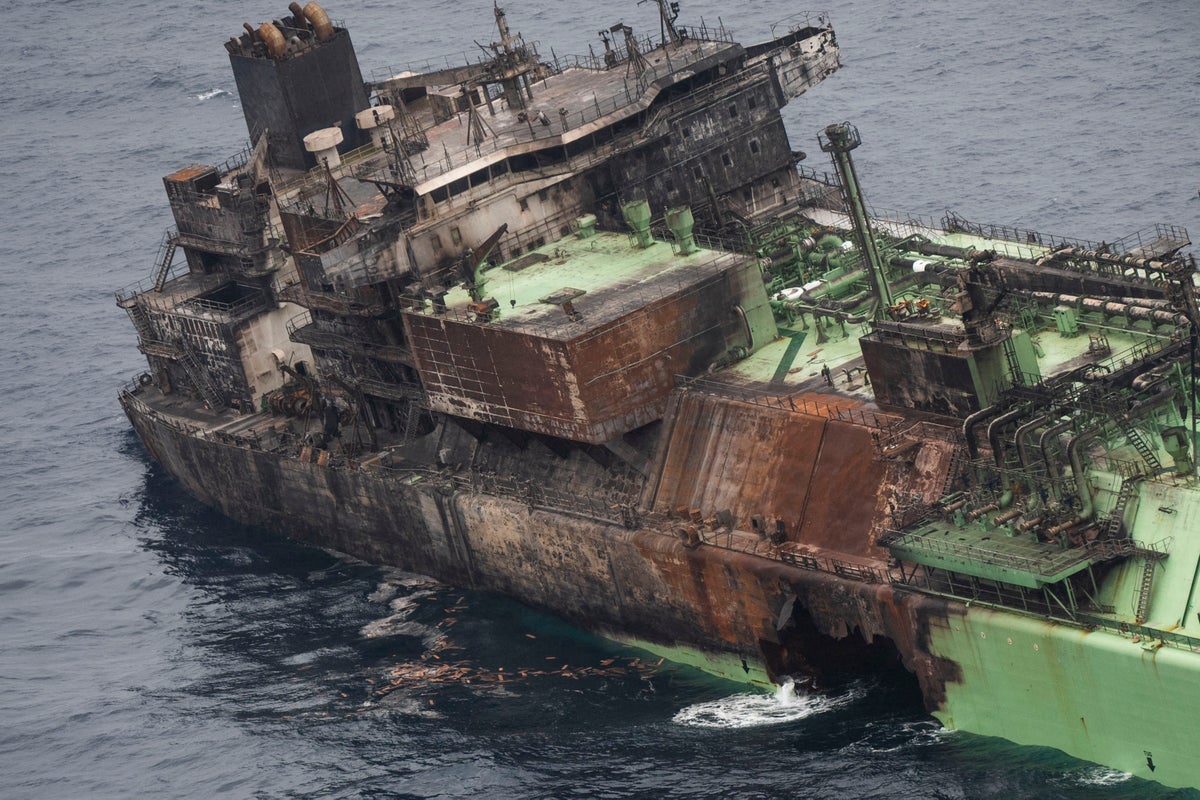
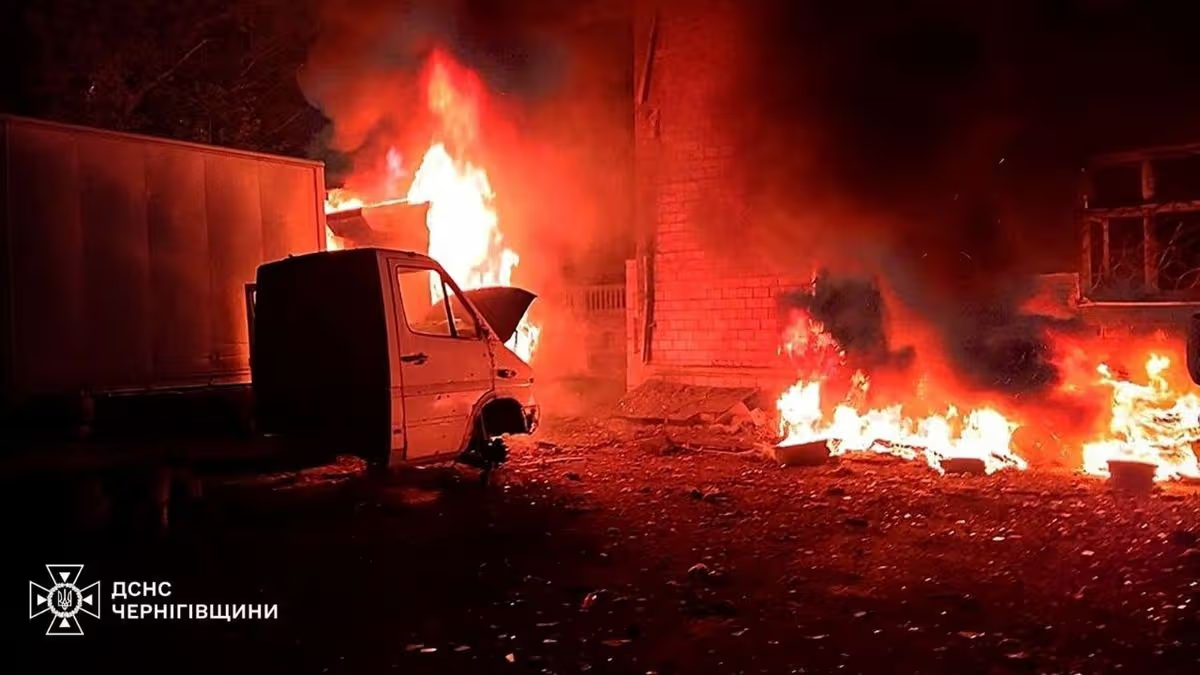
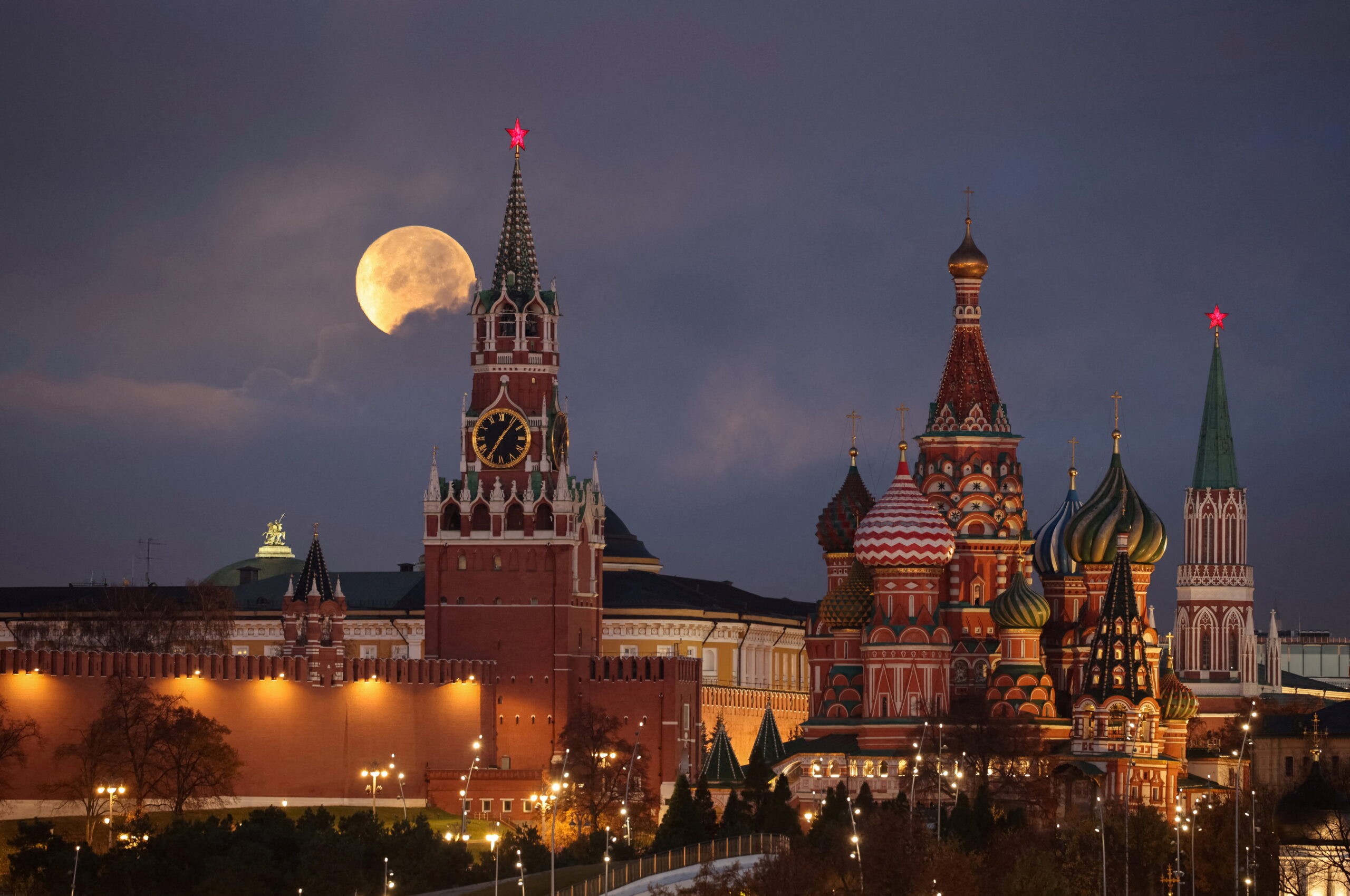
The arson attacks targeting the UK PM are just one recent example of Russia’s hybrid warfare that is currently underway across the West. This escalating shadow war being waged by the Kremlin includes attacks on undersea cables, sabotage operations, drone incursions, election interference, weaponized migration, and disinformation campaigns supercharged by artificial intelligence.
For years, Russia has used these tactics to divide Western societies and deter support for Ukraine, while remaining below the threshold that would trigger NATO collective security obligations and potentially warrant a military response. Western intelligence agencies are now sounding the alarm. In May, British spy chief Anne Keast-Butler warned that the UK and its allies occupy “a space between peace and war.” She accused Russia of “scaling up its daily hybrid activity against the UK and Europe, stretching from the seabed to cyberspace.”