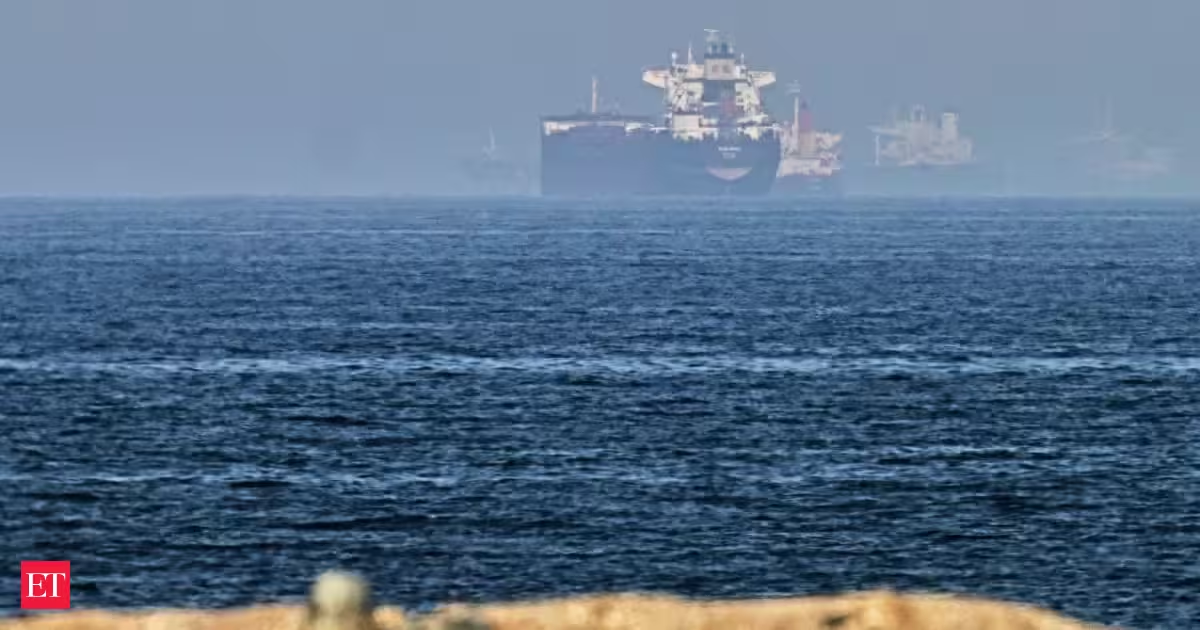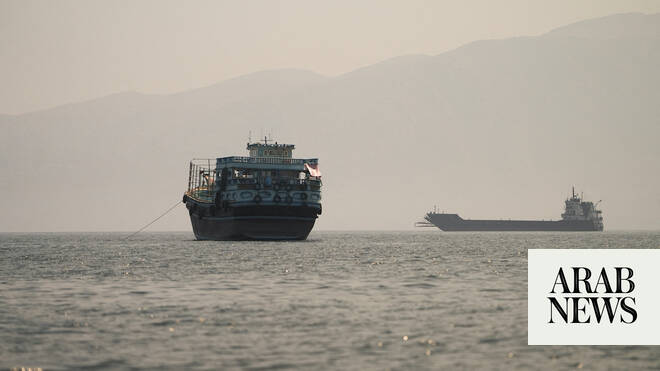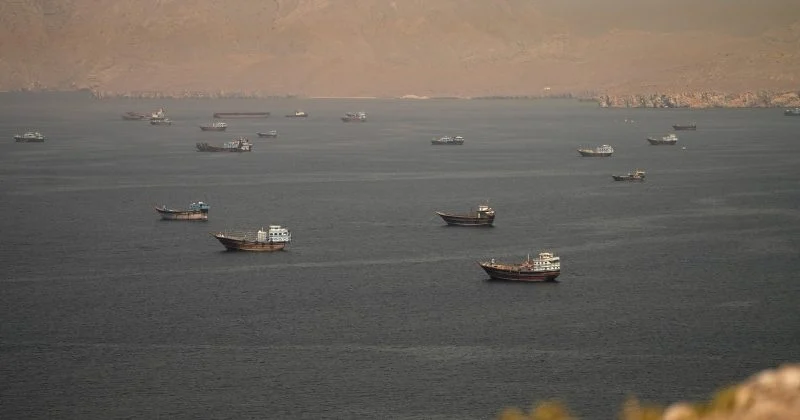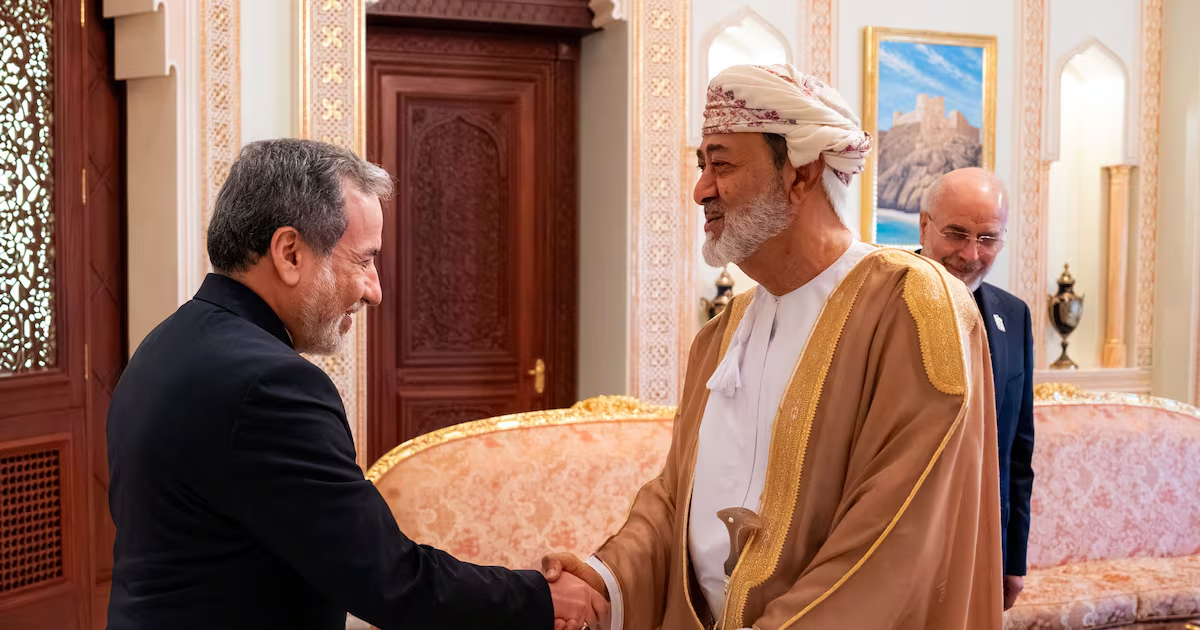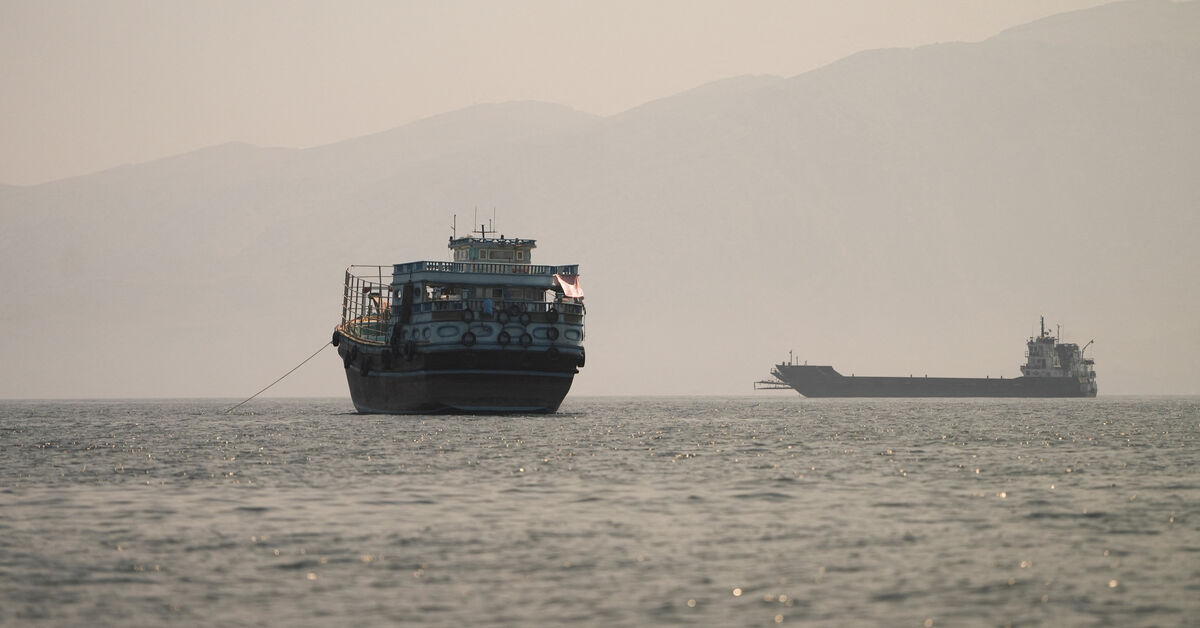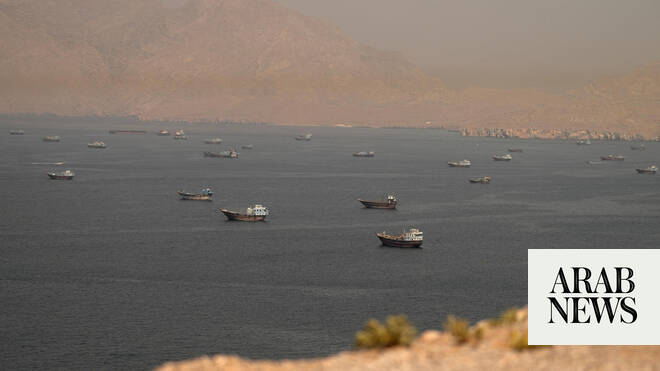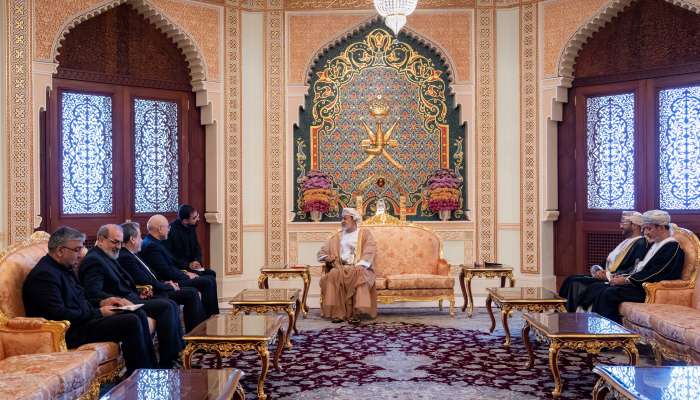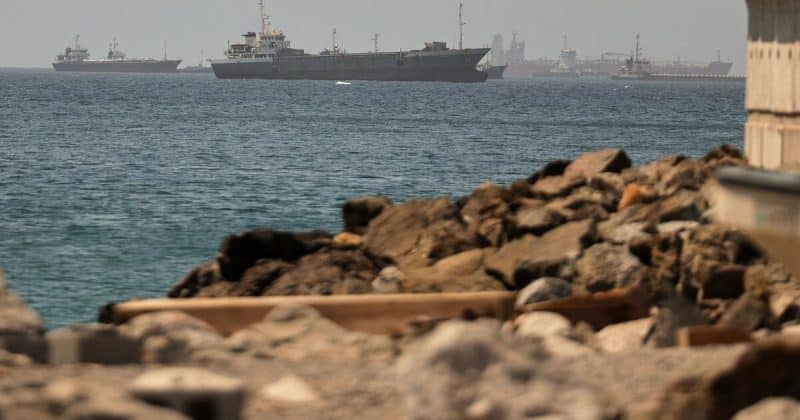
Zurich: Oman, India's oldest strategic partner in the Gulf, has assured toll-free movement of vessels via the Strait of Hormuz, following a USA-Iran understanding reached in Switzerland on implementing the memorandum of understanding.Oman and Iran have agreed to establish a joint working team to develop a framework for managing navigation through the Strait.Also Read: Oman eases residency rules for foreign investors, expands family sponsorship eligibilityOman's foreign minister Badr Albusaidi announced late Monday his country's commitment to international law and "toll-free" safe passage through Hormuz following talks with senior Iranian officials in Muscat. Oman's assurance will be music to India's ears as New Delhi does not favour paying toll for its vessels via Hormuz.Albusaidi held discussions with Iranian Parliament Speaker Mohammad Bagher Qalibaf and foreign minister Abbas Araghchi on the recent Iran-US memorandum of understanding, "especially the Strait of Hormuz paragraph". Qalibaf and Araghchi visited Oman to discuss management of the strategic waterway immediately after their talks with the USA in Switzerland.Also Read: India-Oman trade pact to open huge export opportunities for labour-intensive sectors: ExpertsIran and Oman, which share coastlines along the Strait of Hormuz, reaffirmed their commitment to ensuring safe passage through the waterway in accordance with international law while maintaining their sovereignty over territorial waters, ET has learnt.The joint working team will aim to reach an agreement on future navigation management, services to be provided, and associated costs based on international standards. Both countries agreed to hold discussions with other coastal states in the region and relevant parties.
Oman assures toll-free movement via Strait of Hormuz
Oman has pledged toll-free passage through the Strait of Hormuz, a move welcomed by India. This assurance follows discussions between Omani and Iranian officials regarding a recent Iran-US understanding. A joint Omani-Iranian team will now work on a framework for managing navigation in the vital waterway, emphasizing safe passage and international law. Both nations aim to collaborate with other regional states on this crucial matter.
249 words~1 min read