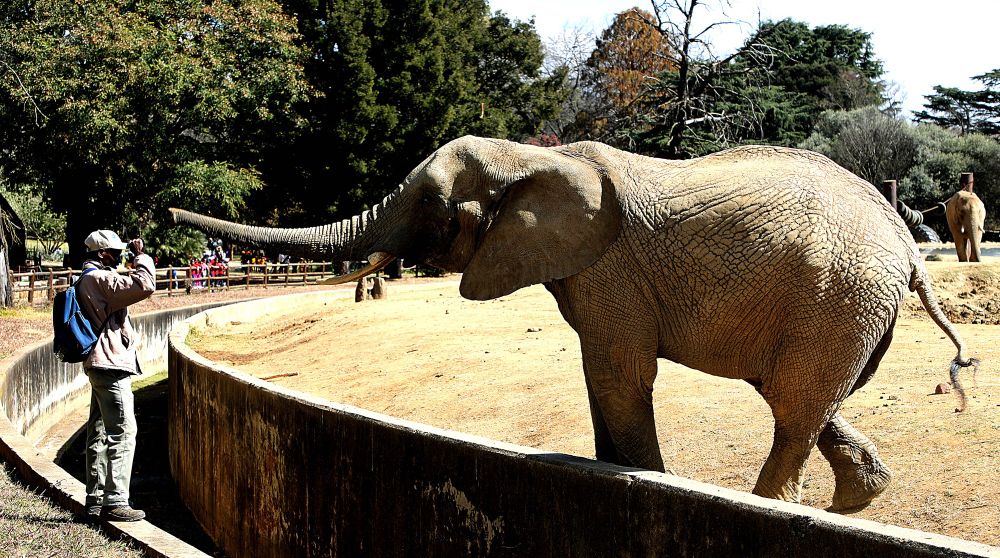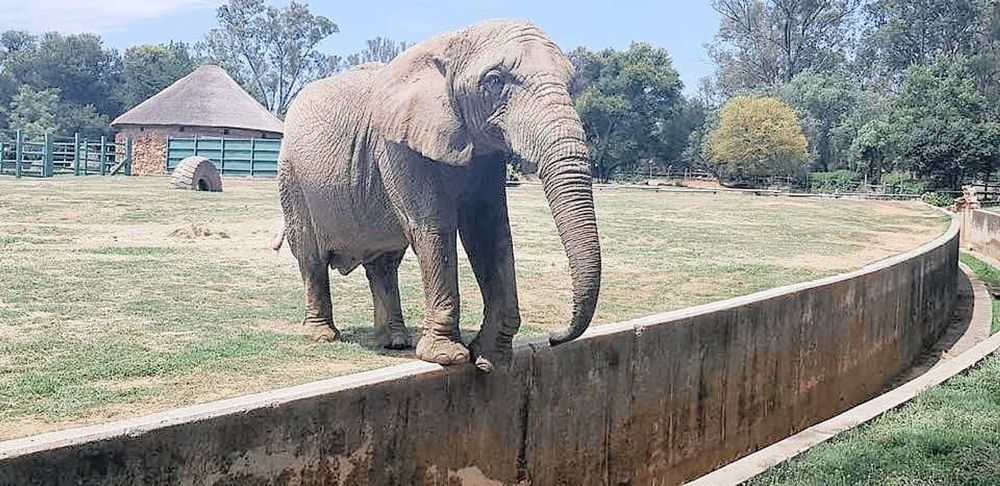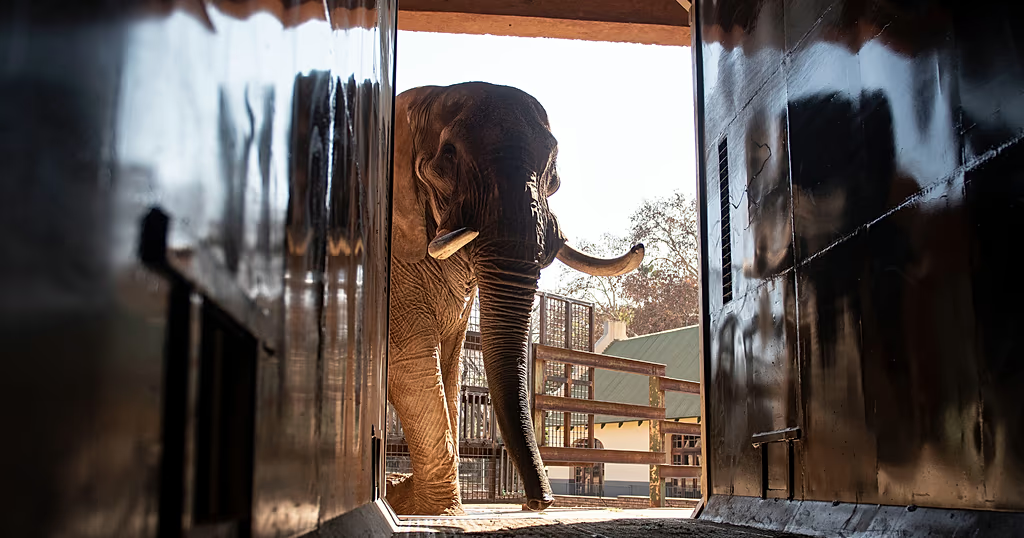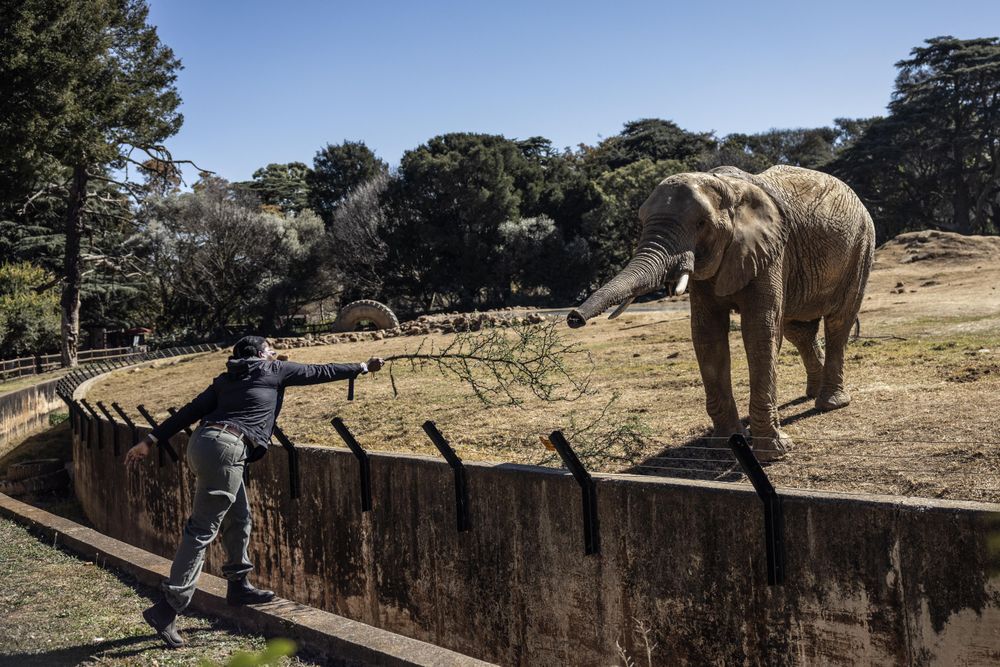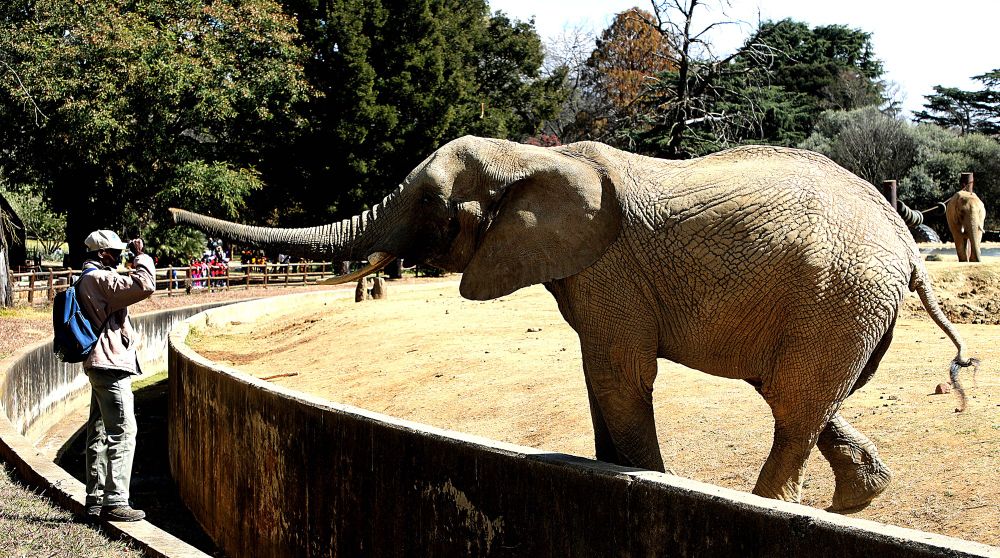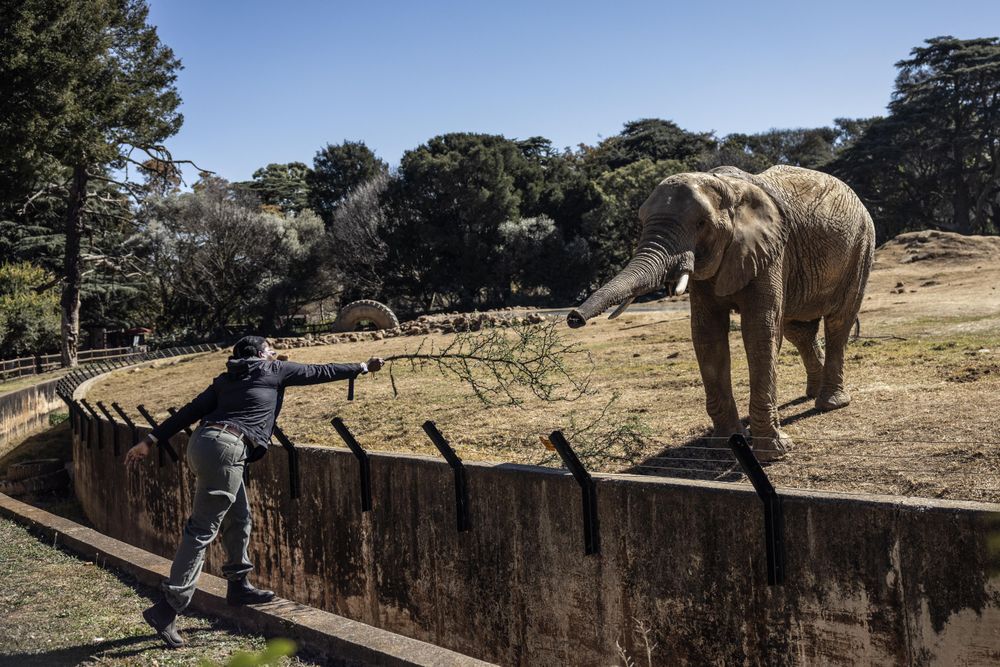
Public radio’s longest-running daily global news program.AboutContactDonateMeet the TeamPrivacyTerms of use©2026 The World from PRXPRX is a 501(c)(3) organization recognized by the IRS: #263347402.Lawsuit hopes to get three African elephants out of Johannesburg ZooThere are around 415,000 African elephants left in the world. Their numbers have declined sharply, primarily due to poaching and habitat loss. In fact, what are believed to be the last three elephants still in a zoo in South Africa are currently in the middle of a court battle to determine their future. AnimalsJune 23, 2026Updated: June 23, 20265:30Two elephants are seen in their enclosure at the Johannesburg Zoo, which activists are calling unsuitable for the animals in light of a current court case, in Johannesburg, South Africa, May 24, 2026.For groups of school children and adults alike, the elephant enclosure is one of the big highlights at the Johannesburg Zoo. Only a few feet away from visitors on a recent afternoon, an elephant reached out its trunk through the enclosure fence to a particularly green patch of twigs.Lammie is one of the elephants who has lived her whole life in the zoo. After her partner, Kinkel, died in 2018, elephants Mopane and Ramadiba were brought in.The enclosure had some patches of mud and water, piles of feed and some inside space. The day’s visitors said they found the animals to be happy and beautiful. “My first impression is that they look well looked after,” said one man, visiting with his family.But some of the world’s premier elephant researchers have argued that looks may be deceiving.Several organizations brought a case before the Pretoria High Court, seeking the three elephants’ immediate release. Megan Carr, the spokesperson for the EMS Foundation, an organization devoted to the welfare of wild animals, said this is an important move.“After seven years of tireless advocacy, evidence gathering and legal intervention, this application represents another necessary step towards securing a life of dignity for elephants Lammie, Mopane and Ramadiba,” Carr explained.The elephant enclosure takes an honored central spot at the Johannesburg Zoo, in Johannesburg, South Africa, May 24, 2026.Elna Schütz/The WorldShe said international elephant specialists agree that the three elephants have been suffering from depression and stress. They are now advocating for their release from captivity.“The expert testimonies provided by the elephant experts of the Pro Elephant Network demonstrate that continued confinement in the Johannesburg Zoo is unconscionable, unconstitutional and fundamentally detrimental to the well-being of these sentient animals,” Carr said.The court papers explained that the enclosure is not much larger than a soccer field and is relatively barren, lacking the extensive shade and mud pools that elephants typically need.Lammie appeared to be in “poor physical condition,” according to the documents. There have been worrying incidents, like when she was hurt after another elephant pushed her into the enclosure’s moat. Ramadiba was observed banging his head against poles as a form of self-harm.One expert, quoting The Welfare Report in the court papers, said that this is what a “totally depressed, broken elephant looks like.” They contended that elephants are just not a species that adapts well to life in captivity and should not be kept in zoos.An elephant stretches its trunk through an enclosure fence to snack on greens, in Johannesburg, South Africa, May 24, 2026.Elna Schütz/The WorldThe experts also observed how long visitors stayed to watch Lammie and found that it was usually only a few minutes at most. Thus, they concluded that the idea that a zoo elephant is a crucial educational ambassador is false.The Johannesburg Zoo disagreed. Spokesperson Jenny Moodley said in a statement that the three pachyderms are well-cared-for.“The zoo is once again happy to report and confirm that Lammie, Ramadiba and Mapani are well taken care of by the zoo, the dedicated elephant team and its staff, all of whom remain committed to caring for and providing for the elephants, and to act in their best interests,” she said.Moodley explained that the three animals are, in fact, important educational tools for people in the city, especially those who may never otherwise have seen an elephant. “The elephants are well loved by the zoo’s visitors, and are exceedingly endeared by the public at large, both local and abroad,” she added.One key issue in this court case is whether releasing the animals is even an option. Moodley pointed to the case of Thandora as a cautionary tale. The elephant lived in captivity for 23 years before being released from the Bloemfontein Zoo in 2013, and then sadly died only months later.Those in favor of removing elephants from zoos point to Charley. After decades as a circus elephant and then in the National Zoo in Pretoria, he was relocated to a nature reserve. Similar organizations to those now fighting for Joburg’s elephants negotiated the release. They said Charley, now named Duma, is enjoying his retirement and doing well.After three days of testimony, the judge has reserved judgment. The wait is on for the final verdict on the three animals’ futures. Meanwhile, protests outside the zoo have continued since the court case concluded.
Lawsuit hopes to get three African elephants out of Johannesburg Zoo - The World from PRX
There are around 415,000 African elephants left in the world. Their numbers have declined sharply, primarily due to poaching and habitat loss. In fact, what are believed to be the last three elephants still in a zoo in South Africa are currently in the middle of a court battle to determine their future.
840 words~4 min read