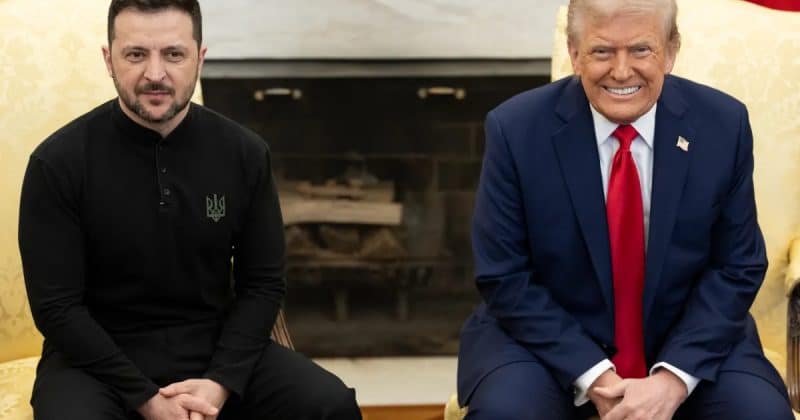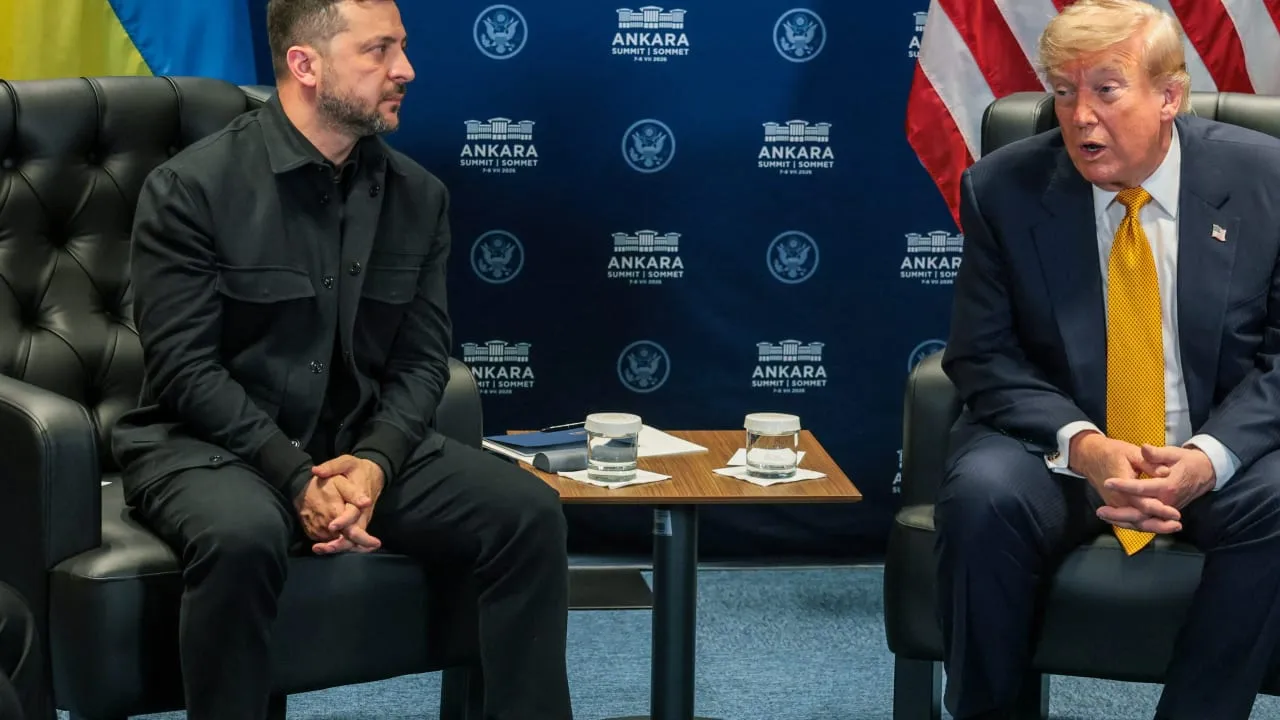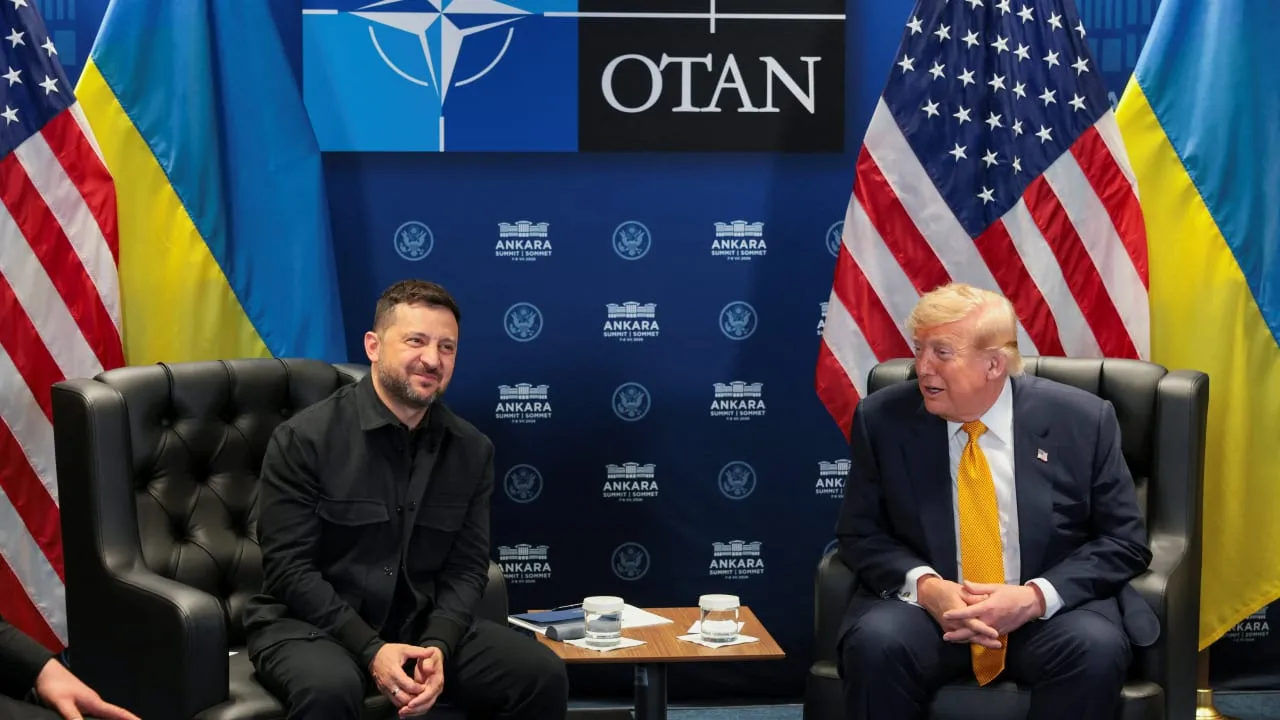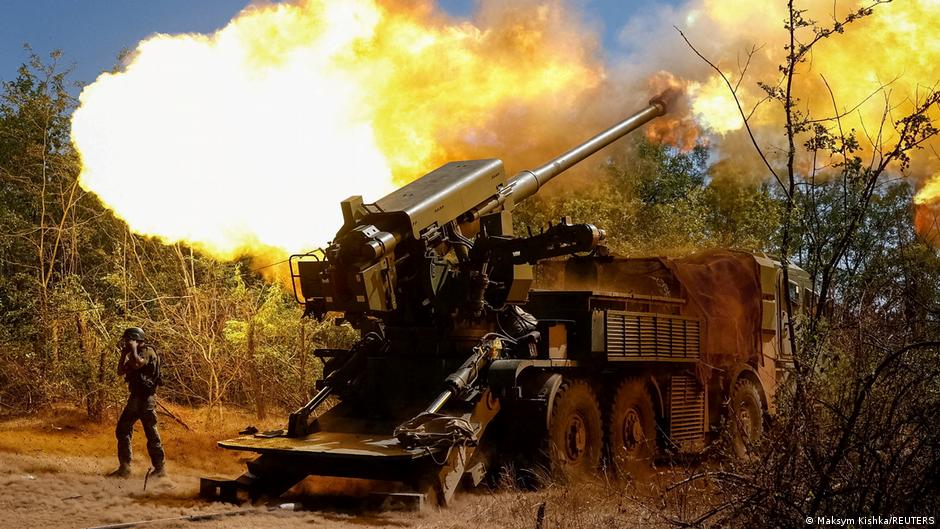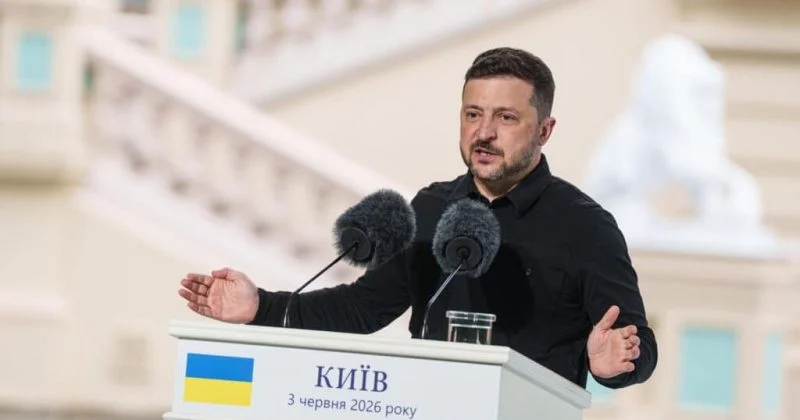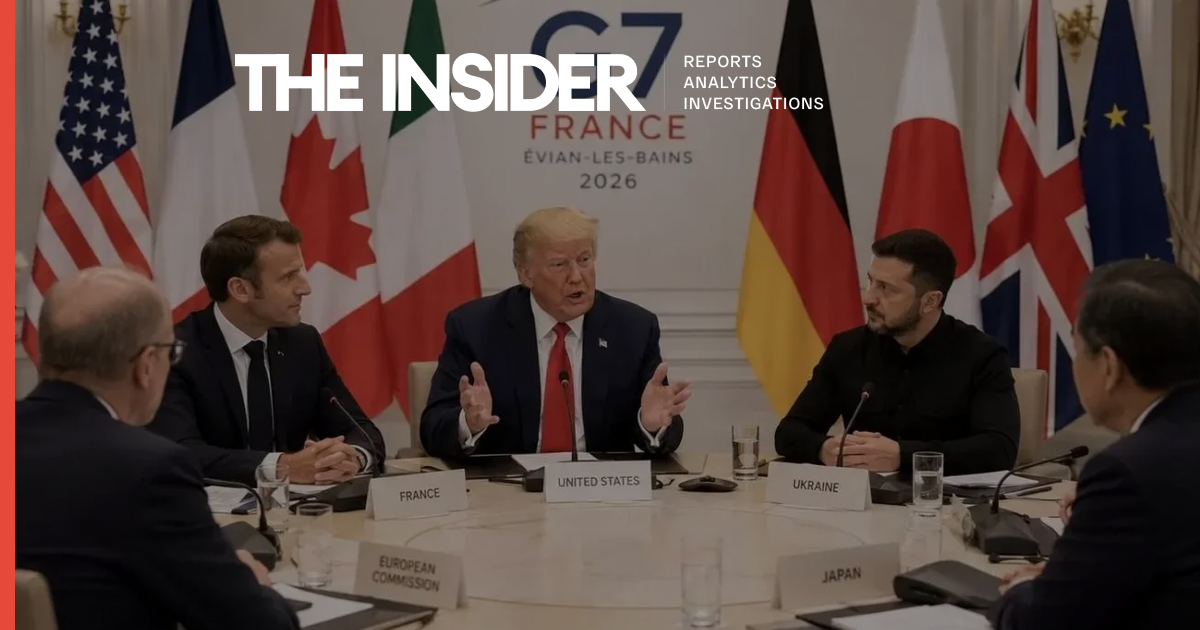
For the past six months, talk of negotiations aimed at reaching a deal to end the war in Ukraine all but entirely disappeared from the public discourse. Now, however, Donald Trump has declared that he will return to the matter immediately after settling the conflict in Iran, while Volodymyr Zelensky has addressed Putin with an open letter calling for an immediate end to the war. Putin himself, meanwhile, shows little desire to return to the negotiating table, particularly given that his hand is considerably weaker than it was a year ago. Zelensky’s real audience, however, is not Putin, but Trump and the Russian elites, who under the new circumstances may begin to press their leader to finally make a deal.Contents1.Time is no longer an ally2.Getting through to Putin3.Trump returns4.Will there be a meeting?Since the beginning of 2025, the diplomatic dynamic around the war in Ukraine has been shaped by the actions and statements of the White House. While Trump’s initiatives could sometimes appear contradictory — or frankly unrealistic — Washington has remained the only mediator capable of exerting serious pressure on both Kyiv and Moscow.Time is no longer an allyThe most significant changes in the balance of powers at the negotiating table are, predictably, the result of developments on the battlefield. Since the start of the year, the Russian offensive has stalled across all sectors. The Russian army continues to maintain a numerical advantage in manpower and equipment, and it still achieves local successes in certain sections of the front. But the pace of advance has proven substantially lower than the forecasts drawn up in the fall and winter.A slowdown in the Russian offensive after the New Year holidays was observed in both 2024 and 2025. In previous years, however, Russian forces managed to achieve operational breakthroughs in May and regain the initiative before winter. In 2026, this did not happen.One of the reasons has been the further robotization of the fighting. The mass deployment of unmanned systems of all types is gradually turning the front into a space of continuous surveillance and targeting. Amassing forces — not only for large operations but even for the smallest offensive actions — is becoming increasingly difficult. Any movement of vehicles and troops is quickly detected, and the density of drone strikes has grown significantly on both sides.The situation in the Russian rear has also changed. In recent months, the range, frequency, and effectiveness of Ukrainian deep strikes have increased sharply. Targets have included defense industry enterprises, oil refineries, logistics hubs, ammunition depots, military airfields, and energy infrastructure.While the direct economic impact of Ukrainian attacks should not be overstated at this point, a near-universal shortage of gasoline and diesel fuel has already become a daily reality for ordinary Russians. Factory shutdowns, additional security costs, outlays for the repair of damaged facilities, and regular disruptions to airport operations are imposing increasingly tangible costs on the Russian economy.Ukraine has launched two UAV strikes on the Moscow Refinery in KapotnyaAnother implication of Ukraine’s growing ability to bring the war deeper and deeper into Russian territory is a visible change in public sentiment. For a long time, the Russian authorities managed to persuade the population that the war was something distant, exerting almost no effect on daily life. Today, sustaining that illusion is becoming increasingly difficult.Against this backdrop, news quickly spreads that can be interpreted as signs of growing discontent within Russia. There is no question yet of any organized resistance to the Kremlin’s policies. However, cautious signals are being heard with increasing frequency from business, regional elites, and even certain figures within the federal establishment who are concerned about the consequences of a prolonged war. And even the not-entirely-loyalist statements of some bloggers — such as Victoria Bonya — are being perceived by a portion of Russians as a sign that there is hope for an imminent change of course.Getting through to PutinAll of these circumstances appear to have convinced Kyiv that Moscow may be more interested in negotiations than its habitually uncompromising official rhetoric would suggest.Having lost the ability to make contact through American intermediaries, Volodymyr Zelensky conveyed his proposal for a personal meeting with Vladimir Putin through a certain Russian businessman. The contact was not publicized, and the mission itself most likely was not intended to be made public.However, Putin himself unexpectedly disclosed this meeting — organized by Roman Abramovich — during the St. Petersburg International Economic Forum (SPIEF). In effect, the Kremlin revealed the existence of a back channel that had been designed to remain private. Perhaps the Russian president wished to signal his lack of interest in the proposal and to underscore his confidence in Russia’s position.After this, the Ukrainian side shifted to open pressure. Against the backdrop of Ukrainian strikes carried out against facilities in St. Petersburg on the opening day of the SPIEF, Zelensky published a pointed address to Putin reiterating his direct call for a personal meeting.By that point, however, the master of the Kremlin was hardly the primary intended audience of the open letter. Instead, in practice, the missive was addressed to the Russian elites, Ukraine’s Western allies, and, in all likelihood, to Donald Trump himself. Kyiv sought to demonstrate its readiness for negotiations while simultaneously demonstrating Moscow’s refusal to engage in political dialogue. The response — beyond Putin’s direct rejection — was a new wave of mass strikes on Ukrainian cities and facilities that clearly hold no military significance.Trump returnsUkraine and its European partners had hoped to use the G7 summit to proclaim a consolidated position in light of the effective absence of the U.S. from the Russia–Ukraine track. It did not go as planned.Literally on the eve of the summit, Trump announced that he had reached a deal with Tehran and declared his intention to once again actively engage in the negotiations between Kyiv and Moscow. Phone calls between the American leader and both Putin and Zelensky followed.This development prompted mixed feelings in Kyiv and several European capitals. On the one hand, a swift diplomatic breakthrough is extremely difficult to achieve without American involvement. On the other, efforts to increase the pressure on Moscow seemed to be more coherent absent Washington’s participation.The approach of the White House to resolving the Russia–Ukraine conflict remains unclear. Trump’s trusted envoys Steve Witkoff and Jared Kushner — whose visit to Kyiv had previously been discussed publicly — never made it to the Ukrainian capital. Instead, new reports emerged about the possibility that they would once again travel to Moscow. The approach of the White House to resolving the Russia–Ukraine conflict remains unclear
Same players, different deal: Zelensky now has the upper hand as Kyiv and Moscow resume the negotiation game
For the past six months, talk of negotiations aimed at reaching a deal to end the war in Ukraine all but entirely disappeared from the public discourse. Now,…
1,667 words~8 min read