When I started building multi-agent systems, I made the mistake most engineers make: I went looking for the right framework. I evaluated LangChain, AutoGPT, and a dozen other options. I built prototypes in each. I spent weeks on tooling instead of solving the actual problem.
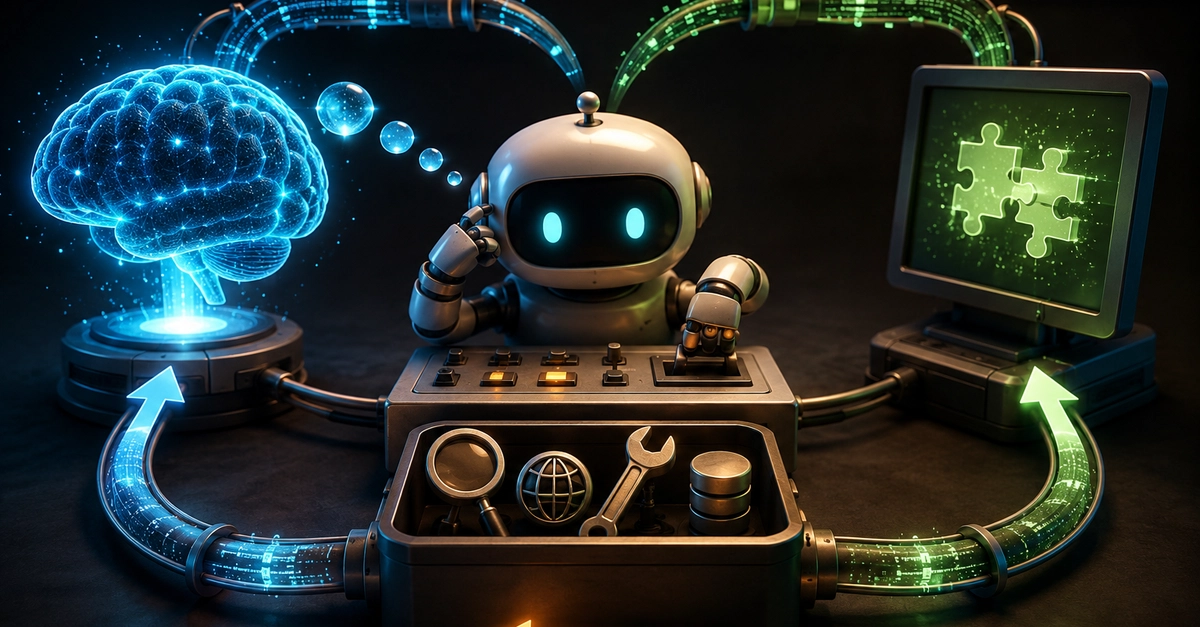
The moment things clicked was when I stripped everything back to bare API calls and asked: what does every agent I've shipped actually need? The answer wasn't a framework. It was seven building blocks — patterns that show up in every reliable agentic system I've built, from the Python orchestration framework that drives parallel task execution to the SDLC agentic harness that ships production code.
Here's what I've learned from building and operating these systems: the best AI agents aren't "agentic" in the way the demos make them look. They're mostly deterministic code with surgical, well-scoped calls to language models.
The Two Types of AI Systems (And Why It Matters)
Before the building blocks, this distinction matters enormously.