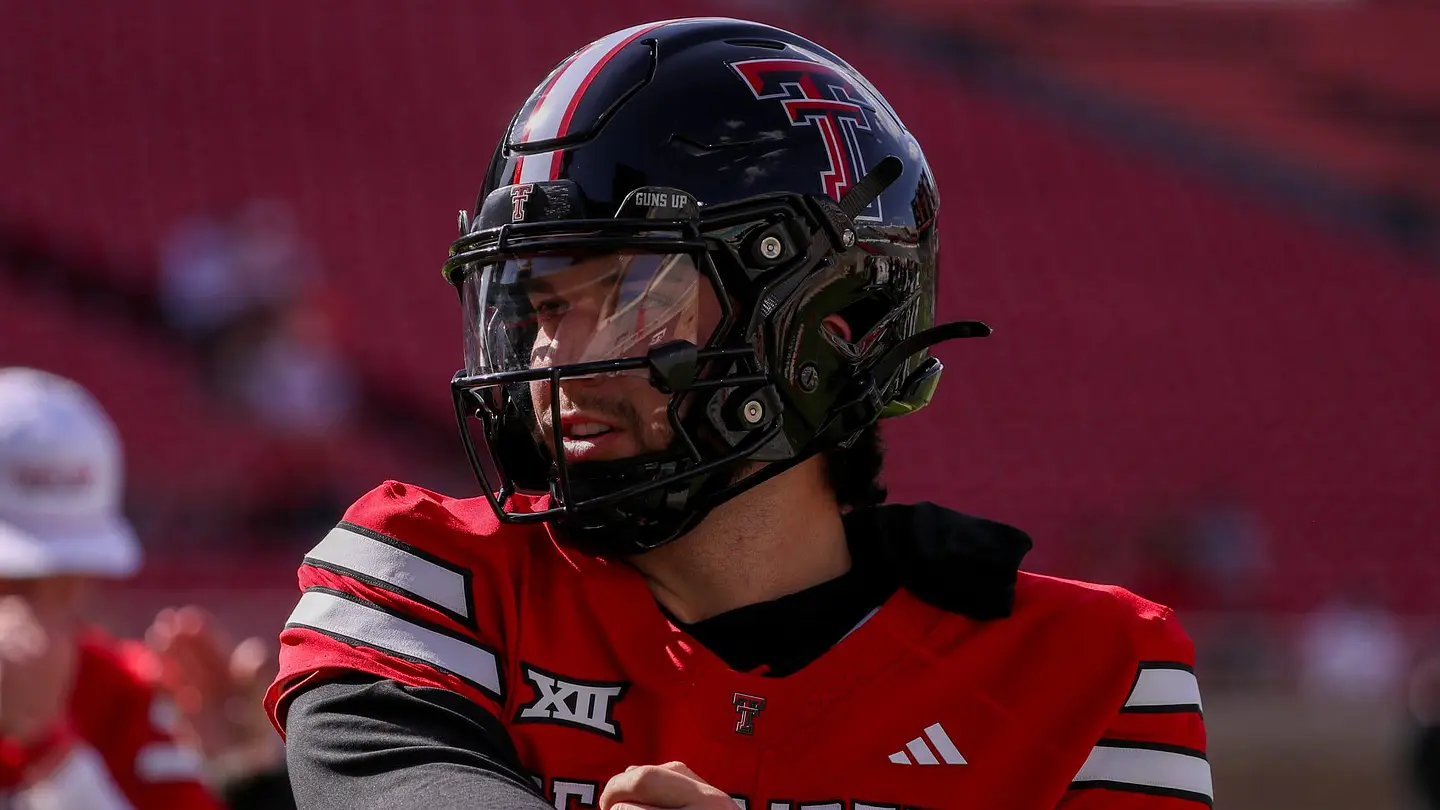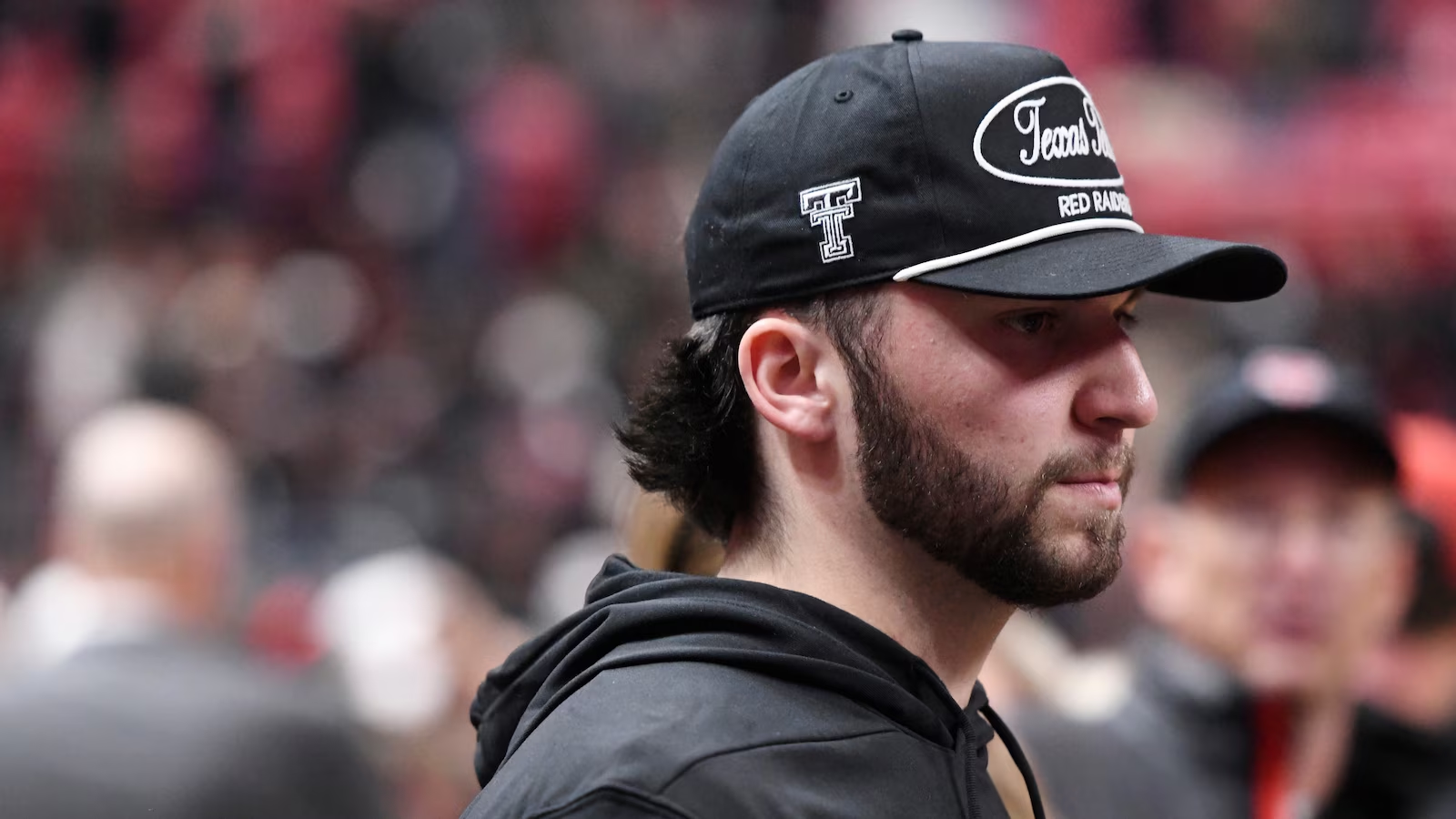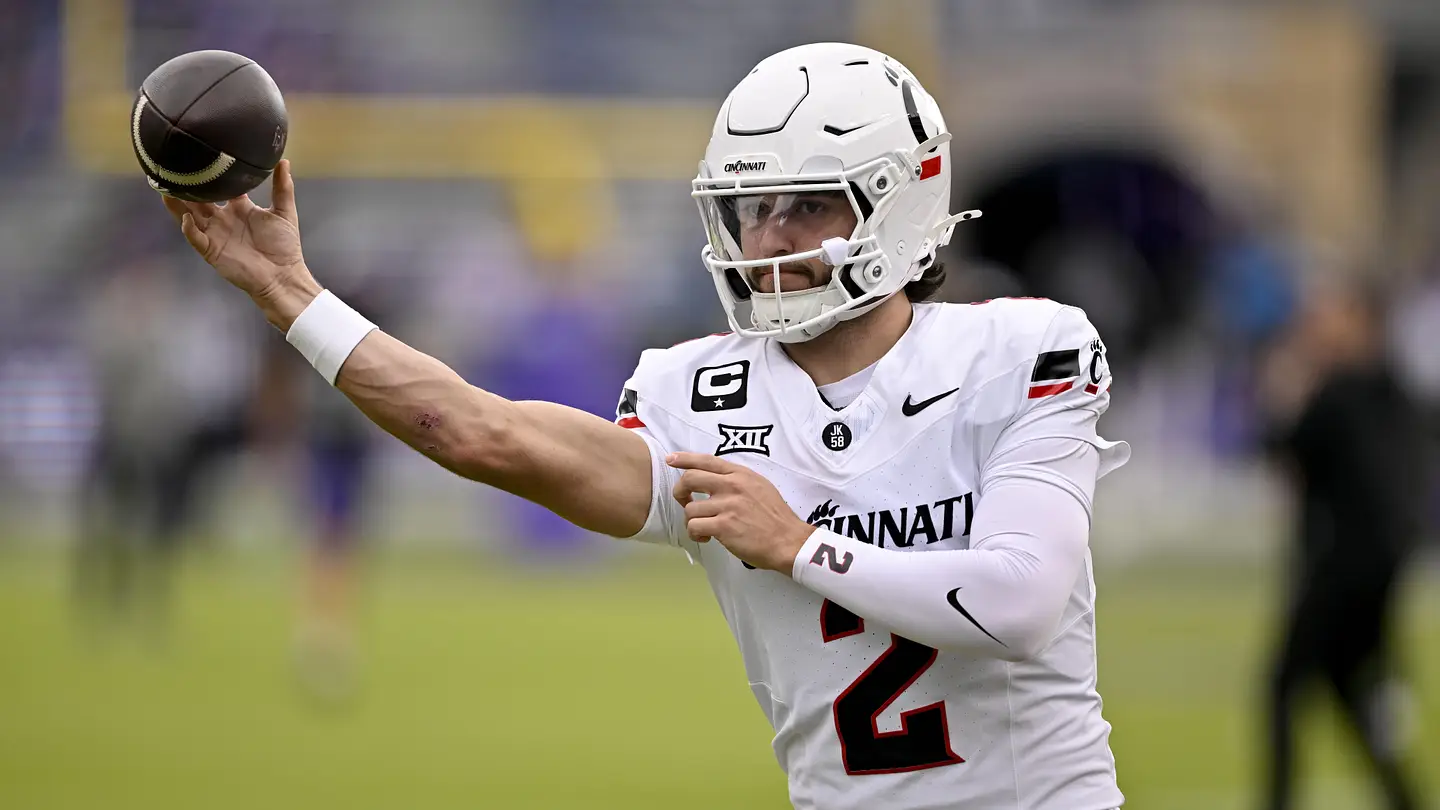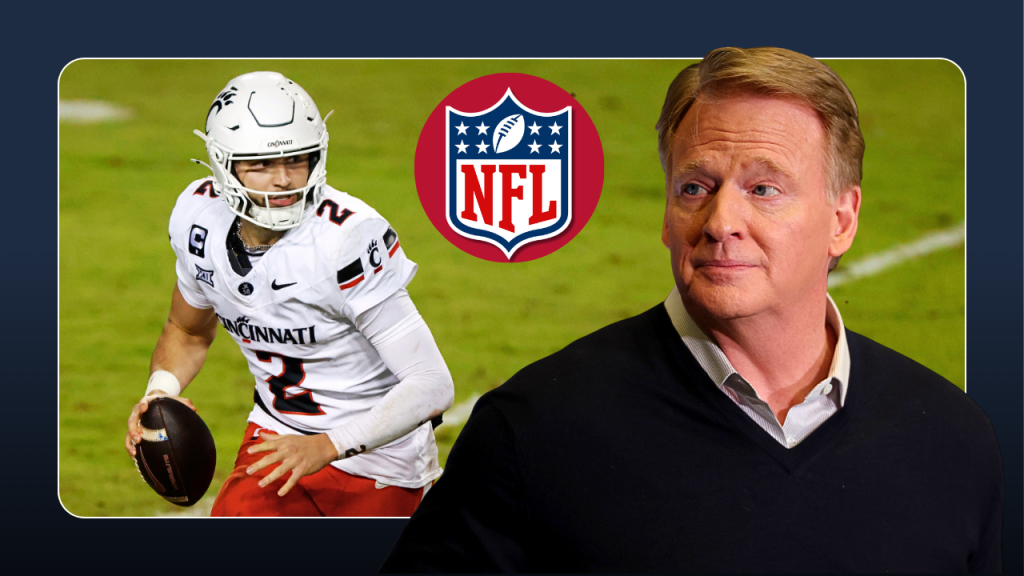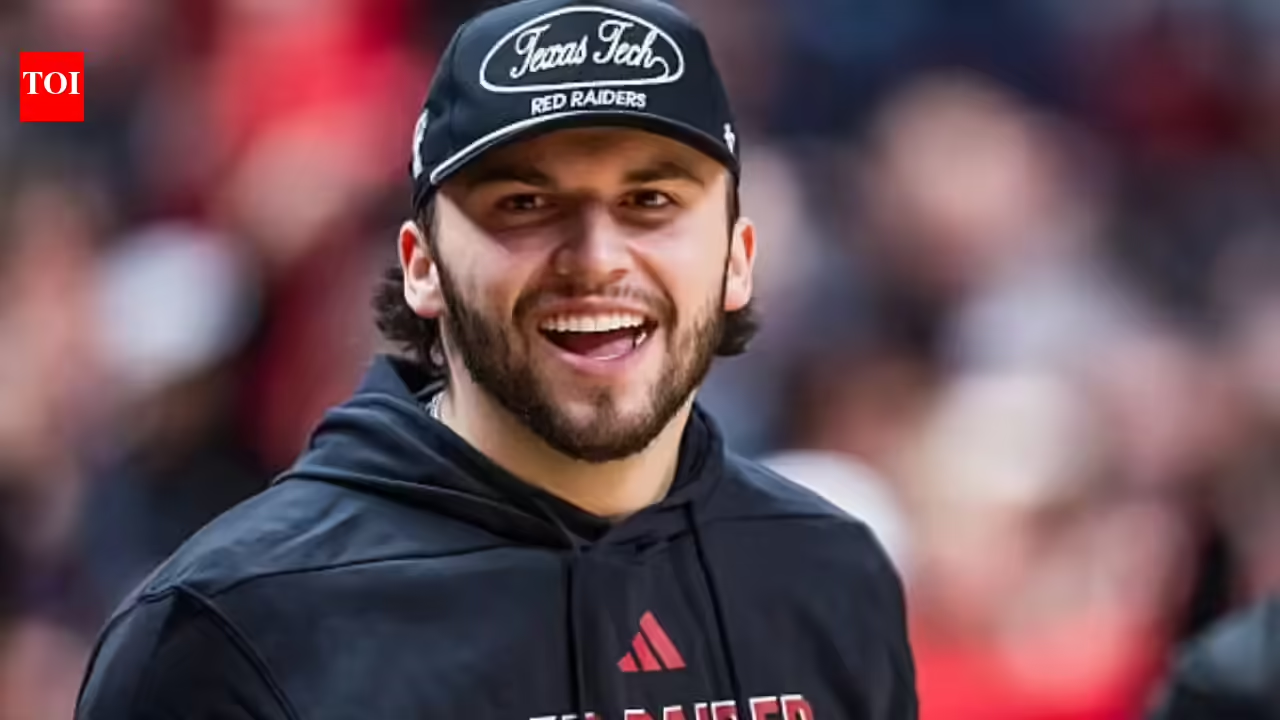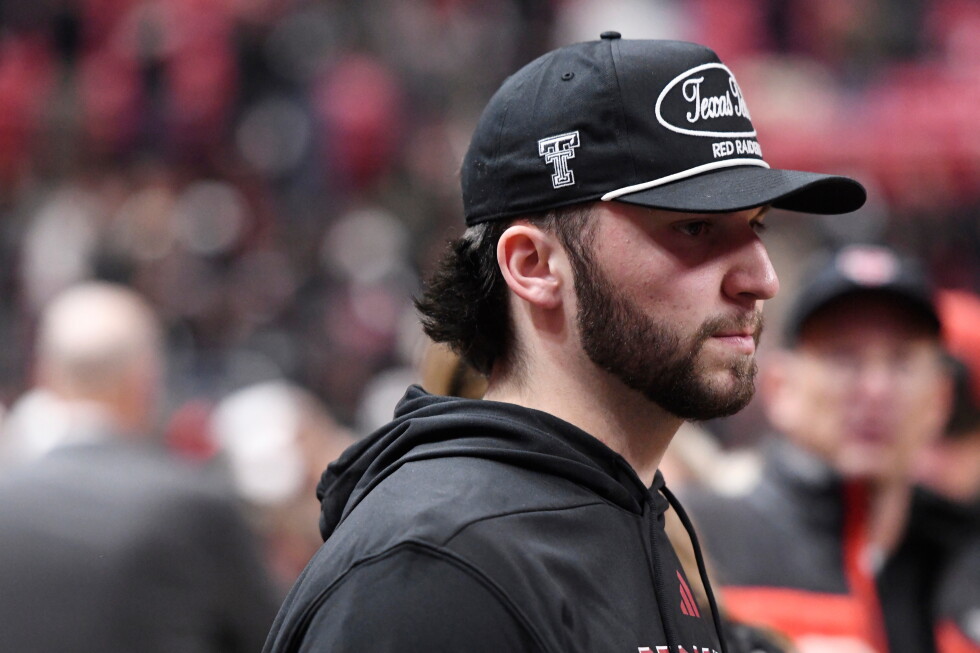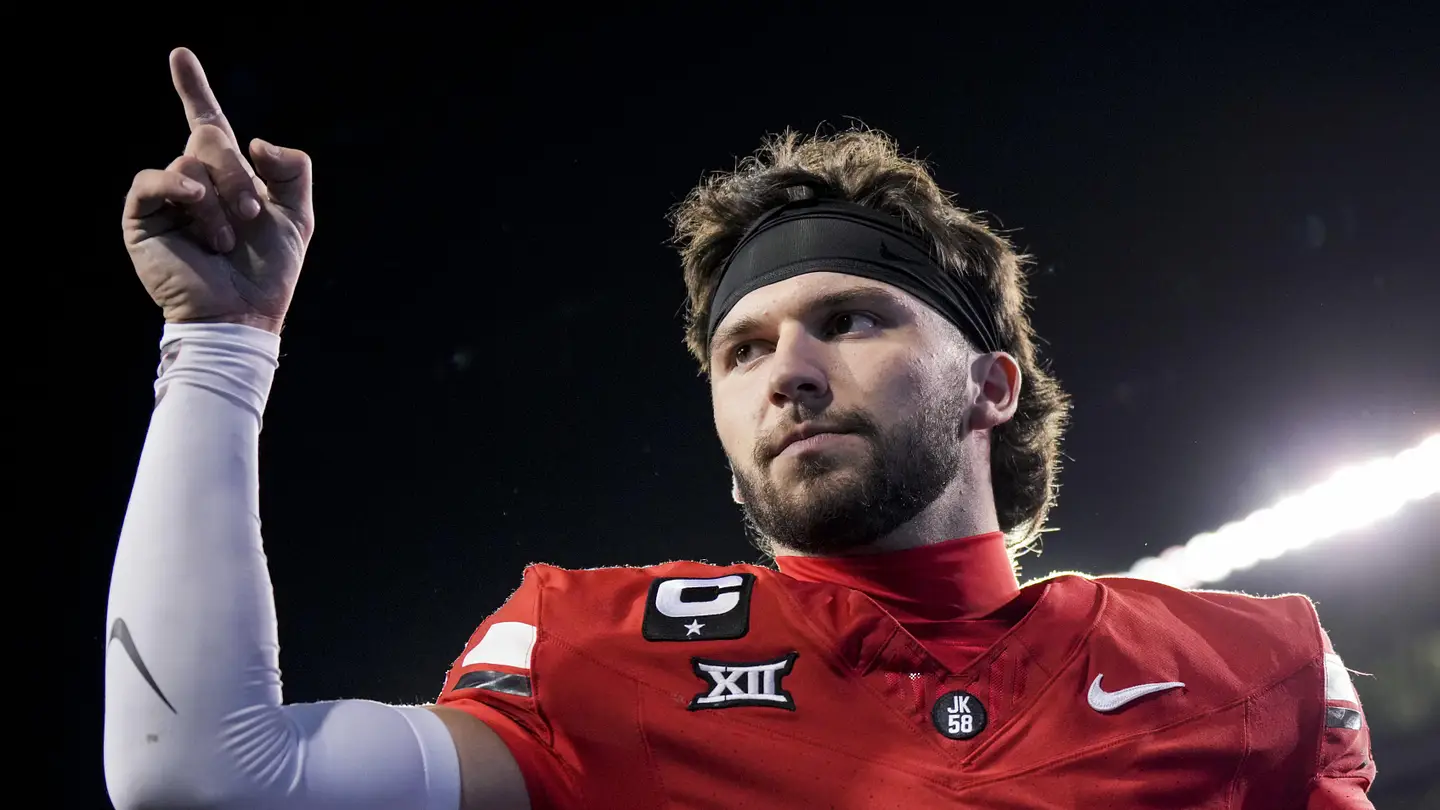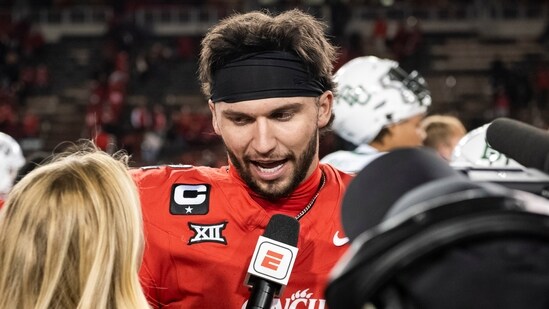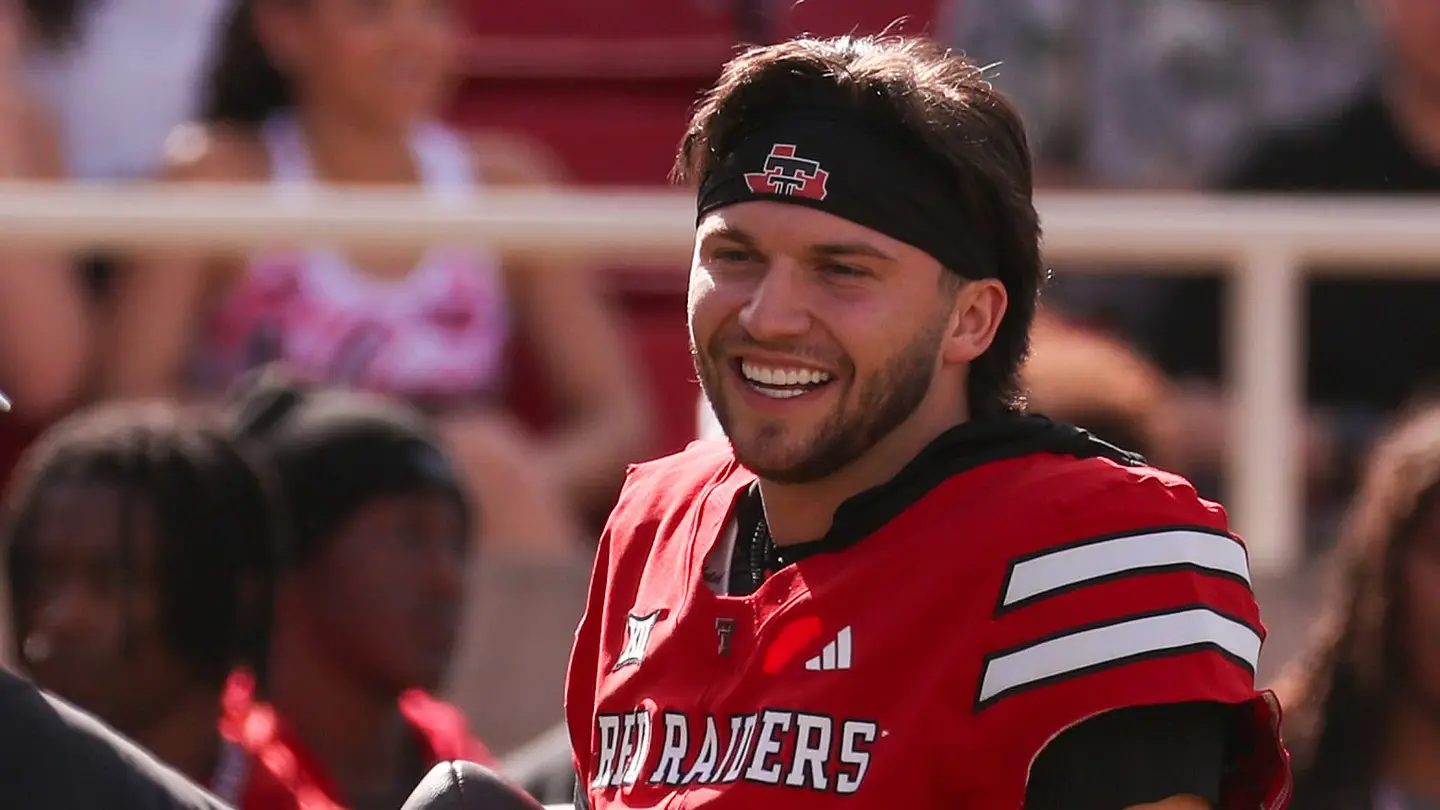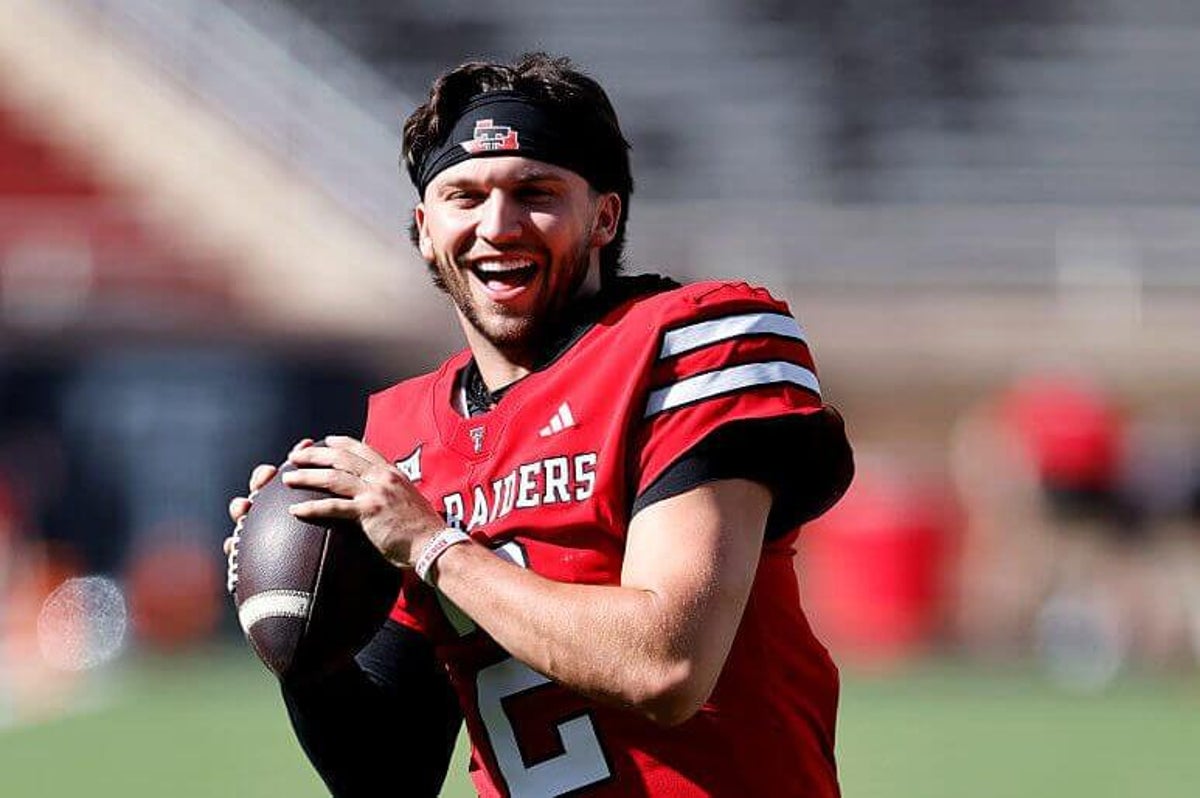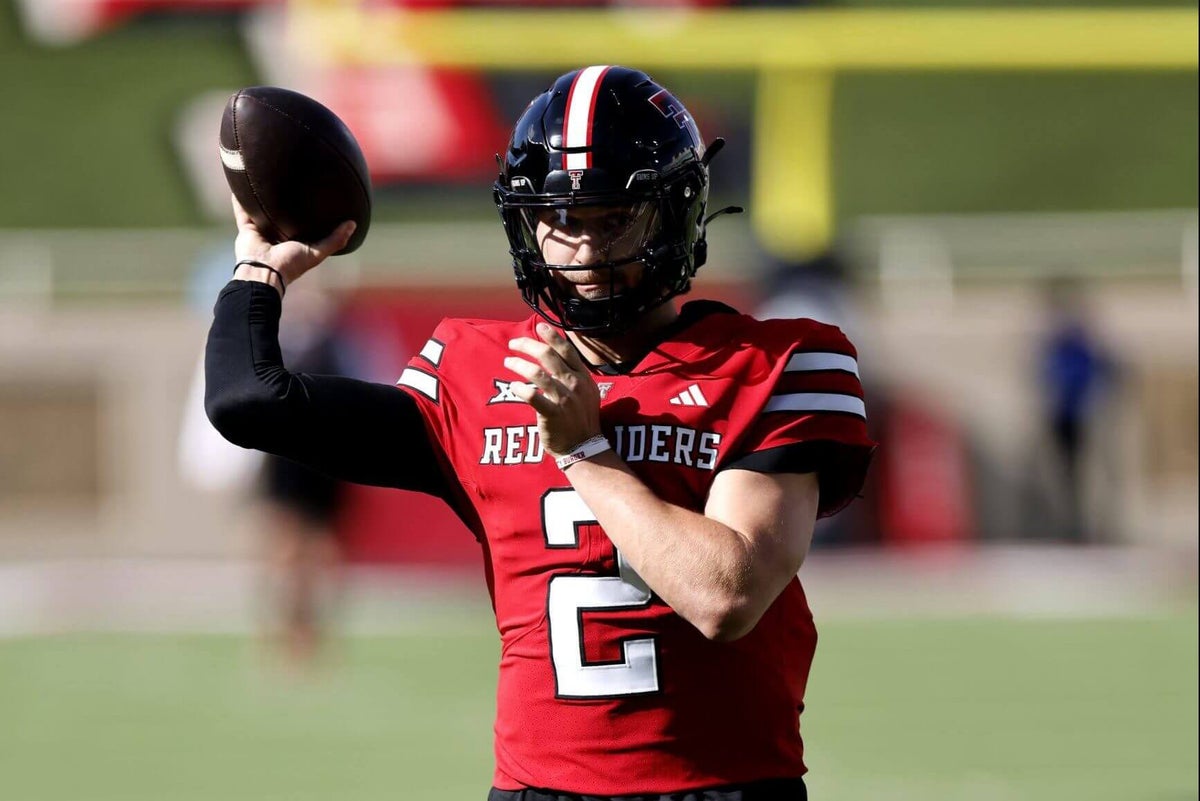
The NFL will not hold a supplemental draft in 2026, according to a letter reviewed by The Athletic, denying Texas Tech quarterback Brendan Sorsby’s application to enter and further clouding his football future following months of questions about his college eligibility over violations of NCAA gambling rules.Sorsby announced his intention to enter the supplemental draft on June 15, one week before Monday’s application deadline. The 22-year-old quarterback had transferred from Cincinnati to Texas Tech this offseason but announced in April he would take an “immediate indefinite leave of absence” to enter a residential treatment program for his gambling addiction. An NCAA investigation found him to have violated several of the organization’s gambling rules, including betting on his own team when he was at Indiana, setting the stage for a weeks-long legal battle that appeared to end last week when Sorsby turned his focus toward the pros.NFL supplemental draft explained: What it is & how it worksJayna BardahlThe letter to Sorsby explaining the decision noted that “the the League retains sole discretion to determine whether it is appropriate to conduct a Supplemental Draft in any given year. The League has not conducted such a draft for several years and, prior to your submission, the League had no plans to do so this year, as no other player has sought entry. Your Petition — filed three business days before the deadline, without any supporting information or documentation, and only after abandoning your recent litigation efforts to avoid NCAA sanctions — does not provide a basis for the League to alter those plans. The issues presented by your Petition are too significant, and too closely tied to the League’s core integrity interests, to permit meaningful review within the timeline presented.”The plan was for Sorsby to remain enrolled at Texas Tech in case he was not approved for or selected in the supplemental draft, with the idea that he could stay in school and continue working out and even practicing with the Red Raiders as an ineligible player. Those details were up in the air pending the outcome of his supplemental draft pursuit and now will have to be sorted out.Sorsby’s order of dismissal in his lawsuit against the NCAA was granted on June 18, which restored the NCAA’s permanent ineligibility ruling. Sorsby’s lawyer, Jeffrey Kessler, did not immediately respond to request for comment by The Athletic. Sorsby had hoped to host a pro day workout for NFL teams in Texas in mid-July.Since 1977, the supplemental draft has been a mechanism for draft-eligible players who did not enter the regular NFL Draft to be selected by teams for the upcoming season. There have been 46 players selected in the supplemental draft, many of whom either missed the deadline to declare for the traditional April draft or had unexpected eligibility issues in college (academic or disciplinary) that prevented them from returning to college football. The league hosts the supplemental draft only if there are eligible players, which hasn’t happened since 2023. (Neither eligible player was selected that year.)The last player selected in the supplemental draft was safety Jalen Thompson in 2019. Thompson was ruled ineligible for his senior season at Washington State for a rules violation. The Arizona Cardinals selected him in the fifth round of the supplemental draft, and, in March, Thompson signed as a free agent with the Dallas Cowboys. The seven-year drought of supplemental draft picks is the longest in its history.In denying Sorsby’s entry to the supplemental draft, Larry Ferazani, the general counsel of the NFL Management Council, wrote: “The sole reasons identified in your Petition for seeking entry into the Supplemental Draft are that you have been ‘declared ineligible’ by the NCAA, have ‘exhausted all of (your) avenues to continue in the NCAA,’ and ‘want to now play in the NFL.’ The Petition provides no information regarding the basis for, or timing of, the NCAA’s decision. Public sources, however, indicate that in May 2026 the NCAA issued a determination declaring you permanently ineligible from participation in college athletics, based on a sustained pattern of improper gambling activity during your collegiate career at three different universities.“The League does not have the complete record of the NCAA’s investigation, and you did not provide any such materials with your Petition. Available information nonetheless indicates that, over the course of your collegiate career, you knowingly engaged in repeated and significant violations of NCAA rules designed to preserve the integrity of athletic competition. Reported conduct includes placing wagers on your own team and teammates and, to avoid detection, establishing or funding accounts in the names of intermediaries who placed bets on your behalf. There are also reports that you may have violated state criminal law.“Your Petition does not address these matters. Nor does it demonstrate accountability for your conduct or indicate whether, or how, you would adhere to the League’s rules and policies governing the integrity of competition. Instead, even after receiving notice of the NCAA’s decision rescinding your college eligibility in May, you sought to avoid the consequences of that determination through litigation rather than accepting responsibility for your actions, and you pursued entry into the NFL only after abandoning those efforts.”By his own admission, Sorsby has wagered at least $90,000 on more than 9,000 bets over the course of his college career, with stops at Indiana and Cincinnati before Texas Tech. That included betting on Indiana football as a team member, though not in games he played in, as well as Indiana and Cincinnati men’s basketball games, also in violation of NCAA rules. In April, Sorsby announced that he would enter a treatment facility for a gambling addiction.Due to his gambling activity, Sorsby was deemed permanently ineligible by the NCAA, which also denied his appeal in late May. Sorsby then filed a lawsuit against the NCAA, claiming the organization was not looking out for his best interest and welfare in banning him. The college sports world reached a tipping point this month when a judge in Lubbock County, Texas, sided with Sorsby, granting an injunction through the 2026 college football season, as well as a self-recommended two-game suspension for the quarterback.Still, Sorsby’s future in college football was unclear. Amid criticism of the judge’s decision, the NCAA and the Big 12 each had court filings in separate lawsuits involving Sorsby’s case. The debate over his eligibility involved the attorneys general of several states and the presidents of the Big 12 universities, and it raised questions about the NCAA’s legitimacy if the organization could not enforce its own rules.In an Instagram post last week, Sorsby thanked his family, his coaches and teammates at Texas Tech, and “so many others who have encouraged me to address and learn more about this important issue. As my journey continues, I remain fully committed to and focused on being the best I can be, both on and off the field.”The NFL instead encouraged Sorsby to look ahead to next spring’s regular NFL Draft.“As Commissioner Goodell has emphasized, participation in the NFL is a privilege that carries with it significant responsibilities, including accountability,” the letter to Sorsby concluded. “By all accounts, you are a talented player with the potential for future success. We encourage you to focus on preparing for possible entry into the NFL through the 2027 NFL Annual Draft.”This story will be updated.
NFL won’t hold supplemental draft in 2026, denying Brendan Sorsby’s application
The NFL hasn't had a player selected in the supplemental draft since 2019.
1,215 words~6 min read