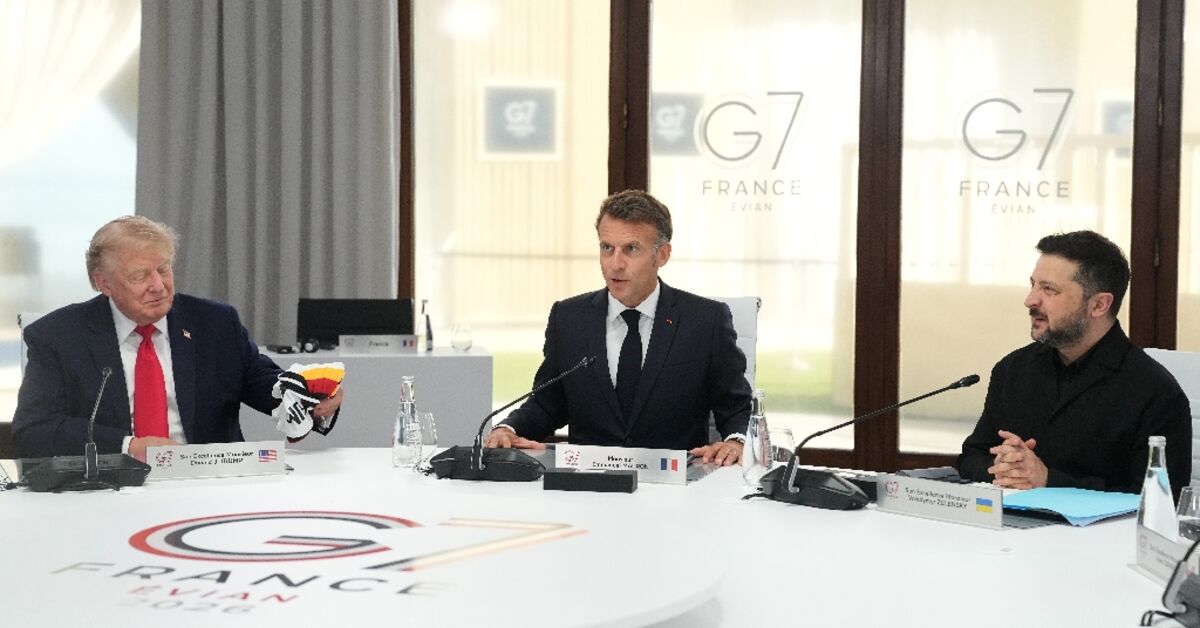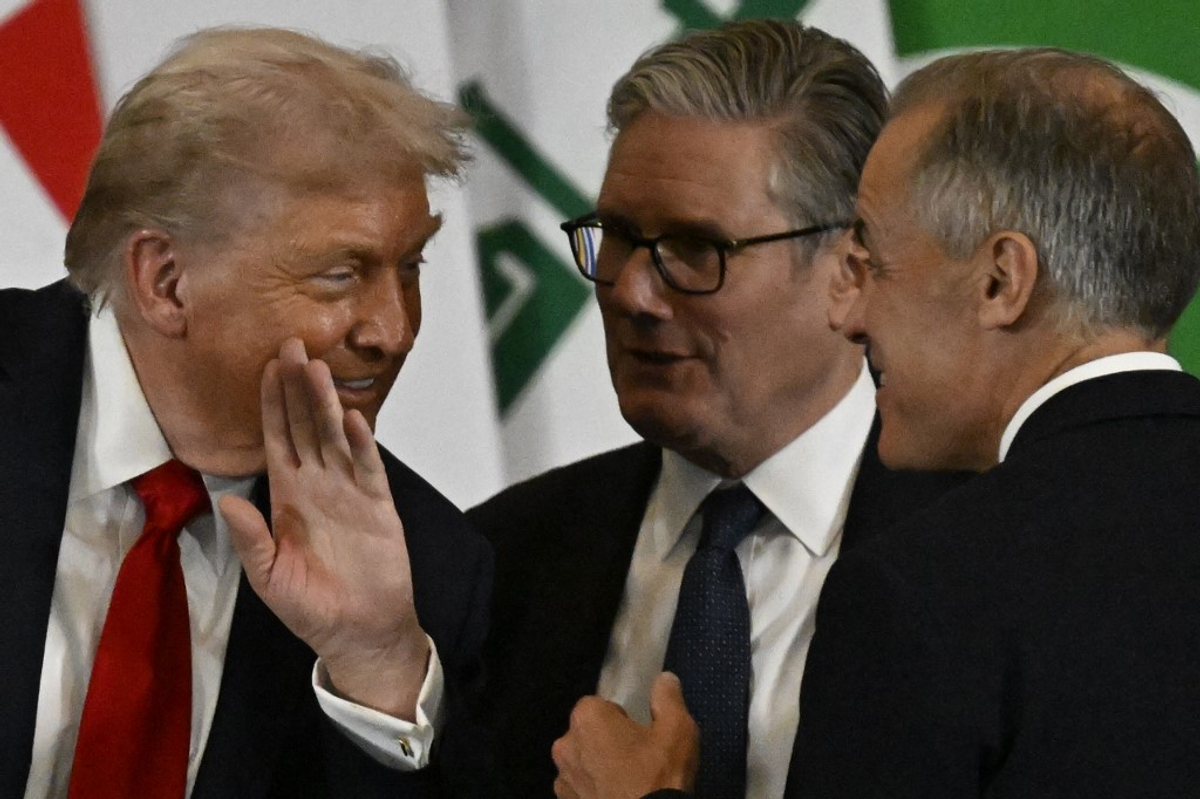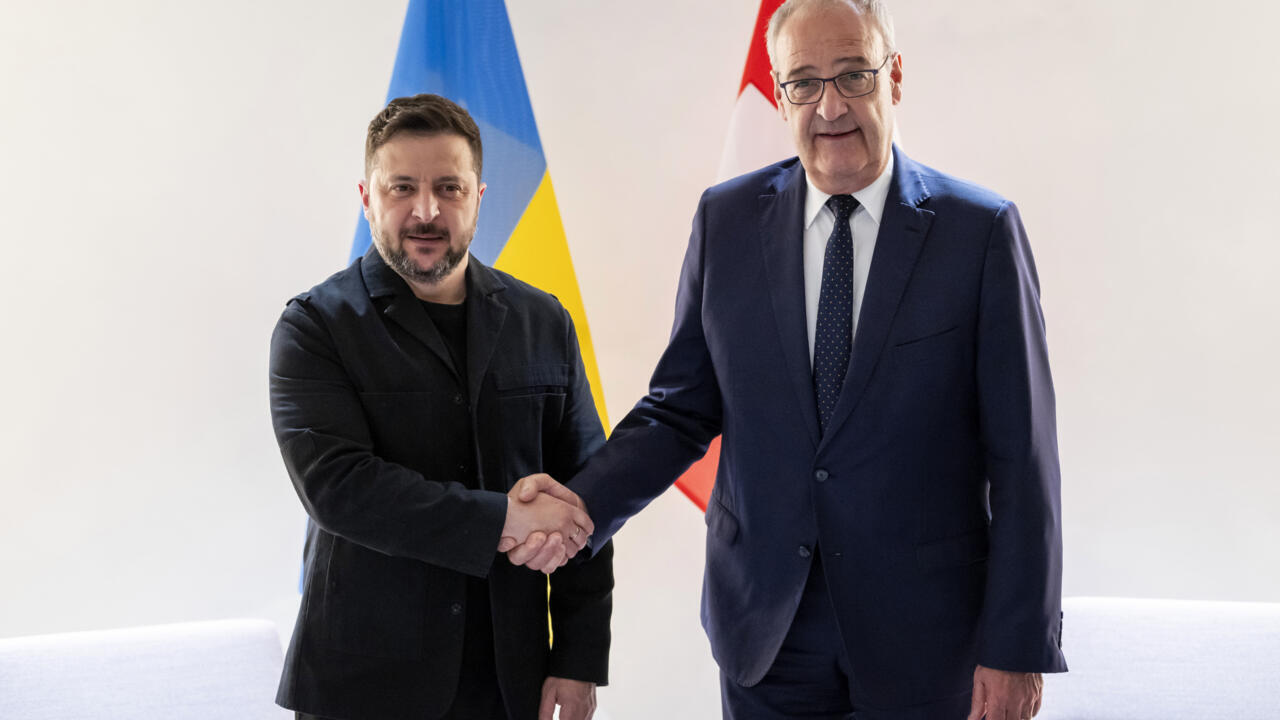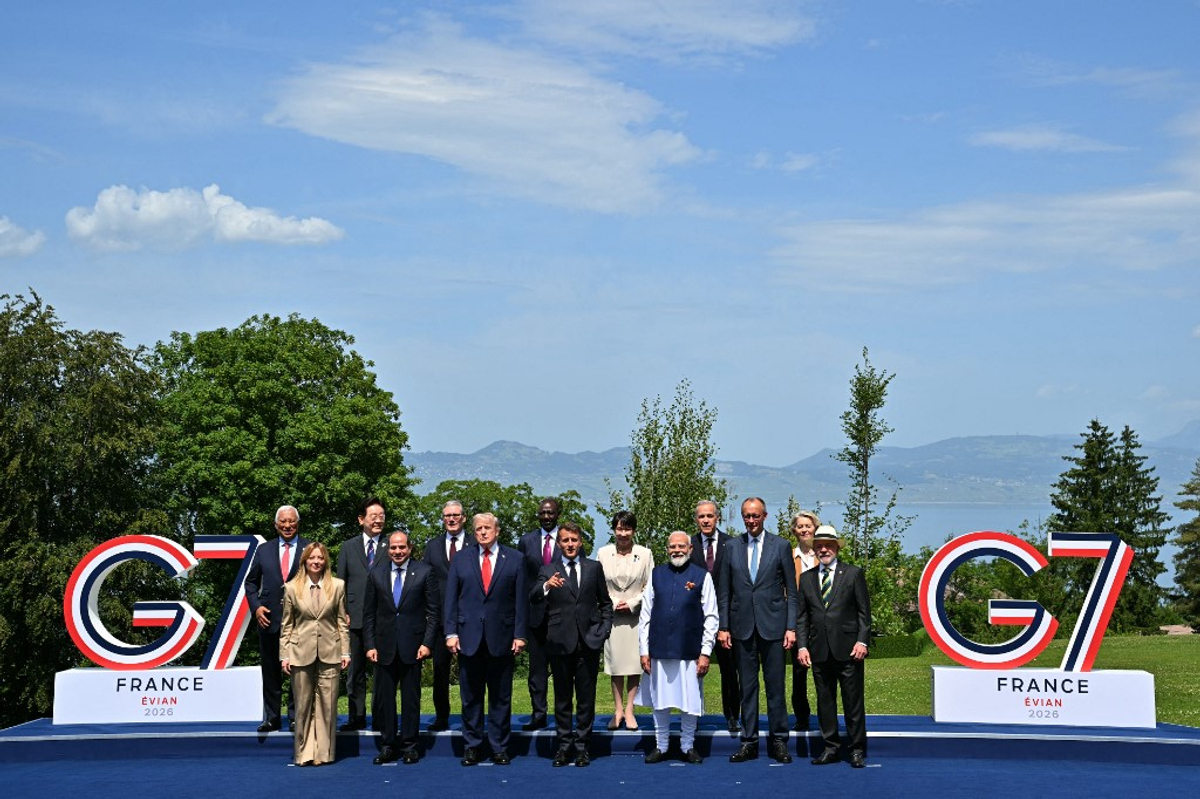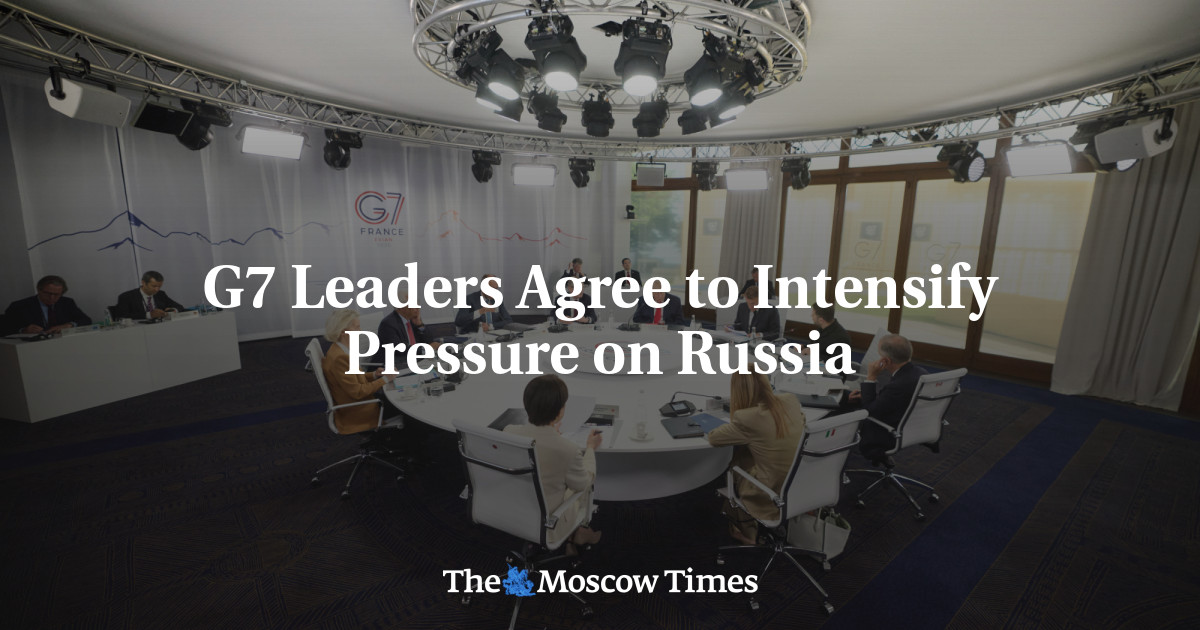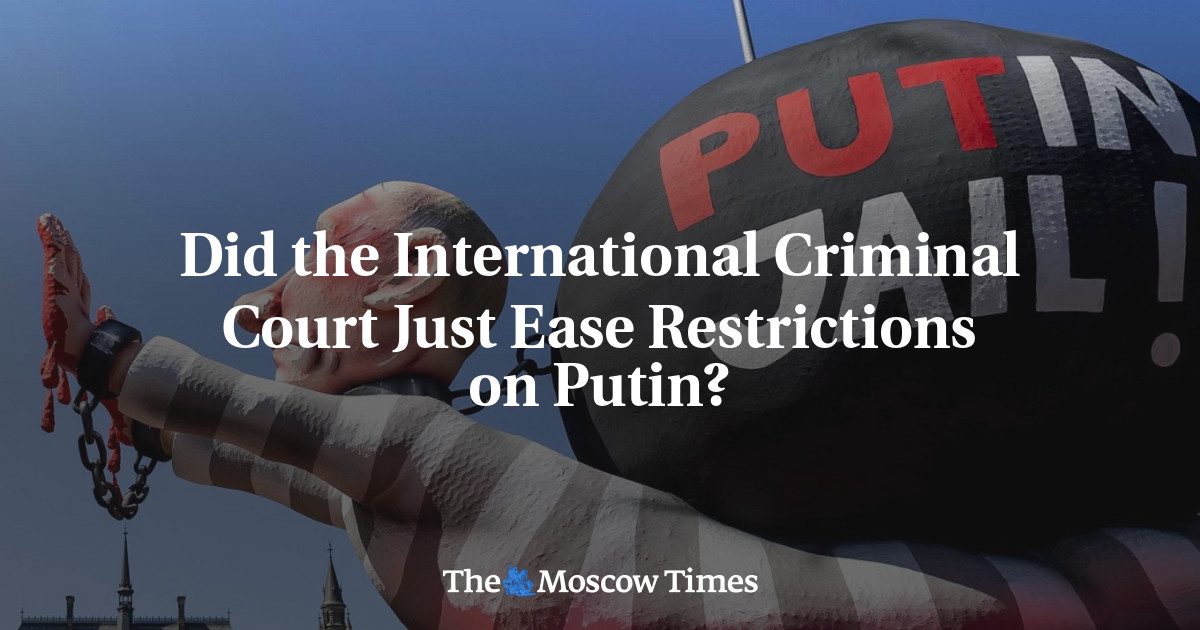
At the G7 summit in Évian, France, the possibility of organizing a trilateral meeting between the presidents of the United States and Ukraine, Donald Trump and Volodymyr Zelensky, and Russian President Vladimir Putin was discussed seriously. Such a meeting would only be possible due to a June 8 announcement by the International Criminal Court (ICC) that openly for the possibility that a head of state wanted by the Court for war crimes could take part in a peace conference under UN auspices without facing an immediate risk of arrest.
The decision itself is unusual: entire sections are classified, including the name of the state that approached the Court. But the public part makes clear that the proceedings were prompted by the prospect of possible peace talks involving Putin on the territory of a state party to the Rome Statute. The Statute expressly provides for this possibility of consultations between states and the Court.
It is not known which state approached the ICC judges. But I can assume with a high degree of confidence that it was Switzerland. In August 2025, the country emerged as a potential host for peace talks, Swiss Federal Council Vice President Ignazio Cassis caused a minor stir when he said that Bern was prepared to grant Putin “immunity” if he came for peace talks and that a legal mechanism existed for them to do so.