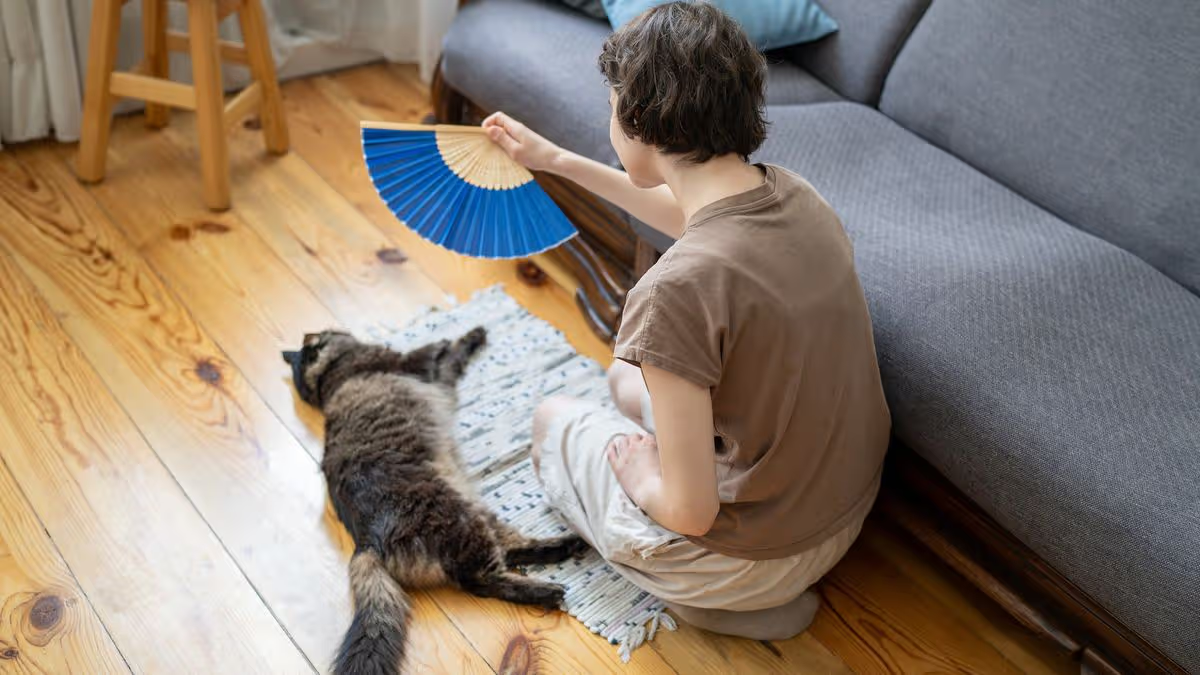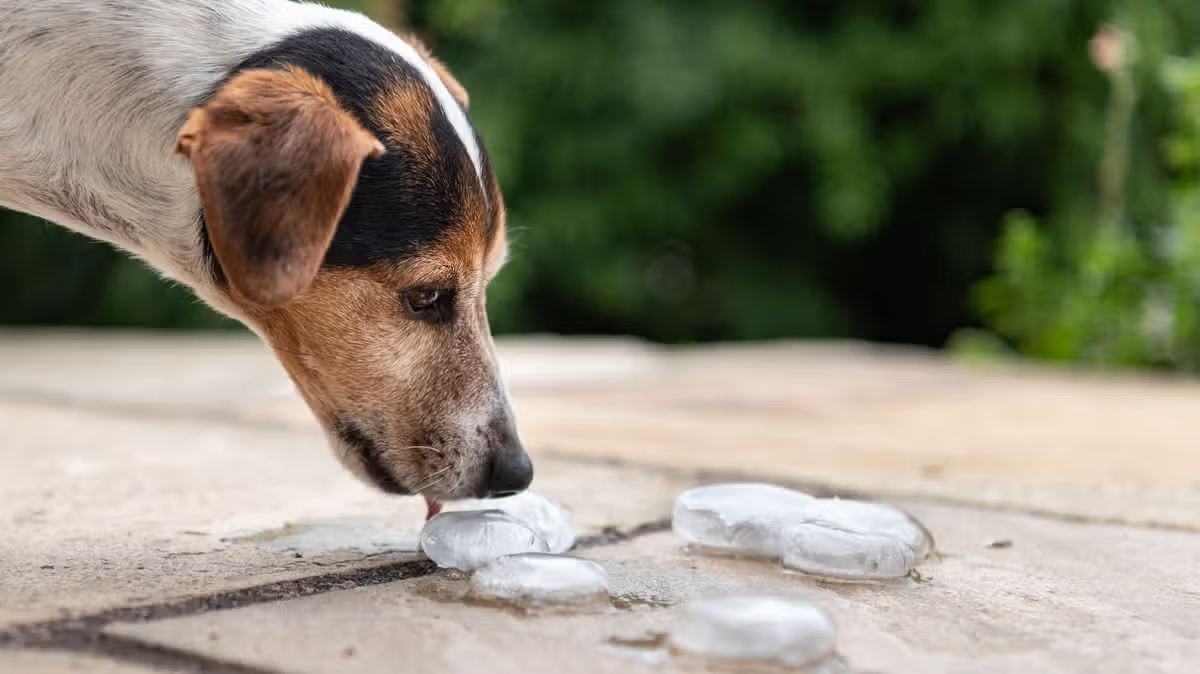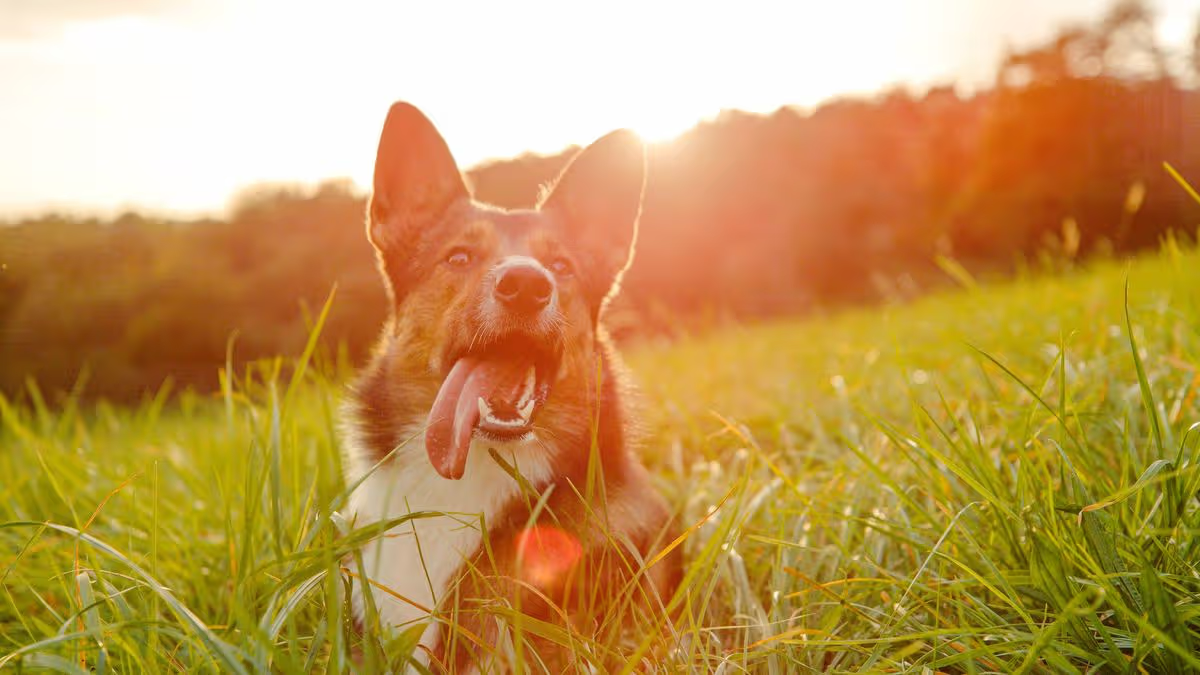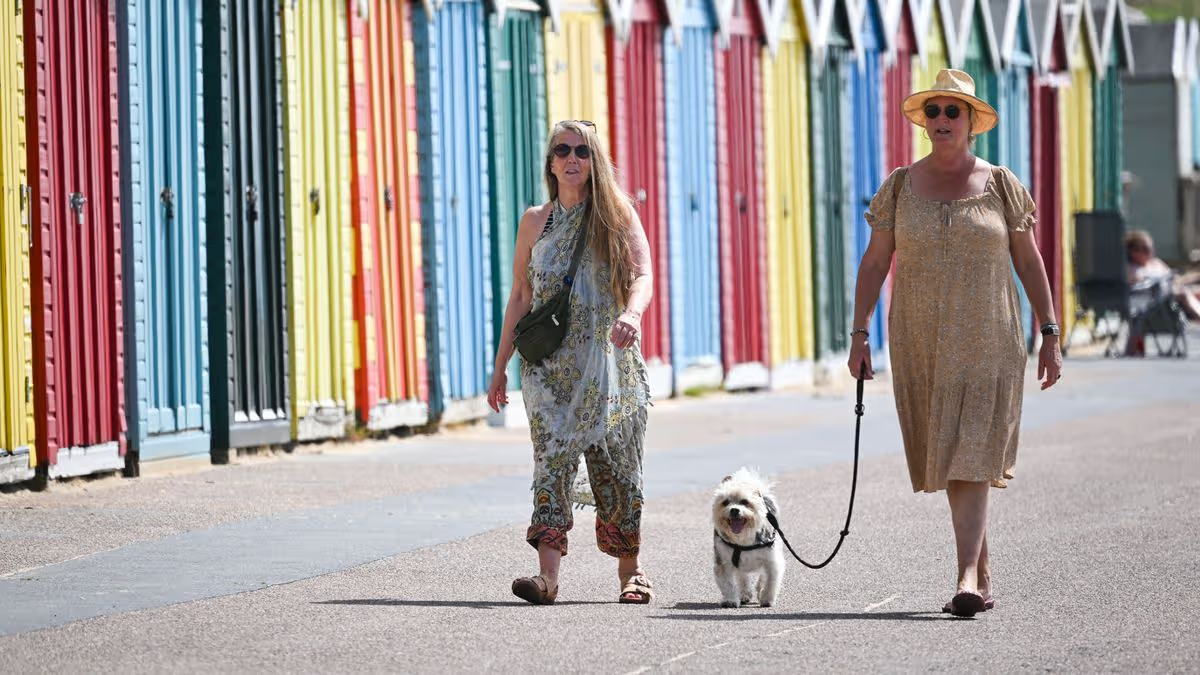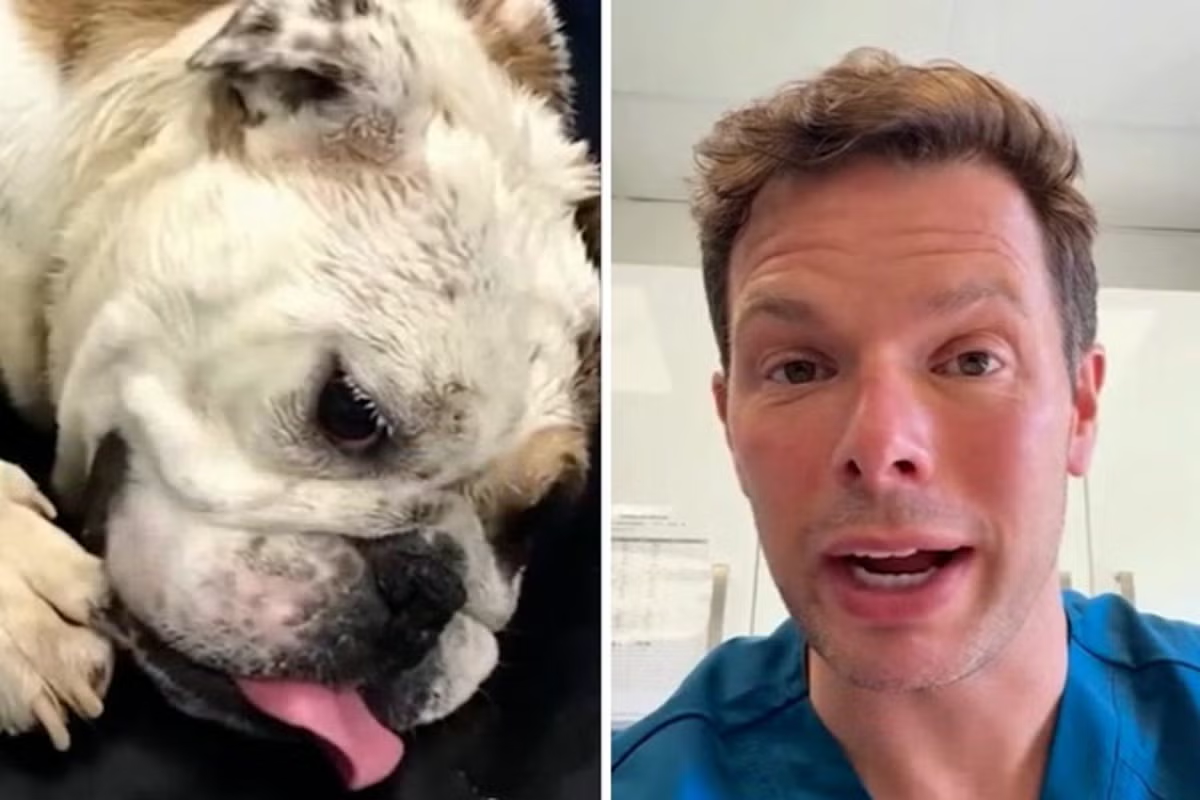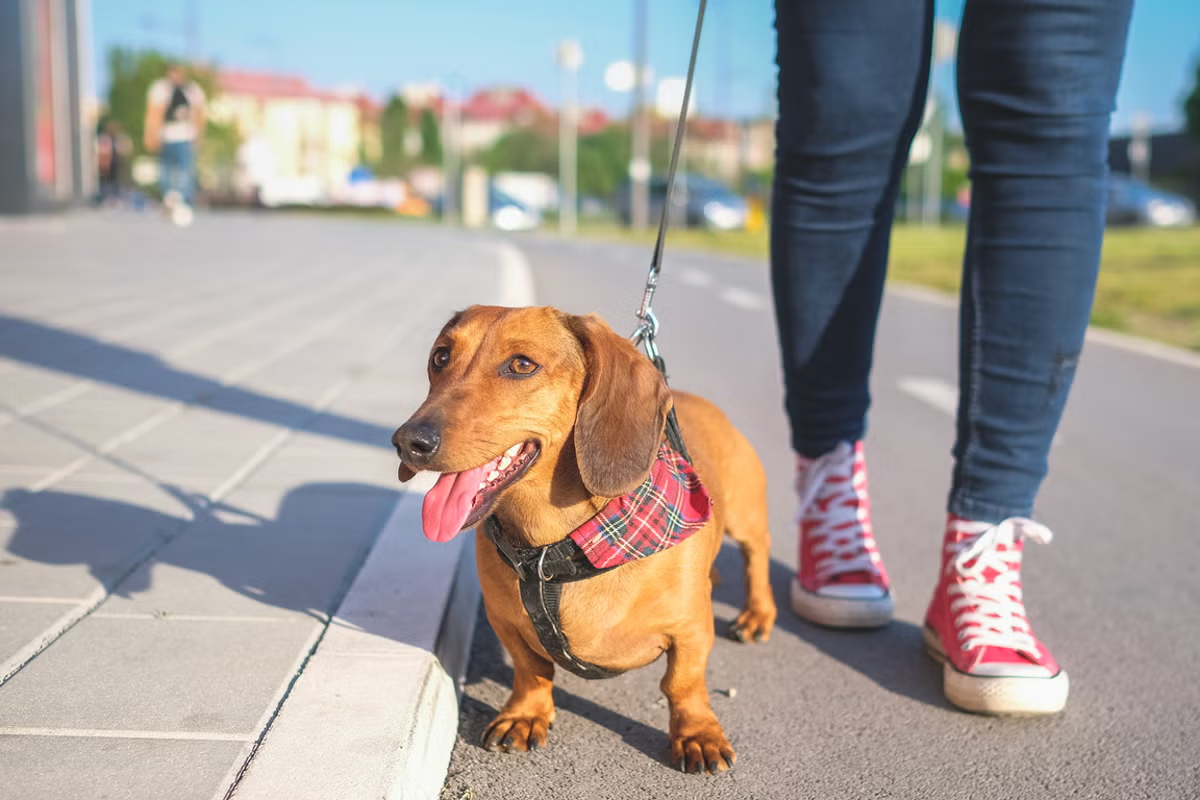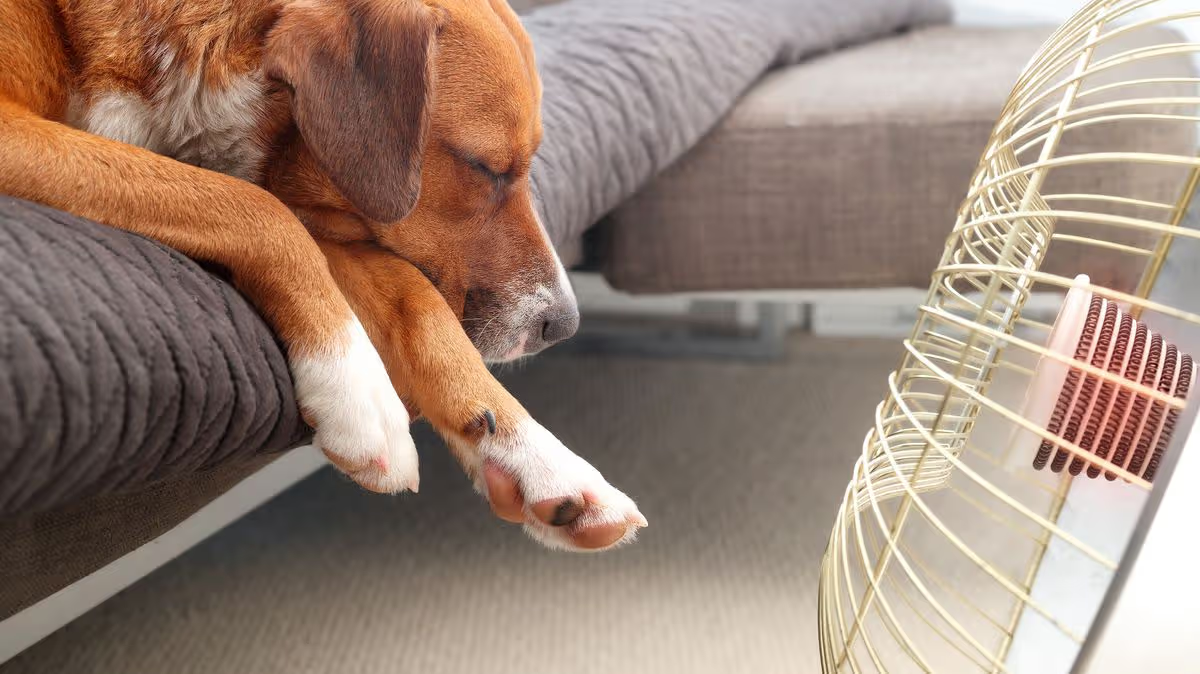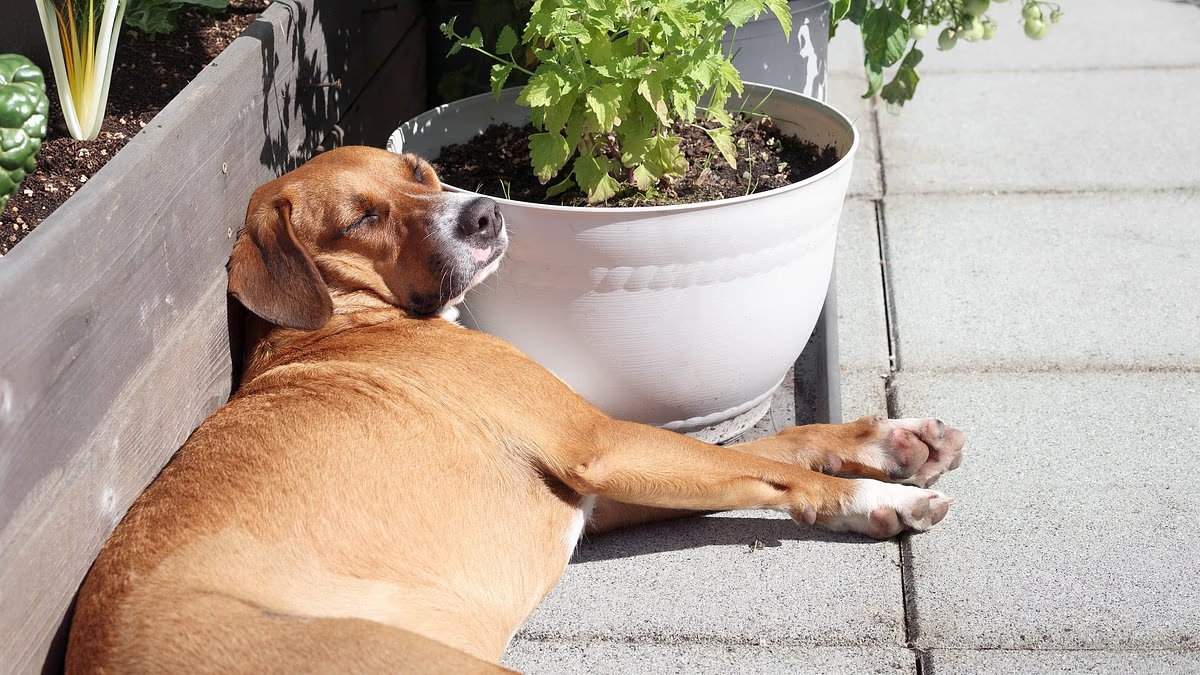
Daily Mail journalists select and curate the products that feature on our site. If you make a purchase via links on this page we will earn commission - learn moreAs the UK braces for a powerful 'heat dome' that could see temperatures surpass 40C this week, pet owners have been warned against using wet towels and ice-cold water to cool down their beloved furry friends.Experts have instead urged Britons to rely on the likes of dog pools, cooling vests and elevated beds to help stop their pets from overheating.Pooch & Mutt's resident vet, Dr Linda Simon, told The Daily Mail: 'Do not put a wet towel on them, as this traps heat inside their body.'Dr Charlotte Inness, a leading veterinarian and founder of online veterinary pharmacy, VetMedi, echoed this, adding: 'Wet towels can help briefly, but if they become warm, they may trap heat and humidity against the coat.'Cooling vests and mats make for a far safer alternative,' she continued, before suggesting owners invest in a 'foldable pool made of puncture-resistant PVC'. She explained how this would let the animals dip their paws in to cool down safely, adding: 'Cool - not icy - water helps prevent blood vessels constricting, which can actually slow heat loss.' Another suggestion from Dr Inness included elevated beds. 'They improve airflow underneath, which helps heat dissipate from the belly,' said the expert.However, whilst there are plenty of gadgets that people can invest in to help cool down their pets, one of the top tips to keep them from overheating is by ditching their walk entirely - or picking the timing of it very carefully. As the UK braces for a powerful 'heat dome' that could see temperatures surpass 40C this week, pet owners have been warned against using wet towels and ice cold water to cool down their beloved furry friends (stock photo)David Martin, Group Director of Animal Welfare at Inspiring Vet Care, urged pet owners to think twice before heading out during the hottest parts of the day.He said: 'Many owners feel guilty about skipping their dog's daily walk, but during periods of extreme heat, missing a walk is often the safest option. 'Dogs can quickly overheat, even during short periods of exercise, particularly when temperatures are high. 'Instead, consider providing mental stimulation at home through training sessions, puzzle feeders, scent games or indoor play. 'These activities can help keep your dog happy and engaged while avoiding the risks associated with exercising in hot weather.'Dr Linda echoed this, adding: 'A phrase that has stuck with me since my university days is that: "A dog never died from missing a walk". 'Many owners feel pressured into walking their dog every day, but this can do more harm than good when the weather is hot.'Different dogs will tolerate different temperatures, and those who are very young, very old, unwell or short-nosed are less tolerant of hot days. 'All dogs should tolerate up to 20C, but some more susceptible individuals may struggle as the thermometer climbs.'But if you do decide to walk your dog, she insisted, 'The ideal time to walk is in the morning, before the sun has warmed the ground. Evening is next best, as the day cools down'.Pet expert Axel Lagercrantz, who is also CEO of the UK’s largest pet rehoming platform Pets4Homes, said owners should do a 'quick check before leaving' if they do need to head out at other times of the day.'Press the back of your hand on the pavement for five seconds. If it's too hot for you, it's too hot for their paws.'Elsewhere, he suggested it was also worth keeping on top of grooming where appropriate for any furry friend.'Regular brushing removes loose fur and can help many pets regulate their temperature naturally,' he revealed. 'One thing many owners get wrong is shaving their dog in the summer. For double-coated breeds like Siberian Huskies and Golden Retrievers, their coat actually protects them from sunburn and insulates against the heat, so shaving can do more harm than good. 'If you're unsure, speak to a professional groomer who knows your breed.'Pets should also always have access to plenty of fresh water and a cool, shaded spot to rest, said Axel. 'Cats can be particularly vulnerable to dehydration in hot weather, so encourage them to drink by providing multiple water bowls around the home. 'For rabbits, guinea pigs and other hutch animals, it's important to keep hutches out of direct sunlight at all times, ensure good ventilation, and cooling mats so they can move closer to or away from cooler areas as needed.'However, when considering the best shaded spots for your beloved furry friends, David warned owners to be 'vigilant about what rooms and buildings your pets can get access to'. 'While we're all aware of the dangers of hot cars, the same risks apply to greenhouses and conservatories. 'Never let an animal get shut inside a conservatory or greenhouse, as temperatures can quickly become lethal.'He added: 'Never leave your pet unattended in a vehicle, even for a few minutes, as temperatures can quickly become life-threatening.'The experts also suggested offering pets wet rather than dry food, as it can contain up to 80 per cent more moisture. Alternatively, add some warm water to kibble, to make a gravy. Or, offer treats with lots of moisture such as cucumber and watermelon to encourage good hydration in this weather.With temperatures expected to reach towards 40C this week, experts have also warned about the risk of heatstroke in pets.Dr Linda Simon said: 'Early signs of heatstroke include excessive panting, a 'glazed over' look in the eyes, red gums and tongue, drooling and restlessness. 'If heatstroke progresses, you may see additional signs such as weakness, collapse and trouble breathing.'If your dog starts to show signs of heatstroke, cool them off right away by pouring cool (not icy) water over them (not their head) and using fans. 'Do not put a wet towel on them, as this traps heat beside their body. Bring them to the nearest vet clinic immediately; calling ahead to let them know you're on your way.'
How to keep your pets cool during the UK heatwave
As the UK braces for a 'heat dome' that could see temperatures surpass 40C this week, pet owners have been warned against using wet towels and ice cold water to cool down their beloved furry friends.
1,014 words~5 min read