Tokyo Report | Environment | East Asia
The Japan-U.K. compact shows Japanese companies still have an appetite for offshore wind, but local communities must not be left behind.
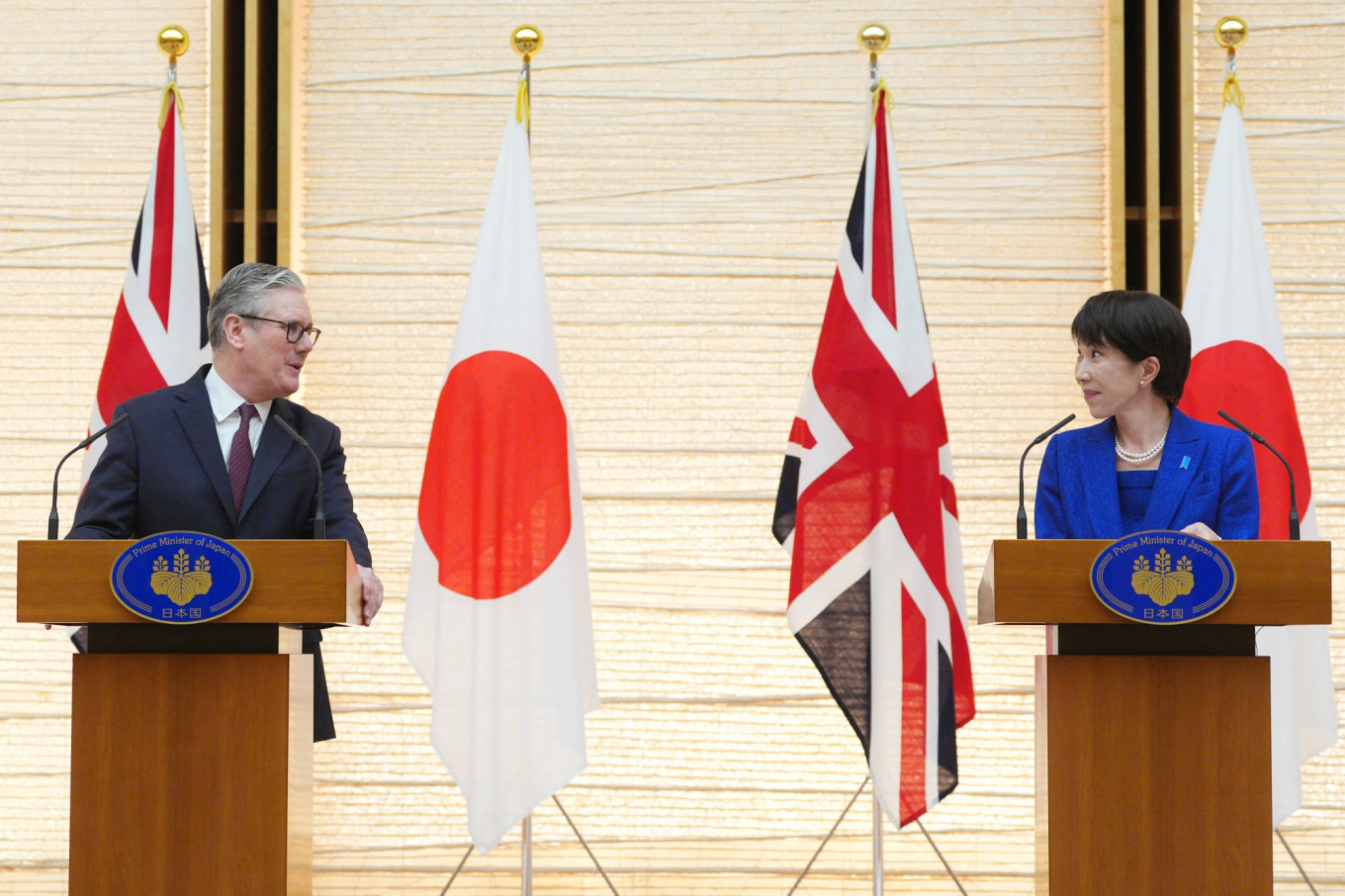
The announcement of a Japan-U.K. Offshore Wind Compact during Prime Minister Takaichi Sanae’s visit to the United Kingdom in mid-June rounds off a turbulent 12 months for the offshore wind energy sector in Japan. Successes such as the Kitakyushu Hibikinada and Goto schemes in Kyushu coming online have been offset by the withdrawal of Mitsubishi from high-profile projects off the Akita and Chiba coasts due to spiraling costs. Much of the blame for these failures has been attributed to the previous rules set by the Japanese government for companies bidding to develop projects, which left developers exposed to inflation and unexpected price hikes.
Without a strong business case, the future for offshore wind energy within Japan looks uncertain. This represents a blow to Japan’s international climate change obligations, within which offshore wind energy is expected to play a small but significant role. Perhaps more significantly, however, Japan’s stuttering offshore wind progress is a cause for concern for shrinking coastal cities such as Muroran in Hokkaido and Choshi in Chiba, which are betting on wind farms in their coastal waters to bring jobs and revenue.