This Reading Room is a collaboration between MedPage Today® and:
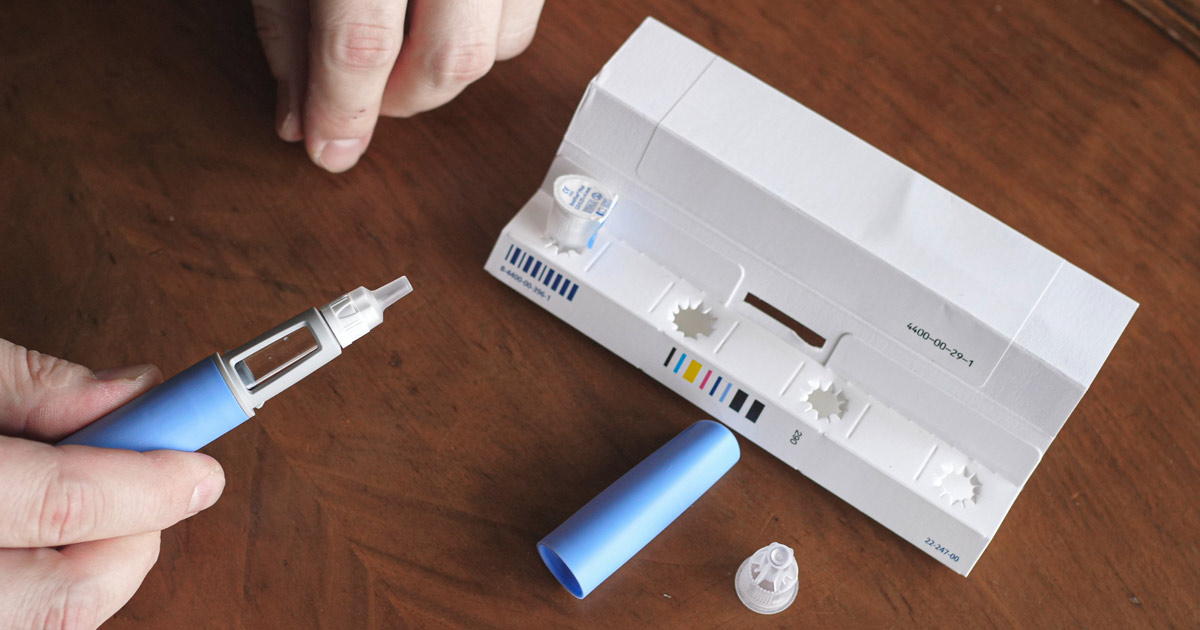
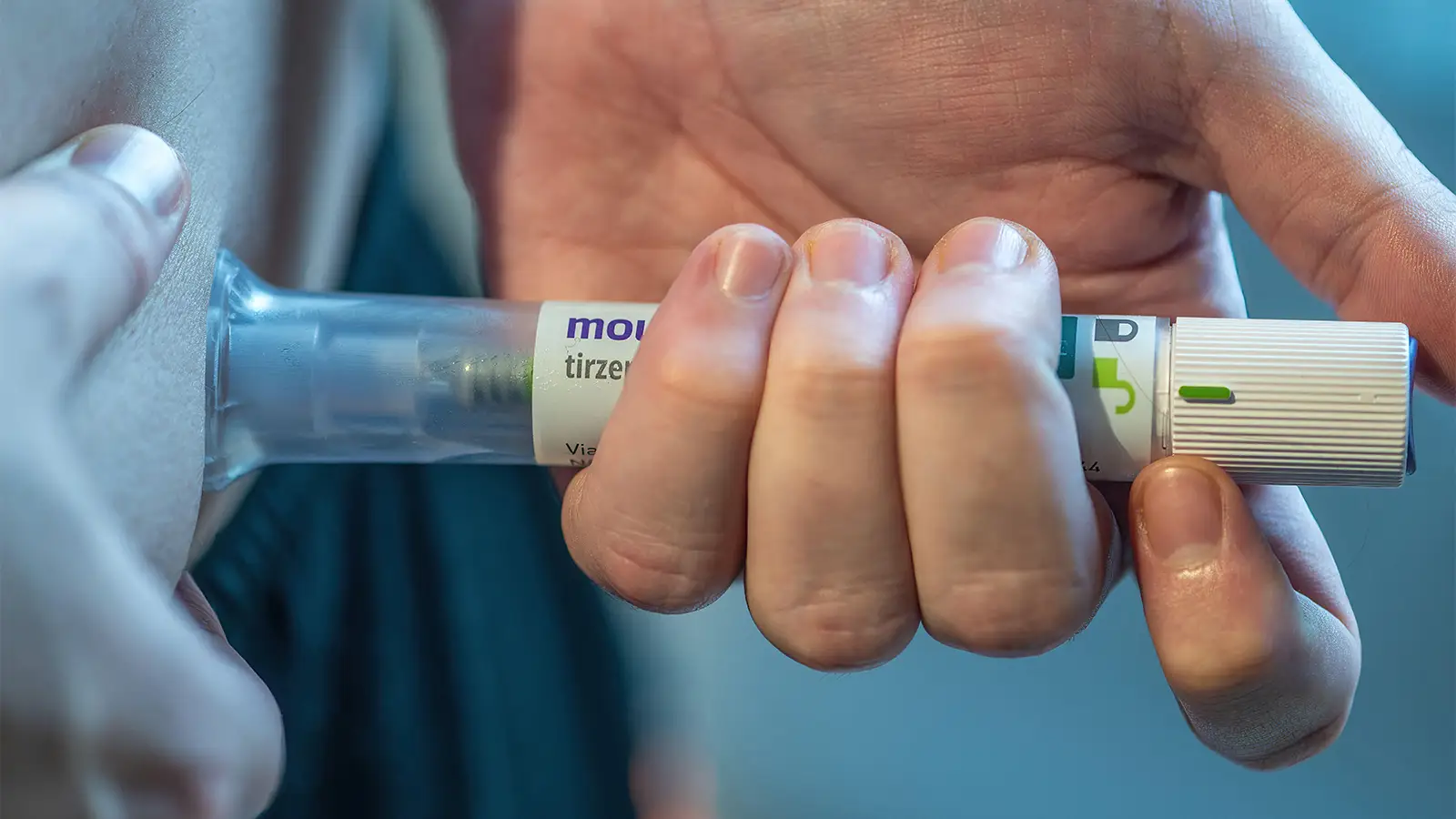
Although it would seem that the benefits of glucagon-like peptide-1 receptor agonist (GLP-1)-related weight loss, with improved energy, body image, and erectility would correlate with enhanced sexual function, there is little specific research in that area.
Sonya T. Gelfand of George Washington University in Washington, D.C., and colleagues conducted a "narrative review analysis" to clarify the potential impact of GLP-1 therapy on sexual desire. They proposed a serotonergic mechanism by which these agonists theoretically decrease libido, offering a biopsychosocial perspective on why the effect may be camouflaged by competing influences.
As the researchers described in Obesity Pillars, they studied the effects on physiological and lifestyle factors, focusing on the potential connection between GLP-1 agonism and the brain's reward pathways. The team established a theoretical model for how GLP-1 agonist modulation via increased serotonergic activity at the 5-HT2C receptor may result in diminished sexual desire. High serotonin levels are known to reduce libido in people taking certain antidepressants, the researchers explained.