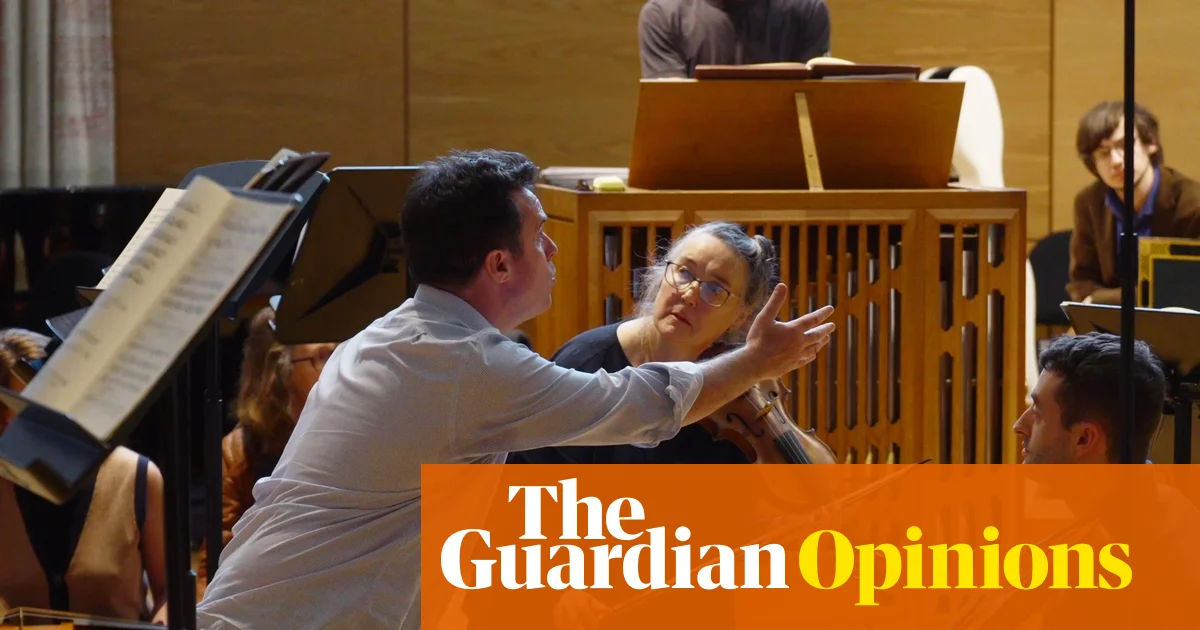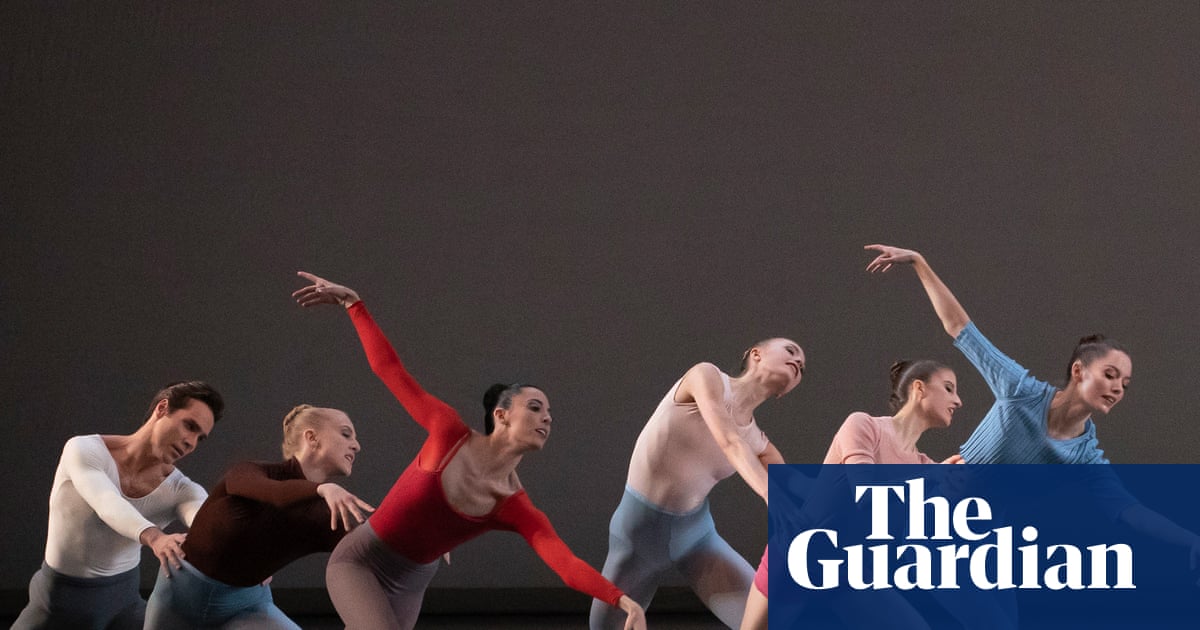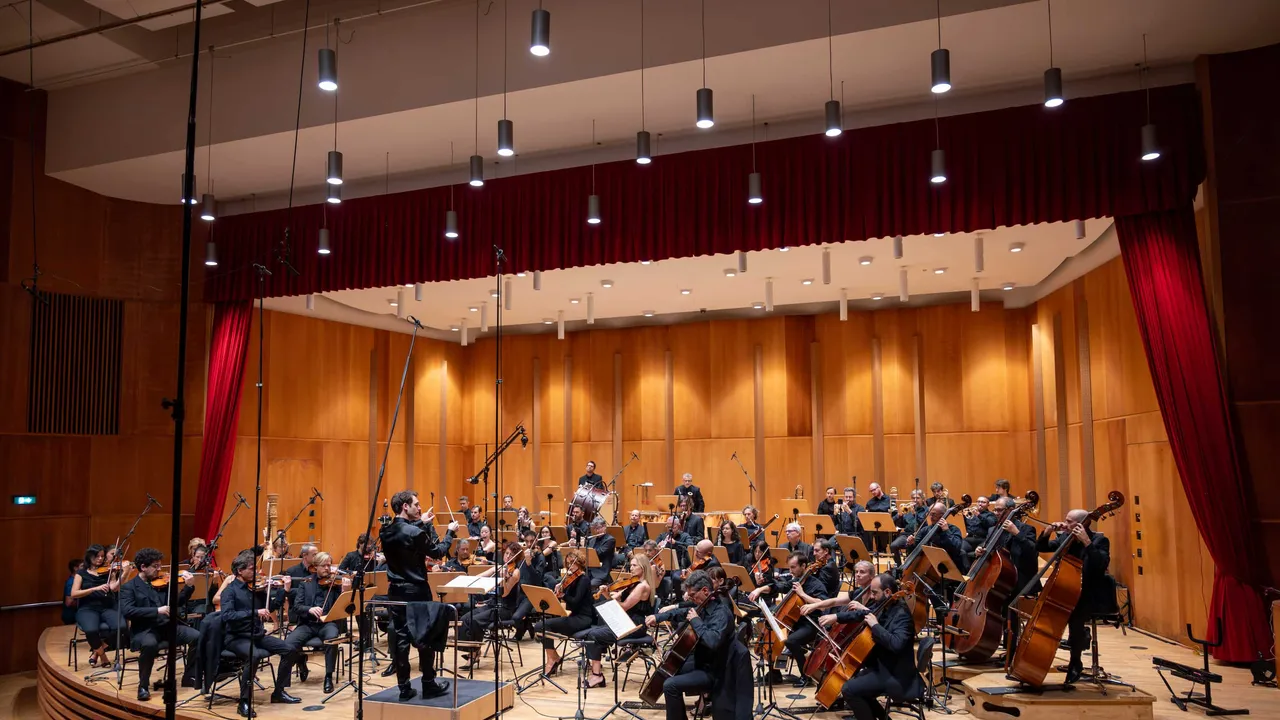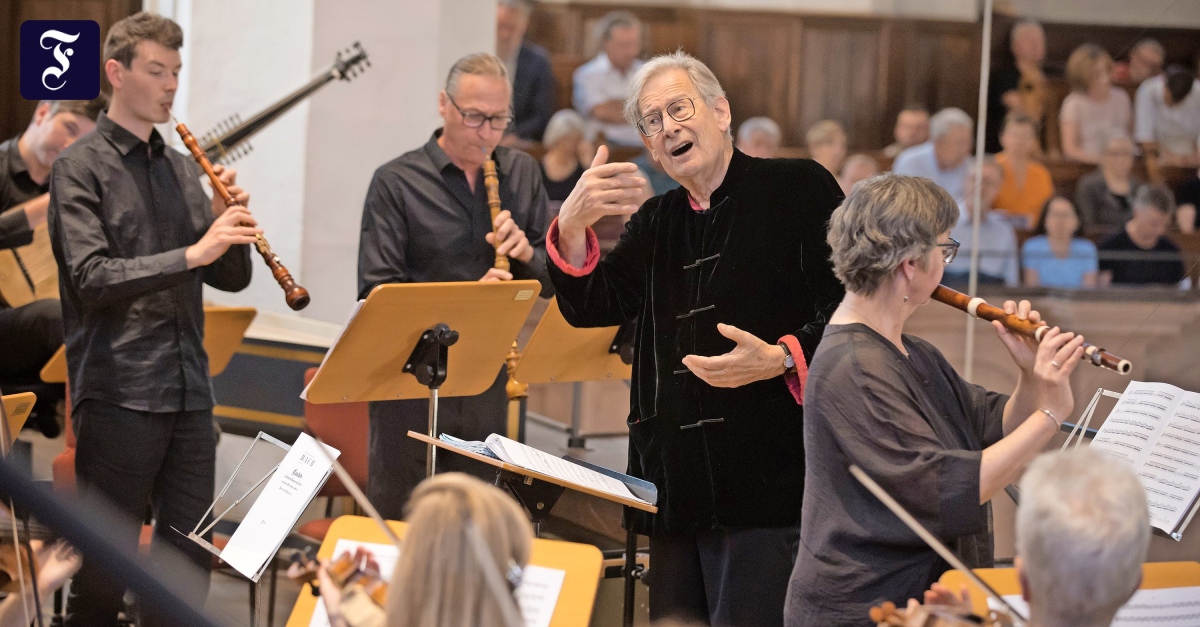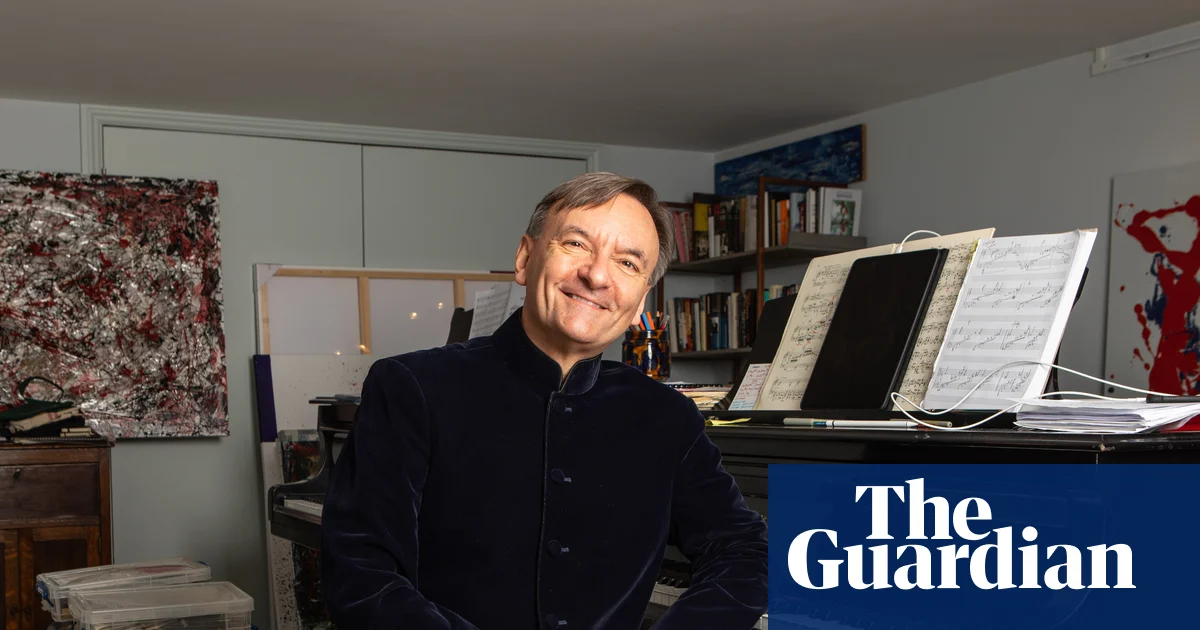
Mainstream classical concert culture today ‘disembodies’ music and distances performers from their audience, a Cambridge academic argues. Drawing on very different ideas about music and the body from the early modern period, and working with professional musicians, Professor Bettina Varwig aims to transform the experience for all involved.
Sopranos wandering freely as they sing. Audiences swaying and tapping along to the music. Tears, sighs, hugs, dancing, and hands on hearts.
This isn’t how classical music is usually performed or experienced in the 21st century. Many might admit that the culture is restrained, except perhaps at the Last Night of the Proms. Critics go further, accusing classical music of being stuffy and uptight.
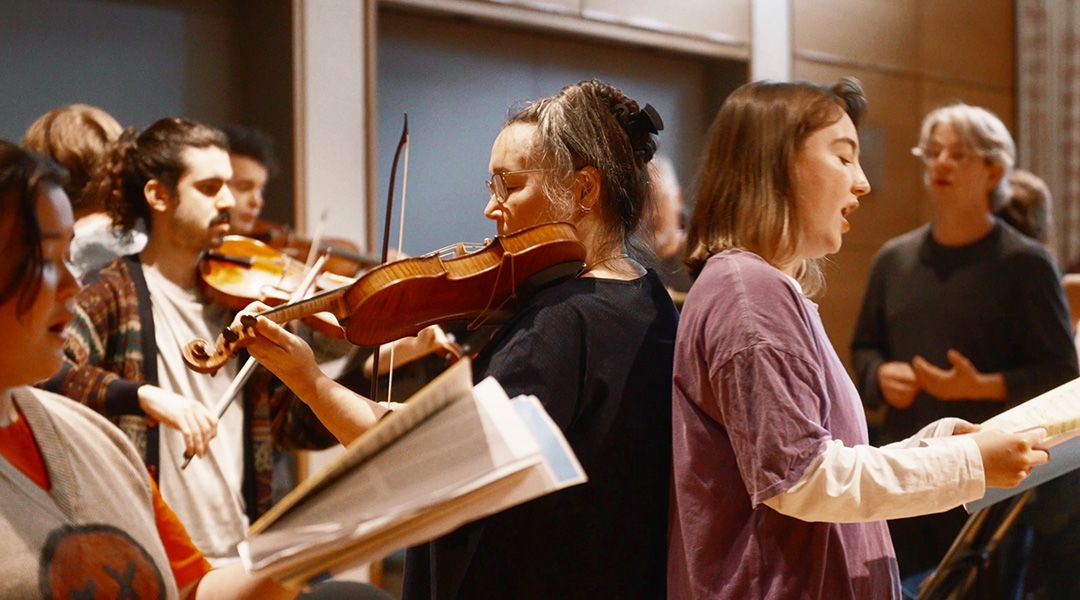
Professor Varwig is determined to help classical music re-embrace its powerful relationship with our bodies. A new film, released today on the Music in the Flesh project website, reveals the dramatic impact that experimental performances have on participants.
Rachel Stroud, an instrumentalist filmed at a recent workshop at the Royal Academy of Music, said: “It’s been an emotional rollercoaster. On the one hand, there's a sense of brimming over with joy at being able to play like this. And on the other hand, I felt really sad at some moments.