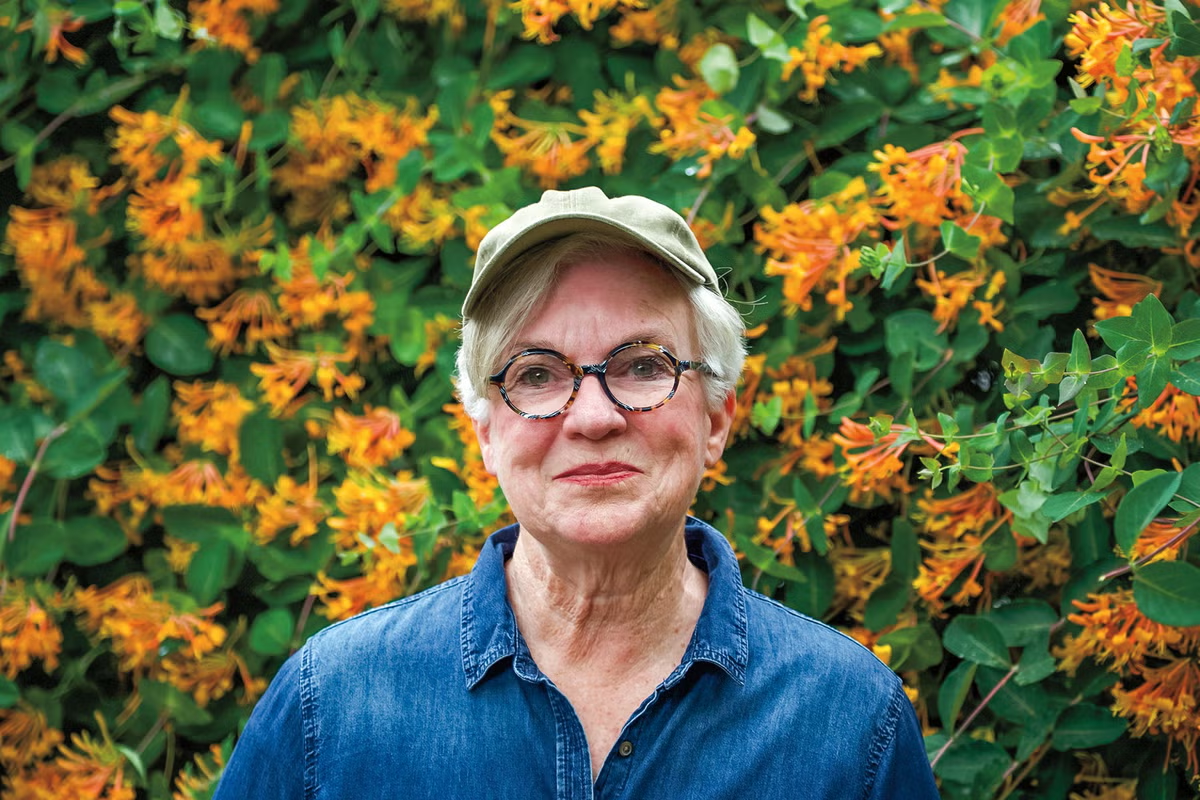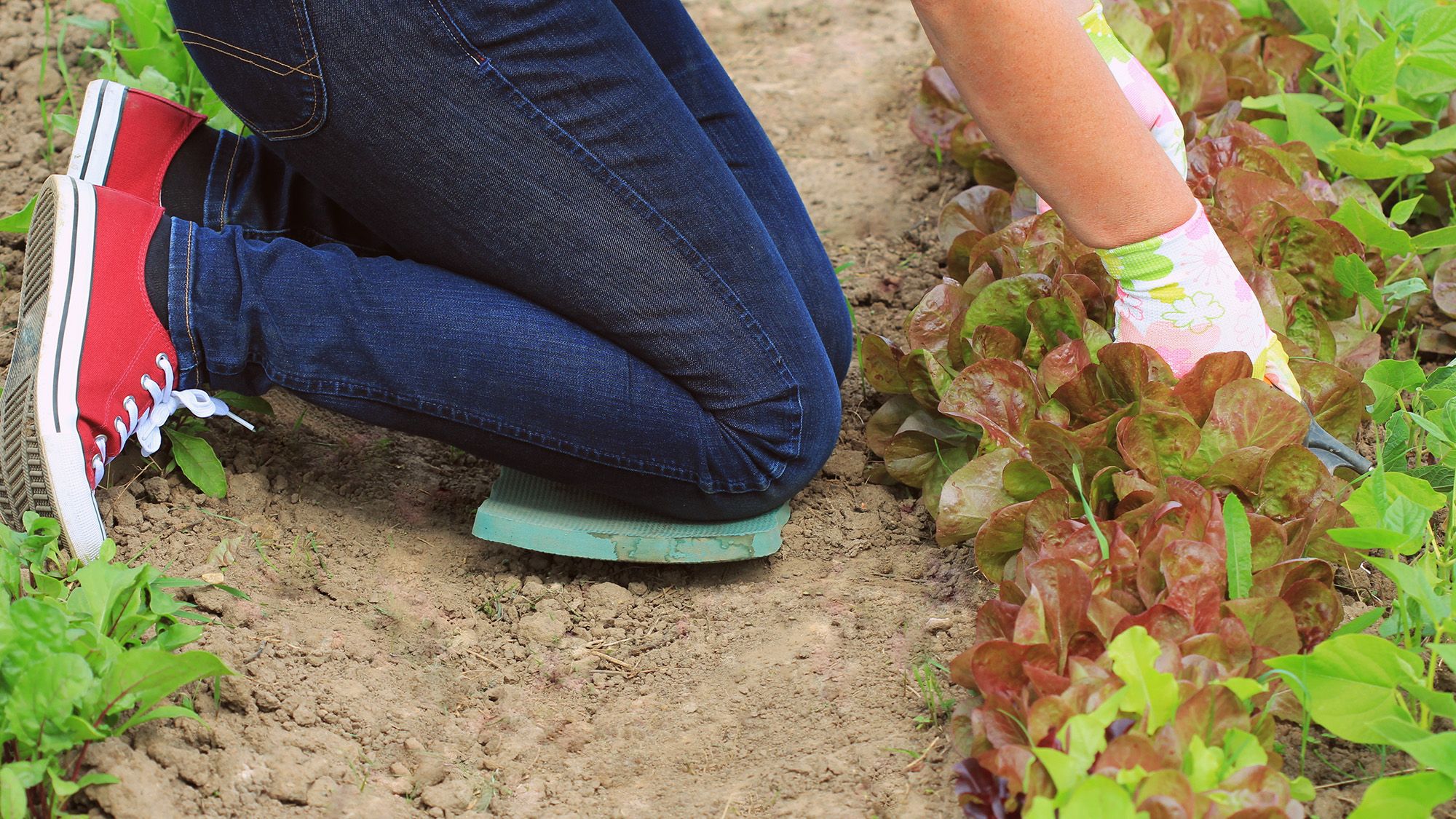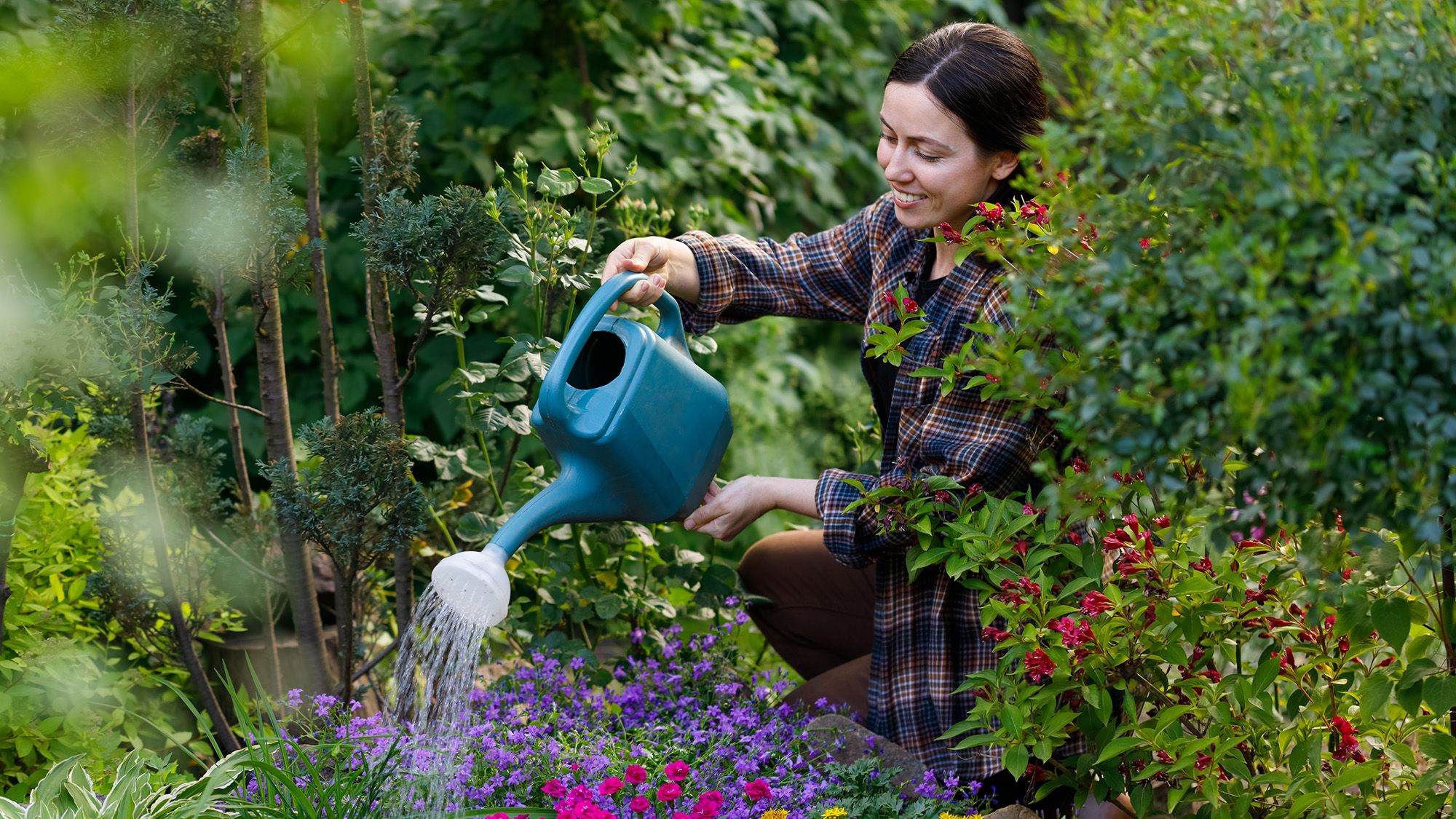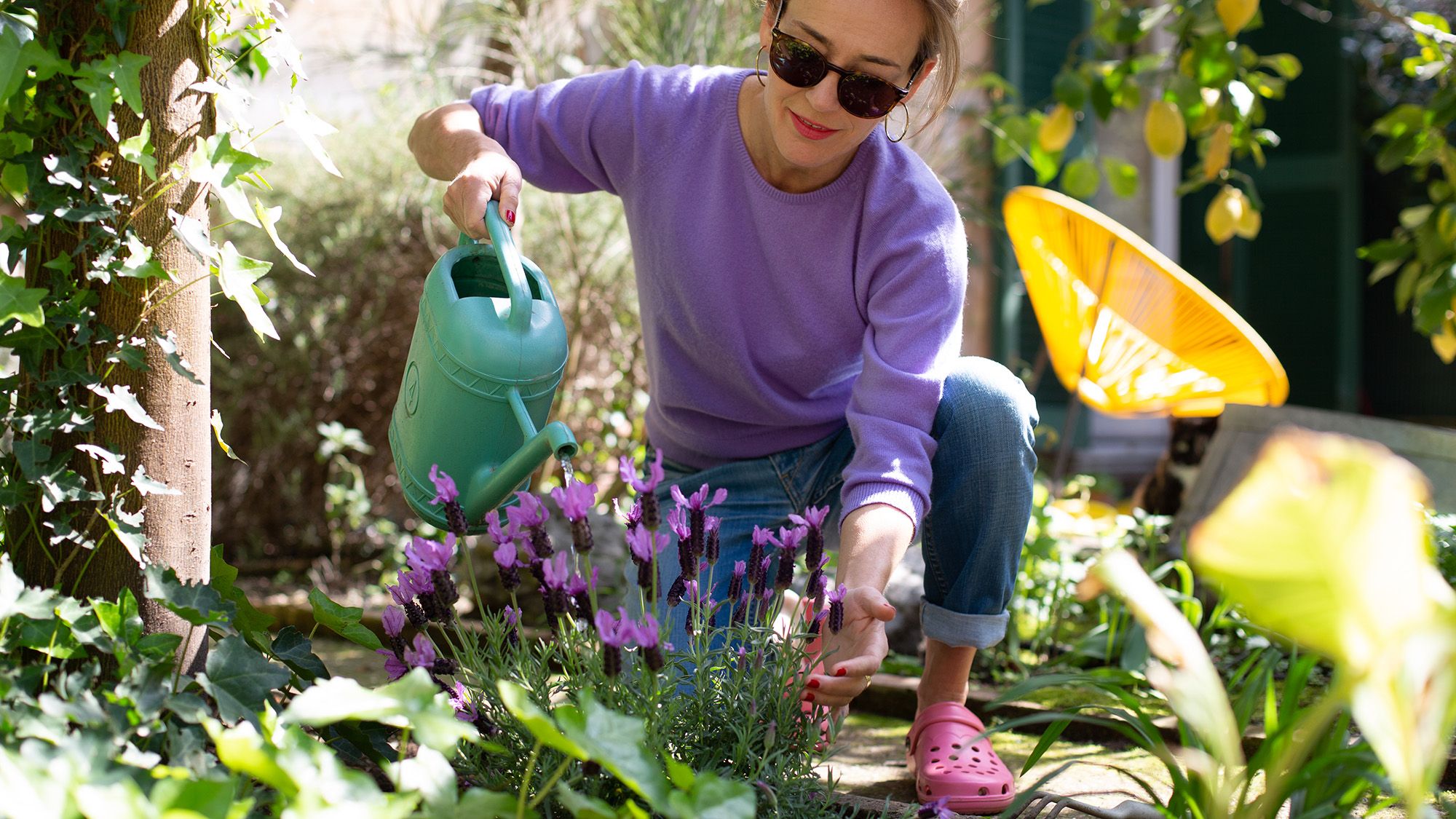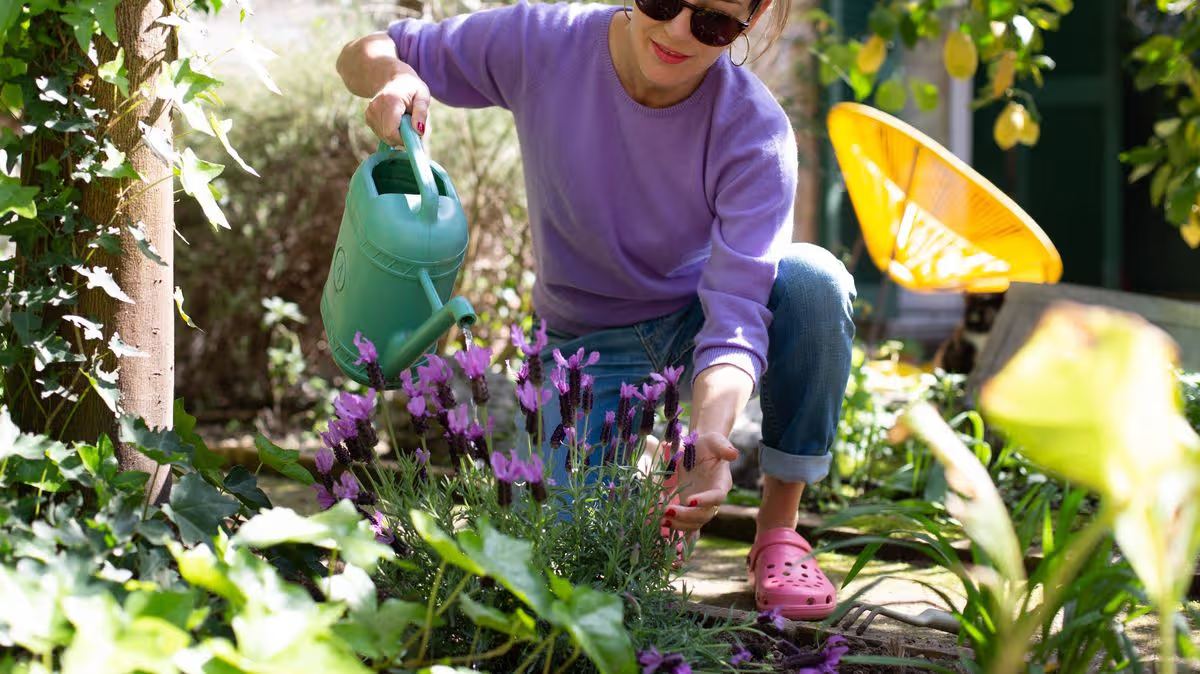
You don’t necessarily have to downsize if your garden’s becoming difficult to manage but you can use strategies to cut down your workload as you age.So says gardener and writer Rhonda Fleming Hayes, who turns 70 in July. Her new book, Garden For Life, tackles the obstacles that hit ageing gardeners who may be considering hanging up their hoes forever.“As a garden writer, I’m I’m constantly seeing beautiful gardens and meeting all these inspiring gardeners, and so many of them are in their 60s, 70s, even 80s. It’s like they have found the fountain of youth,” she said.“Gardening is so good for you, so part of the reason for writing the book is to encourage people to keep reaping those benefits. At the same time I was hearing in my gardening circle and on social (media) people talking about downsizing. I think a lot of us in my generation have created these beautiful gardens, but all of a sudden we’ve been blindsided by the fact that we’re growing older.”“A lot of people are saying that they’re looking at their gardens and they feel overwhelmed, or they’re sad because they don’t want to move and let it go.”Garden For Life tackles the obstacles that hit ageing gardeners who may be considering hanging up their hoes forever (Chelsea Green/PA)But there are joys in gardening as people get older, she insists.“I think ‘right-sizing’ is a better term. It’s more optimistic. Some people say they’re going to future-proof their garden so they can continue to garden.“It’s a matter of maybe not just reducing the size of the garden, but reducing the scope, the work, and there are lots of strategies for that.“It’s not just about reducing the area that you’re working in, but might be also about your methods, your materials, things like that.”She offers some tips on how to ‘right-size’ without having to move.Bring the joyful parts closer to homeIf you have a big garden, you could break it down into zones according to the amount of maintenance that needs to be done, she suggests.Use lightweight containers instead of big, heavy glazed pots as you get older (Alamy/PA)“Once you grow older, bring all that intense cultivation closer to the house, ask yourself, ‘How many containers do I need?’ or ‘How many particular beds do I need?’“Bring your containers close to the house, do your most intense, probably more fun gardening near the house, which is going to reduce the number of trips. You’re also going to be able to walk out there and enjoy it, because that’s a big part of it.”Accessibility is a key part, she explains.“If you’re keeping all of your colourful, more intense things close to the house, you’re also going to be able to look from inside and enjoy it when you know you can’t be out there.”Replace perennials with shrubs“A lot of people I know are now reducing the number of perennials they have, because that requires deadheading, dividing and cutting back – and are introducing more shrubs into that area.If you have a big garden, you could break it down into zones according to the amount of maintenance that needs to be done (Alamy/PA)“Breeders have responded to people growing in smaller spaces. There are smaller versions of what might have been shrubs that were too large for a space, so you could mix the sizes to get that herbaceous border effect.”Hydrangeas, viburnums, physocarpus (ninebark), potentillas and dwarf evergreens will give you texture, foliage, flower and fruit, she says.Let your garden style be more relaxed“You can’t stop time, but you can change how you look at your garden, maybe accept a little bit more imperfection,” she says.Choose lighter accessories and ergonomic toolsUse lightweight containers instead of big, heavy glazed pots as you get older, she advises.Choose long-handled tools rather than having to get down on your hands and knees and try to avoid heavy, petrol-operated tools, switching them for lightweight battery-powered tools which are rechargeable.Pruning rose bushes with battery-powered secateurs (Alamy/PA)“I have a little cordless trimmer that I shape my evergreens with. I actually do some deadheading with it.“Get lighter weight, more ergonomic tools like trowels that have the curved handle that keeps your hand in a neutral position. A lot of injuries are repetitive strain, so if you can get a tool that will not strain your wrist, that’s always a win.”Create raised beds to avoid bendingIf you bring things closer to your natural resting position, such as raised beds or climbing plants, it will prevent you stooping in the garden.Vertical planting towers with multiple planting pockets provide an easy-access planting area on a patio or balcony, where you might grow strawberries, cut-and-come-again lettuces or pretty flowering plants.If you bring things closer to your natural resting position, such as raised beds or climbing plants, it will prevent you stooping in the garden (Alamy/PA)“If I can use a trellis, go upwards, so I don’t have to bend down to harvest or tend to it, I do that. I even grow little mini melons and squash. It’s not just broad beans that can grow upwards.”Reduce the planting area“Not every solution is answered with plants, sometimes it’s reducing the amount of planting and perhaps adding in more hardscape, like a new patio or a secondary sitting area, somewhere where you have good access and where you will be able to enjoy the garden,” she suggests.It may be possible to lose a little of it by creating a wider gravel path (Alamy/PA)If you have a huge, deep planting area which you are finding difficult to stay on top of, it may be possible to lose a little of it by creating a wider gravel path, she advises.Consider your lawnDepending on how important your lawn is to you, consider reducing it in size.“There are plenty of people that have large lawns who never step out on to them, other than to mow them. Lots of people are reducing their lawn, but I still think that lawn has a purpose, it has a cooling effect, it gives the eye a place to rest within a garden design.”Choose drought-tolerant plants such as lavender, rosemary, geraniums and other Mediterranean species to help reduce the need to water (Alamy/PA)If you love your lawn, there’s no shame in hiring help if it’s proving too much, keeping the fun parts of gardening for yourself and letting someone else do the mowing, she says.Be waterwiseIf you don’t want to spend hours with a hosepipe or a watering can, invest in an automatic irrigation system, making sure it’s not too complicated to operate before you buy.Also, choose drought-tolerant plants such as lavender, rosemary, geraniums and other Mediterranean species to help reduce the need to water.Keep fewer pots on the patio, so maybe opt for a really large one rather than three or four smaller containers, which will need more water.If you don’t want to spend hours with a hosepipe or a watering can, invest in an automatic irrigation system (Alamy/PA)
Simple ways to make gardening easier as you get older
If you bring things closer to your natural resting position, such as raised beds or climbing plants, it will prevent you stooping in the garden
1,160 words~5 min read