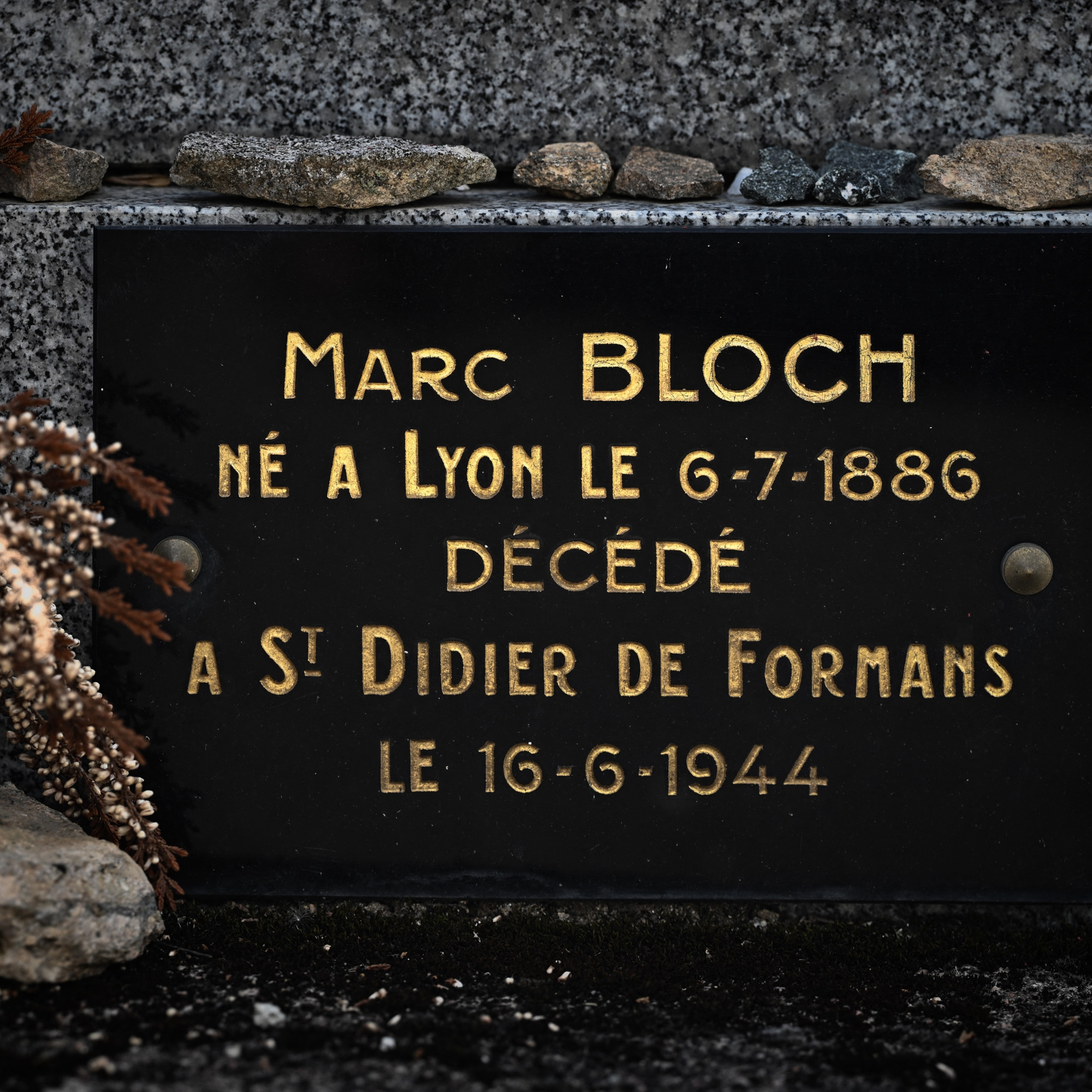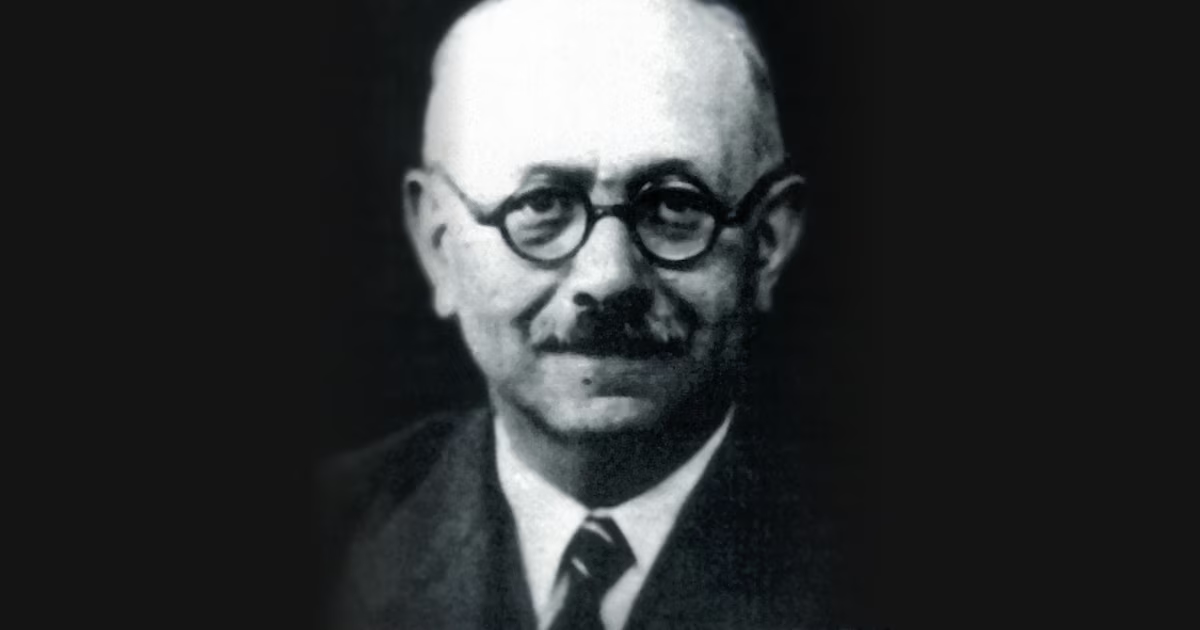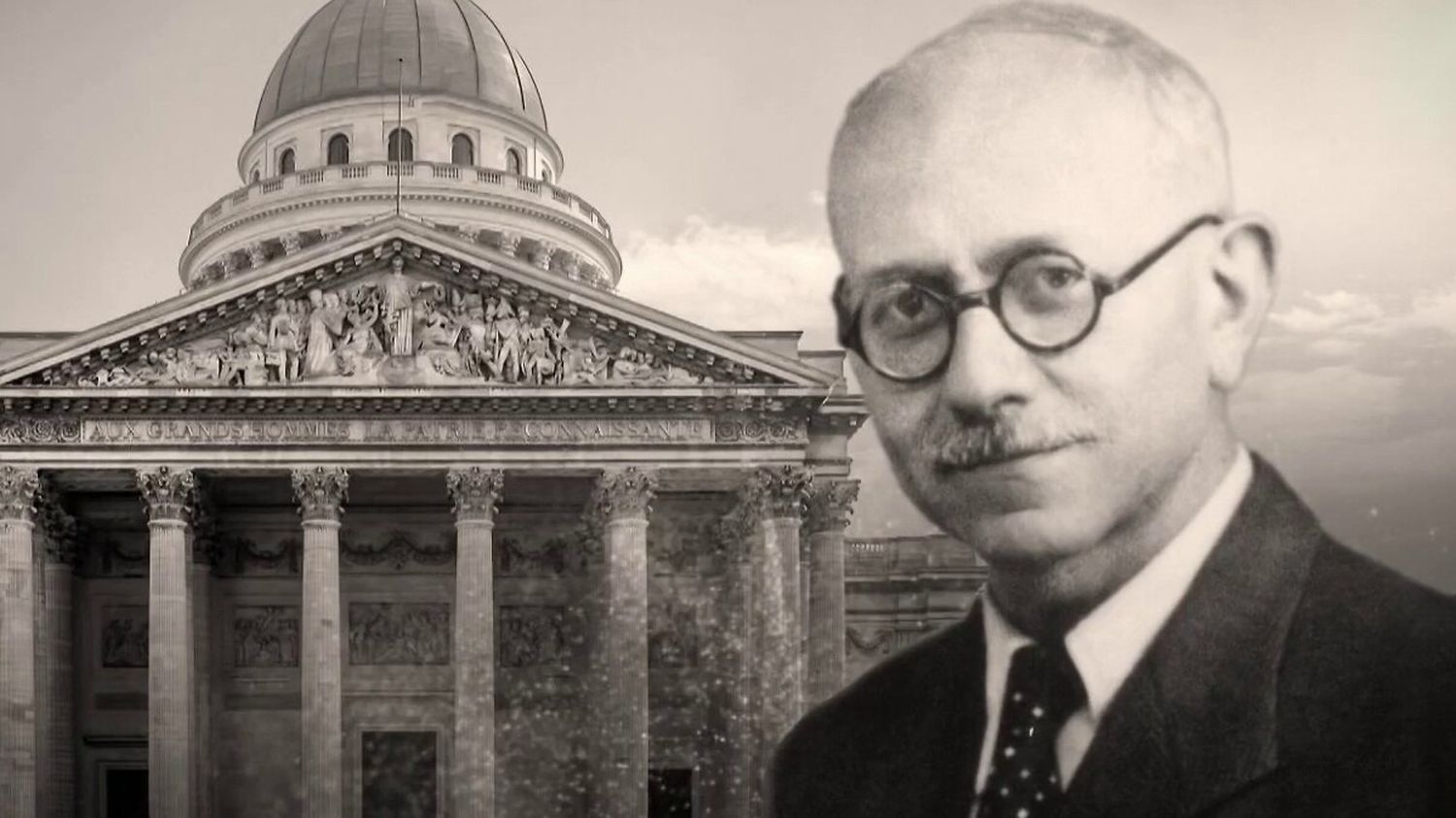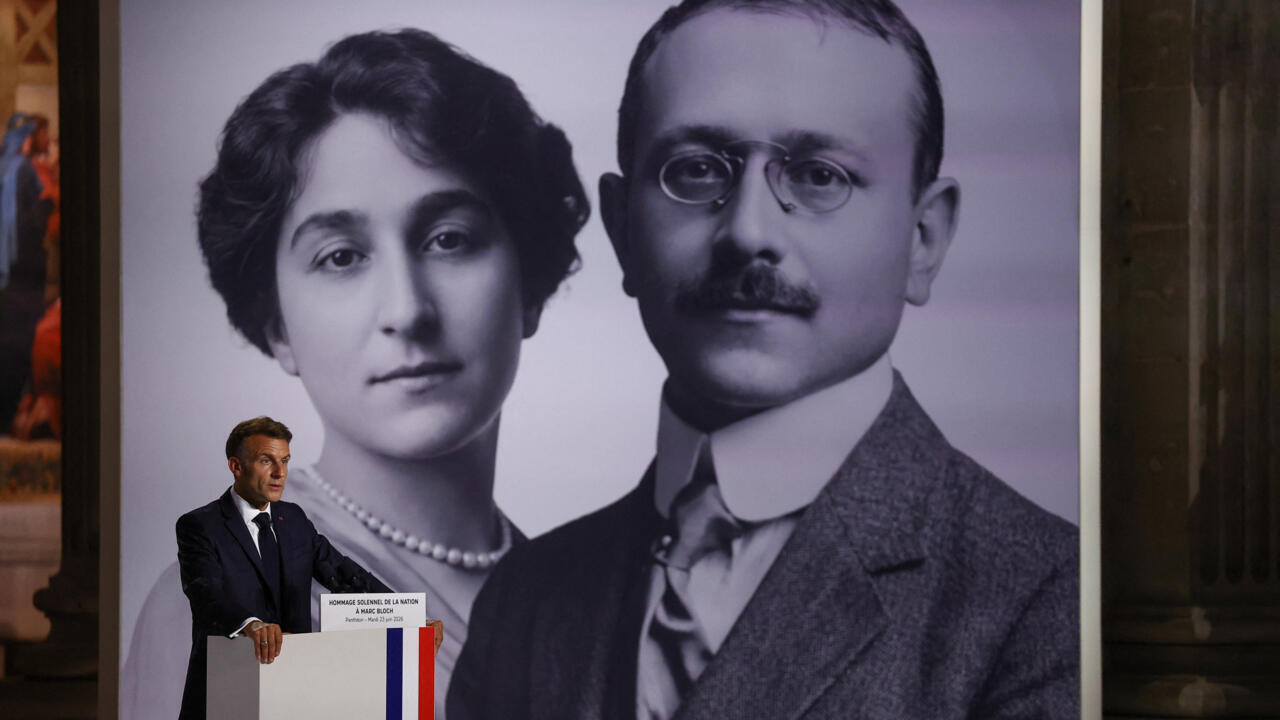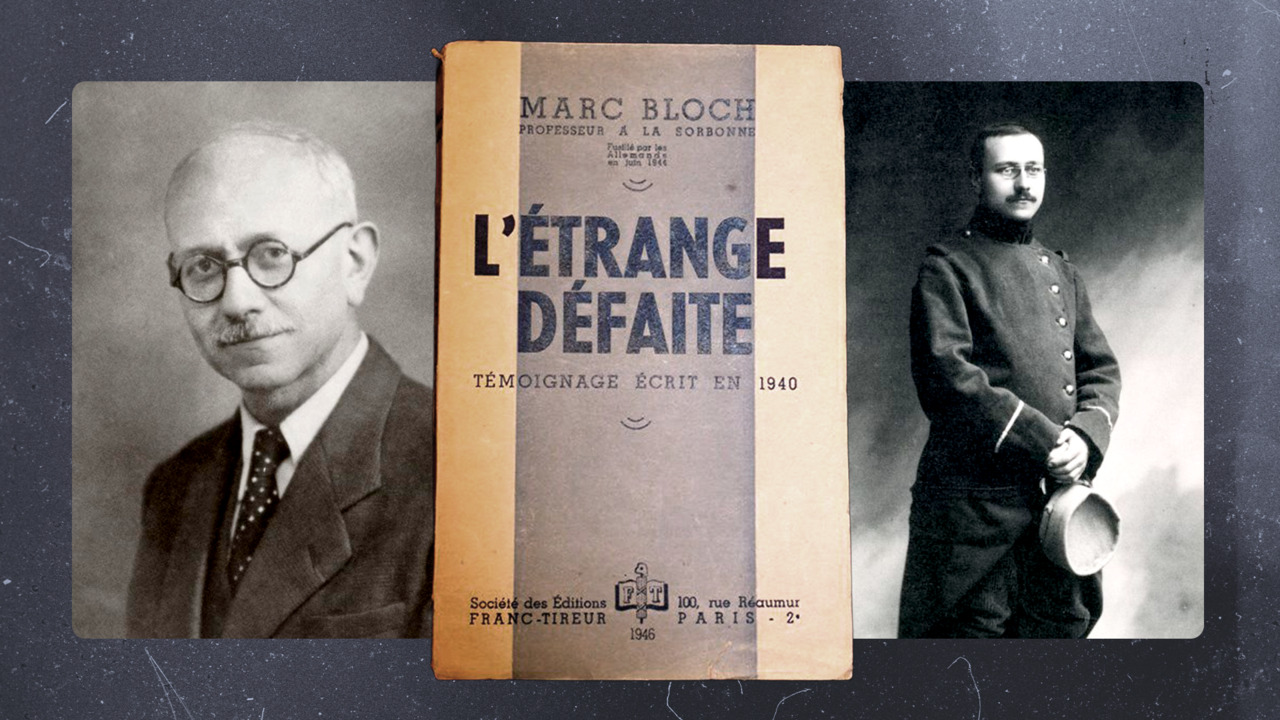
World War II continued to rage after France signed an armistice with Nazi Germany on June 22, 1940, and Marc Bloch already sensed the outcome could be fatal for him. In a prophetic letter dated March 18, 1941, he summed up his life with a lingering sense that something remained unfinished. “Throughout two wars, I was not given the chance to die for France. At least, I can in all sincerity bear witness to this: I die as I have lived, as a good Frenchman." He would fulfill this tragic destiny three years later, when he was executed by the Germans on June 16, 1944 at Saint-Didier-de-Formans alongside 29 other Resistance fighters. Throughout his life, Bloch remained deeply committed to France. "Attached to my homeland by a long family tradition, nourished by its spiritual heritage and history, I am truly unable to imagine another where I could breathe easily – I have loved it dearly and served it with all my strength," he wrote. Read moreJosephine Baker becomes first Black woman to enter France’s Panthéon A deep dive into the Great War Bloch wrote his first will as early as 1915. “I have no regrets. I have always cherished life (…). But I am ready for sacrifice, and I accept it; I dare say this without a shudder, but not without pride.” Then a 28-year-old high-school teacher, he had been called up at the start of World War I and served as a sergeant in the 272nd infantry regiment. “It was a formative experience for him, as it was for everyone of his generation,” said Nicolas Offenstadt, a specialist on the Great War and a professor at Paris 1-Panthéon-Sorbonne University, at a symposium on Bloch last month held by the historical service of France’s ministry of defence. After the first Battle of the Marne (September 6-12, 1914) he went on to fight in the Argonne. Having been promoted to adjutant, he endured “extremely precarious conditions under constant bombardment”, as Offenstadt describes it. Bloch received his first military citation in 1915 for having “led his section with great vigour and showing the utmost disregard for danger”. He fought in the monumental Battle of the Somme a year later, followed by policing missions in Algeria and then the Second Battle of the Aisne (Battle of the Chemin des Dames) in 1917. He was eventually appointed an intelligence officer in the Aisne. “One might think he was safe at that point, but that would be to misunderstand the First World War,” Offenstadt said, remarking that Bloch continued to be on the front lines in extremely dangerous situations and was often wounded.
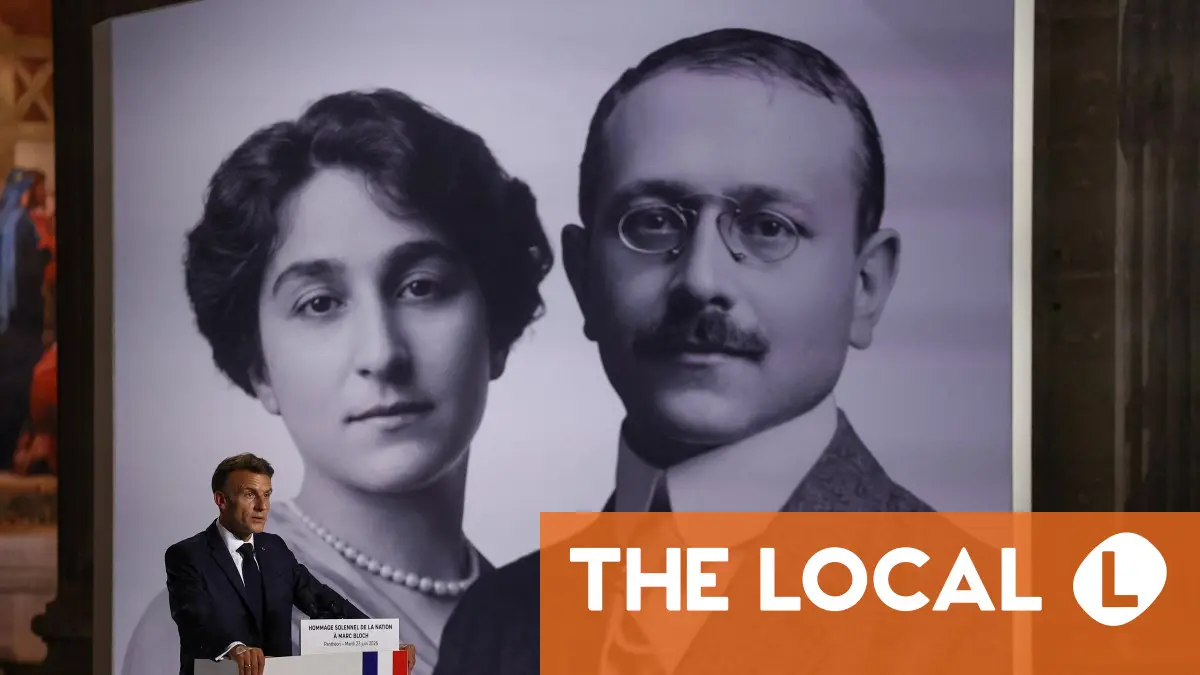
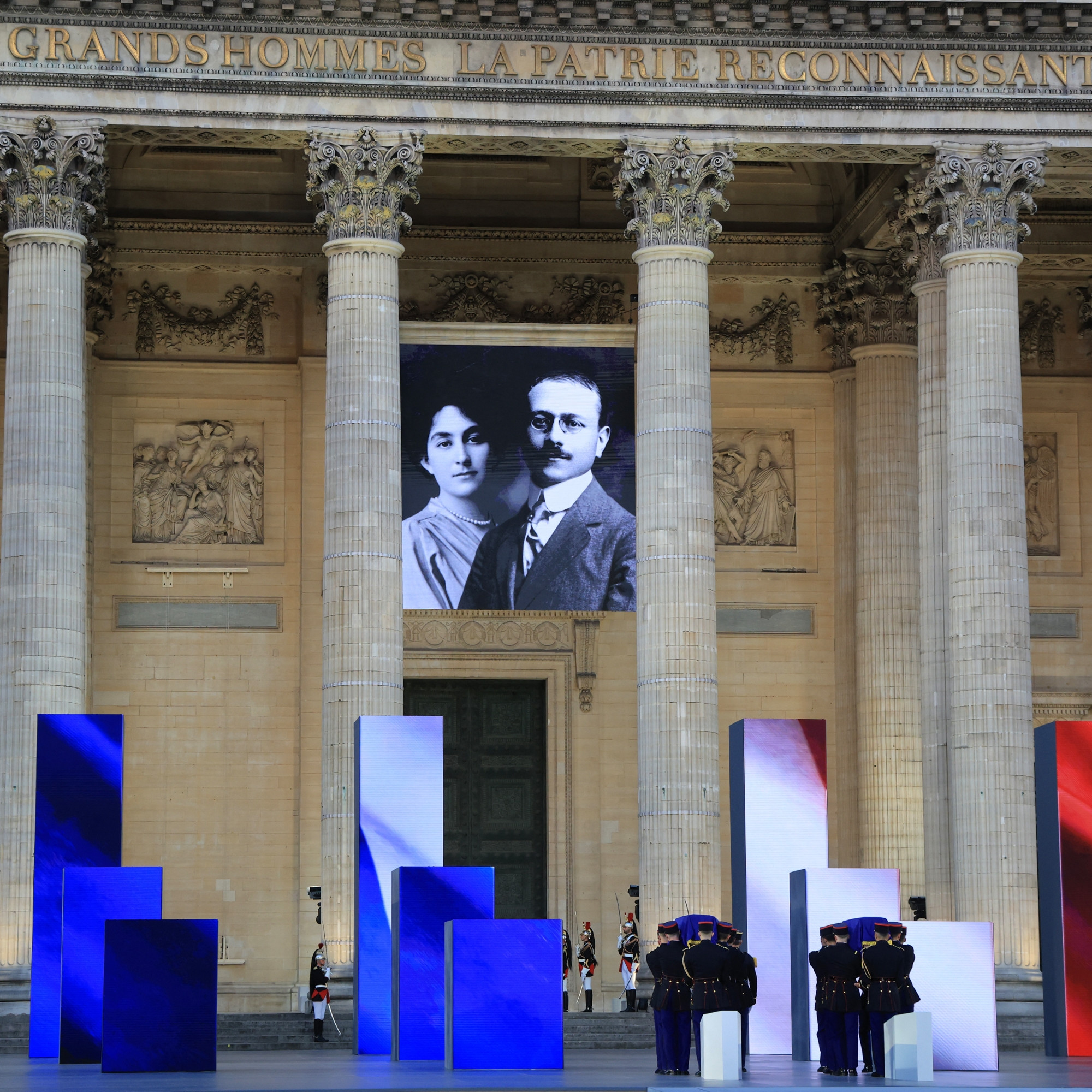
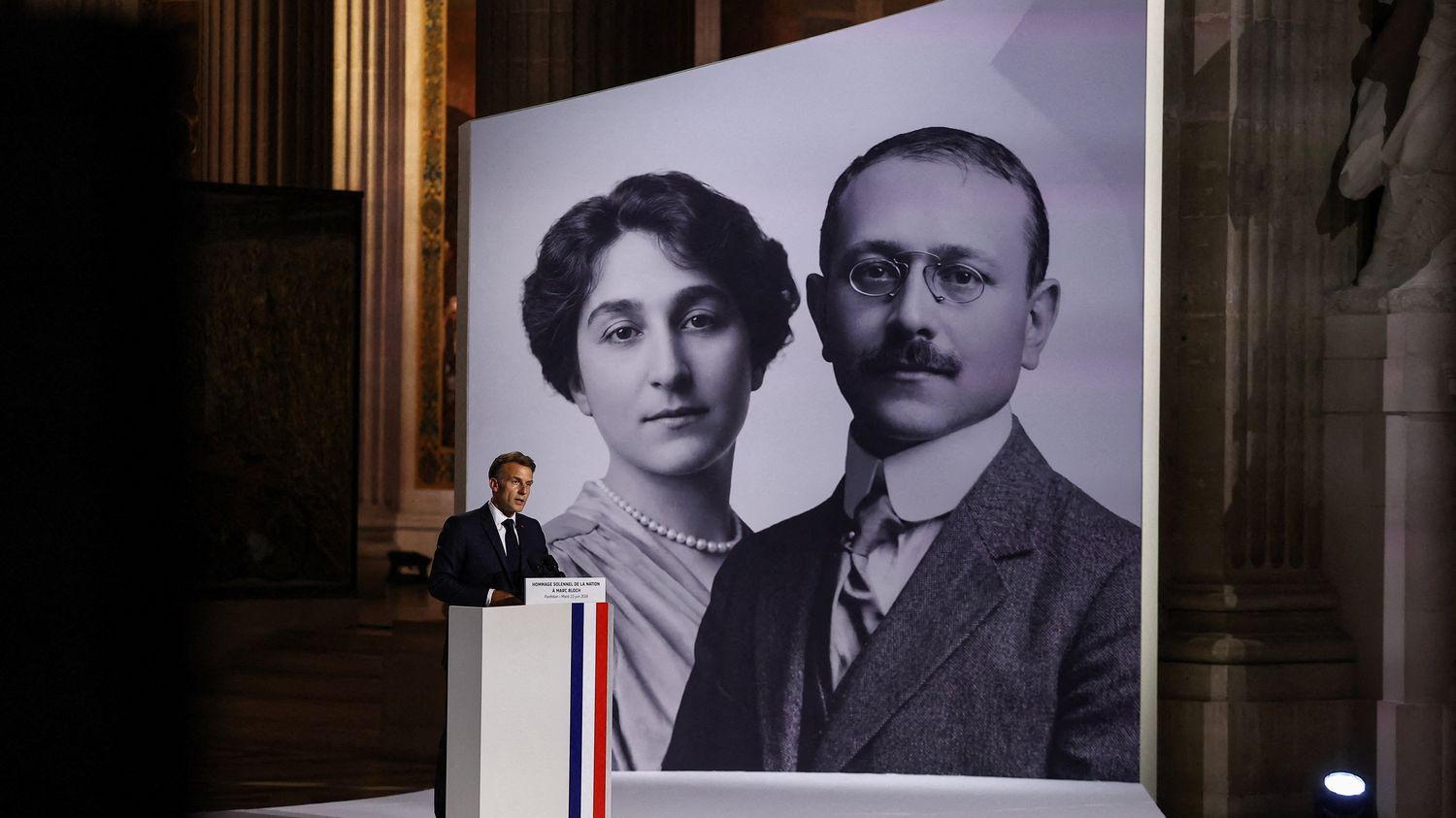
France inducts Resistance fighter, soldier, historian Marc Bloch into its Panthéon of greats
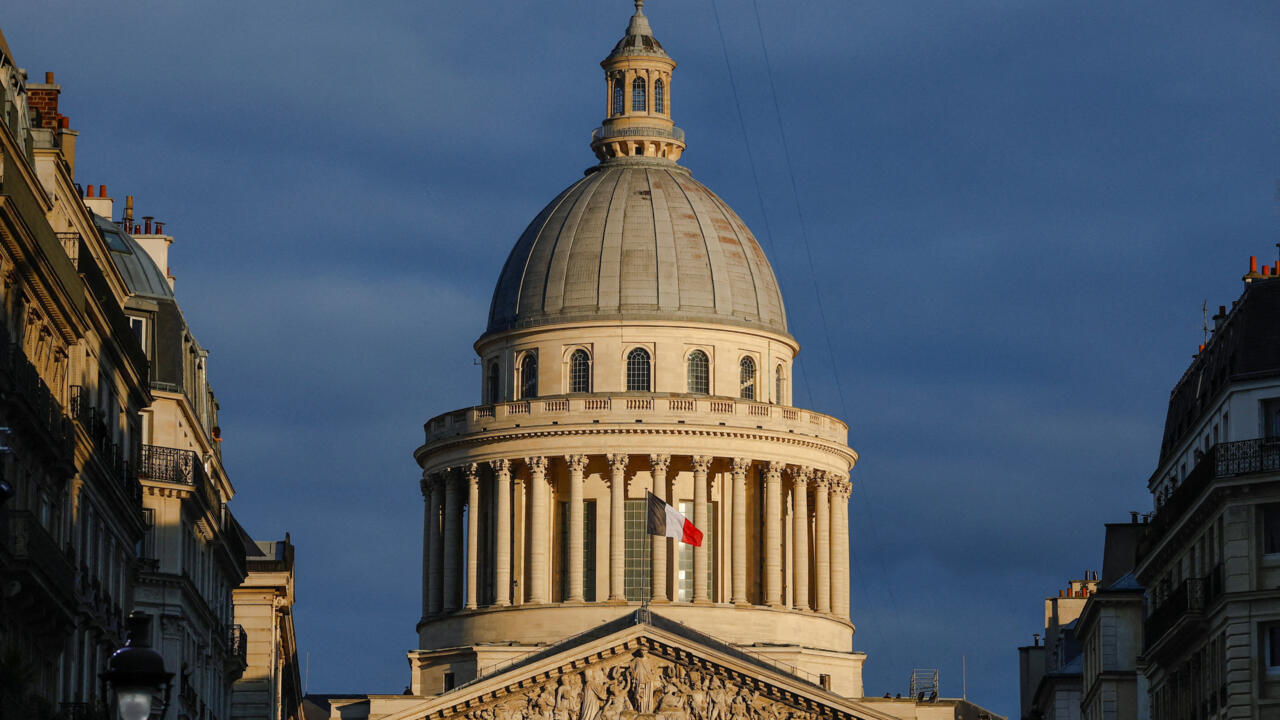
Eighty-two years after he was executed by Nazis, Resistance fighter and historian Marc Bloch will be inducted into the Panthéon on Tuesday to repose alongside such luminaries as Voltaire and Jean-Jacques…
2,007 words~9 min read