World News in Brief: Pope Leo urges action on hunger, humanitarian strain deepens in Gaza, families return to Lebanon
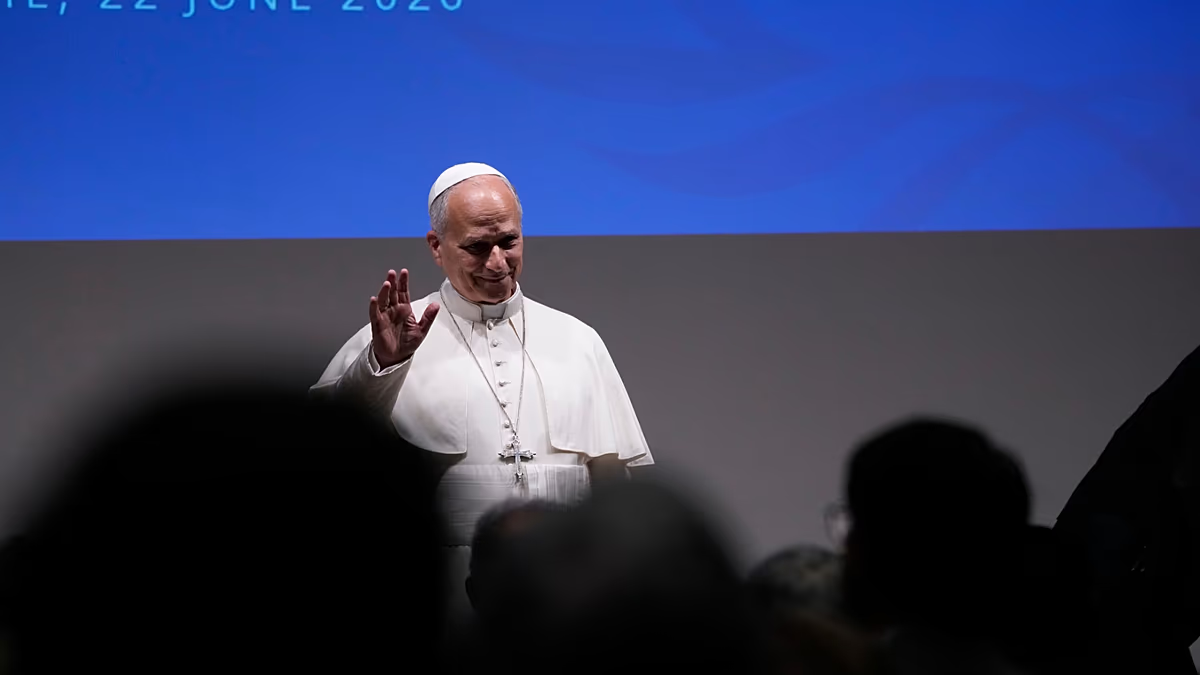
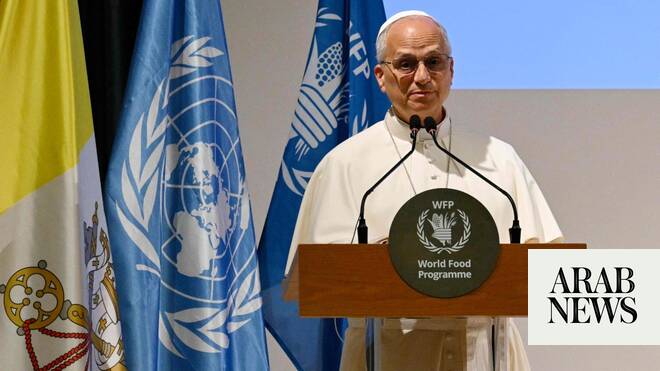
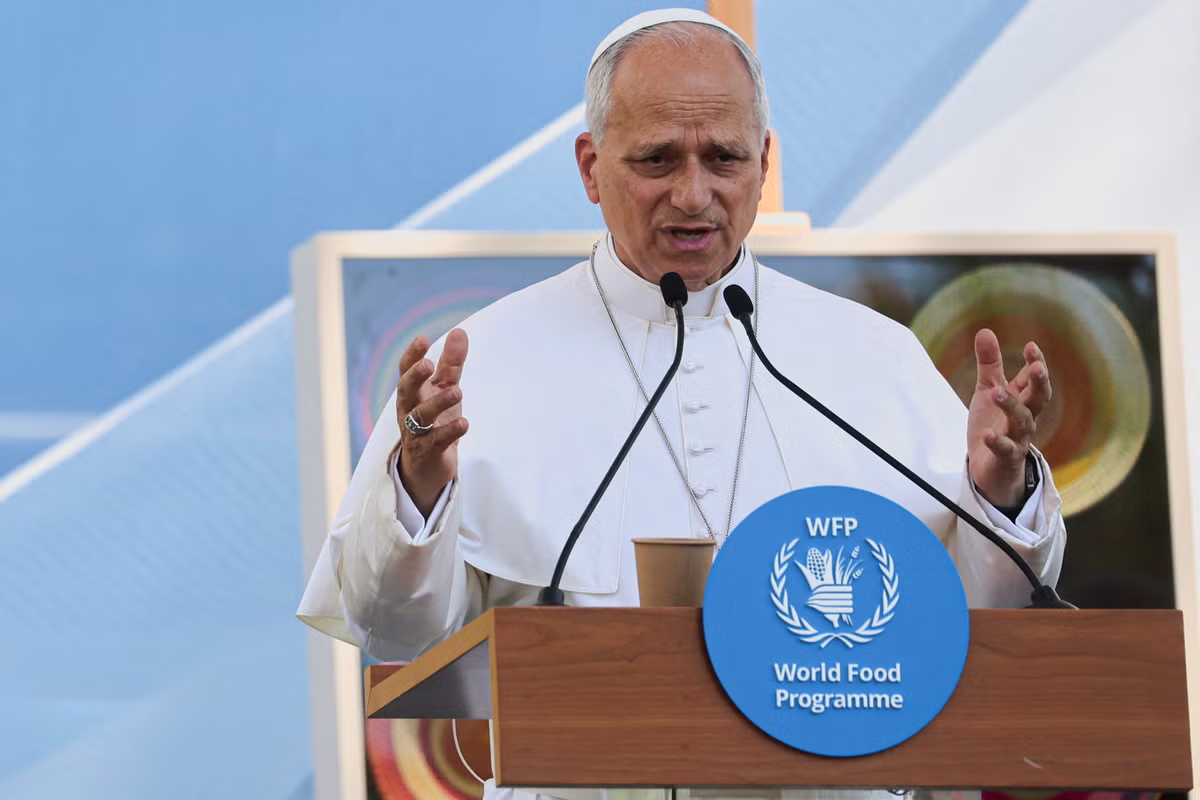
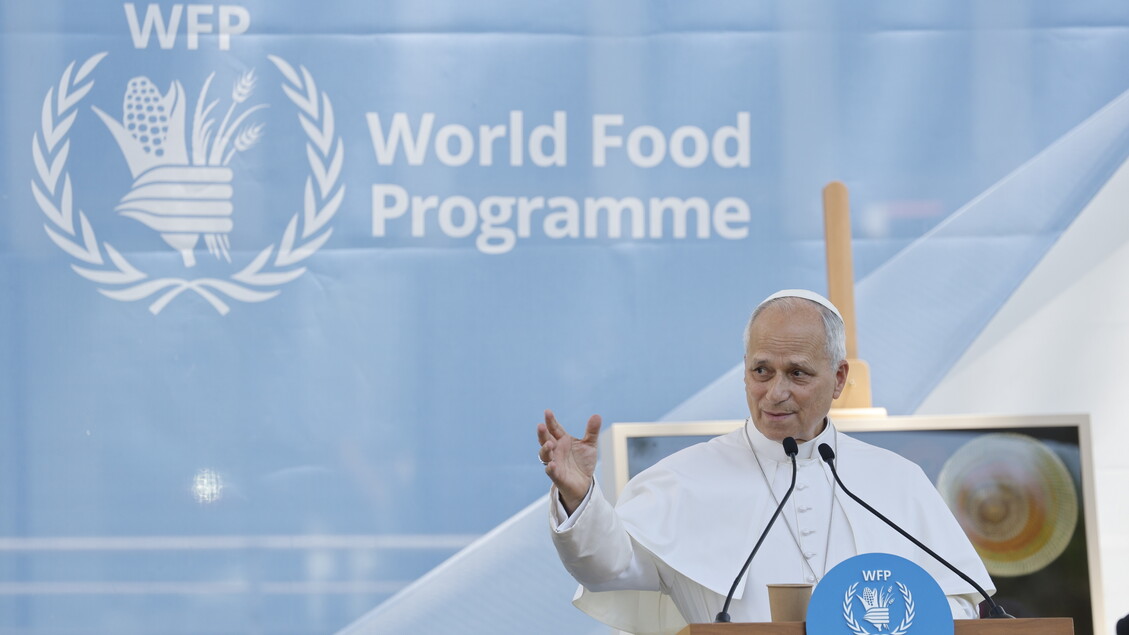
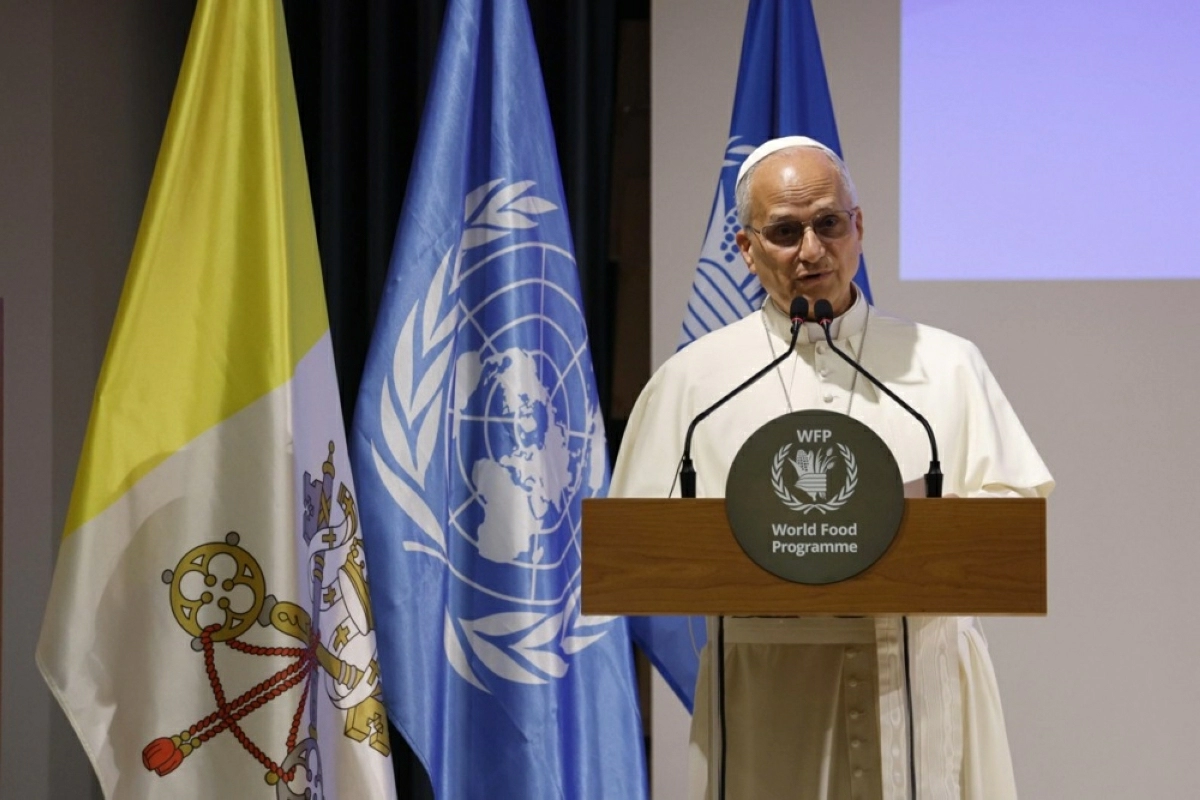
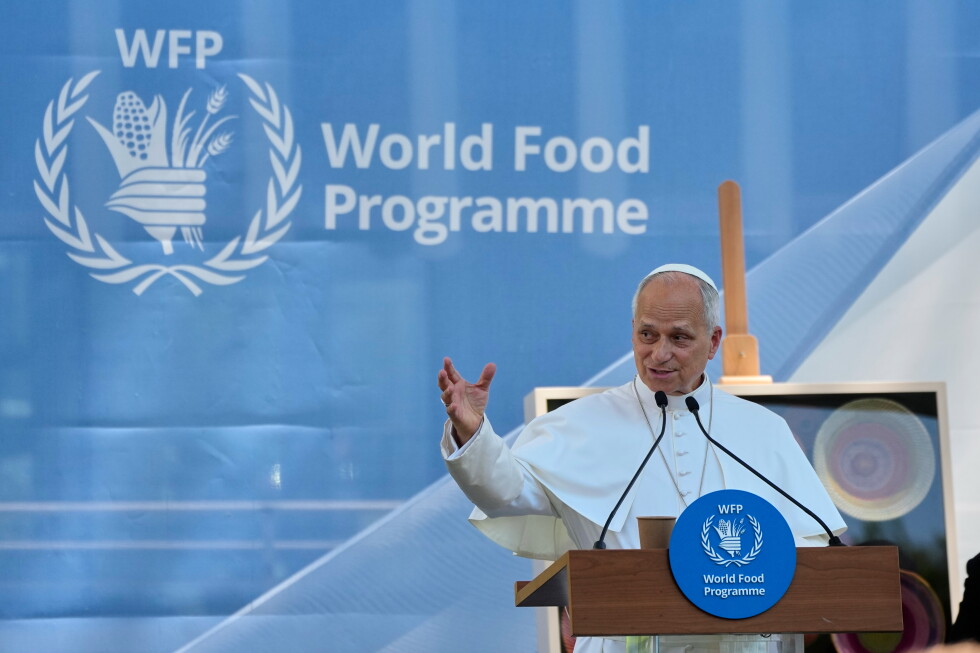
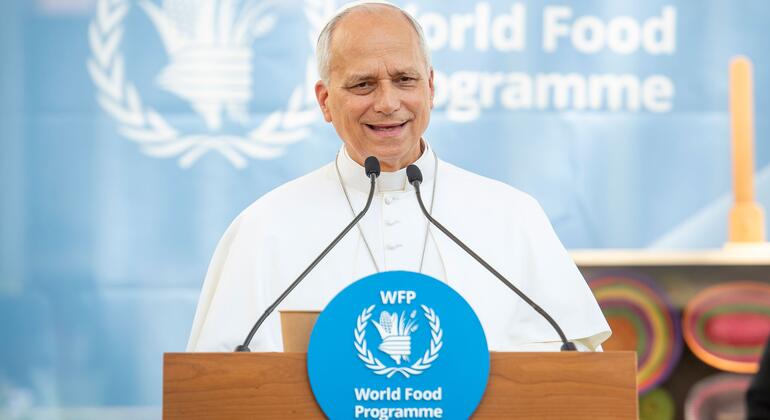
Speaking at a time of mounting humanitarian need and shrinking resources, the Pope warned that conflict continues to drive food insecurity around the world and stressed that food security must be treated as a matter of global security. “Meeting this need not only alleviates suffering but also addresses underlying causes of geopolitical instability,” he said.
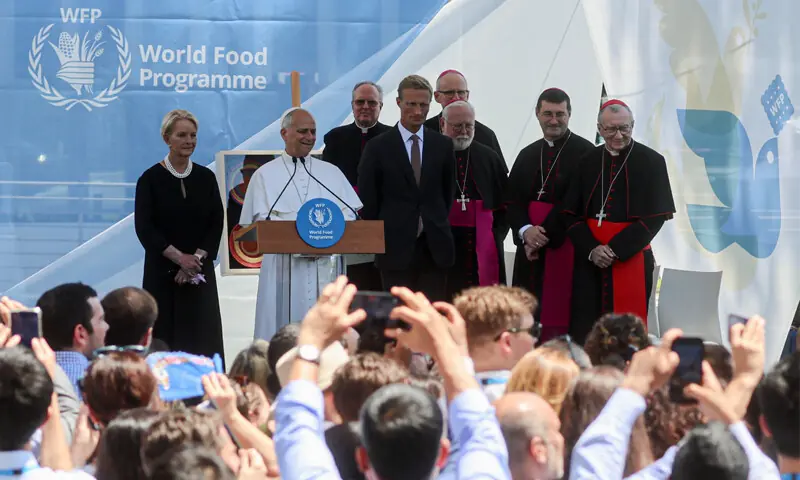
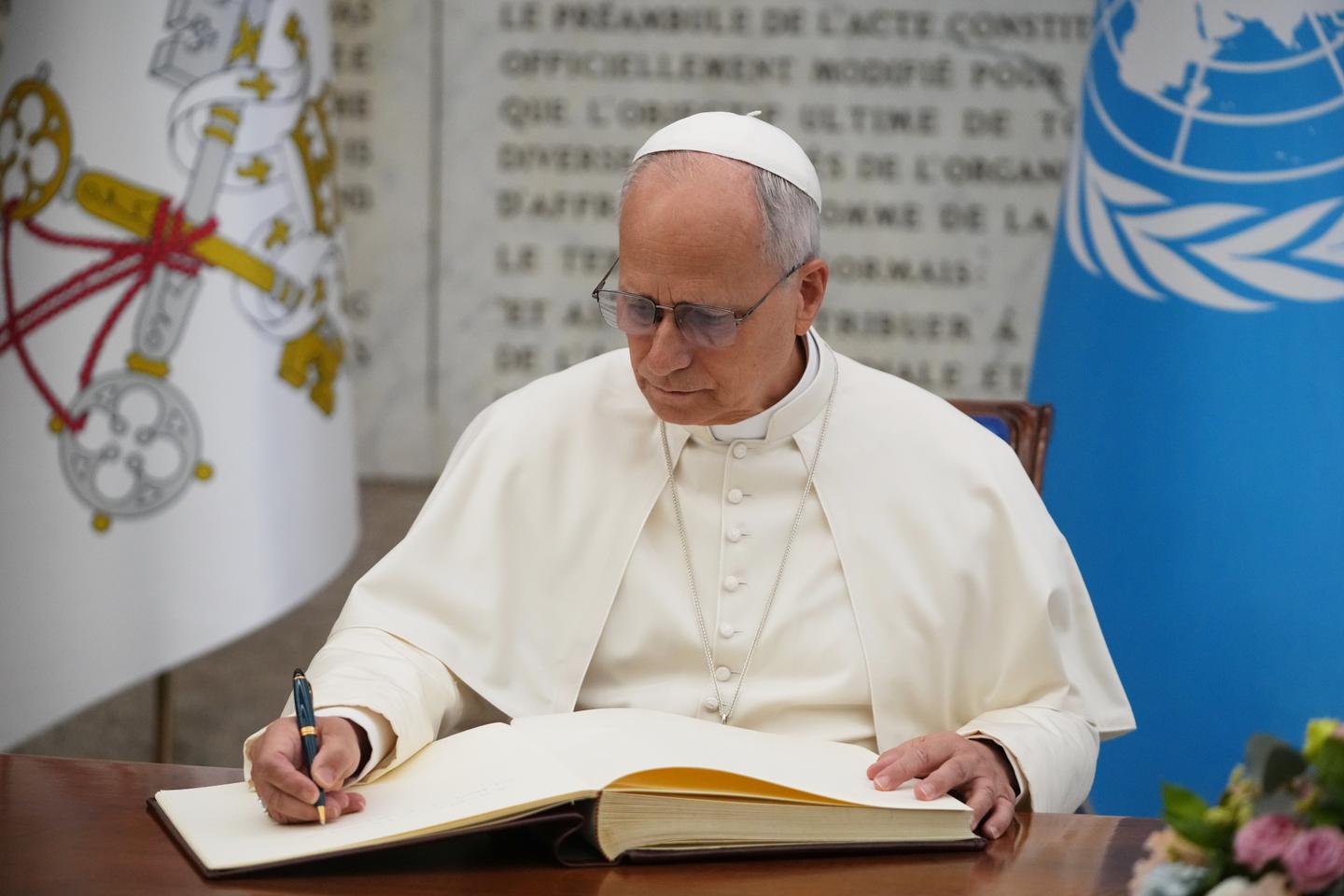
The visit comes as global hunger remains at alarming levels, as an estimated 266 million people across 47 countries faced acute food insecurity last year. Growing imbalance Pope Leo also raised concern over barriers to humanitarian access and the growing imbalance between investment in conflict and investment in people. “In effect, conflicts are ‘fed’ more readily than people are nourished,” he said. “This reality reflects not only operational shortcomings but also a fundamental imbalance in political and moral priorities.” During the visit, the Pope laid a wreath at WFP’s memorial wall honouring 171 staff members who lost their lives while serving vulnerable communities around the world. He also met virtually with staff responding to hunger emergencies and thanked employees for their work supporting communities affected by conflict, climate shocks and displacement. Aid access and fuel shortages deepen humanitarian strain in Gaza Civilians across Gaza continue to face airstrikes, shelling, naval fire and shootings in residential areas, according to the UN aid coordination office (OCHA), with reports over the weekend indicating that civilians were among those killed. Humanitarian access remains severely constrained. The Kerem Shalom border crossing is currently the only entry point for aid into Gaza. Humanitarian agencies continue to call for additional crossings to open and for restrictions on essential items to be lifted. Over the weekend and into Monday morning, aid teams collected shipments including food, blankets, education supplies, recreation items for children, hygiene kits and fuel. But limited fuel imports continue to hamper relief efforts, forcing humanitarian partners to prioritize life-saving services while suspending support for less critical activities. Shortages of lubricant oils and difficulty obtaining spare parts for generators have further strained operations. “We continue to call for additional crossing points to be opened, and for items that are being restricted to have those restrictions lifted” said UN Spokesperson Stéphane Dujarric. Ongoing violence in the West BankMeanwhile, violence in the West Bank remains at concerning levels. According to humanitarian partners, Israeli forces shot and killed a boy and a man on Sunday who were reportedly among a group burning tyres and throwing Molotov cocktails toward a settlement in Hebron. “In law enforcement contexts across the West Bank, lethal force may only be used as a last resort” the Spokesperson said. Families return home to southern Lebanon Families displaced by months of hostilities in Lebanon are beginning to return to southern parts of the country, even as widespread destruction, damaged infrastructure and limited access to basic services continue to shape daily life.