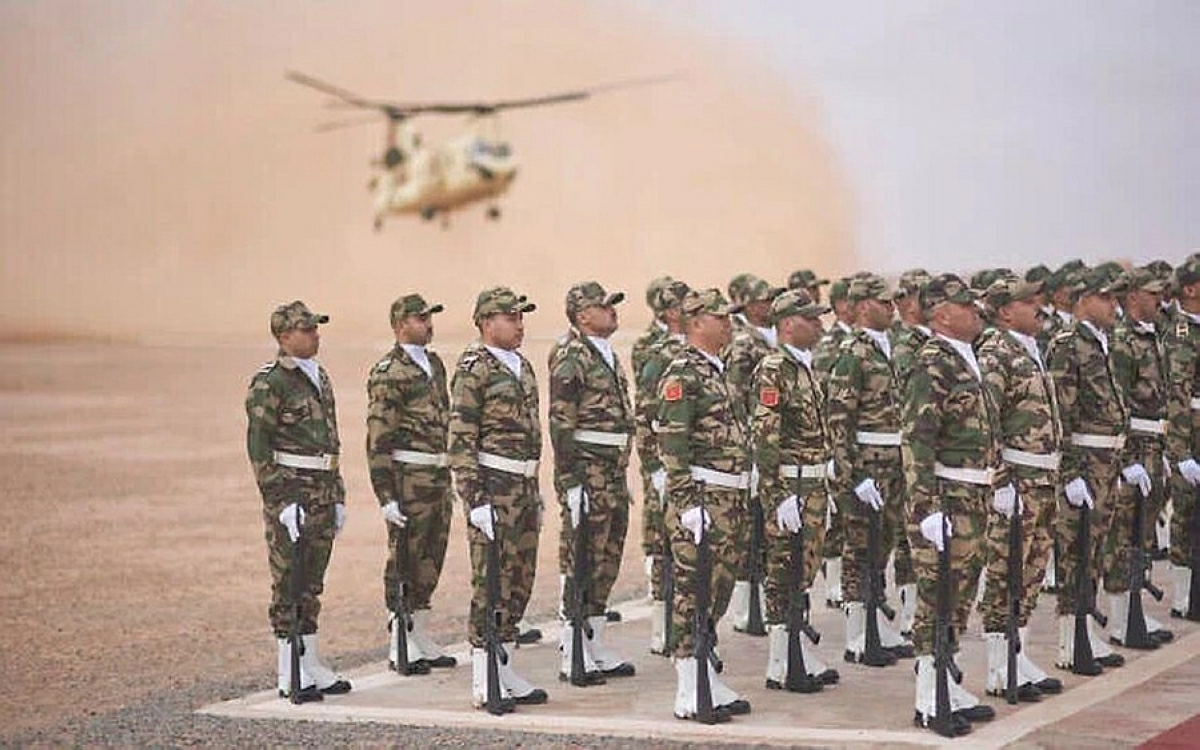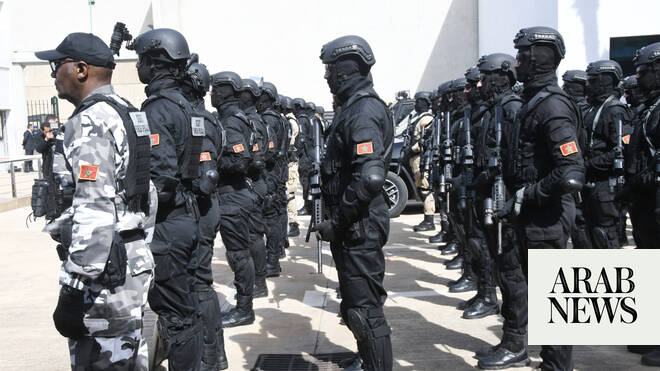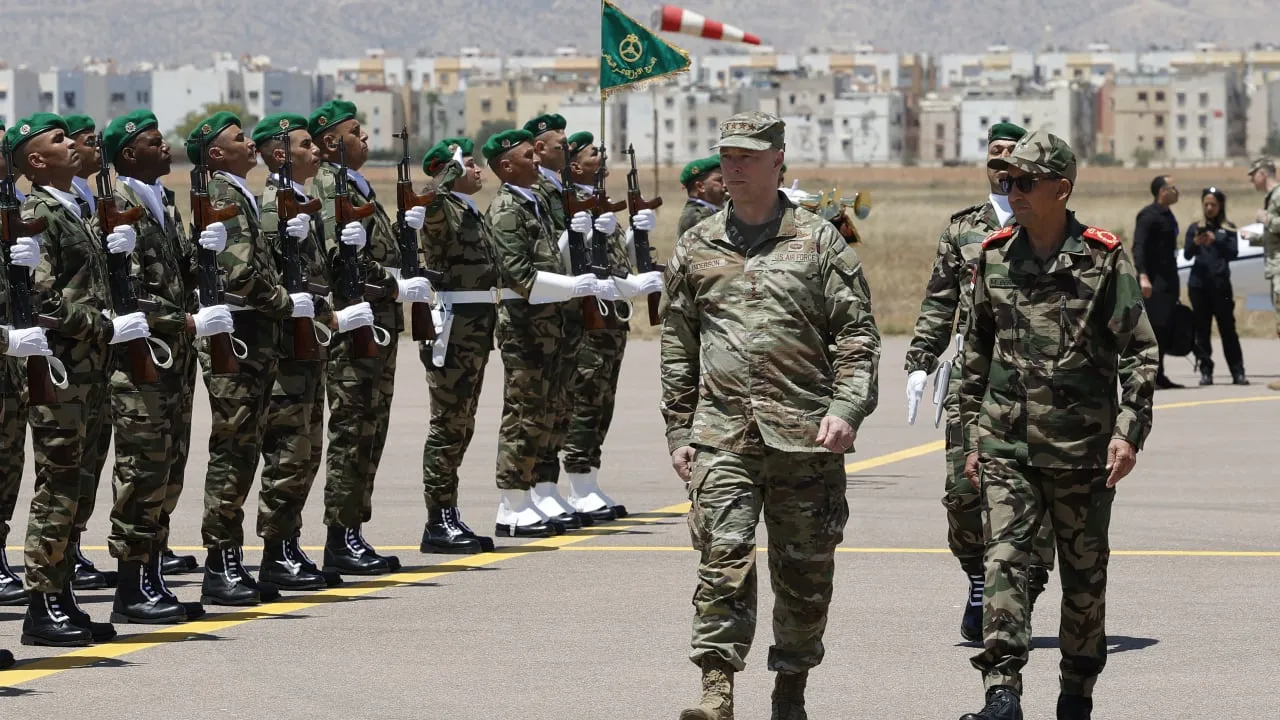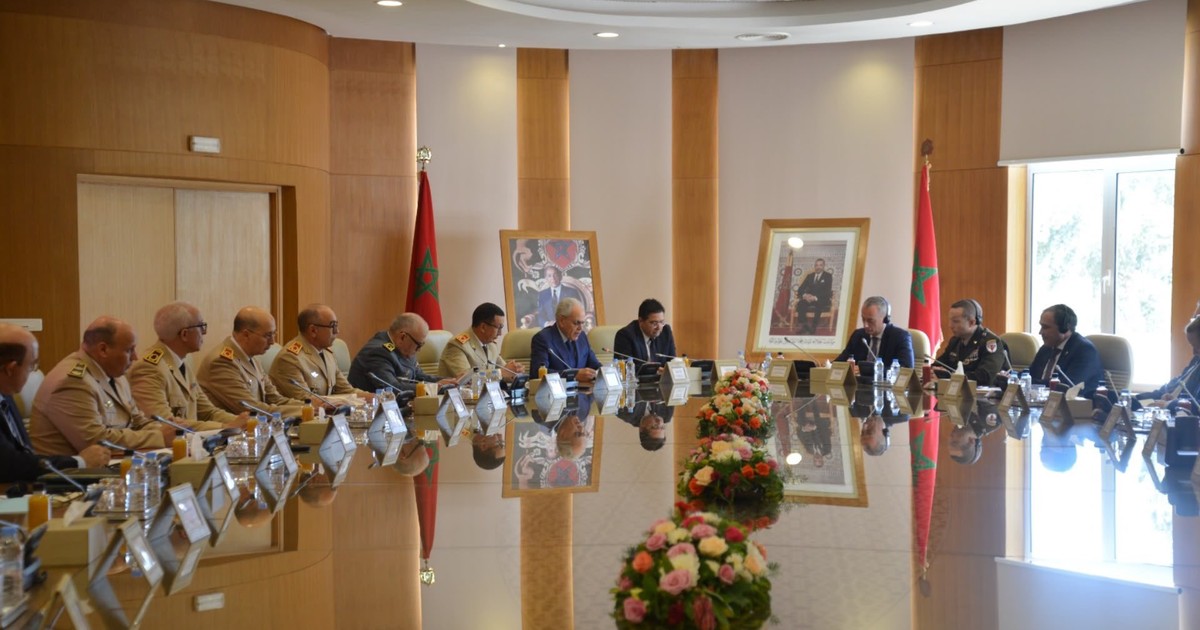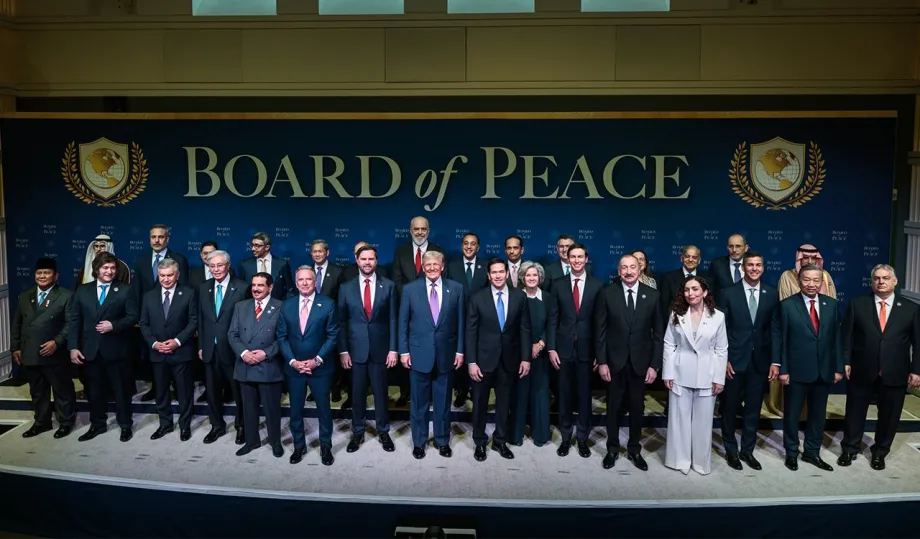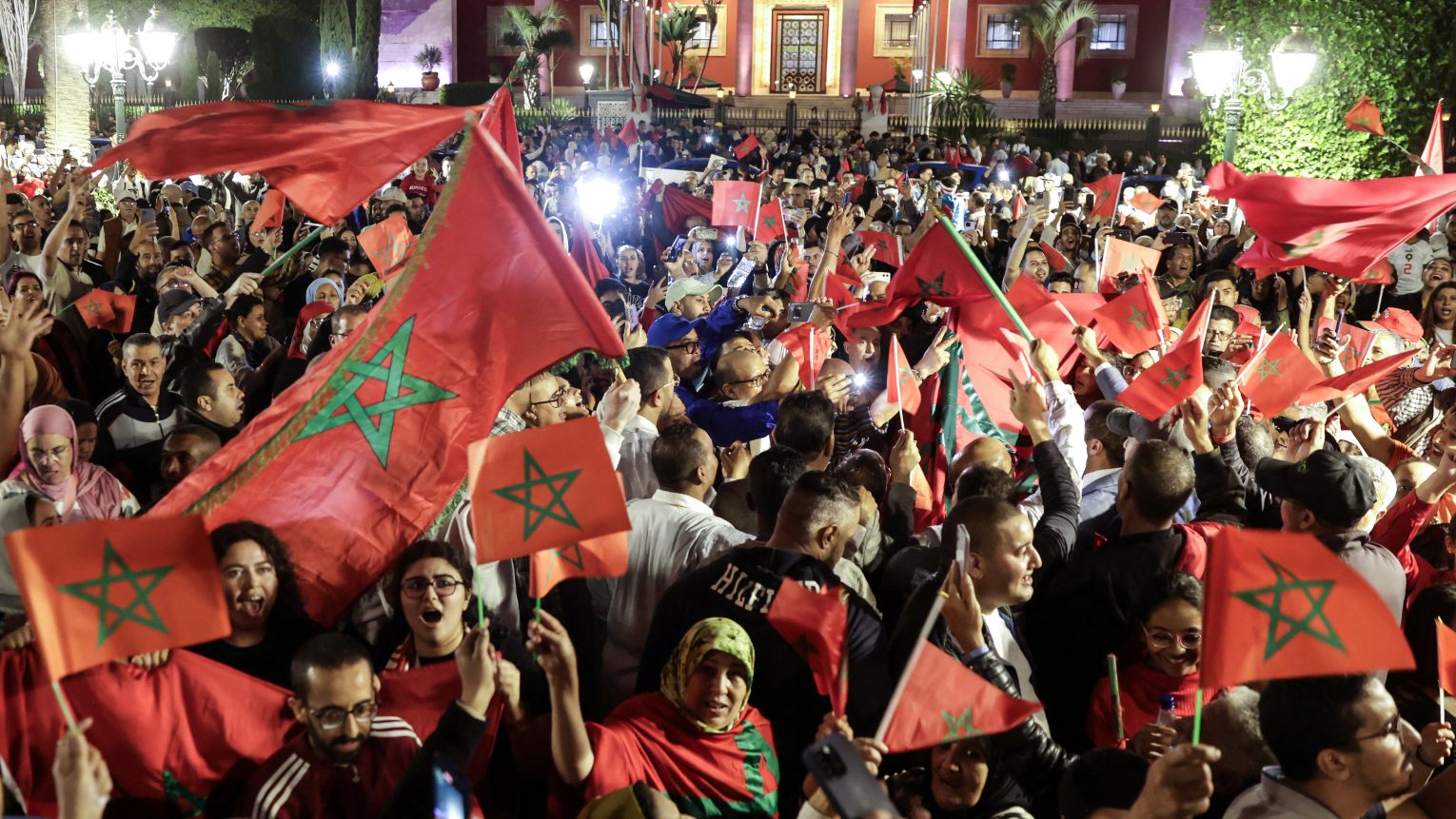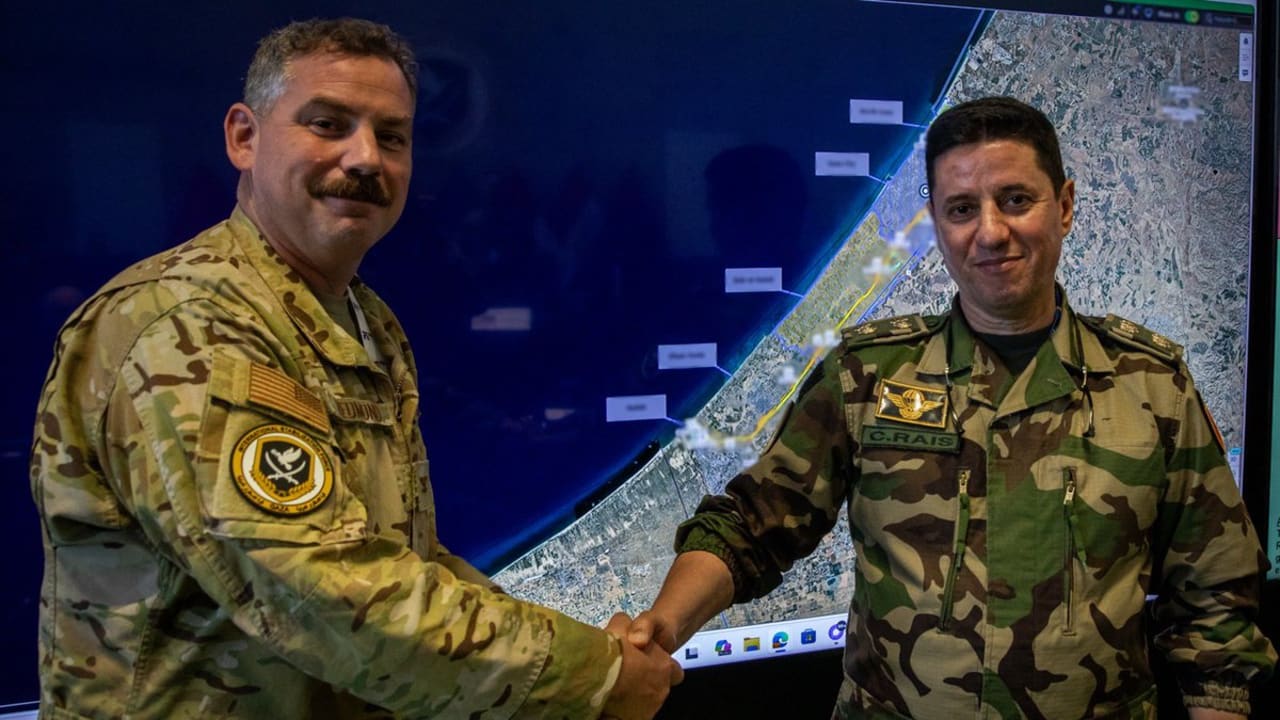
ByJERUSALEM POST STAFF, YONAH JEREMY BOBJUNE 23, 2026 16:13Morocco, Albania, and Greece will join the International Stabilization Force (ISF) in Gaza, which will handle peacekeeping operations during the Trump administration's Phase II of the ceasefire, the Jerusalem Post has learned.There is still no specific information on the timing of deployments to the three new countries, but by mid-January, reports indicated that Morocco would team up with Indonesia as the two largest peacekeeping forces.A small number of Moroccan planning officers have already arrived to take part in discussions on the future International Stabilization Force for Gaza (ISF), which could mark an early operational step toward the long-delayed multinational force, the Post has learned.The officers are involved in planning work and are not being deployed into Gaza at this stage, officials familiar with the matter stressed. The number of officers is understood to be in the single digits.Still, the move is significant because Morocco, which has maintained special defense relations with Israel since signing the Abraham Accords in 2020, had already been named as one of the countries expected to participate in the ISF, and the arrival of planning officers suggests that at least part of that commitment is beginning to move from public pledges to operational preparation.US President Donald Trump (C), flanked by US Vice President JD Vance (L) and US Secretary of State Marco Rubio (R), joins leaders for a group photo during the inaugural meeting of the ''Board of Peace'' at the US Institute of Peace in Washington, DC, on February 19, 2026. (credit: SAUL LOEB/AFPvia Getty Images)Indonesia first country to join ISF mission, contributing 8,000 soldiers to GazaThe development comes months after the Post reported that Morocco and Albania were expected to join the ISF, which is intended to handle aspects of peacekeeping in Gaza during Phase II of the Trump administration’s ceasefire plan between Israel and Hamas. KAN News also reported at the time that Greece was expected to join the force.Those developments followed the announcement that Indonesia would be the first country to join the ISF mission. The Associated Press reported at the time that Indonesia’s contribution was expected to begin with 1,000 soldiers in April and reach around 8,000 by June, although questions remained about whether conditions in Gaza would allow such a deployment to proceed.In February, International Stabilization Force commander US Army Maj.-Gen. Jasper Jeffers said that Indonesia, Morocco, Kazakhstan, Kosovo, and Albania had committed troops to the force. Egypt and Jordan, he said, had committed to training Palestinian police forces.The long-term plan, according to Jeffers, was for the ISF to reach 20,000 troops and to train 12,000 police officers. The force was expected to begin in Rafah and expand sector by sector.Morocco’s role is especially sensitive and important. The country normalized relations with Israel under the Abraham Accords in 2020 and has maintained special defense ties with Israel since then.A Moroccan role in Gaza’s postwar security arrangements would carry diplomatic weight, particularly among Arab and Muslim-majority states still weighing whether to take part in the US-backed plan.In December 2025, the Post reported that the US-led Civil-Military Coordination Center was already working with Israel and international partners on Gaza rebuilding plans and preparations for the ISF.That planning included how the force would move between Israel and Gaza, how materials would be transferred through Israel for stabilization work, and what rules of engagement the force would eventually operate under.At the time, defense sources said there had been extensive discussion about the force but no real progress in getting it off the ground.The IDF has also been involved in talks with the CMCC regarding the ISF’s mission parameters. Israel has pushed for the force to have clear goals for disarming Hamas and to avoid becoming what Israeli officials have described as a “UNIFIL 2,” a reference to years of Israeli criticism that the UN peacekeeping force in Lebanon failed to prevent Hezbollah’s military buildup.Israeli officials have been especially concerned that an international force in Gaza could be asked to supervise ceasefire lines while avoiding direct confrontation with Hamas.ISF to supervise ceasefire, not expected to confront Hamas militarilyPrevious reporting indicated that neither the ISF in general, nor Indonesia in particular, was expected to seek direct confrontation with Hamas or proactively disarm the terrorist organization.Instead, the force has been expected to supervise current ceasefire lines and possibly handle other border-related issues.Israeli officials have previously expressed concern that the ISF could become a force that supervises ceasefire lines without directly confronting Hamas or disarming the terrorist organization. Previous Post reporting also indicated that participating countries, including Indonesia, were not expected to seek direct confrontation with Hamas at the initial stage.No final timetable has been set for a broader Moroccan deployment, and it remains unclear whether Rabat will ultimately send combat troops, police personnel, or a smaller support contingent. For now, Morocco’s involvement appears limited to planning.But in the context of Gaza’s stalled postwar security arrangements, even a small Moroccan presence may be an early sign that the ISF is taking shape.Follow us on Google
Morocco, Albania, and Greece join Gaza International Stabilization Force | The Jerusalem Post
A small number of Moroccan planning officers have already arrived to take part in discussions related to the future International Stabilization Force for Gaza (ISF).
835 words~4 min read