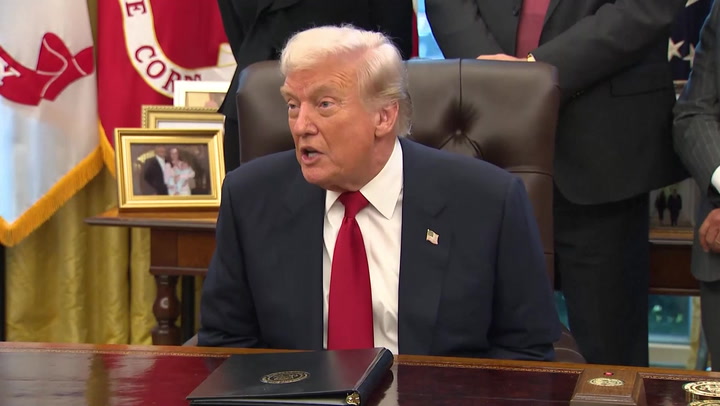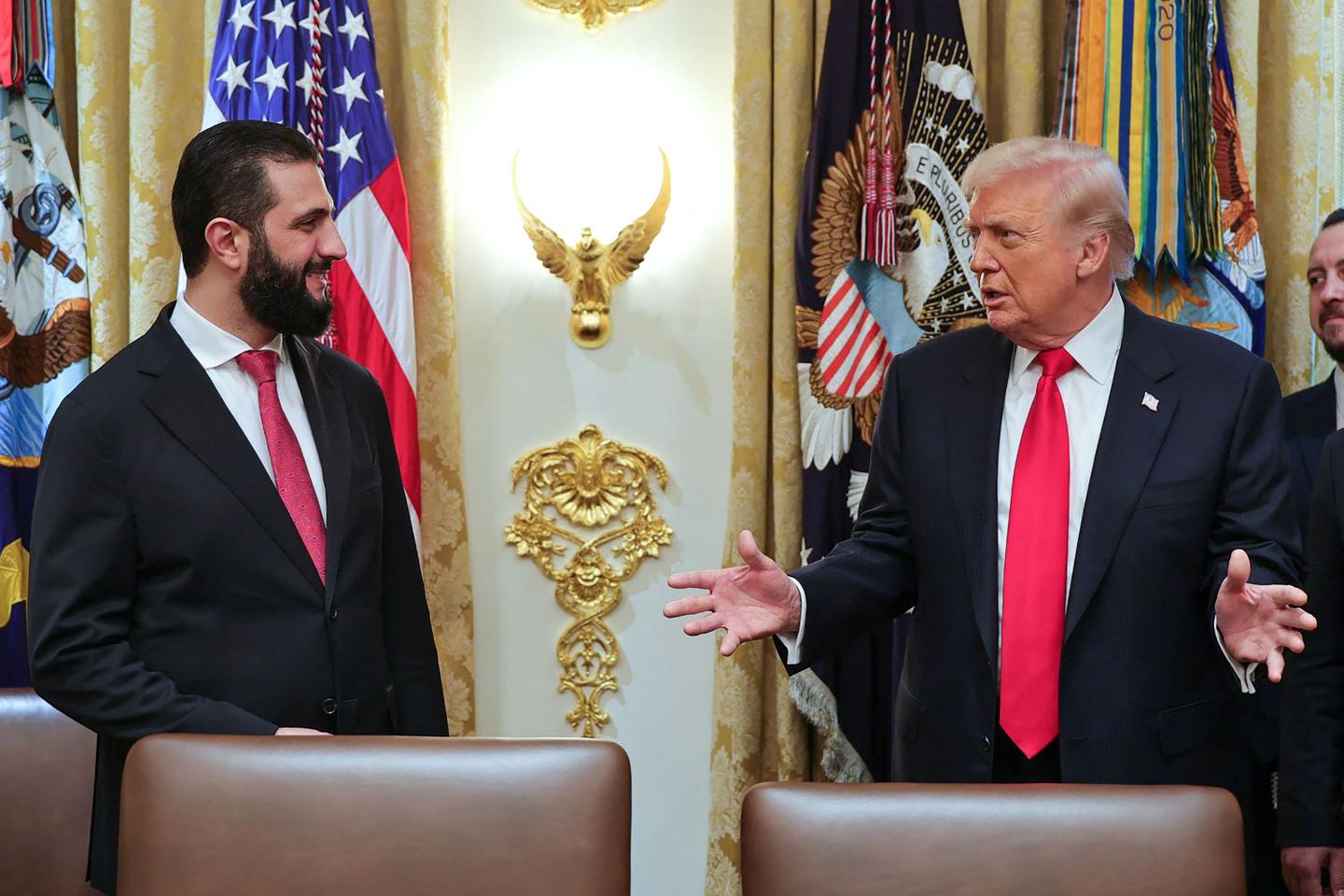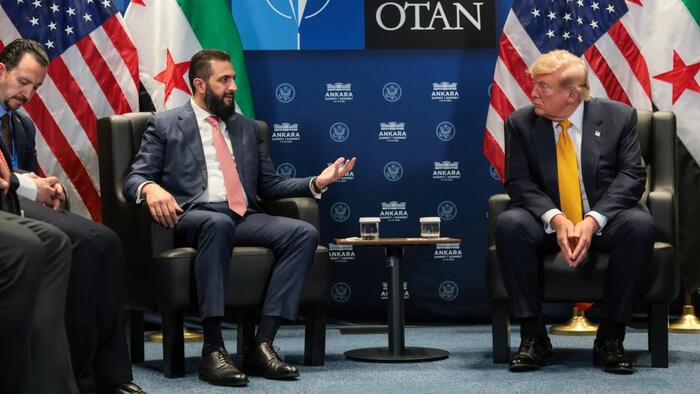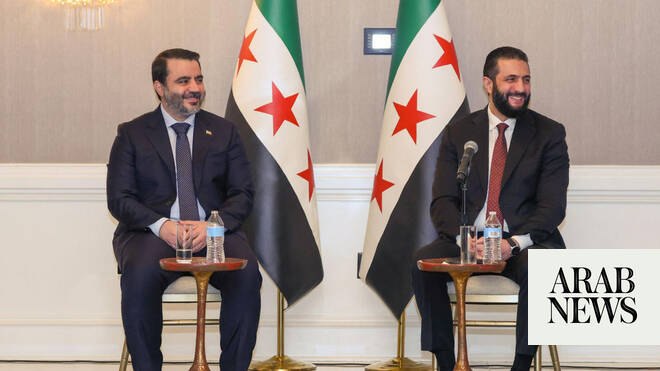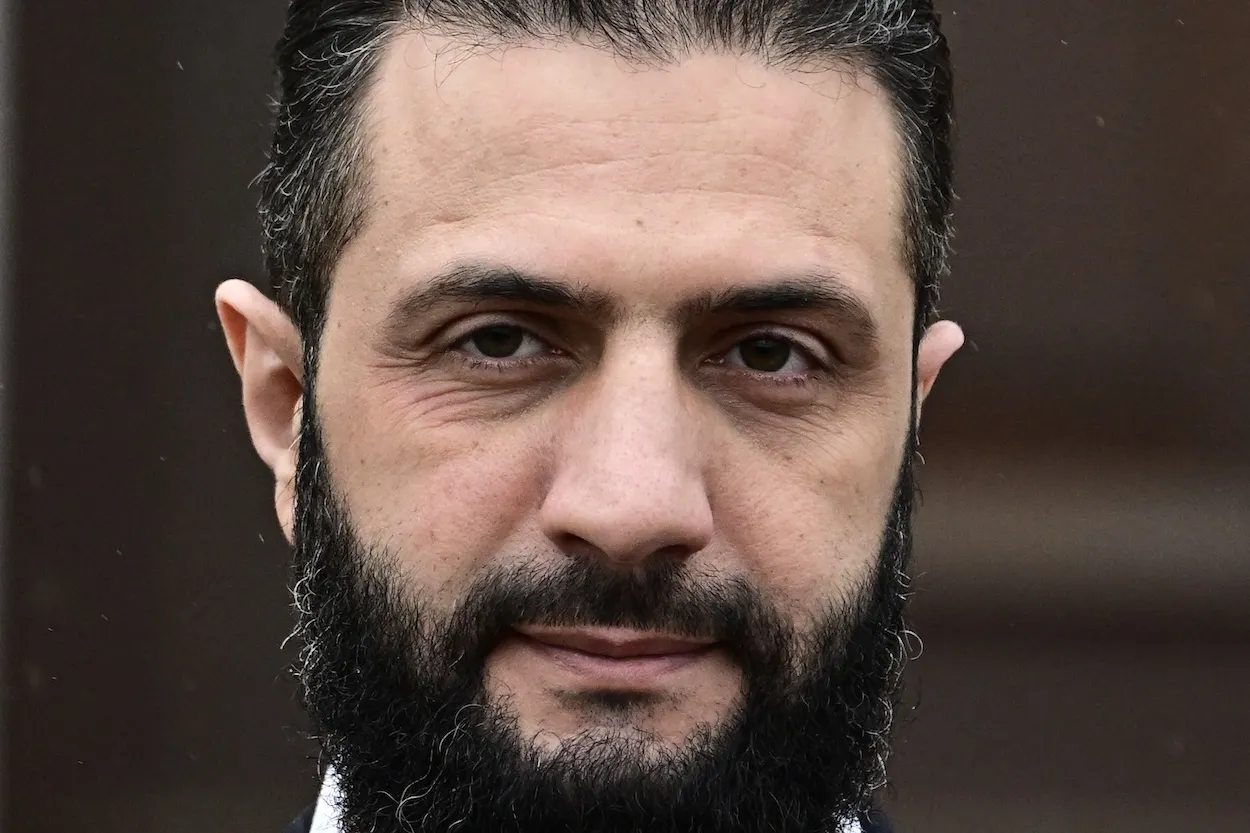
Trump’s Middle East tour in May last year felt like the end of an era. Here was the former al-Qaeda commander, Ahmed al-Sharaa, now leader of Syria, shaking hands with a vulgar American Commander-in-Chief, who resembles the caricature of a US president we might find in an al-Qaeda cartoon. Yet the War on Terror’s two leading men, the President and the Jihadi, having ended the last act at each other’s throats, have returned to the stage arm-in-arm to take a bow.
Al-Sharaa has trimmed his beard, put on a suit, replaced Bashar al-Assad as president and begun welcoming western investors to help him rebuild his country after a decade and half of civil war. Trump has dropped the showy religiosity and moral posturing of his predecessors. Before the Iran ceasefire, Trump had told us openly that his motives for starting the war were straightforwardly material: “To be honest with you, my favorite thing is to take the oil.” Now, in part to snub Israel, he is asking al-Sharaa to take the fight to Hezbollah in Lebanon, something the Syrian leader has rejected. But that request is itself a sign of how much the relationship between the West and the Middle-East has changed.
The received wisdom from our intellectuals when it comes to political Islam leaves little room for him