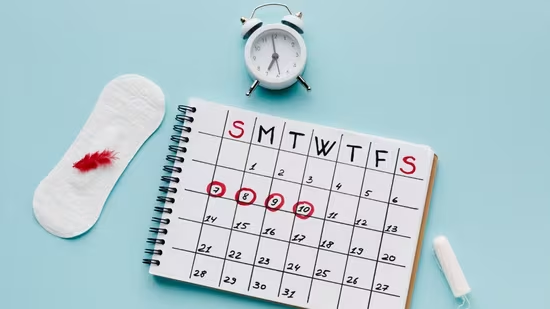
From anaemia to fibroids, gynaecologist Dr Vandana Jain explains why excessive menstrual bleeding should never be ignored. Heavy bleeding is often considered normal in India, which doesn’t come as much of a surprise. In a place where even the subject of menstruation often evokes inappropriate feelings ranging from reluctance to disgust, most women tend to either accept heavy bleeding as the norm. Moreover, many women ignore the warning, dismissing it as a consequence of stress, exertion, or age. In an interview with HT Lifestyle, Dr Vandana Jain, gynaecologist, Sr consultant and head of department, gynaecology oncology at Rajiv Gandhi cancer institute and research centre, New Delhi, reveals when excessive bleeding needs urgent attention.The causes and warning signs of heavy bleeding during periods. (Pexel)Also read | Starting your first period? Here are 5 simple menstruation tips every girl should knowWhen is bleeding considered “Too Heavy”?Dr Vandana said, “Heavy bleeding is more than just having a bad period.” Warning signs include soaking through sanitary pads every 1-2 hours, needing double protection, passing large blood clots, bleeding for more than 7 days, or experiencing fatigue and dizziness (due to excessive blood loss). She highlighted that if periods begin interfering with daily activities, work, school, sleep, or overall quality of life, it is time to consult a doctor.PCOS can cause irregular ovulation, prolonged periods, and excessive menstrual bleeding. (Pexel)Causes of excessive bleeding?Heavy bleeding can occur due to a variety of underlying conditions, including:● Hormonal imbalances: May disrupt normal ovulation, particularly during adolescence and the years leading up to menopause.● Polycystic Ovary Syndrome (PCOS): Can cause irregular ovulation, prolonged periods, and excessive menstrual bleeding.● Thyroid disorders: Can affect hormone regulation and lead to menstrual irregularities.● Obesity: Alters hormone levels and increases the risk of abnormal uterine bleeding.● Uterine fibroids: Non-cancerous growths that can cause heavy or prolonged periods.● Endometrial or cervical polyps: Benign growths that may cause irregular or excessive bleeding.● Bleeding and clotting disorders: Can impair the body's ability to control blood loss.● Certain medications: Including blood thinners and some hormonal treatments.● Pelvic infections: Can cause inflammation and abnormal uterine bleeding.The hidden impact on healthDr Vandana highlighted that one of the most significant consequences of heavy menstrual bleeding is iron deficiency anaemia. Excessive menstrual blood loss can worsen the condition. Beyond physical symptoms, heavy bleeding can also affect emotional well-being, social participation, and quality of life.Excessive menstrual blood loss can worsen the condition. (Pexel)Why does early evaluation matter?“While many causes of heavy bleeding are benign and treatable, persistent abnormal bleeding can occasionally signal more serious conditions, including precancerous changes or cancers of the uterus, particularly in women over 40 or those with additional risk factors,” said Dr Vandana. The most important thing is to remember that persistent heavy periods may not be normal. It is Important to listen to your body and seek timely medical advice.Note to readers: This article is for informational purposes only and not a substitute for professional medical advice. Always seek the advice of your doctor with any questions about a medical condition.Anukriti Srivastava thrives at the intersection of words and voice, where journalism meets storytelling. A digital editor and journalist with over 5 years of experience, she has written across lifestyle, women issues, relationships, entertainment, fashion, and travel. She did her Masters in Broadcast Journalism and has published more than 500+ lifestyle content pieces across platforms.
Don’t dismiss heavy periods as ‘just your cycle’: Gynaecologist explains the causes and warning signs
From anaemia to fibroids, gynaecologist Dr Vandana Jain explains why excessive menstrual bleeding should never be ignored. | Health
754 words~3 min read