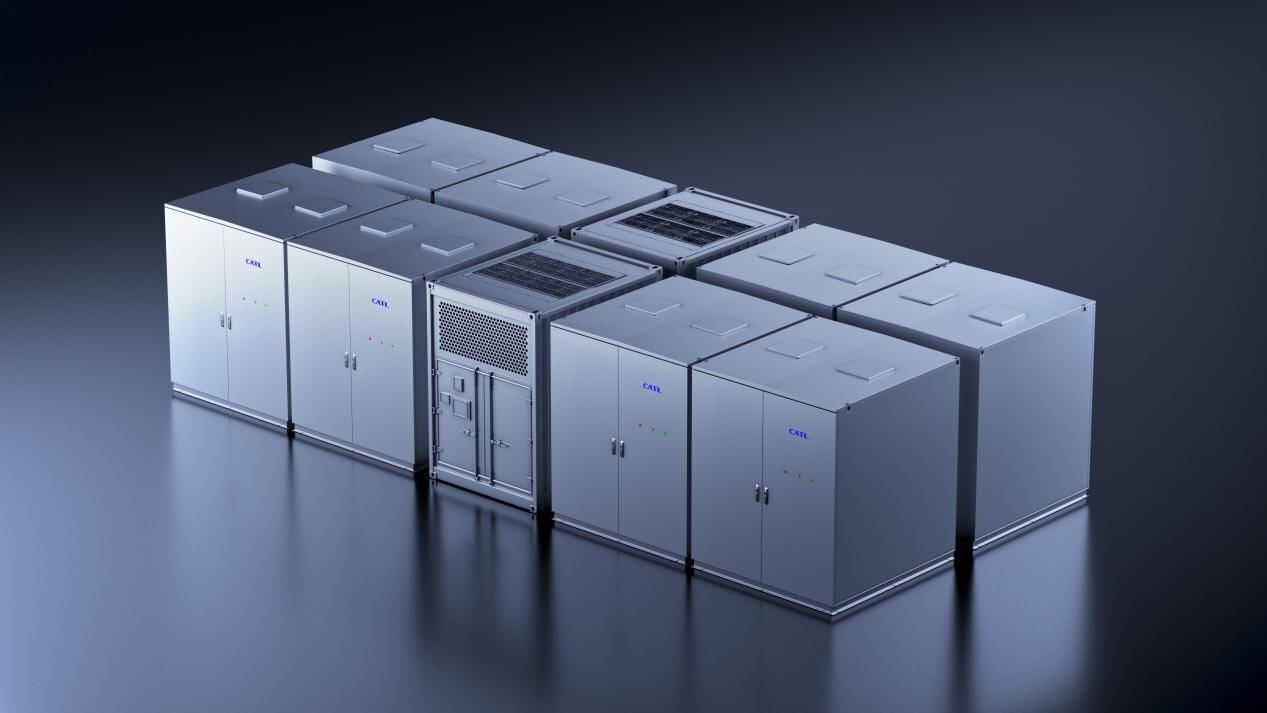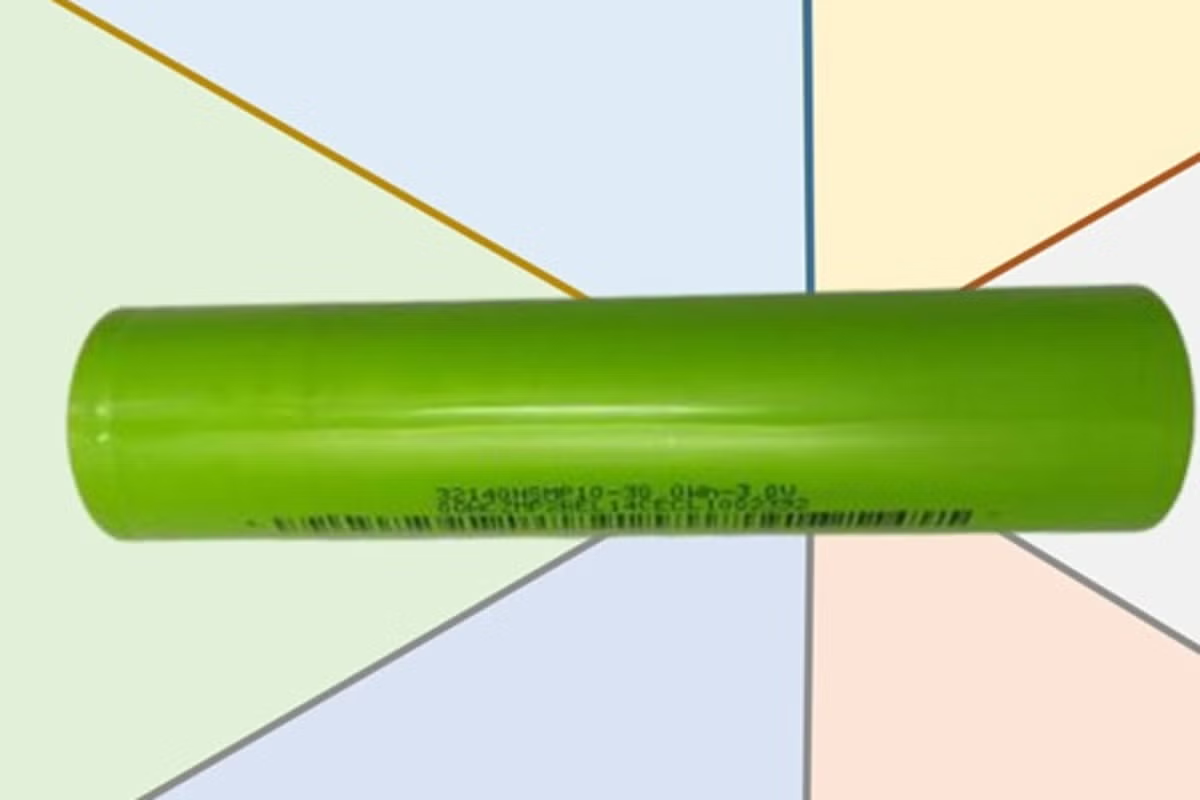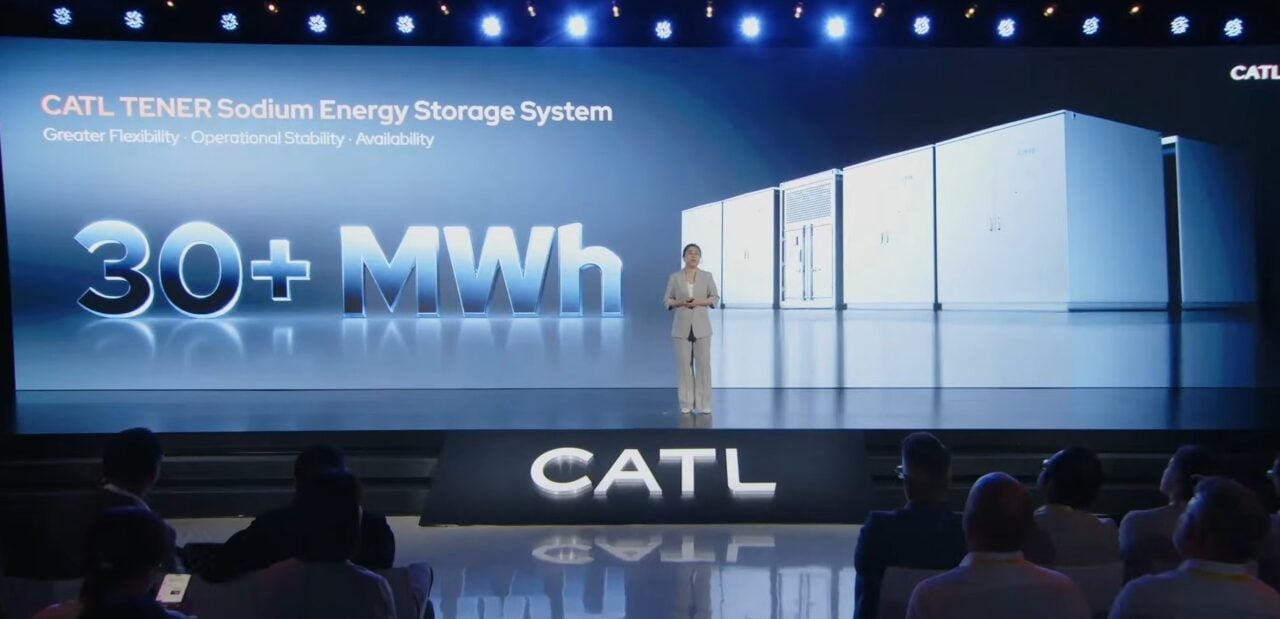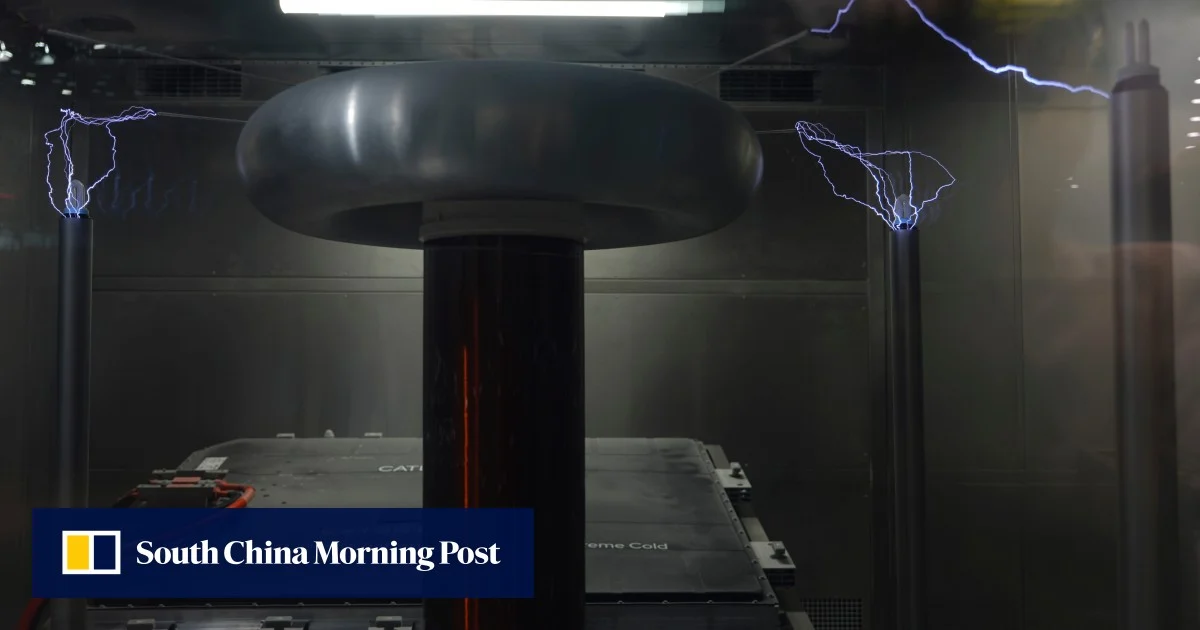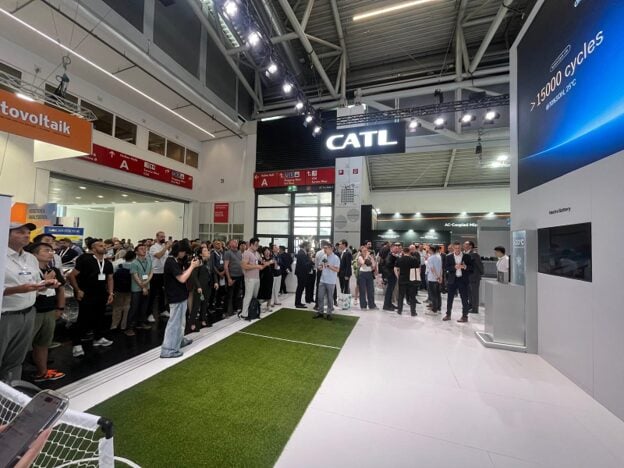
That is a marked improvement on sodium-ion’s energy density, which is normally far below half of lithium-ion LFP batteries. Amandu Xu said the improvements recently to enable this have been at the system level rather than the cell level, though the cell technology has also been worked on significantly in the past few years.
Talking to the pair, it was clear that those technology improvements plus the market demand mean this year is a real inflection point for sodium-ion technology, and not just a short-term response to lithium carbonate price spikes.
Tang said that the key to improving the economics for sodium-ion to make it a viable alternative to lithium is the scale of manufacturing and supply chain it has put together. Xu added that sodium carbonate is around 1% the price of lithium carbonate.
CATL has promised a 30-year lifetime for the sodium-ion BESS product. Xu said this length of warranty was because of market demand for a lifetime which mirrored the warranty lengths on wind and solar.
We also then asked the pair two questions on its market presence in Europe. One, what did it see as the future for Chinese companies selling batteries in Europe, in light of the ban on Chinese inverters in EU-funded solar and BESS projects. Two, was it considering pivoting its production lines in Europe from EVs to BESS as other OEMs have done?