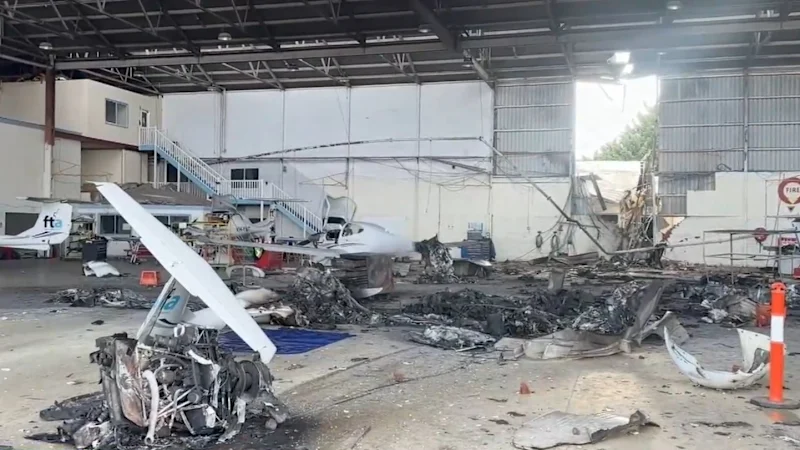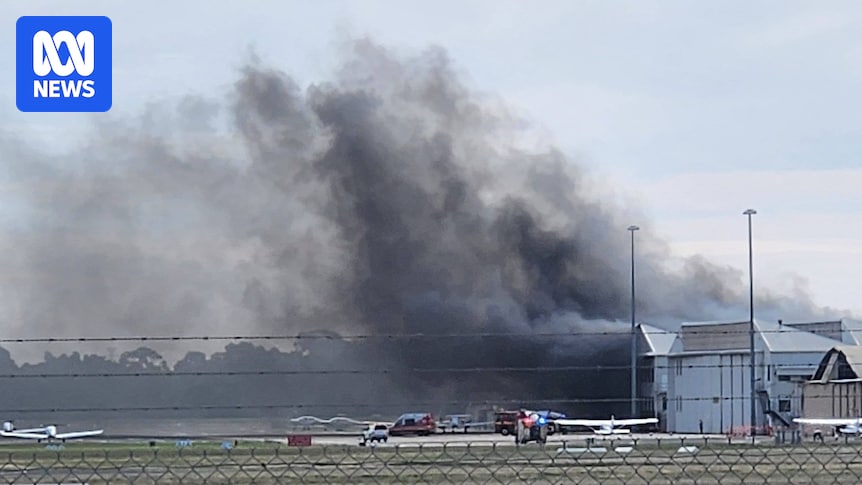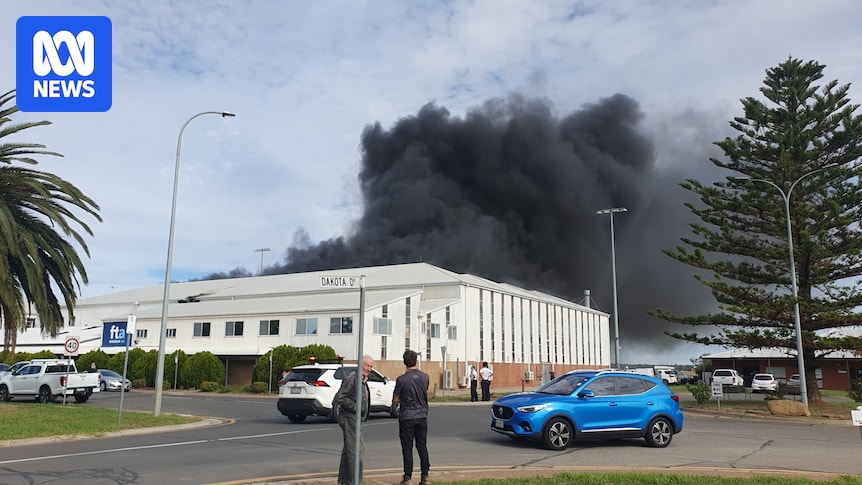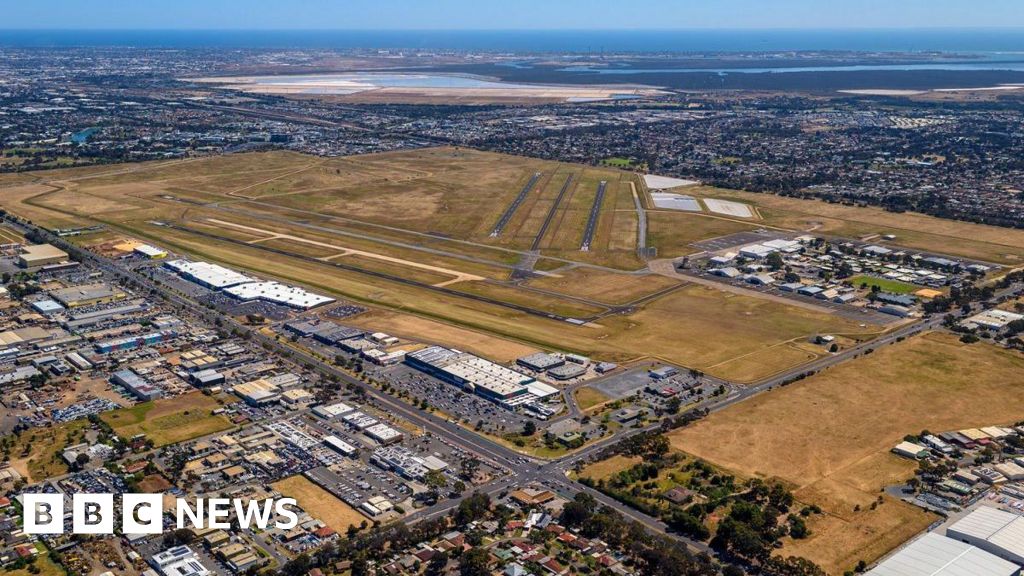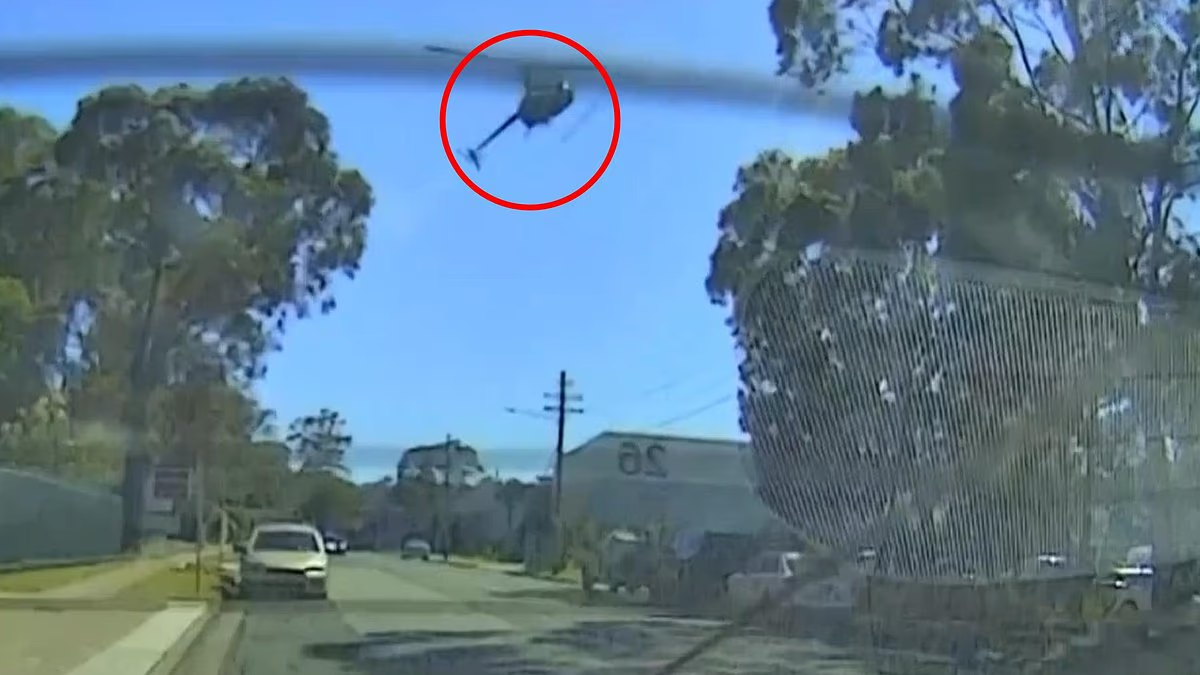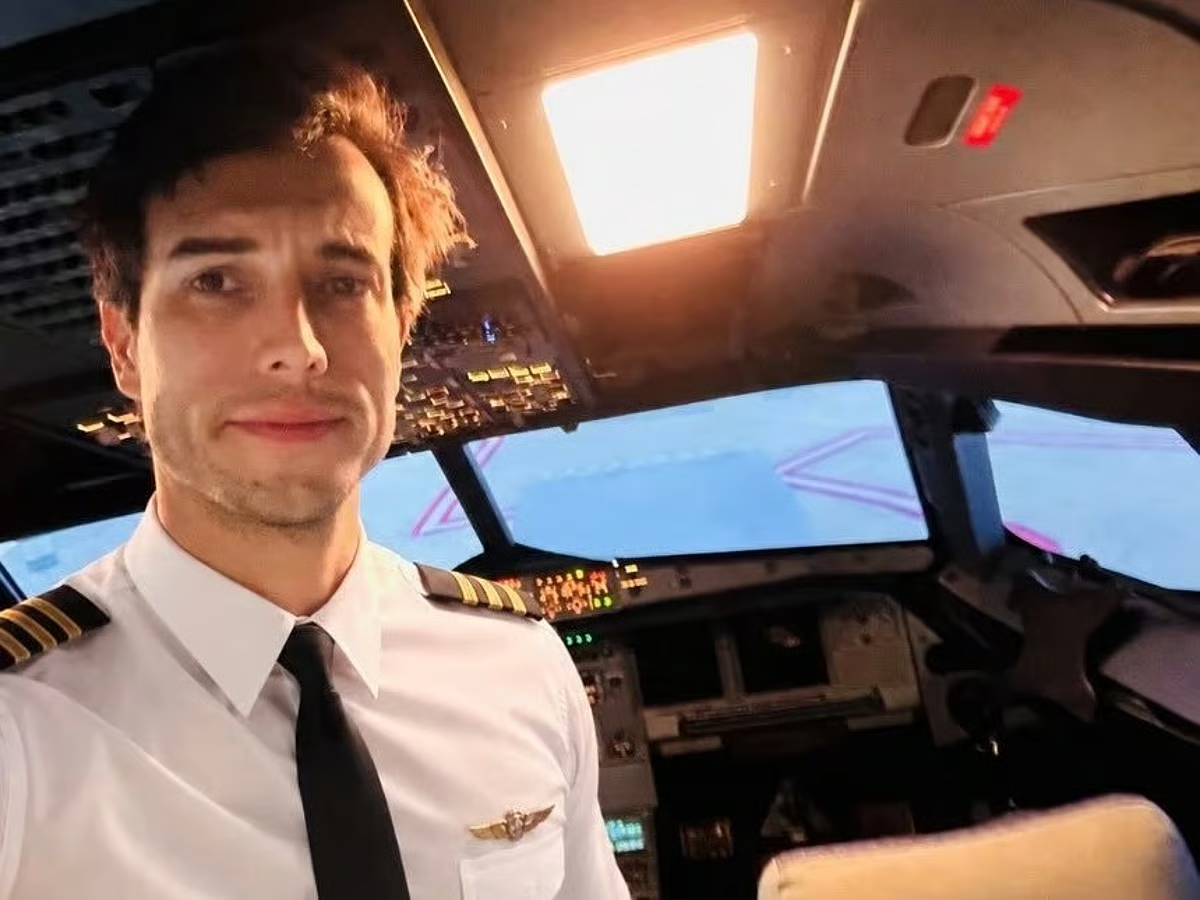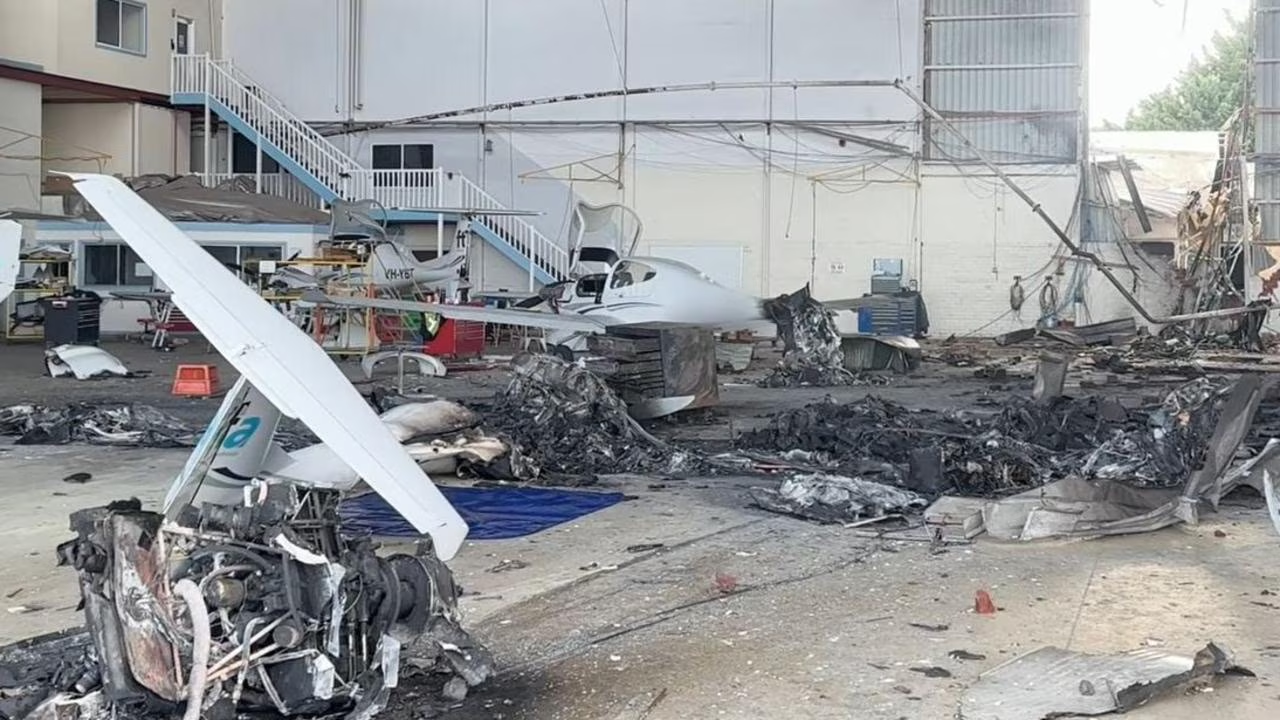
New details have emerged on the tragic final moments of a horrific plane crash which killed a young flight instructor and his trainee pilot in South Australia.On April 29, 29-year-old Robert Hoyle and a 24-year-old pilot under instruction died when their Diamond DA42 plane plunged into a Flight Training Adelaide hangar - injuring several others.The horror unfolded in a matter of seconds, with Mr Hoyle raising the alarm about engine failure less than half-a-minute after take-off.Now, a preliminary investigation by the Australian Transport Safety Bureau has revealed the tragic final moments of the flight - and shed some light on what could have caused it.The probe found that a component of the plane’s nose landing gear had failed due to fatigue, leading to it remaining extended during the flight.ATSB chief commissioner Angus Mitchell said the finding had been made during the early evidence gathering phase, with full findings to be made in due course.“The failure of a nose landing gear actuator rod, as was found in this accident, is known to have caused in-flight controllability issues with this aircraft type in the past, and is one of a number of scenarios, including loss of engine power in one of the aircraft’s engines, that the ATSB investigation is examining,” he said.The investigation saw shocking CCTV footage of the crash examined, as well as inspecting the wreckage the crash left behind.The footage shows the aircraft deviating left shortly after taking off, before being realigned and veering left once more.“About 27 seconds after take-off and at 115ft above ground level, the instructor made a radio call stating ‘engine failure’,” Mr Mitchell noted.“No further radio calls were heard from either pilot.”The devastating impact saw both people aboard the plane killed and nine people on the ground require hospital treatment. “ATSB transport safety investigators’ examination of the aircraft wreckage identified that the nose landing gear actuator rod had fractured,” Mr Mitchell added.“We are very much in the early stages of this investigation, and while we have determined the existence of a fatigue crack leading to a failure of the rod, and its potential impact with the rudder controls.“We need to follow our evidence examination and analysis processes to determine all of the factors that contributed to this tragic accident.”Mr Mitchell explained that this was just one of a number of potential explaining factors of the tragedy - and that the full investigation would aim to ascertain a complete cause.“While we continue to establish the contributing factors to this accident, we felt it important to raise awareness with operators of the DA42 of the actuator fracture and the increased risk of an uncommanded left rudder control deflection with the release of a safety advisory notice,” he added.Read related topics:Adelaide
Pilots’ final alert before fatal crash
New details have emerged on the tragic final moments of a horrific plane crash which killed a young flight instructor and his trainee pilot in South Australia.
453 words~2 min read