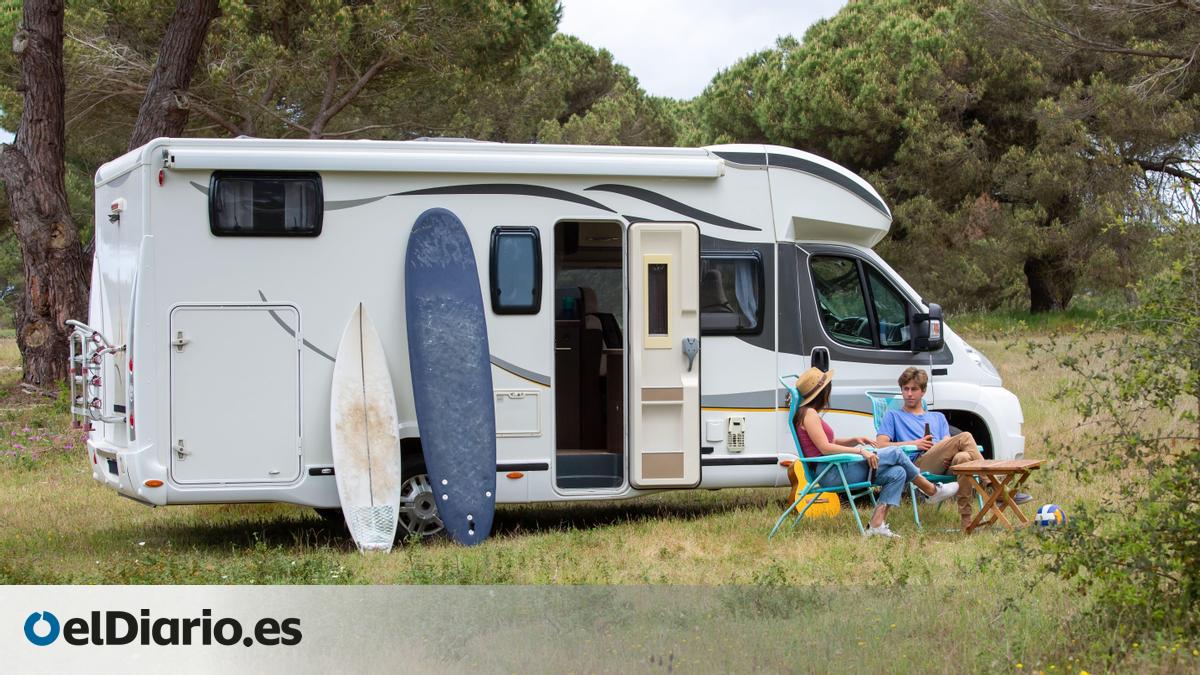
My family has taken dozens of road trips over the years, but nothing like our recent RV trip through Nevada.Show Caption
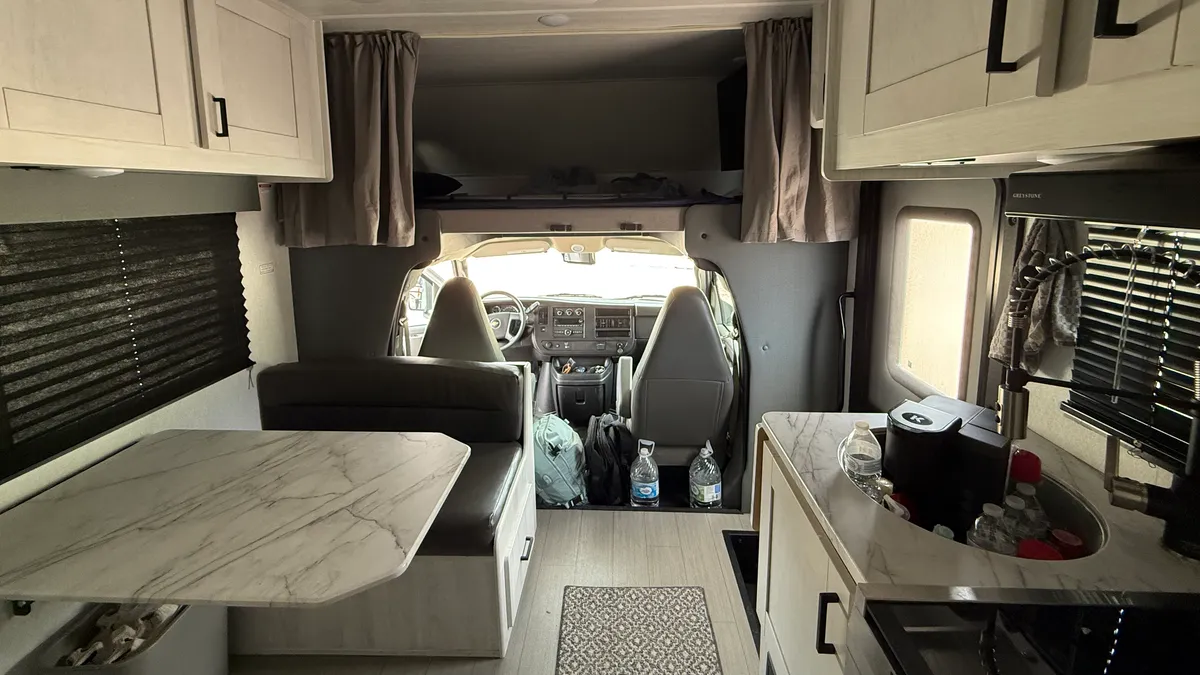
An RV trip can be a good compromise for families with both introverted and extroverted children.Renting an RV provides a mobile basecamp with amenities like a kitchen and bathroom.While RVing can save money on food, the total cost can be comparable to other road trips.If you ask my introverted 12-year-old where she’d like to go on any given day, 9 out of 10 times, she’ll choose to stay home. When we travel, hotels work just as well because the comfort and quiet are what count. Her extroverted big sister, on the other hand, loves being out and about, exploring new places, unruffled by noise or crowds. Usually, we try to juggle both, but we found an even better compromise on our family’s first RV road trip with RVshare, which rents RVs sort of like Airbnb and vrbo rent vacation homes. Here’s what it was like and what you should know before trying an RV yourself, including how much it costs.Home away from home We rented an East to West Entrada from a lovely Las Vegas couple for our trip through Nevada. It was a mid-size Class C motorhome, shaped like a U-haul with bunk space over the cab. My husband and I had previously stayed in a larger Jayco White Hawk trailer near Yellowstone National Park, but treated that more like a basecamp that we kept parked because we didn’t feel comfortable towing something so large. We still don’t. The Entrada's size was just right. There was that bunk bed over the cab, a queen-size bed toward the back, and a dinette in the middle that converted into a third bed. It had a well-stocked kitchen with a 3-range gas stove, a convection microwave and a solar-powered refrigerator, which meant we never had to worry about groceries going bad. There was also a full bathroom with a separate shower, unlike some RVs whose shower and toilet share the same footprint. It was like having a house on wheels, which my 12-year-old loved because it meant there was always a place to unwind within a few steps of any activity we chose.Pros, cons of RVing The best part of the RV was having a basecamp that went with us, instead of having to go, go, go, like we usually do, with only one or two breaks back at the hotel. It was also more comfortable than traditional road trips, where my kids are usually cramped in the back seat. There was plenty of storage for our stuff, and we never felt like were stepping on top of each other.I liked being able to get close to nature with the conveniences of home. I also appreciated having a bathroom on hand for middle-of-the-road or middle-of-the-night potty breaks. I liked being able to cook, instead of eating out the whole trip. We stopped for groceries after picking up the RV in Las Vegas and made meals like breakfast tacos and fettuccine Alfredo in the RV. The groceries and treats we bought along the way totaled $333 for the four of us, for just over five days. That’s not counting our last meal in Las Vegas, after we returned the RV. That was the only restaurant we ate at on the trip, and the dinner alone shockingly cost more than we spent on food all week. One potential downside of RV travel is that mechanical issues can pop up unexpectedly, like with any vehicle. RVshare bookings include 24/7 emergency roadside assistance through Quest. Love’s Travel Stops just expanded its service offerings for RVs, including light maintenance, battery replacement and tire replacement. Our generator stopped working after the first day of our trip, but we didn't consider it an emergency because we'd booked full hook-up campsites for the entire trip, so we had power when we needed it. The RV owners, who were very responsive, also helped us troubleshoot by video call, and we eventually got the generator working again toward the end of our trip.Parking was sometimes tricky. I think I would get used to the RV’s dimensions over time, but to be safe, we always looked for oversized spaces away from others. And whenever we had to back up, one of us hopped out to direct whoever was driving, even though the RV had rear-view and side cameras. The worst part of the experience wasn’t really the RV’s fault. It was the wind, but the vehicle’s less-than-aerodynamic design didn’t help. Most of our trip was through wide-open desert, where gusts up to 55 mph made it challenging to drive and sometimes rocked the RV when we slept at night. My husband kindly drove most of the time because the wind made me nervous. Cost of RV rentals Another potential con is the cost. RVing is not cheap, but renting can be comparable to the cost of road tripping with hotel stays and dining out.Based on an analysis of more than 1 million bookings, RVshare says its average rental cost, set by owners, is just over $210 per night, with travel trailers typically costing the least and motorized Class A, B and C RVs costing more. That nightly rate does not include a required insurance and protection package, which starts at $14 per night for some towable units. Nor does it include upfront and usage fees, like for campsite delivery, pets, cleaning, excess mileage, or excess generator use; RVshare recommends setting aside 20 to 30% of the nightly rate, as a cushion for those costs. It also doesn’t include fuel or campsite bookings. A roughly $90 security waiver and refundable deposit aren’t included either. All of that adds up to a lot more than tent camping, but it still costs less than other types of vacations my family takes, like to theme parks and on cruises. And unlike other trips that may have blurred in our memories over the years, I don't think this is one we'll ever forget. My mother-in-law still talks about the time she and her family drove across the country in an RV when she was a kid. I hope my girls will talk about this trip like that someday.USA TODAY reporter Eve Chen was provided access by RVshare. USA TODAY maintains editorial control of content.