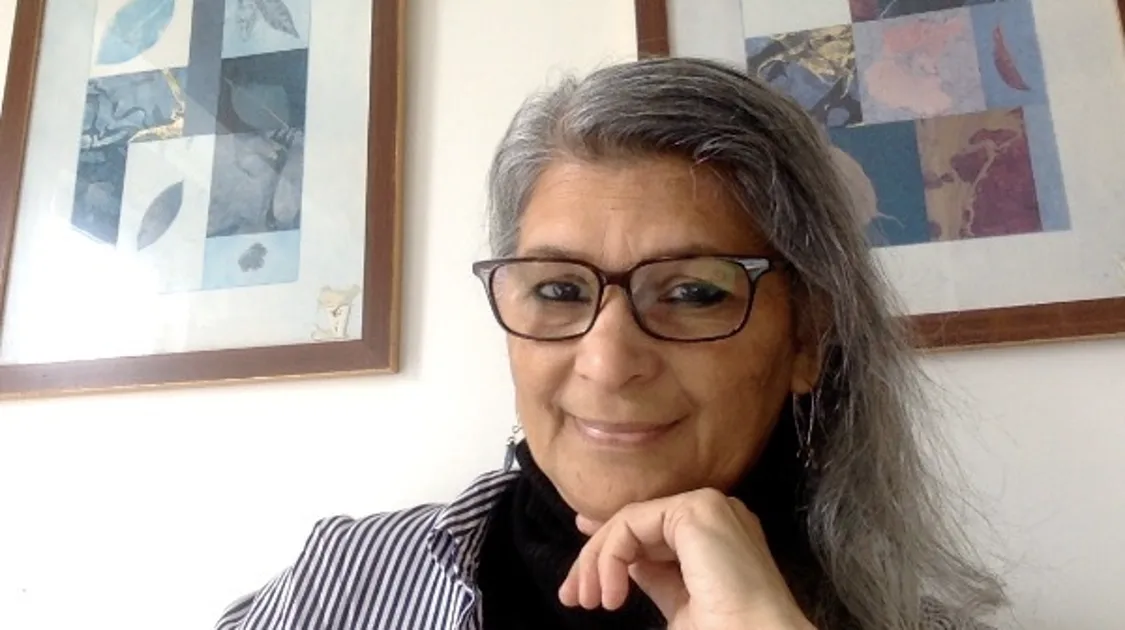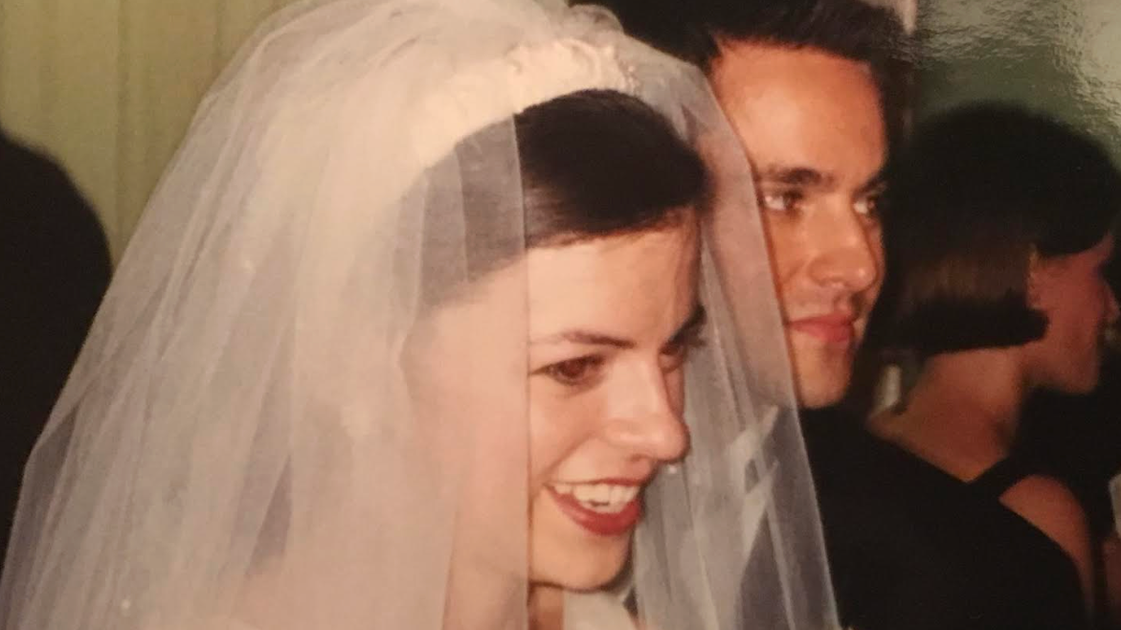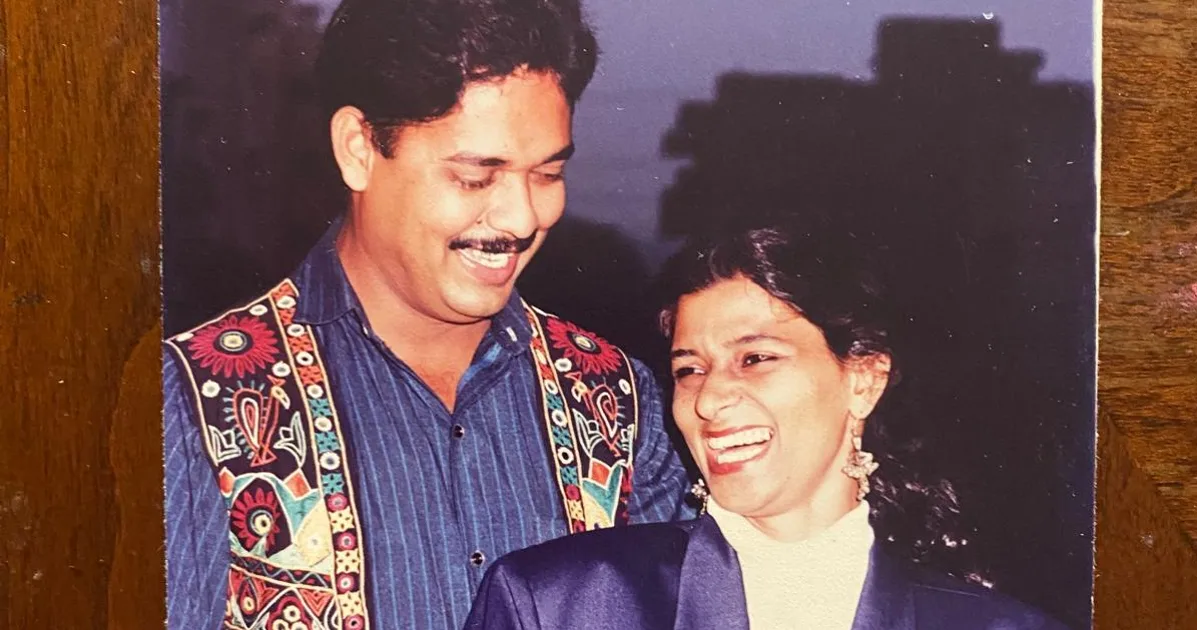
For more than three decades, my husband and I shared a marriage, but not a home. We married in 1988, and by 1992, when our son was 2 and a half, my husband made the difficult decision to leave the country for work. He had been struggling to find a job that offered stability and growth, and an opportunity abroad felt like the only way to secure a better future for us. I understood the logic, but emotionally, it was devastating. For months, I kept hoping that the separation would be brief. Eventually, I had to accept that this was our new reality. I rebuilt my days slowly, finding a job, managing the home and learning to function as a single parent. He lived overseas for work, and I stayed in the country where our family home is, working and raising our son. I maintained routines and kept the home and hearth warm for my husband’s occasional visits. This rhythm continued for more than three decades.When my son turned 18 and moved out, the house — every routine, every decision, every silence — became entirely mine. Logistically, life became simpler; emotionally, it became quieter in a way that was both freeing and unsettling.When my husband recently decided to return home permanently, I had been living alone for well over a decade. Over the years, what began as a practical arrangement became our version of normal. We supported each other’s goals and made our long-distance relationship work. Just as couples living in the same home share details of their day, we, too, did that. If he was traveling for work, I checked that he’d reached his hotel. Hospital visits, health updates, whether we had eaten and such boring but essential details were a big part of our virtual conversations. There were lighter moments, too, like humming and sharing links to our favorite Bollywood songs. These small rituals kept us anchored through frustrations, irritations and even the moments when one of us wanted to call it quits. Quietly, we held our long-distance marriage together.For 30-plus years, I followed my own schedule: early morning online lectures, writing, sending pitches, stepping out twice a week for groceries (or ordering in when I didn’t feel like it). I ate dinner alone. I slept in a bed that belonged entirely to me. I managed bills, repairs, both the difficult emotions and the small joys that filled my days.My independence was simply the natural consequence of living alone long enough that my relationship with myself became the most comfortable relationship I’d ever had. And somewhere along the way, I built an entire adult identity that existed almost entirely without my husband or my grown child’s physical presence. When my husband recently announced he was returning home permanently, life shifted again in my 60s. The back‑and‑forth trips were over. The years abroad were over. The brief home visits were over. He was coming home for good.The author and her husband in February of 1990Photo Courtesy Of Ranga RajahWhile relatives, friends, and even our grown son sent congratulatory messages, I felt something closer to panic. This was not a novel where characters reunite in the last chapter. For me, the question was far more real: How does a woman who has lived alone for decades suddenly relearn companionship?The first few days after he returned, carrying two large suitcases, felt like sharing a home with a somewhat familiar stranger. I saw the house I had shaped over the years slowly being reorganized to make space for his things. The learning happens slowly, in dozens of tiny moments that destabilize you when you least expect them: when your favorite reading chair, the one that held years of your quiet time, is suddenly marked for disposal because he wants to refurnish.When the thermostat becomes a battleground: his body used to freezing in Canadian winters, mine relearning how to get comfortable in an overheated home.Silence is exchanged for small talk. One toothbrush for two. Every corner is now shared. These daily shifts seem small on the surface, but the emotions beneath run deep. With his return, I am experiencing a quiet identity crisis. For years, I was the one who knew every system in the house: where the spare keys were, which technician overcharges, how to winter-proof the doors, which neighbors to greet and which to avoid. My husband, although I love him deeply, isn’t yet woven into this daily fabric.And now, even the smallest domestic decisions — like which groceries to buy, how the kitchen drawers are arranged or who handles the money — require renegotiation. After decades of total autonomy, these simple conversations feel unexpectedly fraught.“There are no self-help books for women navigating the return of a spouse after three decades of logistical independence. And there’s no language for the many micro-griefs of giving up your independence.”Long-term solitude rewires what you expect from companionship. It reshapes how you relax and move within your own home. Rediscovering couplehood at this age, after living parallel lives for decades, feels like relearning couplehood from scratch. We nurtured a marriage while living separate lives in different countries as individuals. Now, when most couples our age are settling into predictable rhythms, we are merging two identities that grew independently.There are no self-help books for women navigating the return of a spouse after three decades of logistical independence. And there’s no language for the many micro-griefs of giving up your independence. There is barely even permission to admit that reunion, especially at this age, can be emotionally disorienting. Sharing my feelings honestly is the best way to find solutions, I feel. And part of that honesty is acknowledging a simple truth: I’m not just adjusting to his presence. I’m adjusting to the version of him that grew without me, and he to the version of me that grew without him.I’m pulled in two directions: I want him around, yet I also want to protect the life I’ve built in his absence. I mentally rehearse how to reclaim my evening silence or carve out personal space without seeming distant or cold, followed by feeling guilty (yet again) for wanting that space.While my mind wrestles with these shifts, my husband is joyfully busy buying groceries and cooking the dishes he learned abroad.I love his cooking sessions, his eagerness to take charge of things around the house. As my husband settles into routines and slowly finds comfort in his corner of our home, I’m learning that letting someone back into your daily world requires emotional recalibration, patience and difficult conversations. This is a transition, a renegotiation of self, space and partnership after 33 years of living apart. Perhaps the greatest lesson is that you can love someone deeply and still feel a loss for the version of yourself that existed in solitude.Both can be true. Both can coexist.And both, I’m learning, can lead to a new kind of connection, one that reflects who we’ve become.The author with her husband todayPhoto Courtesy Of Ranga RajahDespite the discomfort, my heart has begun to find tender, unexpected moments. Sweet and reassuring ones like:Making morning tea for two and finding it sweetly familiar.Setting up a quiet “his corner/her corner” to manage space and retain identity.Cooking a simple dinner together without fuss.And realizing the house feels warmer with two voices instead of one.After living apart for over 30 years, the shape of a marriage changes. The advantage is that we gave each other a lot of space to grow. The fear? What if we grew so apart that we never want to be together at all?Hope, for me, looks simple: that we find a rhythm that doesn’t erase the people we became in these decades apart, but gently makes room for both. I plan to treat this phase like a new chapter in our marriage rather than a continuation of the old one.This is not a story about rediscovering marital bliss. It is a story about redefining companionship in later life. In my 60s, I’m discovering that togetherness, like independence, has to be learned. Not once, but over and over again. Do you have a compelling personal story you’d like to see published on HuffPost? Find out what we’re looking for here and send us a pitch at pitch@huffpost.com.RelatedMarriagelong distance relationshipsCohabitation
My Husband And I Lived Apart For 3 Decades — Then He Made An Announcement That Sent Me Into A Panic
“Sharing my feelings honestly is the best way to find solutions, I feel. And part of that honesty is acknowledging a simple truth.”
1,376 words~6 min read