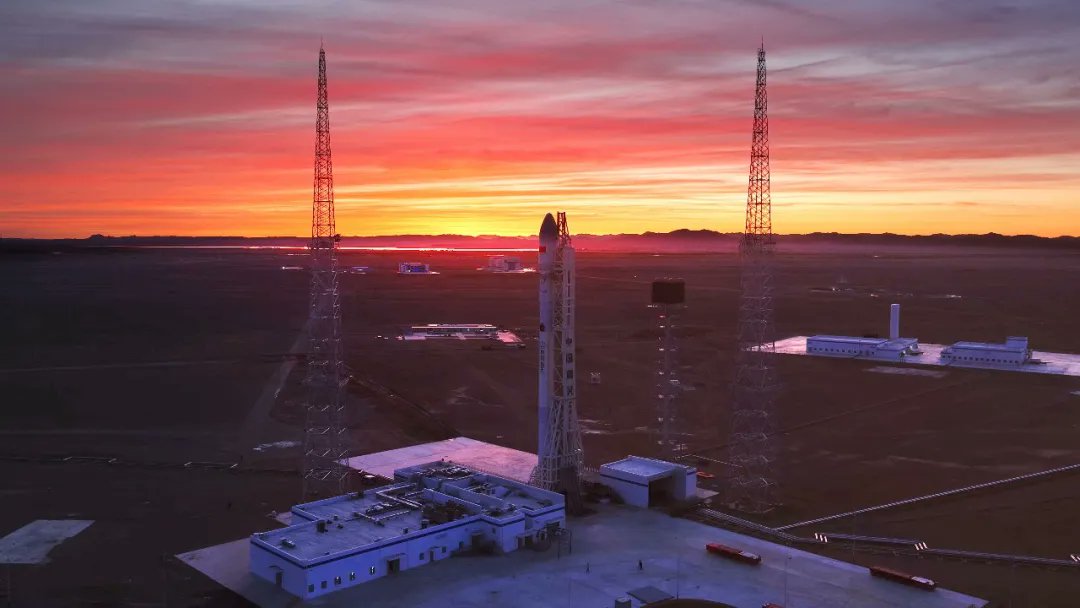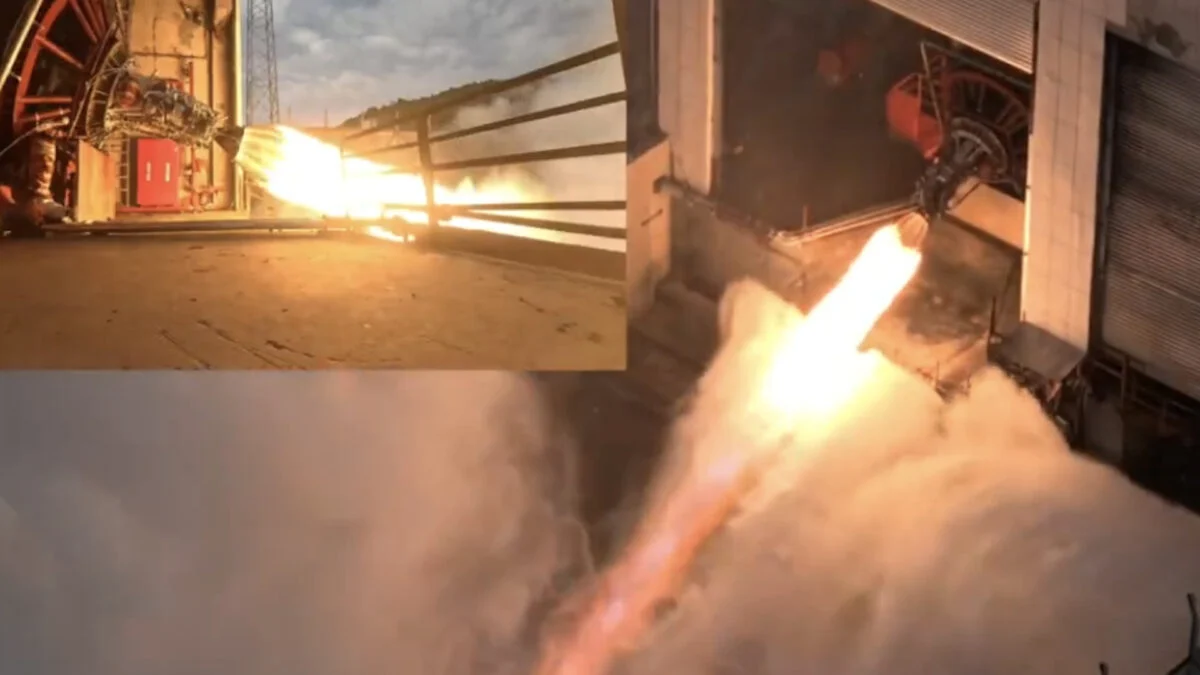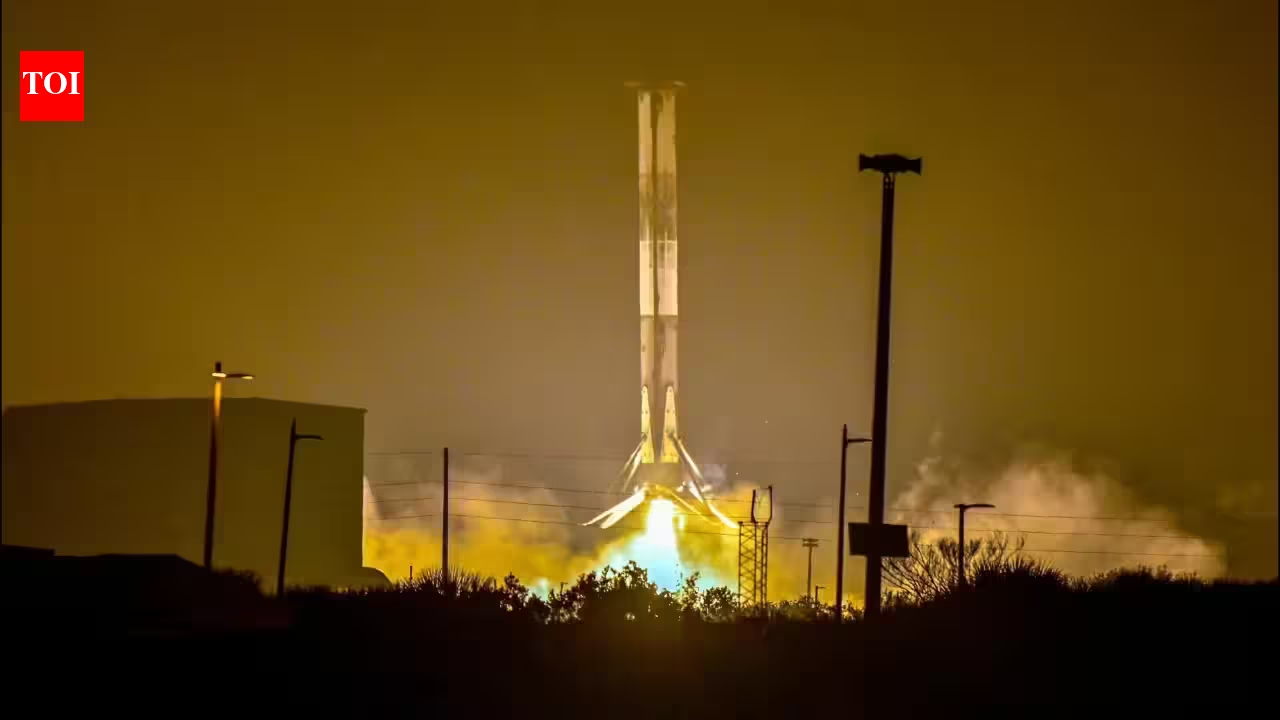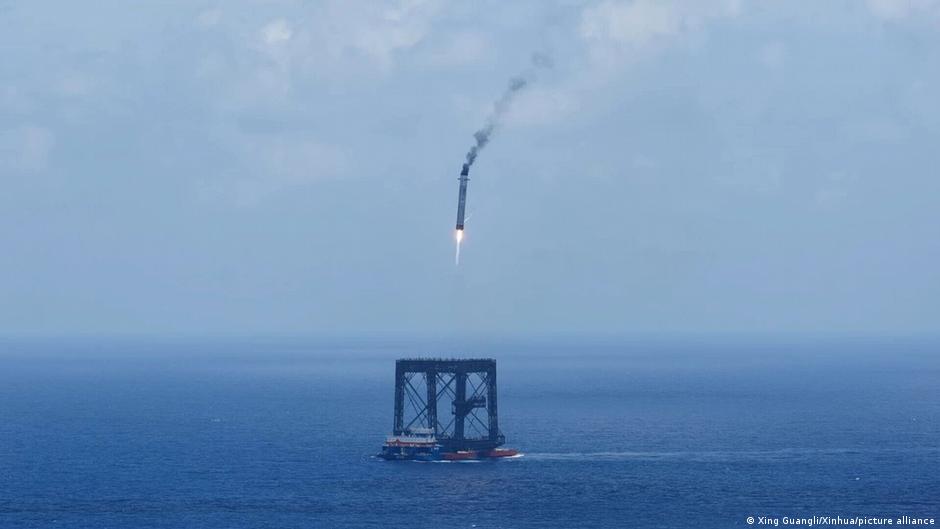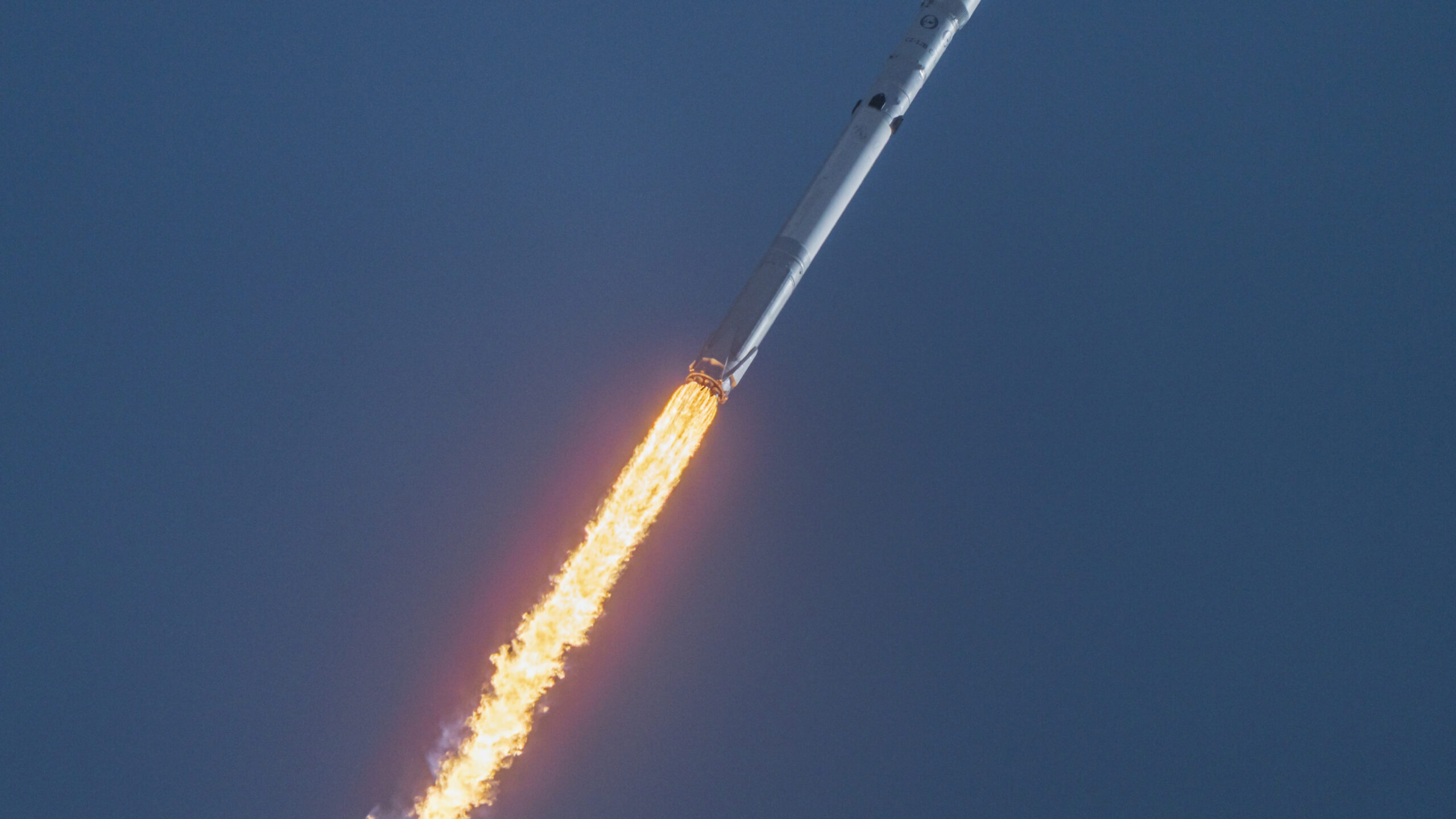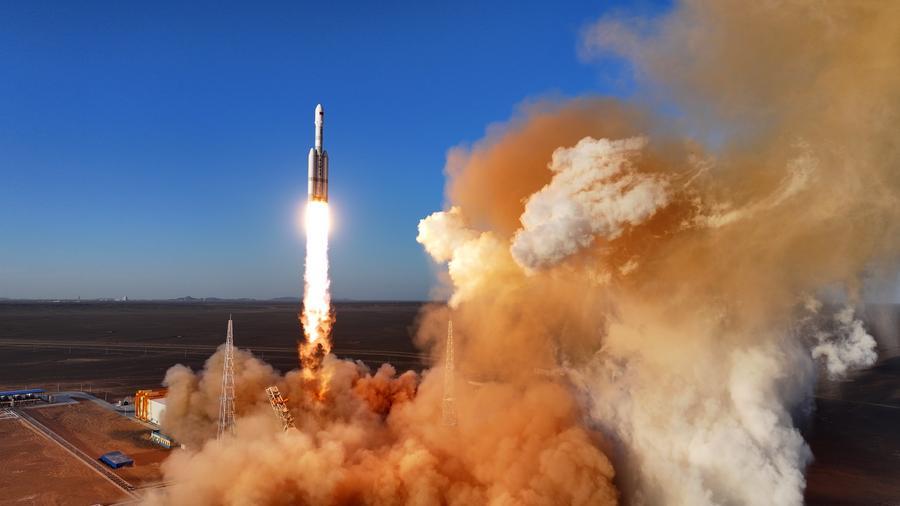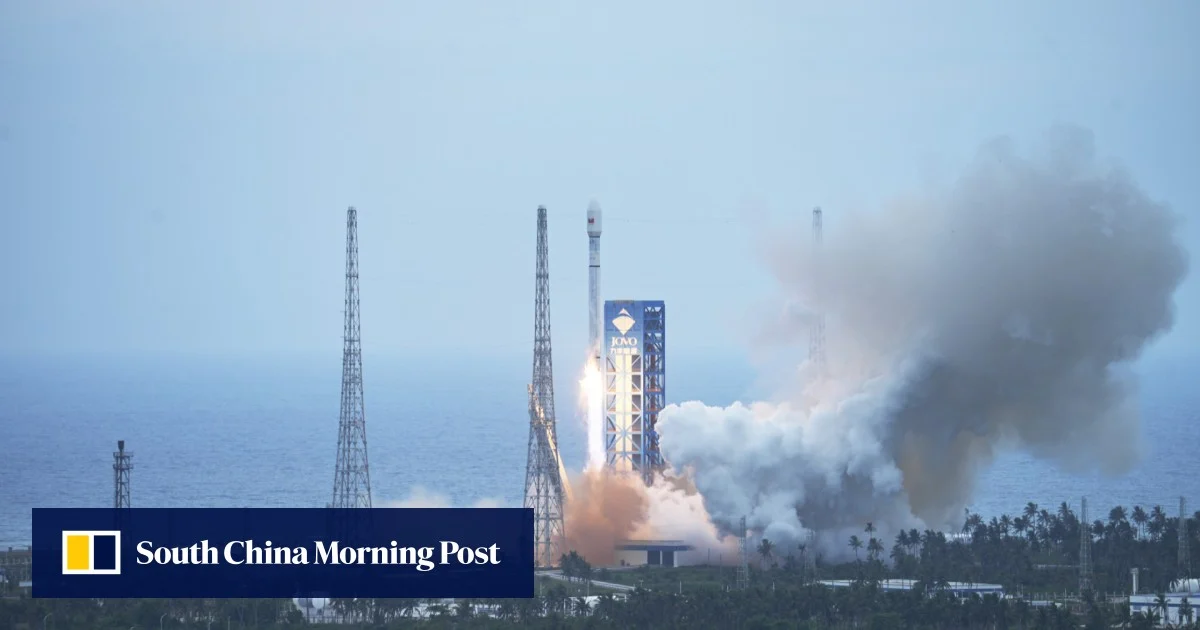
A Chinese Long March-12 rocket launched last week used a new super fuel that boosted the rocket’s payload capacity by 10 per cent, according to its developer.Instead of designing bigger, more expensive airframes, The Beijing Aerospace Test Technology Research Institute, a subsidiary of the China Aerospace Science and Technology Corporation (CASC), has been working on ways to maximise the energy density of the fuel used.Most rocket launches today use liquid oxygen-kerosene (kerolox) engines, but the fuel mixture they have traditionally used – based on refined petroleum – has now reached its performance limits.Instead, researchers have developed a new “high-energy synthetic kerosene” to fire the engines.The CASC said last week that this boosted the engine’s specific impulse – a measure of engine efficiency, similar to fuel economy in cars – by around eight seconds.
China’s new ‘super fuel’ could help Long March rockets increase payload by 10%
With conventional engines reaching their limits, researchers have been trying to find ways to boost fuel efficiency.
133 words~1 min read