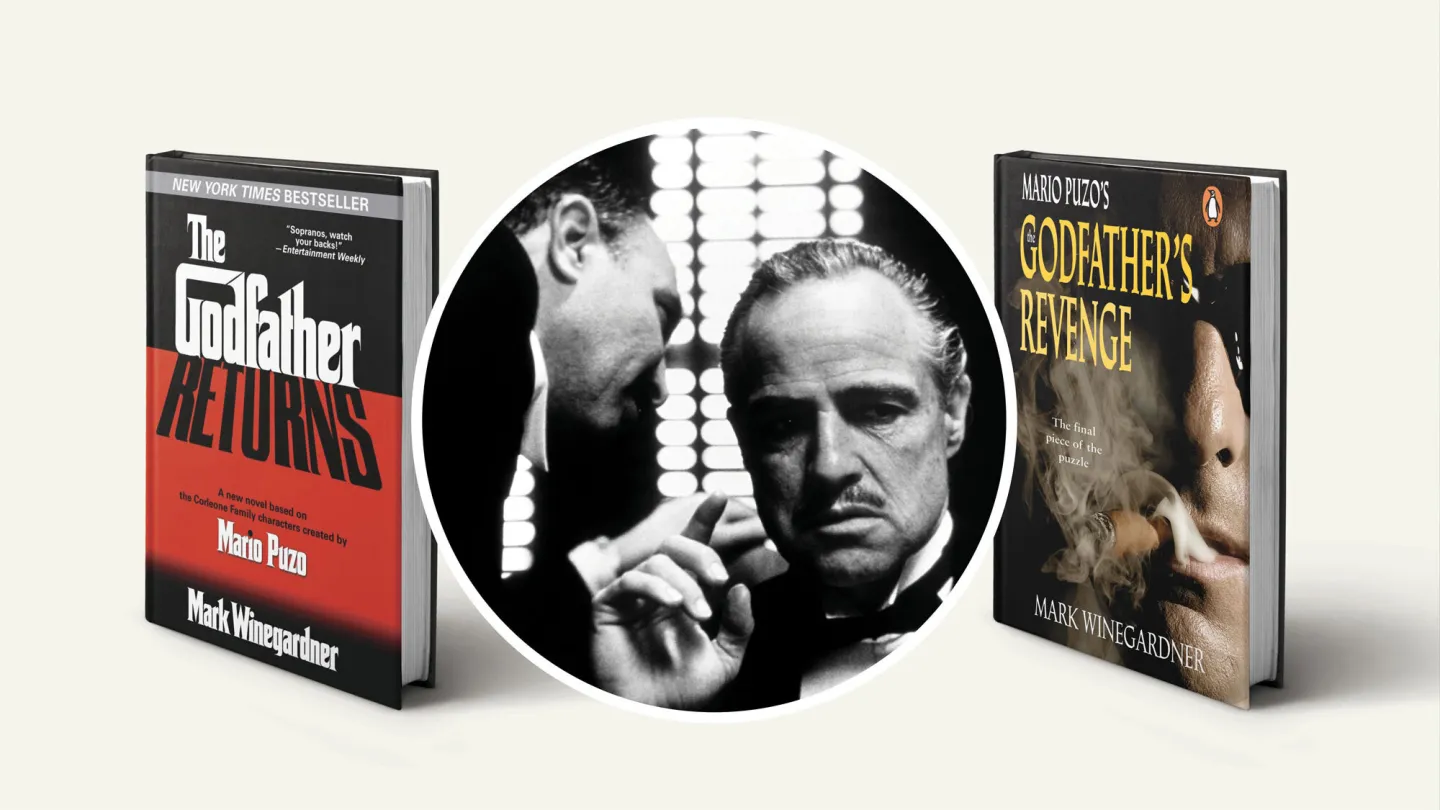
When Francis Ford Coppola accepted his contract to direct The Godfather, he insisted the film needed to exude authenticity. He partially accomplished this goal through allusions to real people and events. By the third installment of the Godfather trilogy, Coppola’s saga had the feel of a docudrama. The real postwar origins of the U.S. heroin trade is a key subplot of the inaugural film. Supporting characters appearing or mentioned in the second movie (Moe Greene, Hyman Roth, and the Rizzato Brothers) pay homage to some of New York’s most notorious gangsters (Bugsy Siegel, Meyer Lansky, and Joe and Albert Gallo). Even the much benighted third film alludes to a real mafia-linked banking scandal that enveloped the papacy in the early 1980s.
Yet when describing his films, Coppola has insisted they are not docudramas. The Godfather, in his words, was fundamentally a story about the nature of power and capitalism in the United States. Both the fictional Corleone family and their compound, he declared, drew inspiration from the Kennedys and their family home in Hyannis Port.
“Remember,” Coppola cautioned, “[The Godfather] wasn’t a documentary about mafia chief Vito Genovese. It was Marlon Brando with Kleenex in his mouth.”