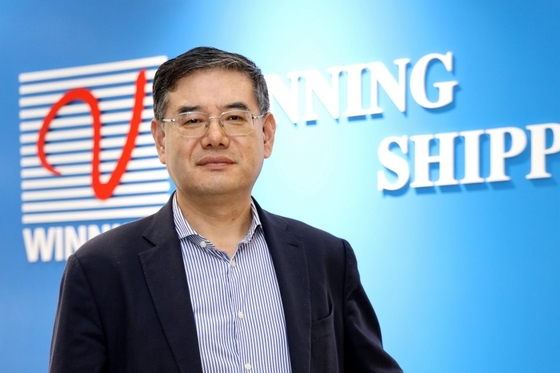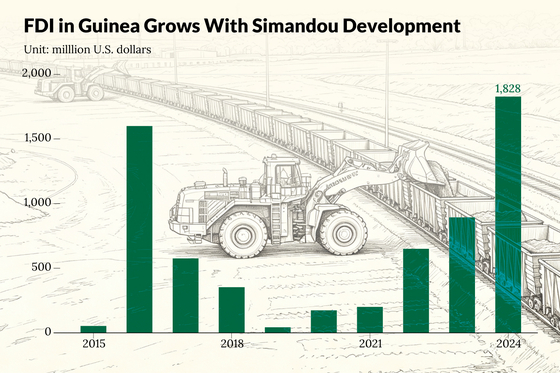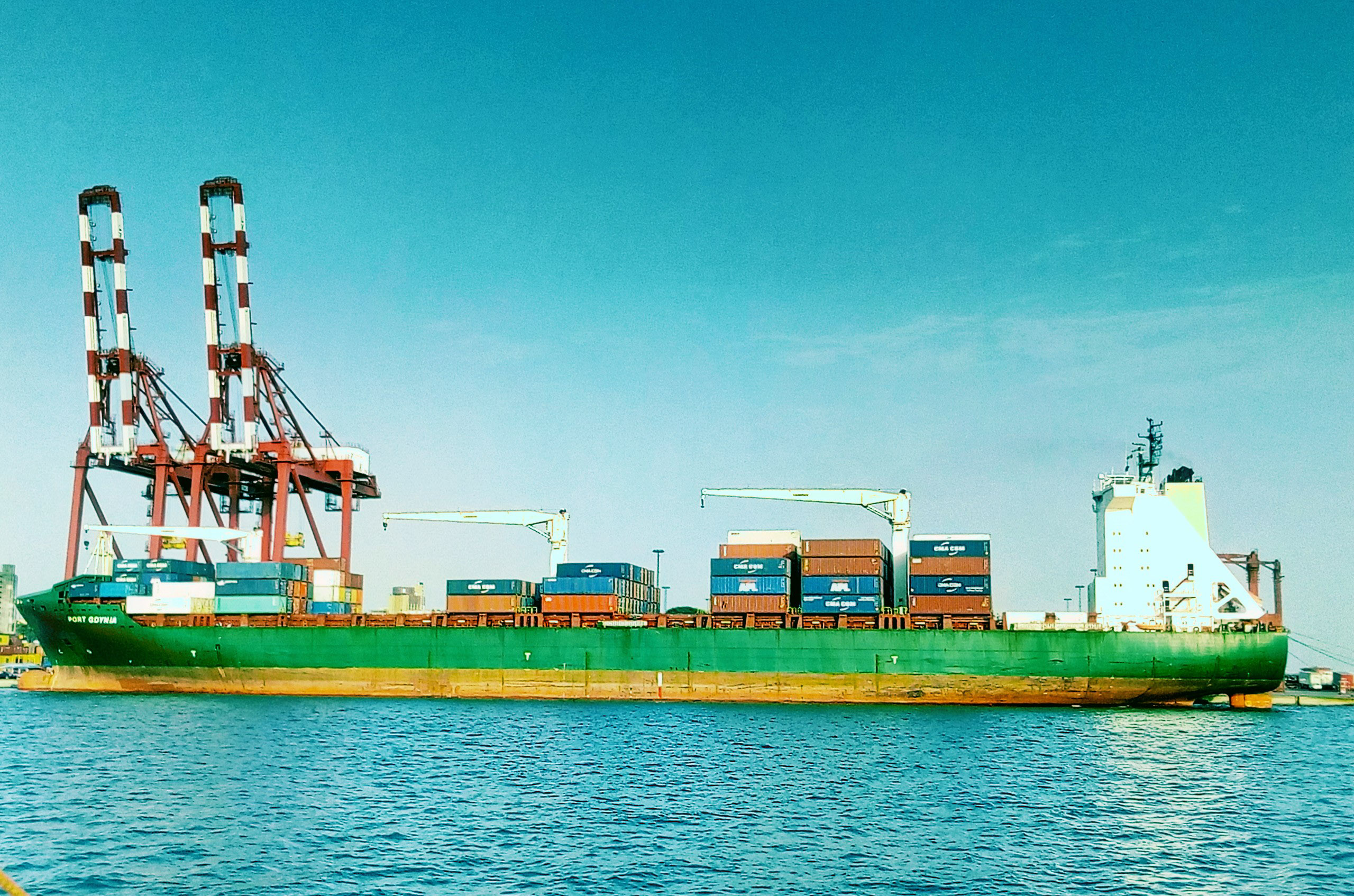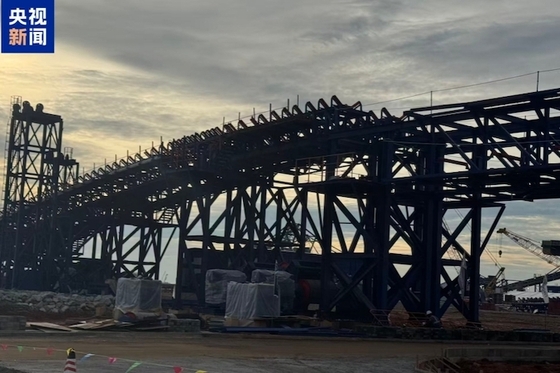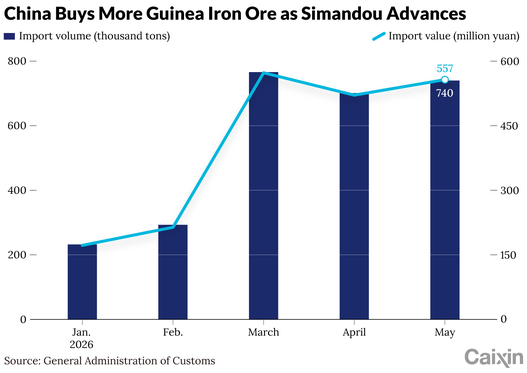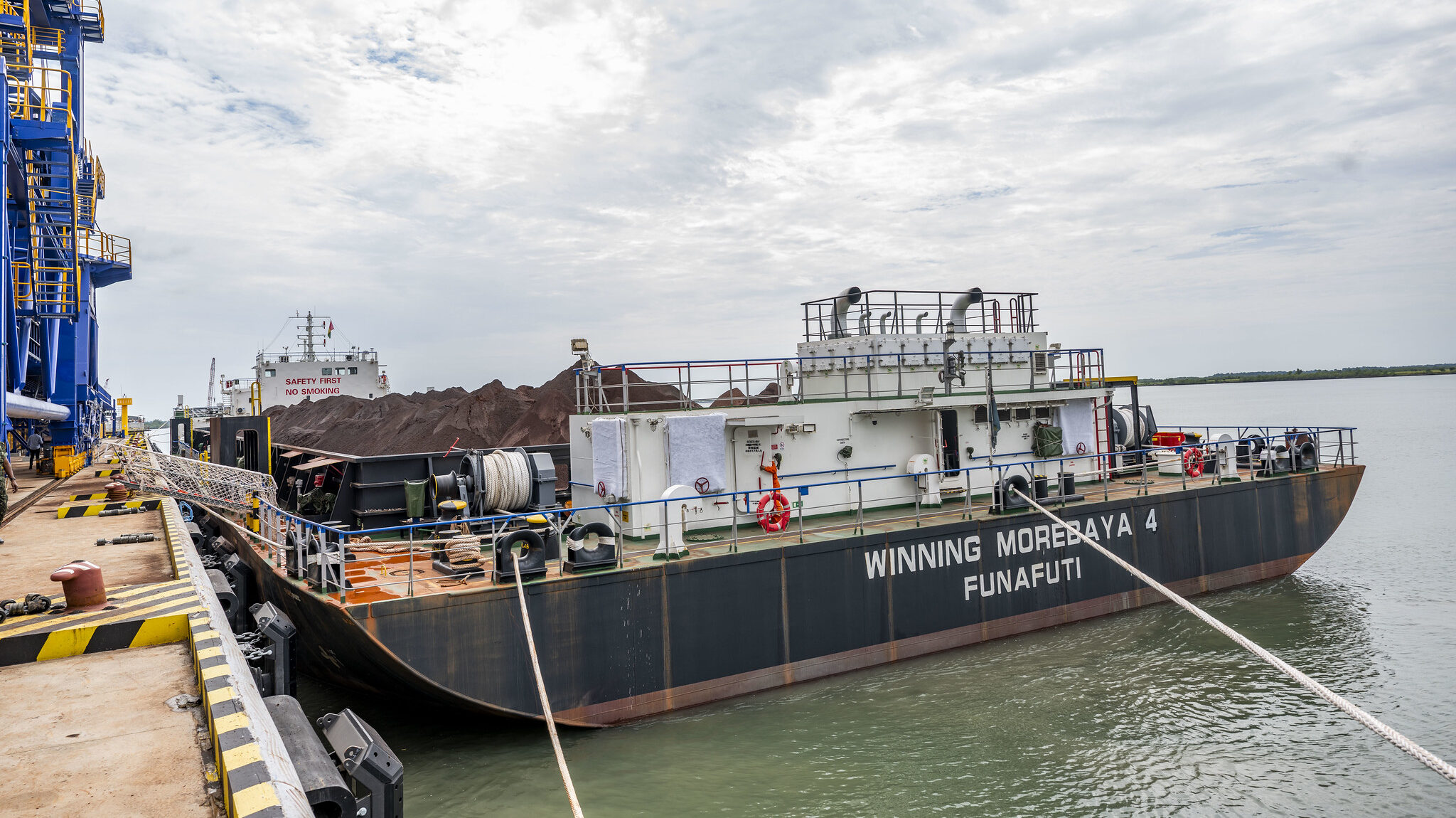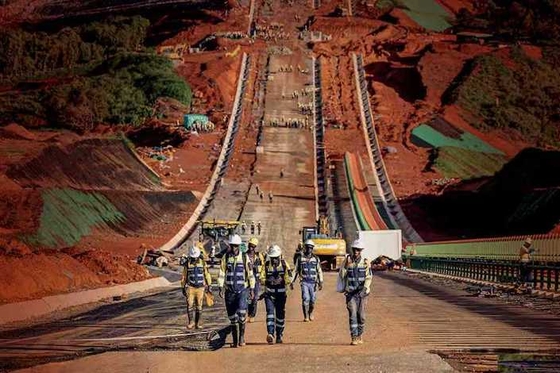
The article details the historic first commercial shipment of iron ore from Guinea’s Simandou mine, the world’s largest untapped high-grade iron ore deposit, and examines its implications for Guinea, China, and the global iron ore market. The Winning Youth, a bulk carrier, loaded with nearly 10,000 metric tons of Simandou’s ore, marked the culmination of decades of effort to bring this project to fruition. The ore began its journey from Guinea’s mountains to China, spotlighting the potential to reshape the $160 billion iron ore trade [para. 1][para. 2][para. 3].Simandou’s development is significant for Guinea, positioning the nation to become the world’s fifth-largest iron ore exporter with projected annual output up to 120 million tons. The mine’s 65% iron content deposits are critical for producing low-carbon steel—a major advantage as environmental demands increase globally. The $20 billion project equals nearly Guinea’s total annual GDP, underlining its potential national impact. Guinea’s government hosted a major celebration, drawing dignitaries from China and African nations, and underscoring the project’s developmental and geopolitical weight [para. 4][para. 5].For China, Simandou provides a strategic alternative to Australian and Brazilian iron ore, from which it imports over 70% of its supply. China’s “Cornerstone Plan” targets greater supply chain security and market leverage. Chinese state-owned groups hold major stakes in the mine, highlighting its importance within Beijing’s long-term resource strategy. The journey to operationalize Simandou involved resolving international disputes, infrastructure barriers, and political upheavals—solved in part by strong Chinese-backed, multi-sector collaboration [para. 6][para. 7][para. 8].Key to Simandou’s viability is the $9-billion, 600-kilometer Trans-Guinean Railway, which links the mine to port infrastructure, both largely financed and constructed by Chinese firms. This railway, alongside two mineral port berths costing another $4 billion, comprises over two-thirds of the project’s cost. Investment and ownership structures are shared. Southern Blocks 3 and 4 are led by Rio Tinto (53%) and a Chinese consortium (47%), while the northern zone, Blocks 1 and 2, is managed by the Winning Consortium Simandou (WCS), with critical roles for Chinese state steelmakers. All port and rail assets will revert to Guinea after 35 years, promoting transparency and national benefit [9–19].The project’s revival was catalyzed by WCS, leveraging experience from Guinea’s bauxite sector. Sun Xiushun, chairman of Winning International, led development using a model of rapid, iterative construction and locally adapted techniques. This enabled faster delivery of infrastructure despite challenging conditions, such as shallow, silty ports and harsh weather. WCS’s operations, including a floating barge system rather than full deepwater ports, lowered upfront costs but raised ongoing expenses. Guinea’s bauxite boom and WCS’s experience in “end-to-end” logistics laid groundwork for Simandou’s breakthroughs [20–41].The government’s assertive role—halting the project in 2021–22 to force renegotiation—ensured shared national infrastructure and equitable project governance. The result, a complex joint venture structure across mining and infrastructure assets, drew international legal acclaim. The ability to align diverging corporate and state interests enabled the project to restart and accelerate [42–58].Simandou’s rapid construction was driven by “China Speed,” with more than 30 Chinese firms involved. Construction achievements included West Africa’s longest tunnel, extensive bridges, and large-scale coordinated shipping, cutting at least $1.5 billion in costs. By 2025, Winning managed a maritime fleet of 100+ vessels with 60 million tons of annual throughput [59–65].Guinea’s vision for “Simandou 2040” links the mine to wider economic transformation. Mining dominates Guinea’s economy (21% of GDP, over 90% of exports), and the IMF projects 9.5% annual GDP growth from 2026 to 2028 due to Simandou. The government’s plans emphasize local value creation with steel or pellet plants and greater domestic industrialization, aiming to ensure benefits extend beyond raw exports. Simandou has already generated 60,000 direct and 100,000 indirect jobs [66–75].Despite higher delivered ore costs compared to Australia and Brazil (total up to $60–$80 per ton), Simandou’s entry into the market is transforming shipping dynamics, providing Chinese carriers with new cargo and strategic leverage. The project’s full implications—for Guinea’s economy, China’s resource security, and global steel supply—are only beginning to unfold [76–79].AI generated, for reference only
Cover Story: How China Unlocked Simandou to Reshape the Global Iron Ore Trade
China, Rio Tinto and a shipping tycoon unite to bring to life Simandou, West Africa’s long-dormant ‘Pilbara killer’
662 words~3 min read