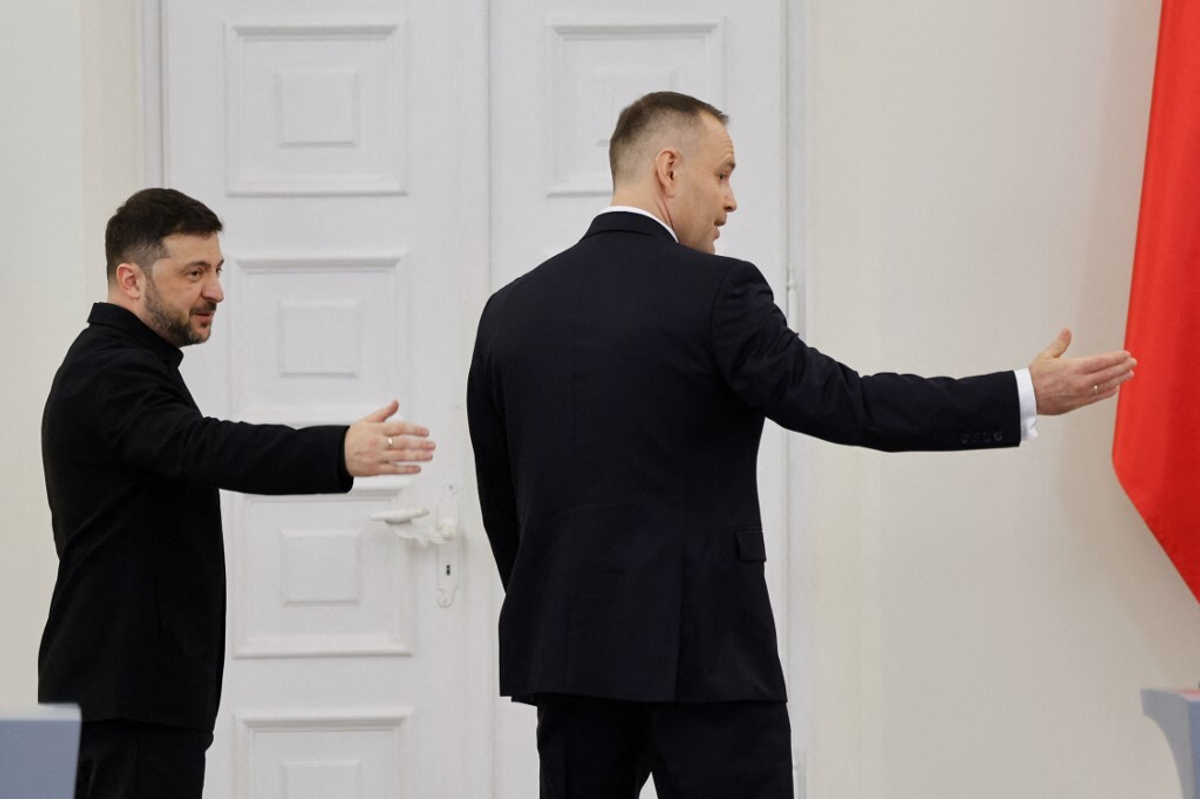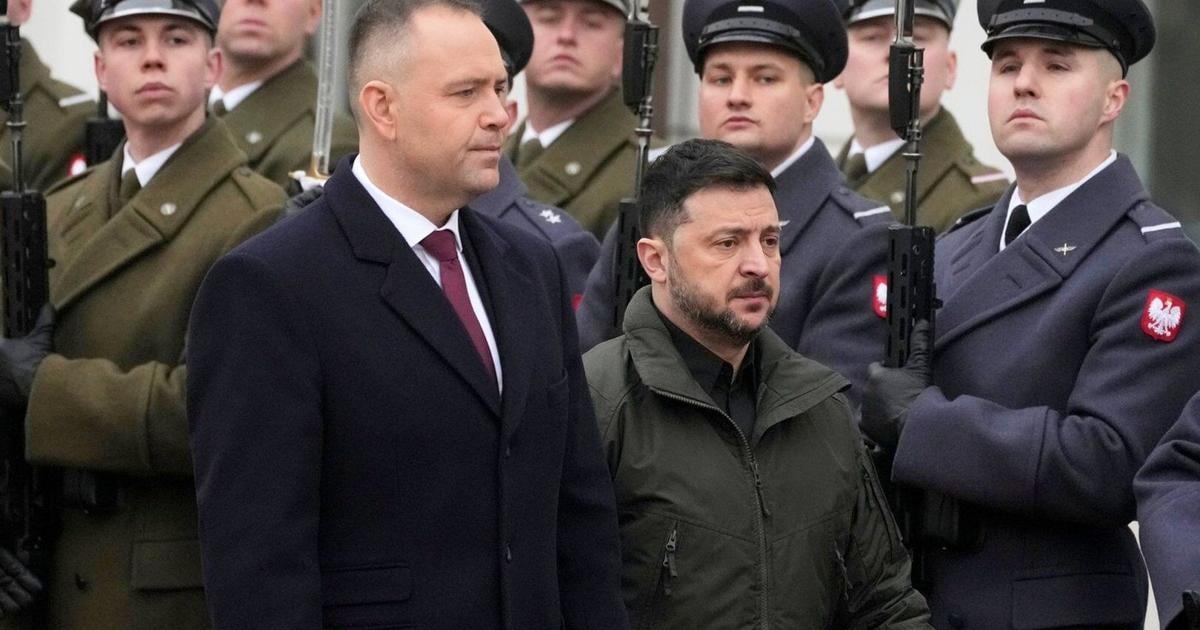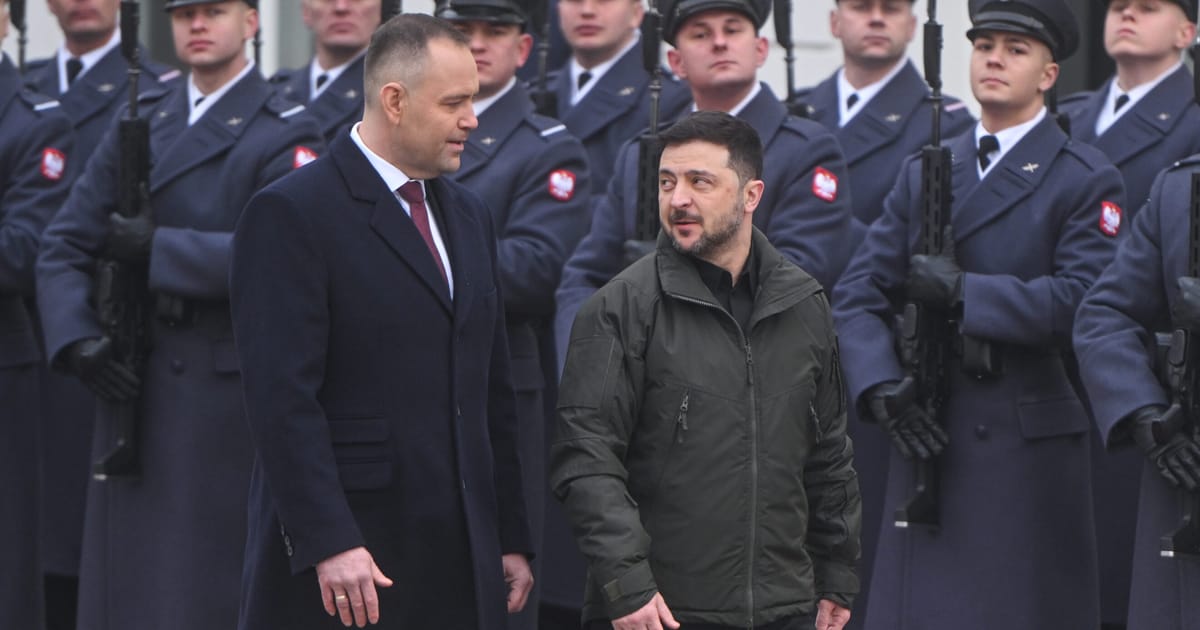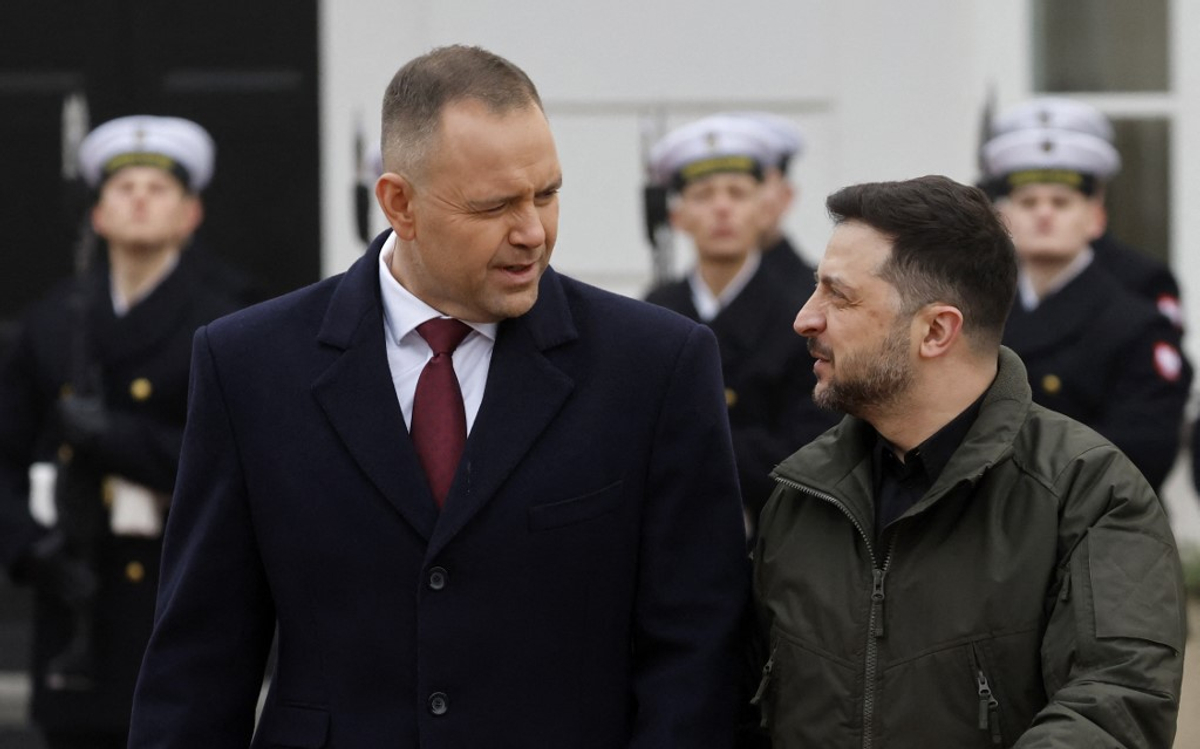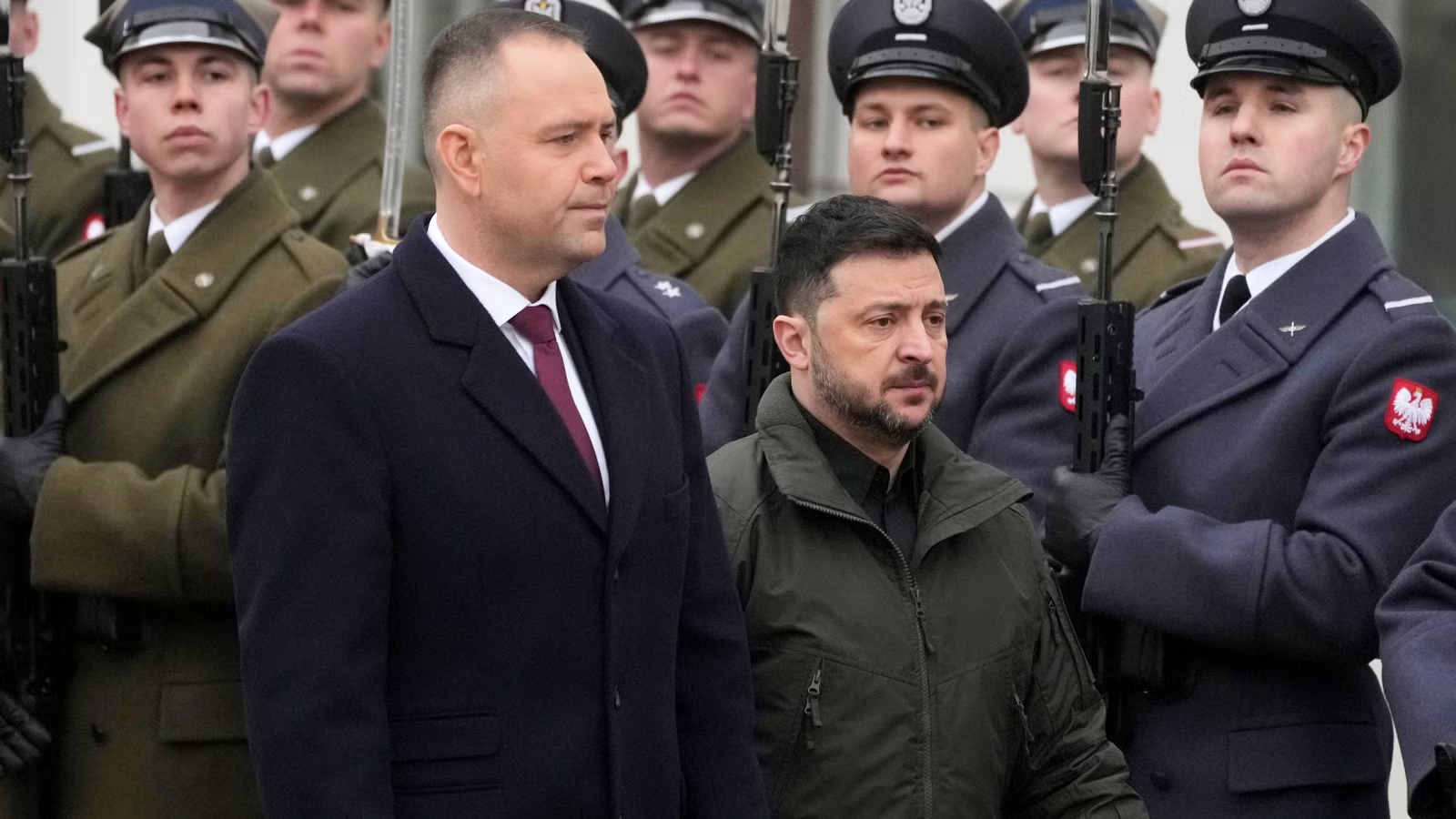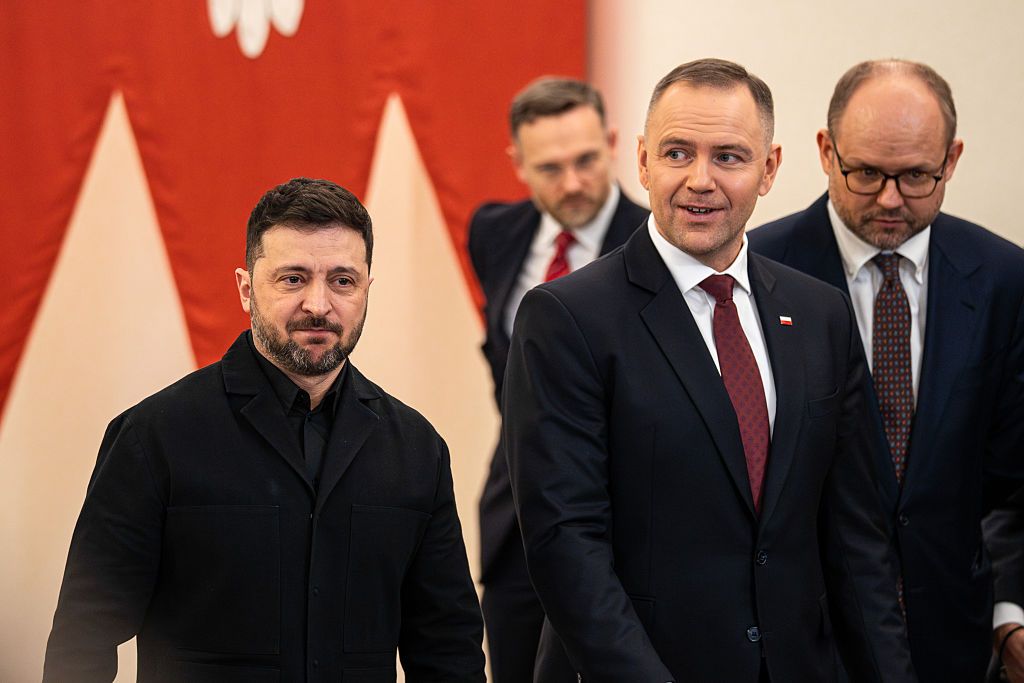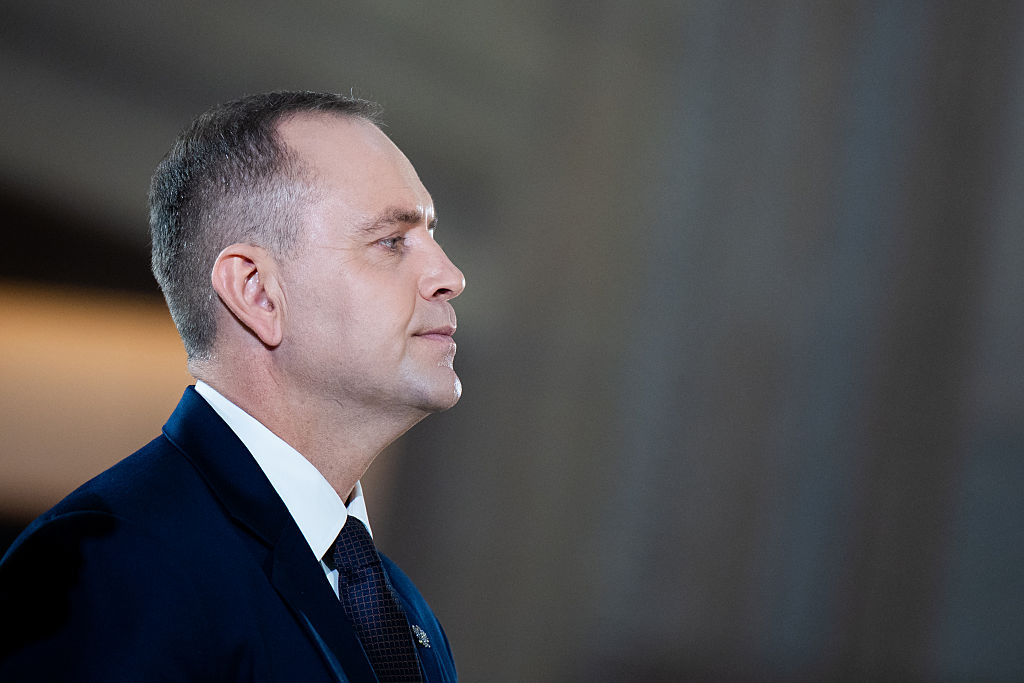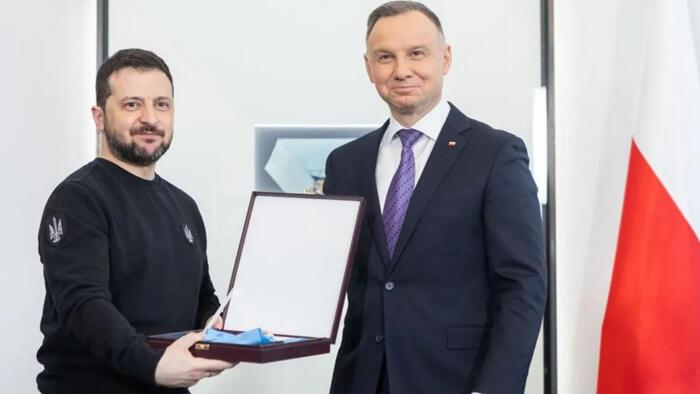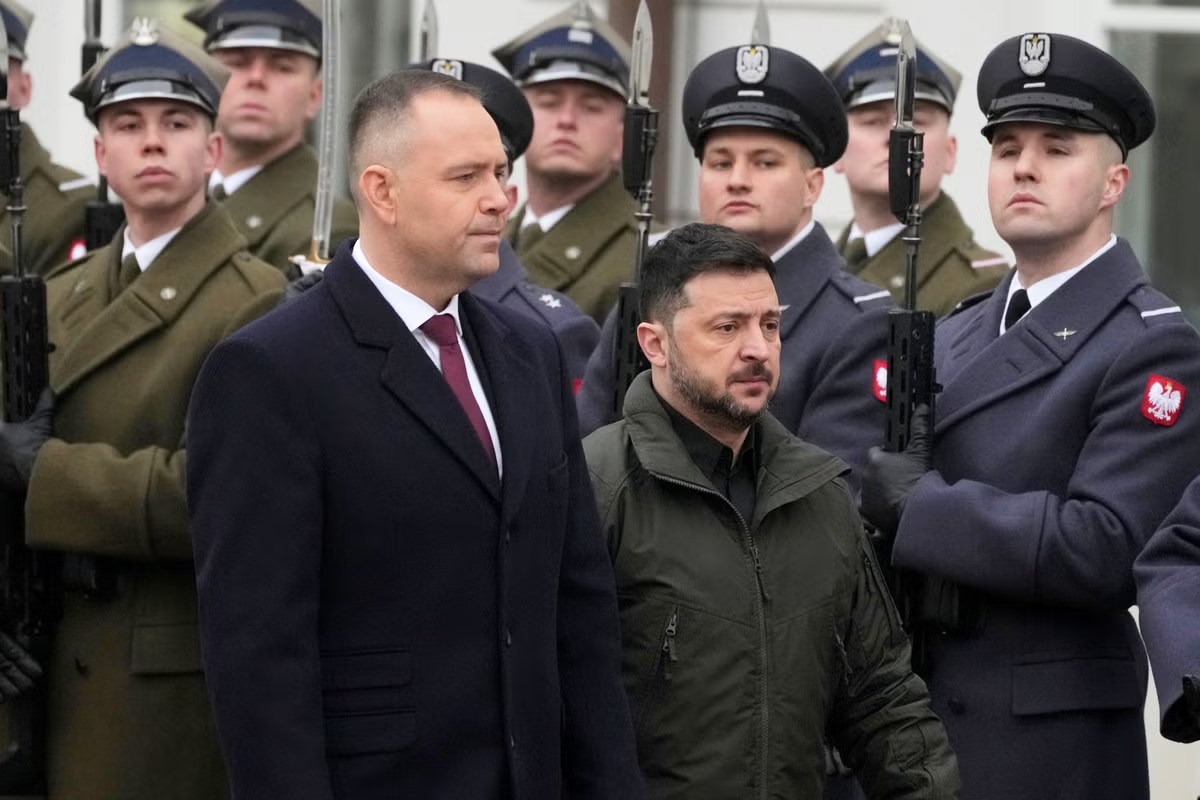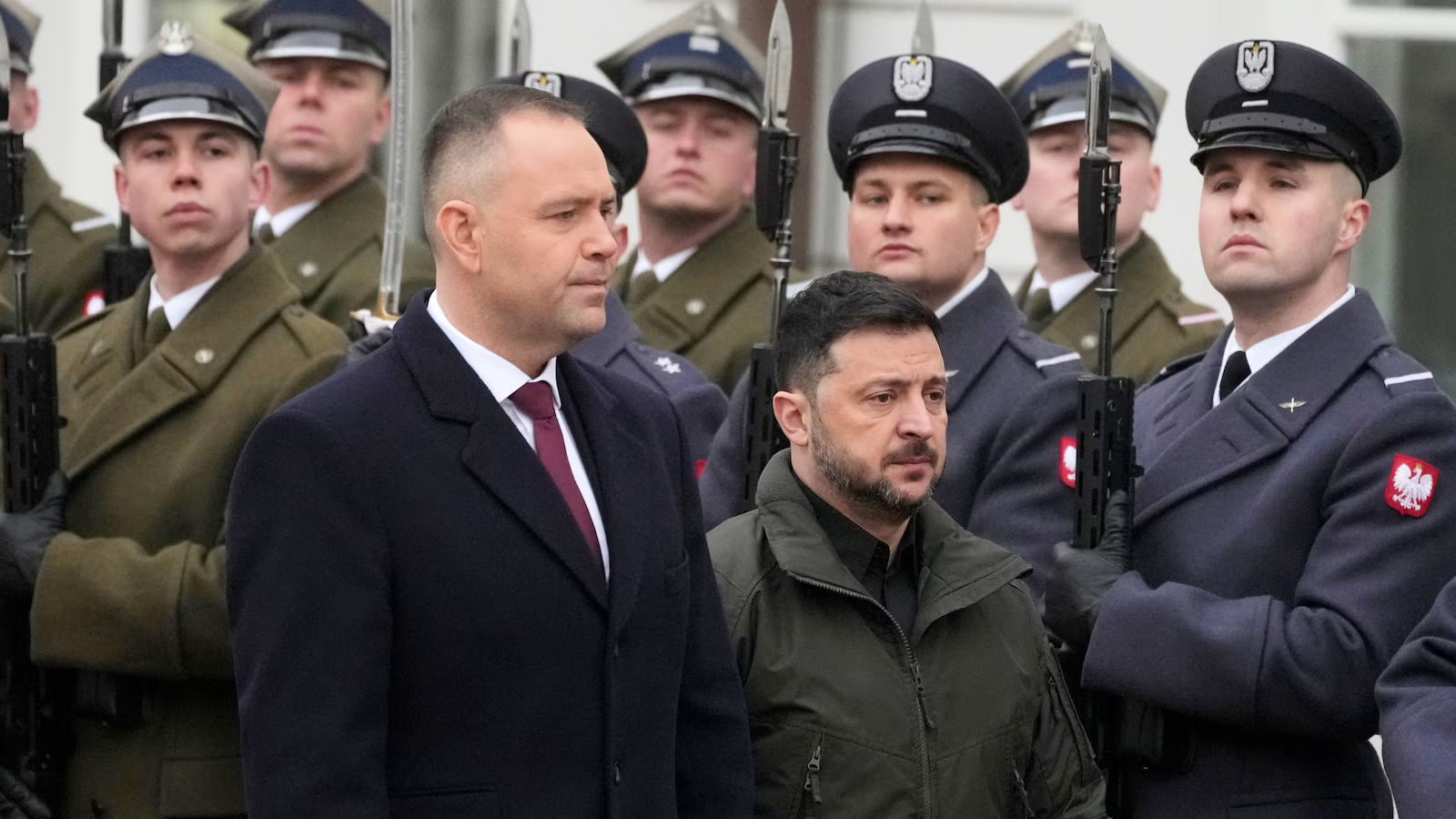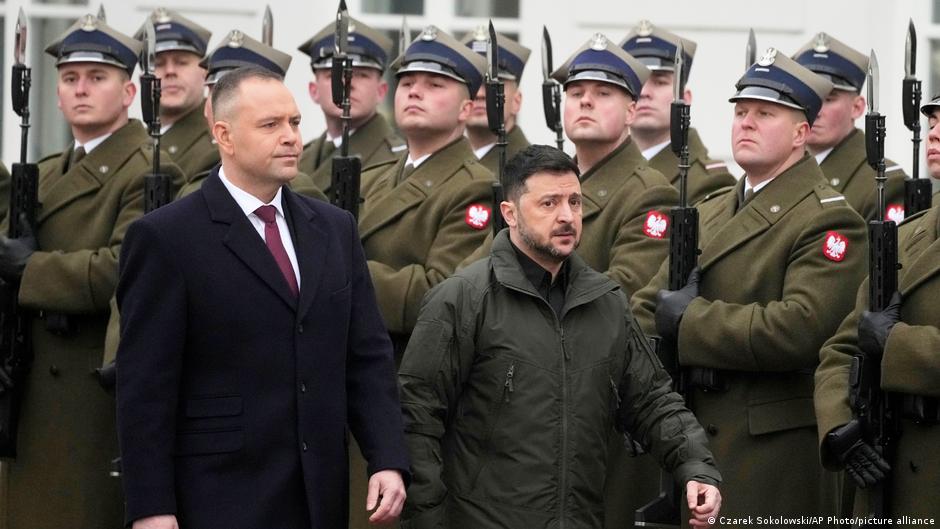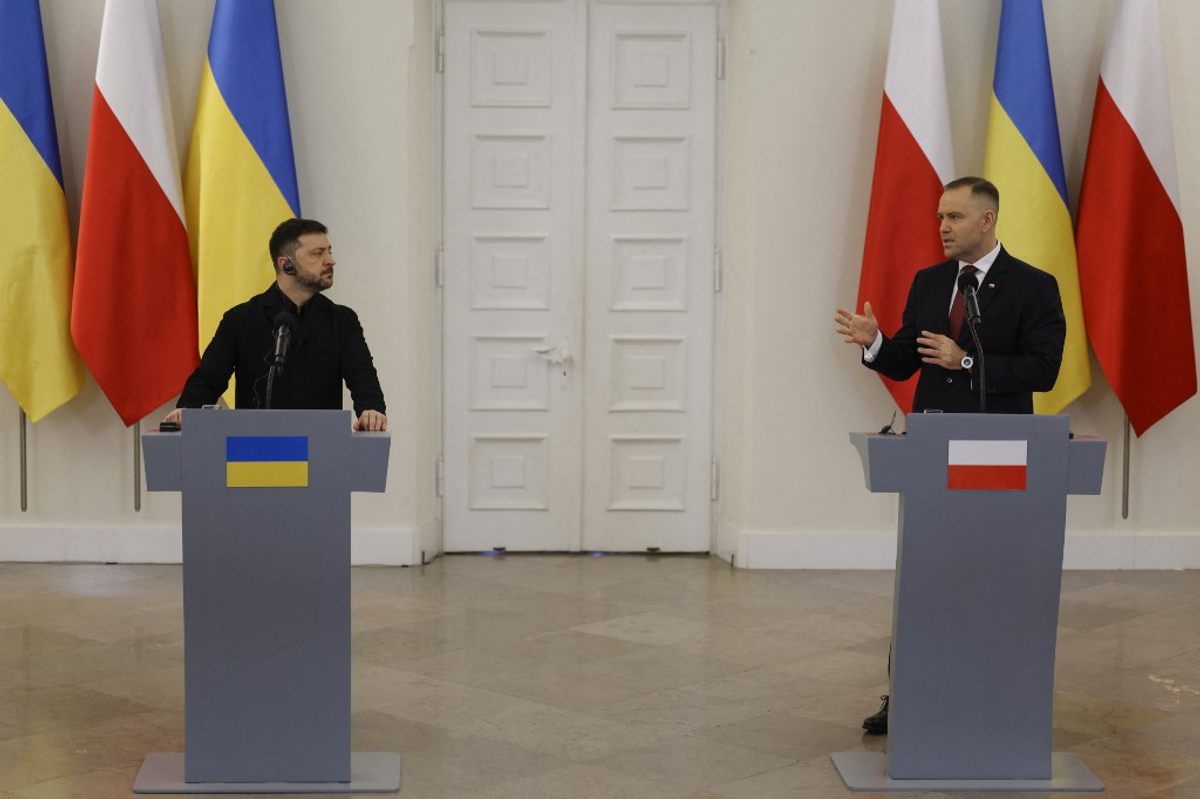
To put it plainly, Polish President Karol Nawrocki’s decision to revoke his country’s highest honor from Ukrainian President Volodymyr Zelensky is a propaganda victory for the Kremlin, a diplomatic liability for Poland, and a small-minded act of political symbolism that has no place amid the defining geopolitical crisis of our time. More importantly, it reveals a troubling parochialism at a moment when Poland, its allies, and the wider world require something greater.JOIN US ON TELEGRAMFollow our coverage of the war on the @Kyivpost_official. The American precedent Most Americans are unfamiliar with the complex historical tensions between Poland and Ukraine, including longstanding disputes over the conduct of certain military formations during and after the Second World War. They are, however, deeply familiar with the need for reconciliation and unity in the face of common threats, even among nations and militaries whose predecessors once engaged in conduct that would today be condemned under modern laws of war. In less than a month, America will celebrate the 250th anniversary of the Declaration of Independence, a document that directly accuses the British Crown and its armies of committing grave offenses against the American people. The final grievance of the Declaration, near the end of its list of accusations against King George III, reads as follows: “He has excited domestic insurrections amongst us, and has endeavoured to bring on the inhabitants of our frontiers, the merciless Indian Savages, whose known rule of warfare, is an undistinguished destruction of all ages, sexes and conditions.”
An American Perspective on the Ukrainian-Polish Affair
Mature nations remember history without becoming imprisoned by it.
1,039 words~5 min read