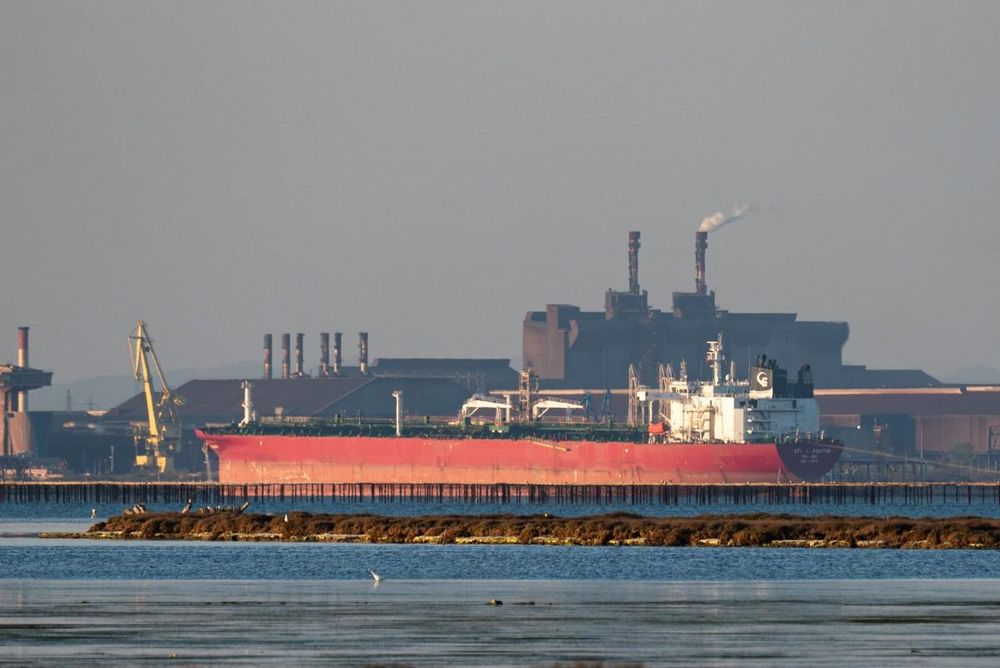
Consumer confidence in South Africa plunged to its lowest in more than a year in the second quarter of 2026 under the weight of higher fuel prices, which have raised the cost of living.The First National Bank (FNB) and Bureau for Economic Research (BER) consumer confidence index plunged to -19 from -7, reaching a depth last seen in early 2025 when finance minister Enoch Godongwana first attempted to table a budget that proposed hiking VAT by two percentage points. Godongwana eventually abandoned those plans following fierce political resistance led by the DA.“This time around, it is the fallout from the Iran war and the closure of the Strait of Hormuz that has driven consumer sentiment sharply lower — including soaring fuel prices, travel disruptions and lower stock prices on the JSE,” FNB and the BER said.Most of the survey fieldwork had been completed by the time the South African Reserve Bank (SARB) announced a 25-basis-points increase to 7% in its main policy rate to try to rein in rising inflation, suggesting that tighter monetary policy may well dent consumer confidence further in the coming months.All three sub-indices declined during the second quarter, with the economic outlook sub-index diving to -32 points from -14, while the household finances index slumped to zero from 12. The sub-index measuring the appropriateness of the present time to buy durable goods such as vehicles, furniture, household appliances and electronic goods retreated further to -24 points from -21 during the first quarter.“With higher fuel prices adding an estimated R45bn in costs to South Africa’s economy during the second quarter — significantly straining corporate and consumer budgets — it is not surprising that consumers have soured on the outlook for the national economy and their own household finances,” FNB and the BER said.DeteriorationThe report showed that sentiment worsened the most among high-income consumers earning more than R20,000 per month, with the 53% now expecting a deterioration in the country’s economic performance over the next 12 months compared to 13% in the previous survey.“With a large portion of high-income households making use of privately owned vehicles for transport, the household budgets of affluent consumers have been hard hit by the massive petrol and diesel price increases during the second quarter,” FNB chief economist Mamello Matikinca-Ngwenya said.The consumer confidence index combines the results of three questions posed to adults in South Africa, namely the expected performance of the economy, the expected financial position of households and the rating of the appropriateness of the present time to buy durable goods.A low level of confidence indicates that consumers are concerned about the future, including job security, pay raises and bonuses, which means they tend to limit spending to basic necessities such as food to free up the income for debt repayment.When confidence is high, consumers tend to incur debt or reduce savings, increasing their spending on discretionary items such as furniture, household equipment, motor vehicles, clothing and footwear.
Consumer confidence plunges to worst level since VAT crisis, and fuel is to blame
Fuel price surge and Iran war fallout squeeze household budgets
487 words~2 min read