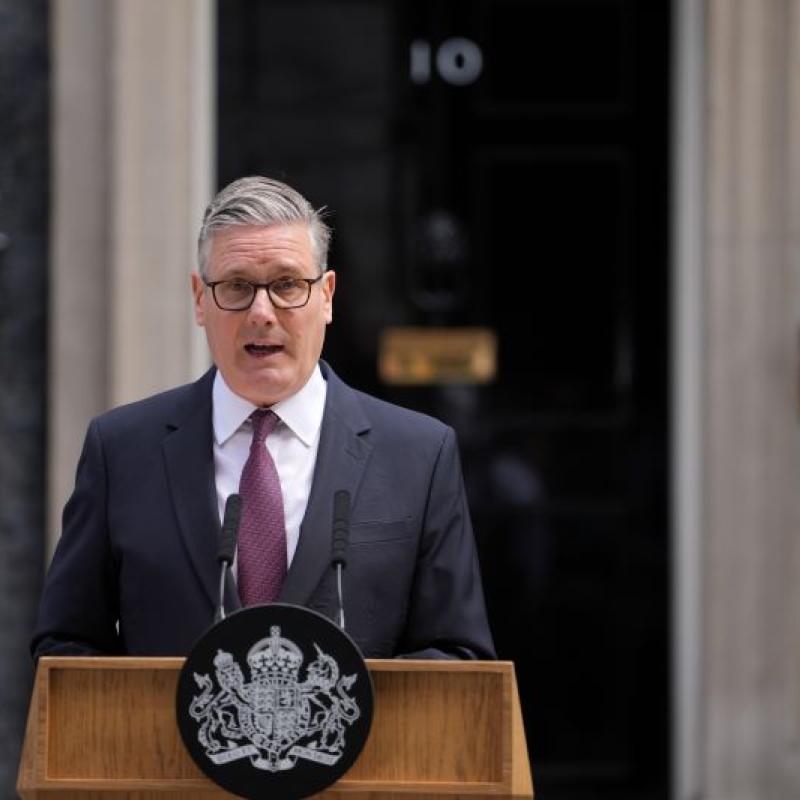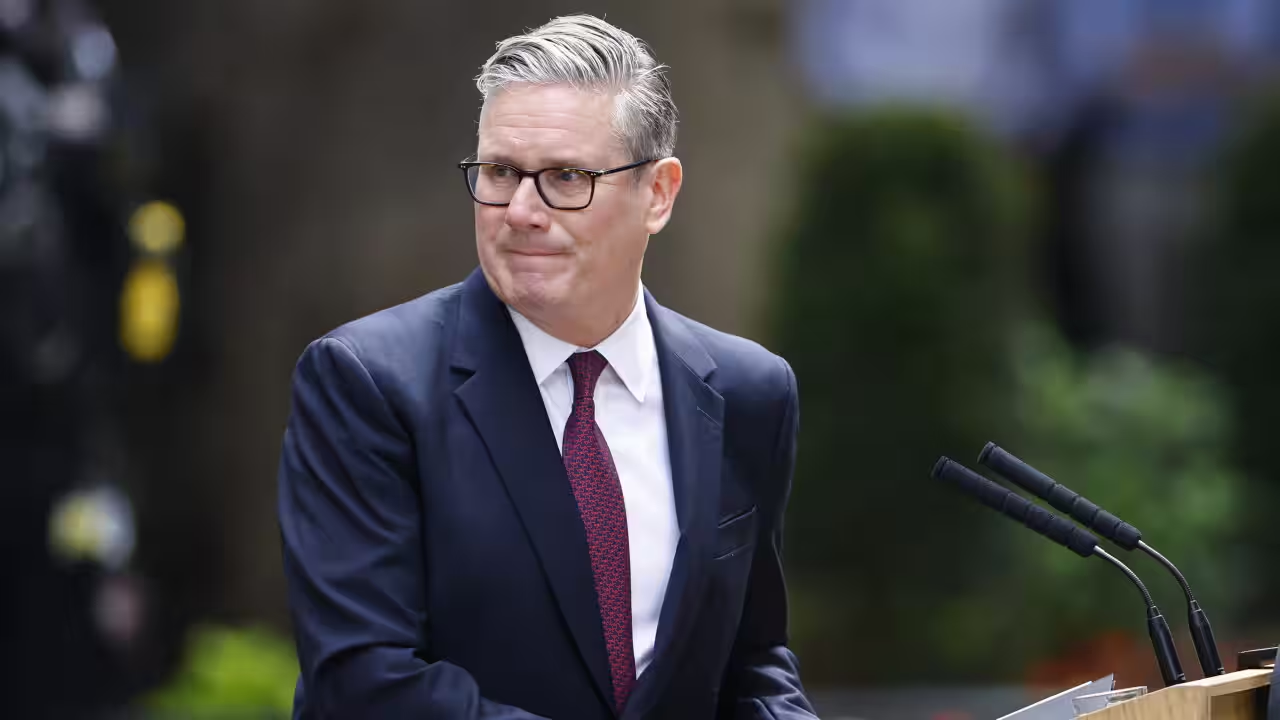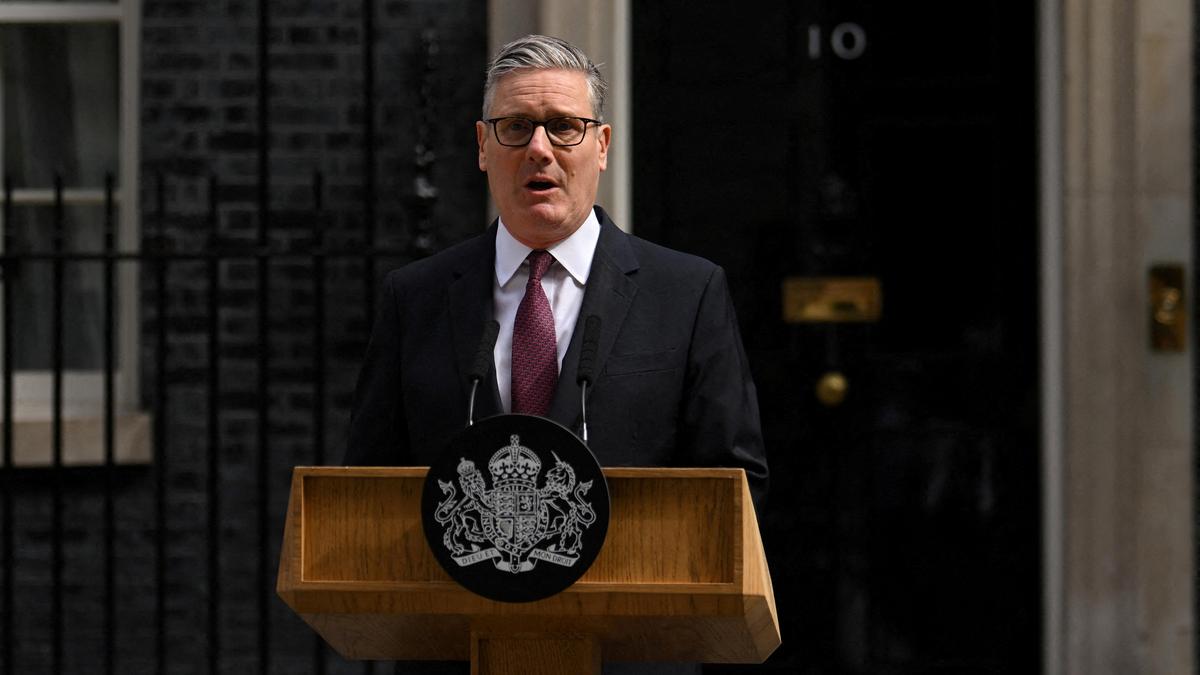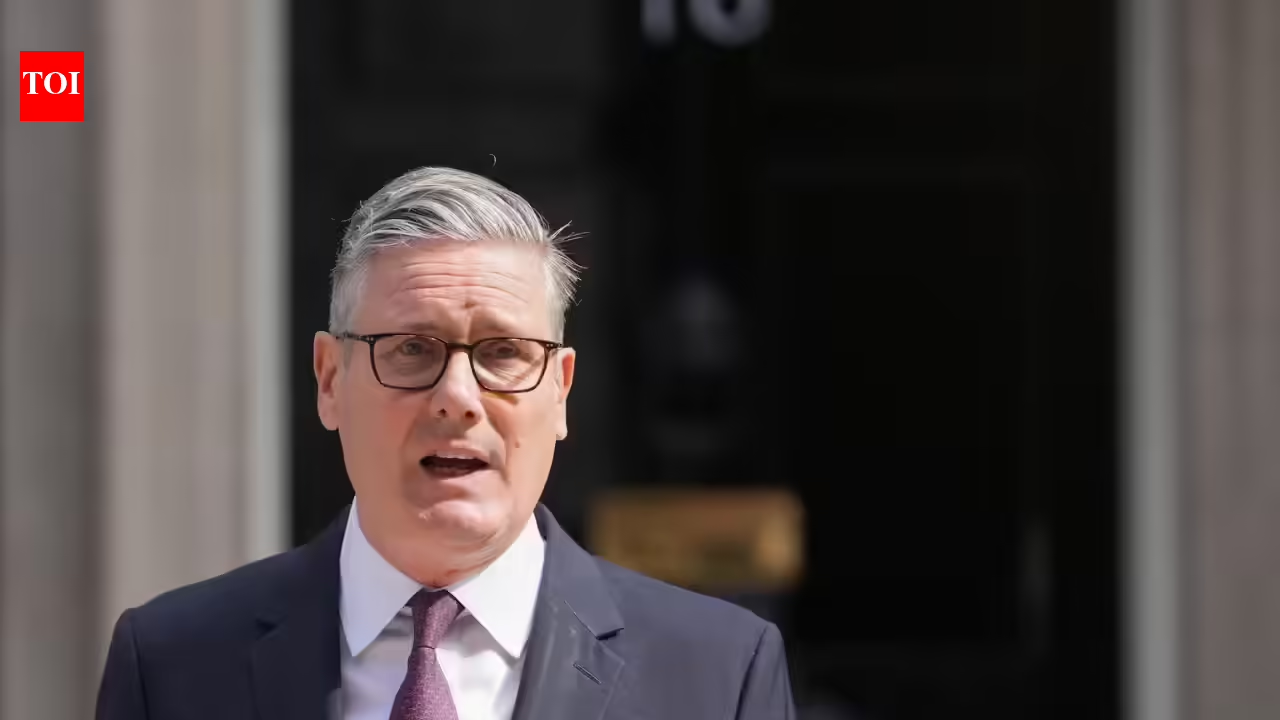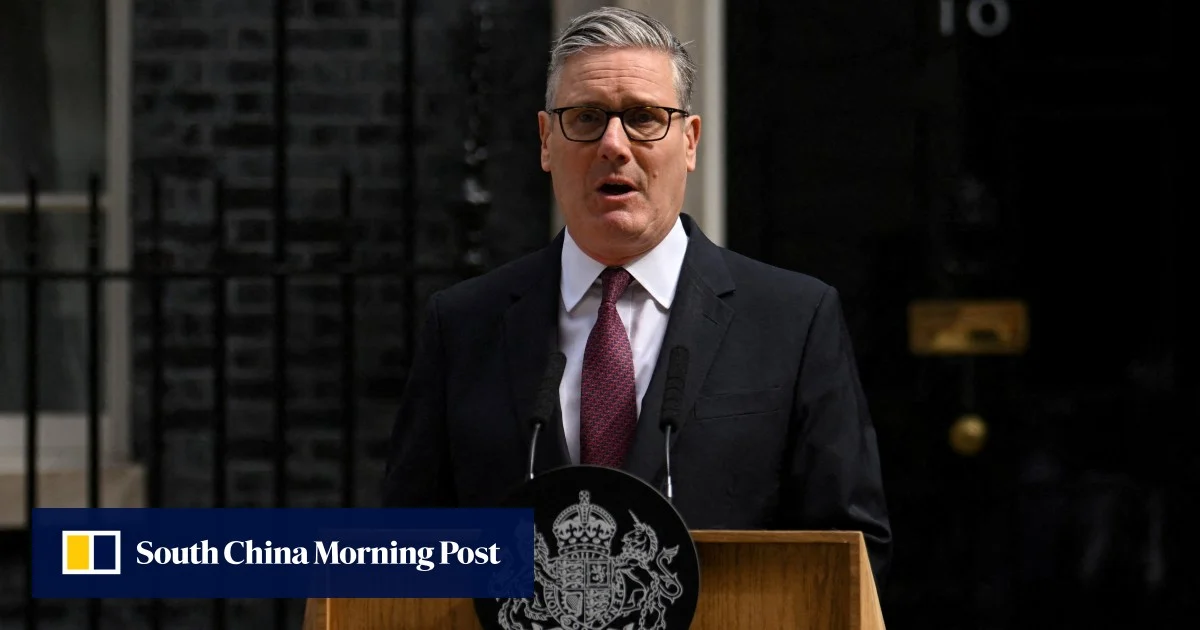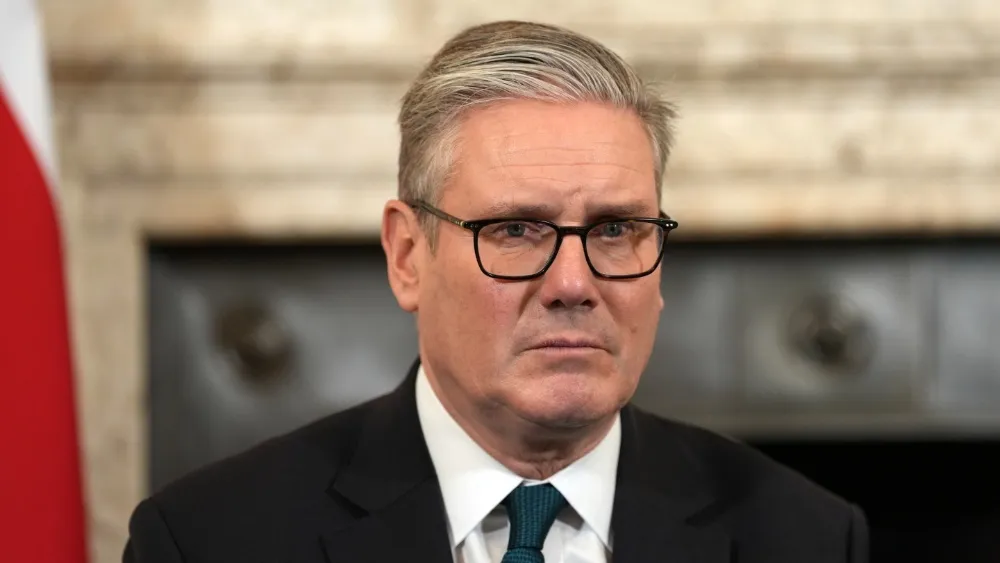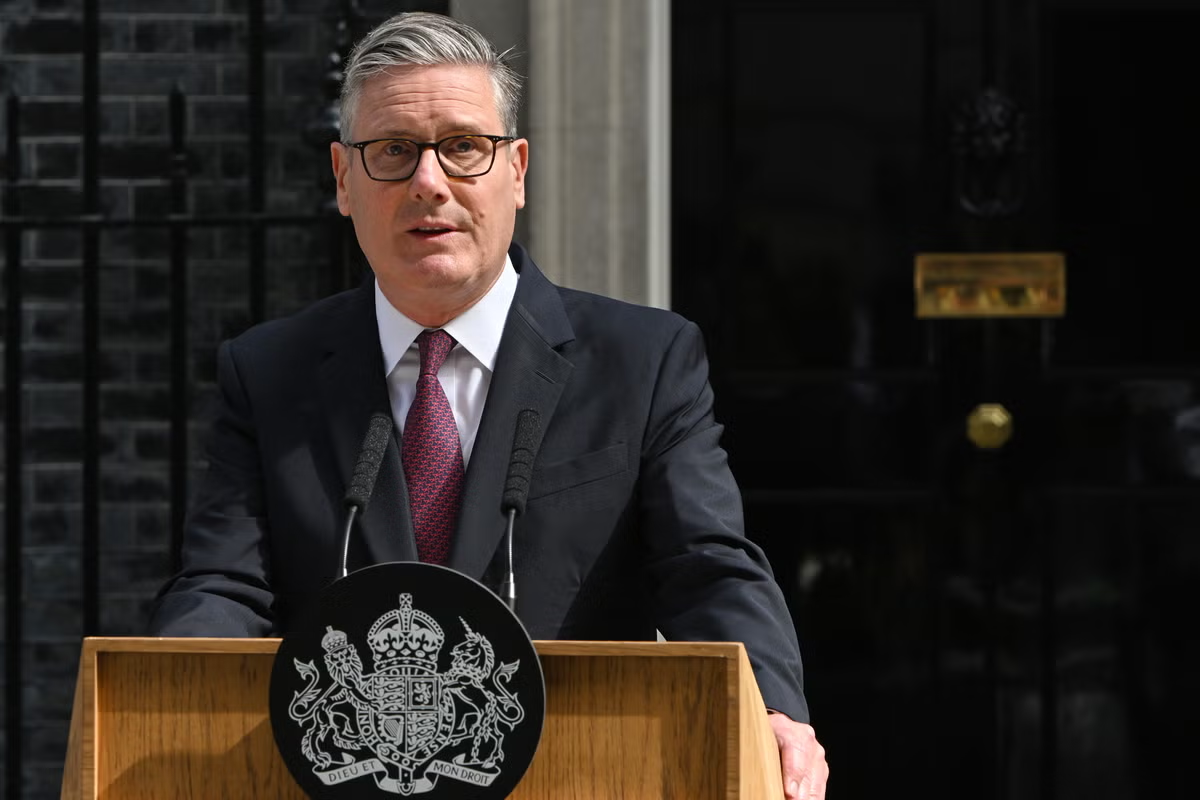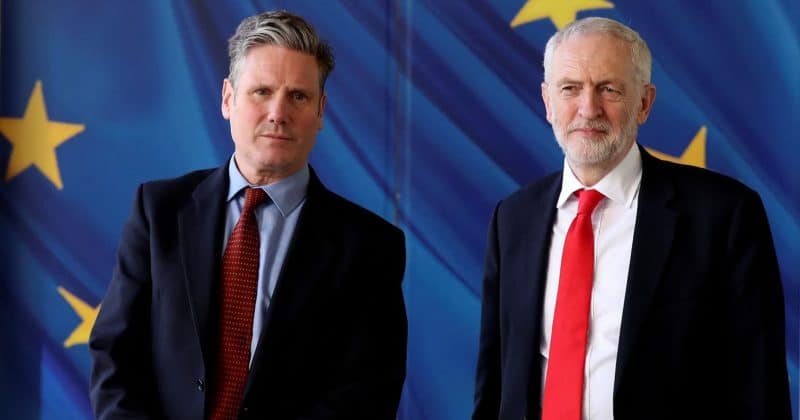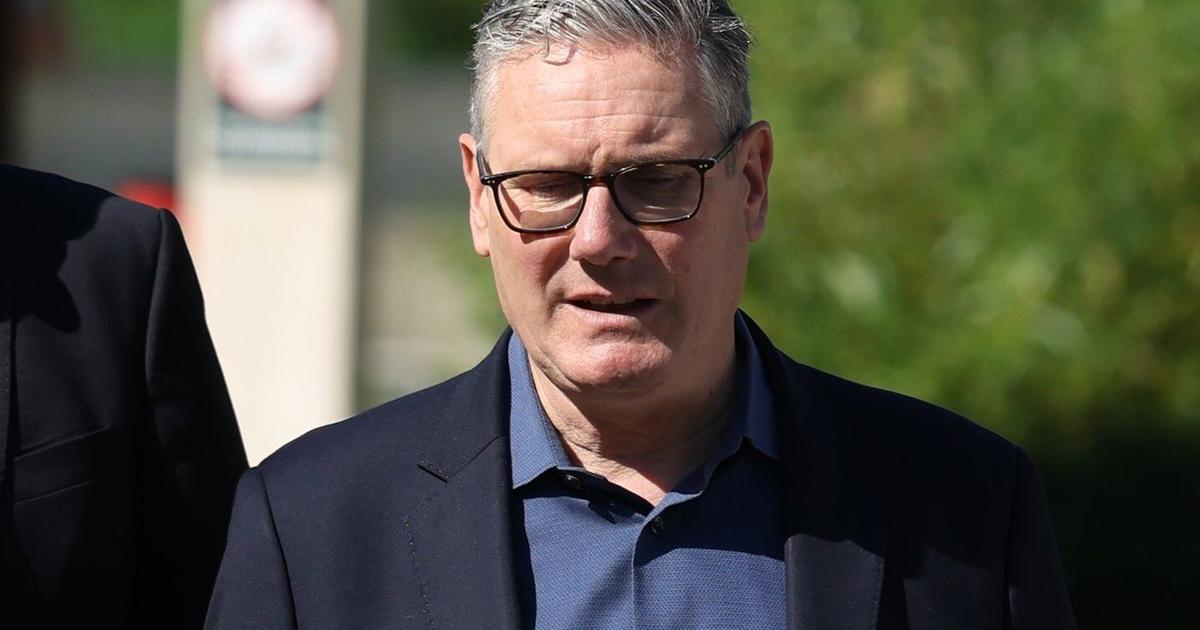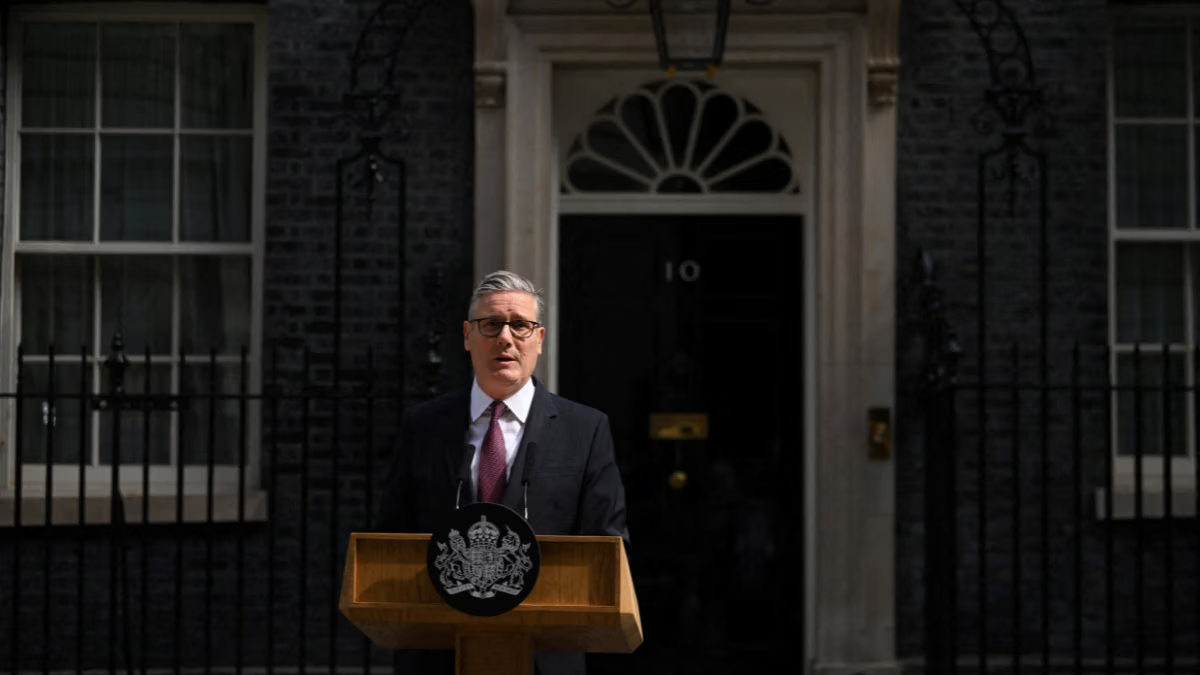
New Delhi: Two years after leading the Labour Party to one of the most decisive election victories in modern British history, Keir Starmer stepped down as UK Prime Minister Monday.
Incidentally, his resignation comes a day after US President Donald Trump announced that Starmer would resign.In his resignation speech, Starmer said he accepts “with good grace” that he is not the best person to lead Labour into the next election.
The prospect of Starmer’s departure, even with a parliamentary majority of 174 seats, was in discussion after 56-year-old Andy Burnham, mayor of Greater Manchester and a senior Labour leader, secured a commanding victory in last week’s Makerfield by-election.Burnham secured a seat in Parliament, and launched a formal leadership bid. More than 100 Labour MPs, which is roughly a quarter of the party’s representation in the House of Commons, had already publicly asked Starmer to step down or announce a timetable for his departure.Since the poll results Thursday, senior ministers, including Foreign Secretary Yvette Cooper, Home Secretary Shabana Mahmood and Transport Secretary Heidi Alexander, had privately advised the prime minister to begin planning his departure, according to media reports.Starmer’s standing has deteriorated sharply in the past few months. Labour lawmakers have expressed frustration over a series of controversial decisions, including the government’s handling of welfare reforms and its appointment of Peter Mandelson as ambassador to Washington, a choice that reignited scrutiny of Mandelson’s links with Jeffrey Epstein.According to YouGov, only 19 percent of Brits held a favourable view of Starmer, placing him well behind several other senior Labour figures, The Guardian reported. Yet it was Burnham’s emphatic by-election victory that transformed dissatisfaction into a leadership crisis.Winning more than half the vote and extending Labour’s majority in the northwest England constituency by more than 9,000 votes, Burnham immediately emerged as the party’s most formidable alternative.In his victory speech, he warned Labour that it faced a “final chance to change”, remarks widely interpreted as a direct challenge to Starmer.According to reports, the Greater Manchester mayor has built a reputation for confronting Reform UK and its leader, Nigel Farage, in areas where Labour has struggled to retain working-class support. As Reform UK continues to lead national polling, many Labour MPs increasingly view Burnham as the party’s strongest electoral asset.Since 2016, UK has seen six prime ministers, from David Cameron and Theresa May to Boris Johnson, Liz Truss, Rishi Sunak and now Starmer.