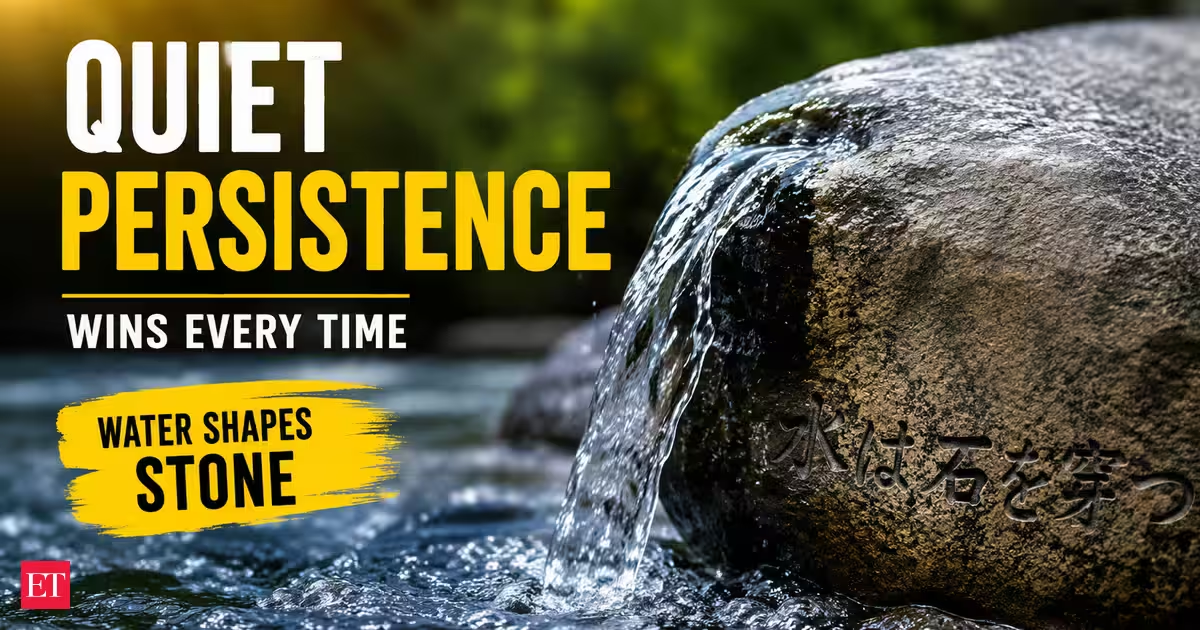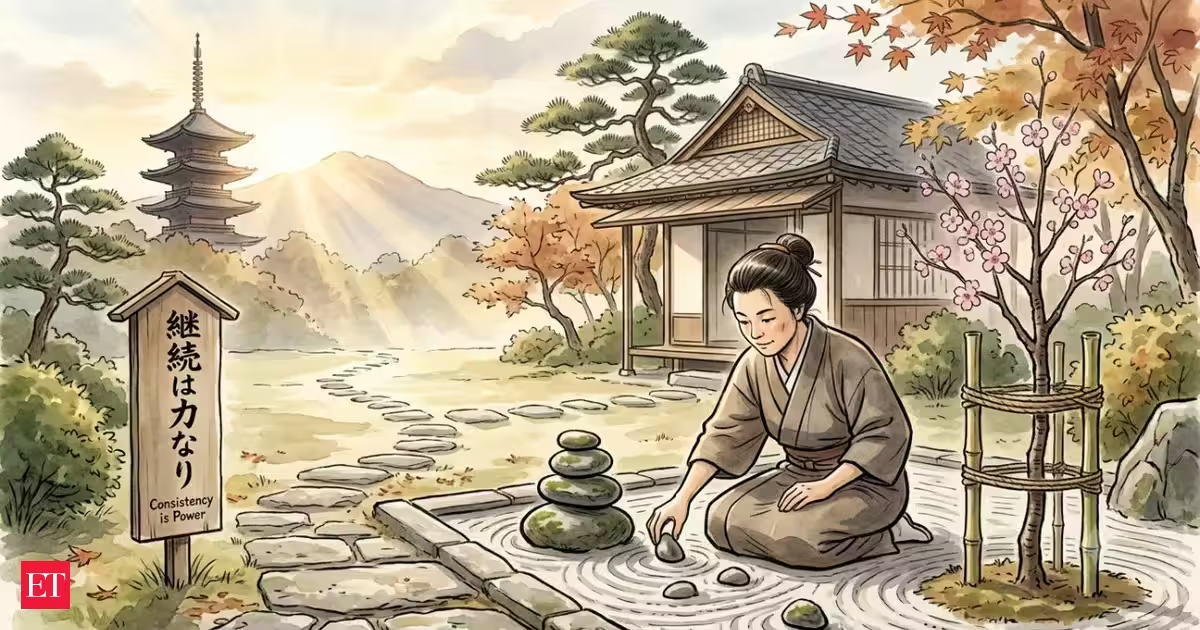
Japanese Proverb of the Day: Imagine sitting through a tough project at work or struggling to master a new skill. The frustration builds, and you wonder if it’s worth continuing. How long should you keep pushing before results appear? A Japanese saying hints at the answer and offers timeless wisdom.What this proverb means The phrase “Three years on a stone” (Ishi no ue ni mo san nen) literally suggests that even sitting on a cold stone will make it warm after three years. It’s a vivid image of patience and endurance. The deeper message is clear: perseverance transforms difficult situations. With time and persistence, even the hardest challenges soften. This translation is widely cited in Japanese language and culture guides.Significance of the proverb in real life In everyday life, the proverb reminds us that progress often comes slowly. Whether it’s building a career, nurturing relationships, or learning a new craft, consistent effort pays off. At work, it encourages sticking with long-term goals despite setbacks. In personal life, it highlights the value of patience when facing obstacles.Literally, the saying suggests that if you sit on a cold stone for three years, it will eventually feel warm. The “three years” is symbolic, not literal. it represents a meaningful period of persistence and effort. In Japanese culture, three years was often considered the minimum time needed to master the basics of a skill or craft, making the proverb a reminder that progress requires steady commitment.The deeper message is that perseverance transforms difficulty. Even when results seem slow or invisible, consistent effort eventually brings change. This reflects Japan’s cultural value of gaman (endurance) and konki (tenacity), virtues deeply respected in everyday life. The takeaway is simple: perseverance is power. Just as a stone warms with time, persistence brings change. Stay the course, and results will follow.ALSO READ: Amish proverb of the day: ‘A man is rich in proportion to the things that he can afford to leave alone’ - a lesson on contentment and self-control
Best Japanese Proverb Of The Day: ‘Three years on a stone’ — popular saying explains how perseverance is power that can lead to success
A Japanese proverb offers profound wisdom on perseverance. It illustrates that consistent effort, even over a prolonged period, can transform difficult situations and yield results. This timeless saying emphasizes the power of patience and tenacity and encourages individuals to remain committed to their goals, whether in career or personal development.
331 words~2 min read