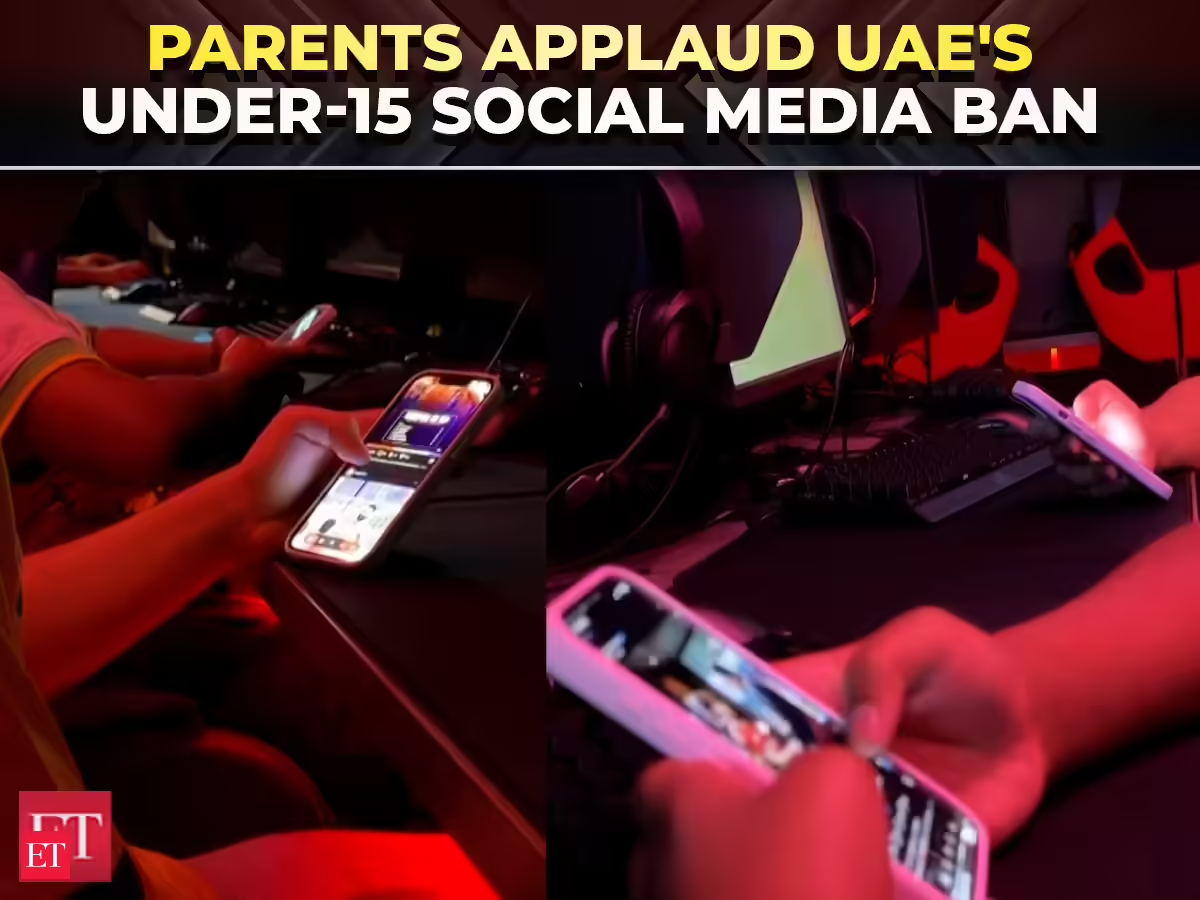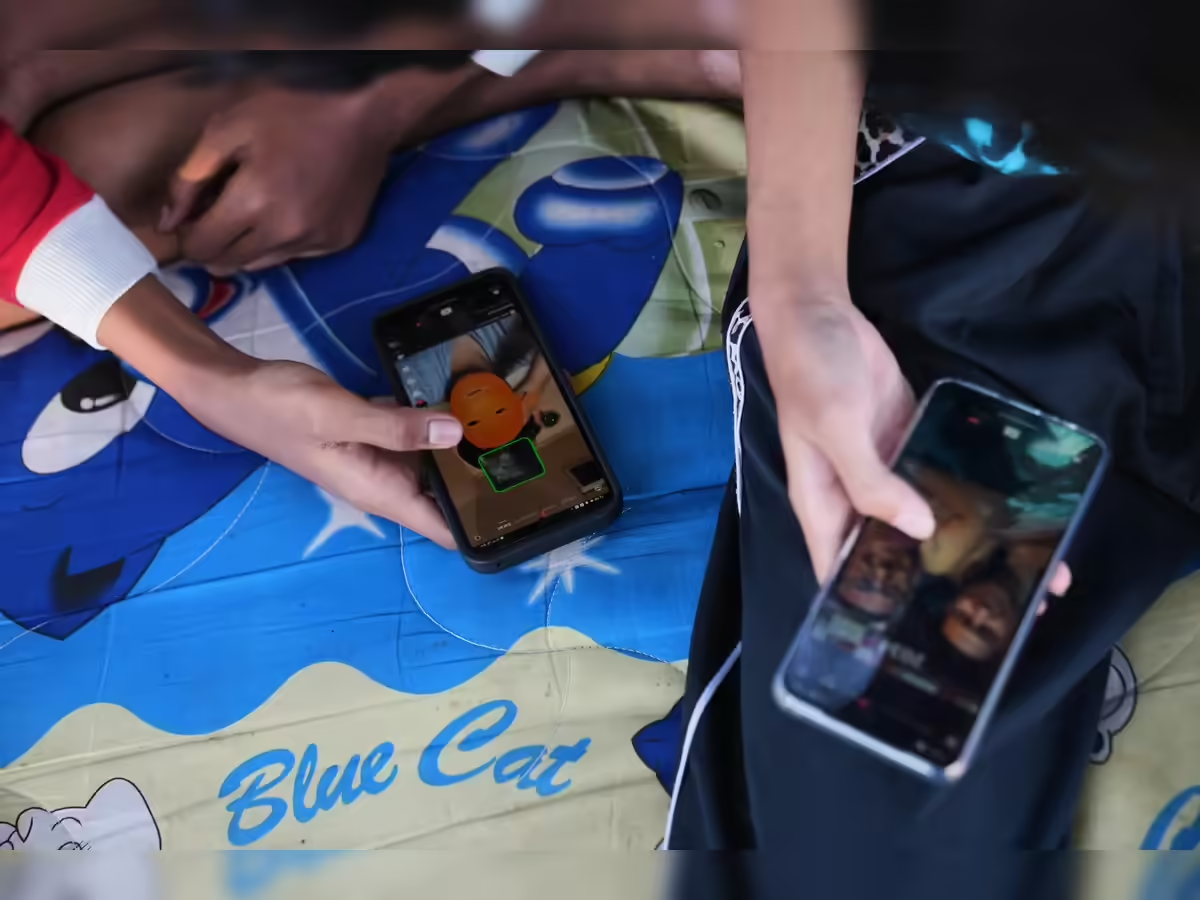
DUBAI: The UAE’s decision to restrict social media access for children under 15 has generated significant discussion among parents, educators and mental health professionals. While much of the public conversation has focused on technology, regulation and enforcement, many families are reflecting on something far more immediate: what this change will mean inside their own homes.
Among the parents I speak to, there is often more agreement than disagreement about the intention behind the policy. Many welcome efforts to protect children and adolescents during a period of life when emotional, social and cognitive development are still actively taking shape. There is growing recognition that social media exposes young people to experiences that previous generations encountered on a much smaller scale and at a much slower pace.
The challenges themselves are not new. Children have always compared themselves to others. Teenagers have always worried about fitting in, being liked, being attractive enough or being invited to social events. Friendship difficulties, rejection, insecurity and the desire to belong are all normal parts of development.
What social media has changed is the intensity, permanence and reach of these experiences. A child who is not invited to a party may see photos and videos of the event appearing in real time and resurfacing repeatedly. A teenager questioning their appearance may compare themselves not only to classmates, but to carefully curated images shaped by filters, algorithms and unrealistic standards. Bullying, criticism and social conflict can follow young people beyond school grounds and into their bedrooms, remaining accessible long after the original event has ended.