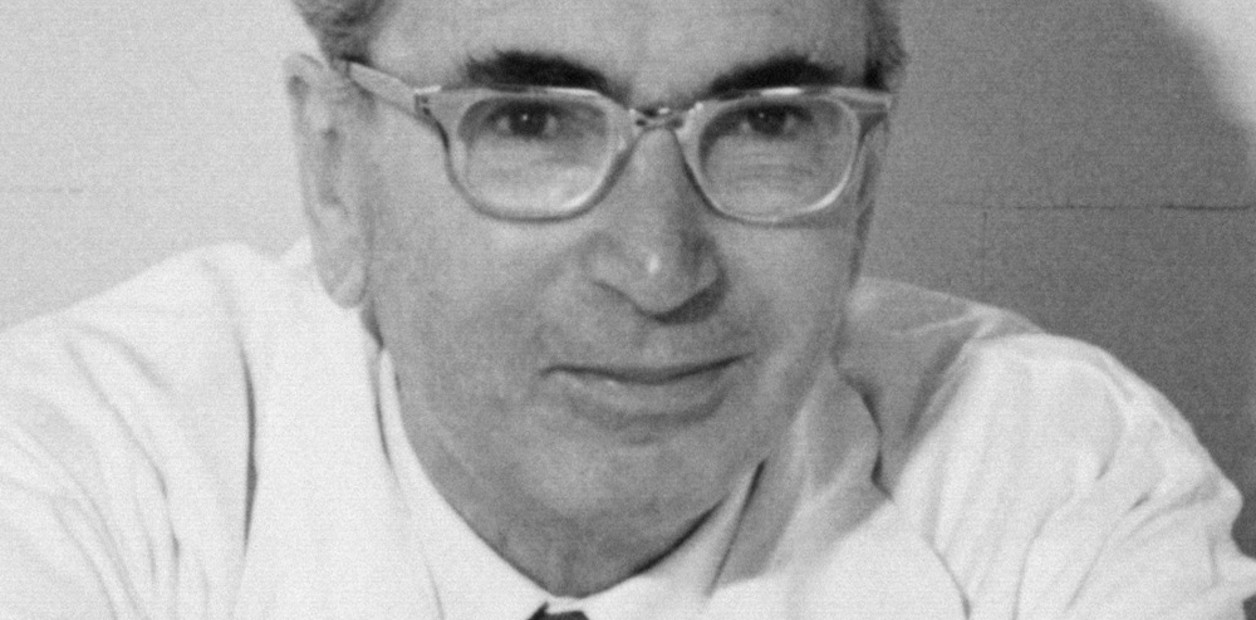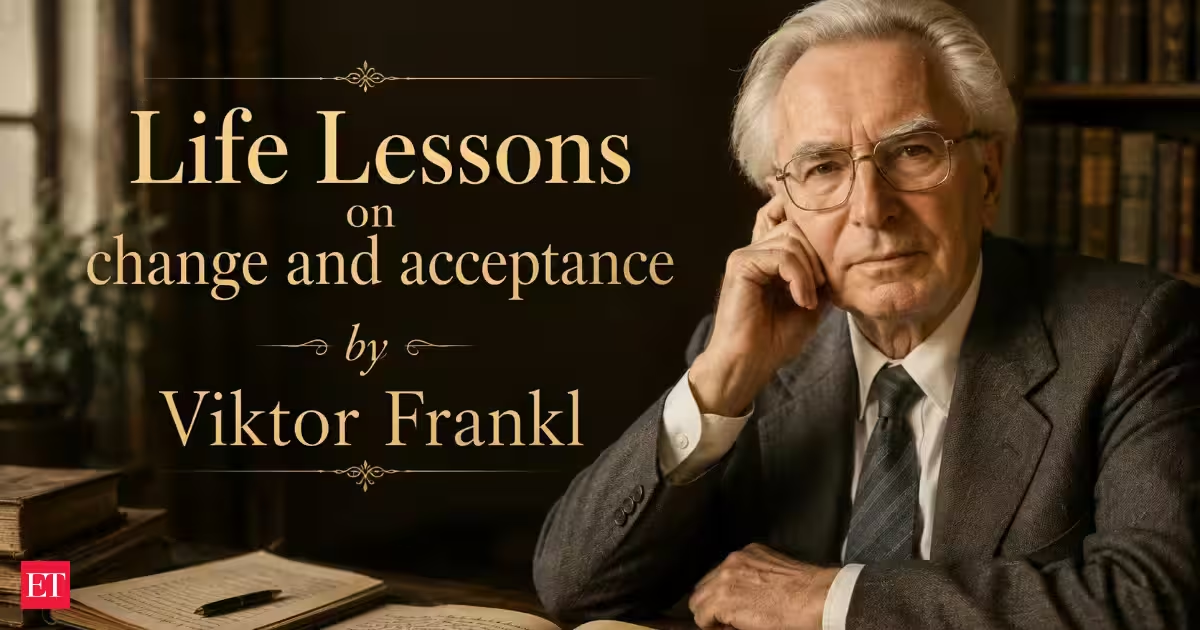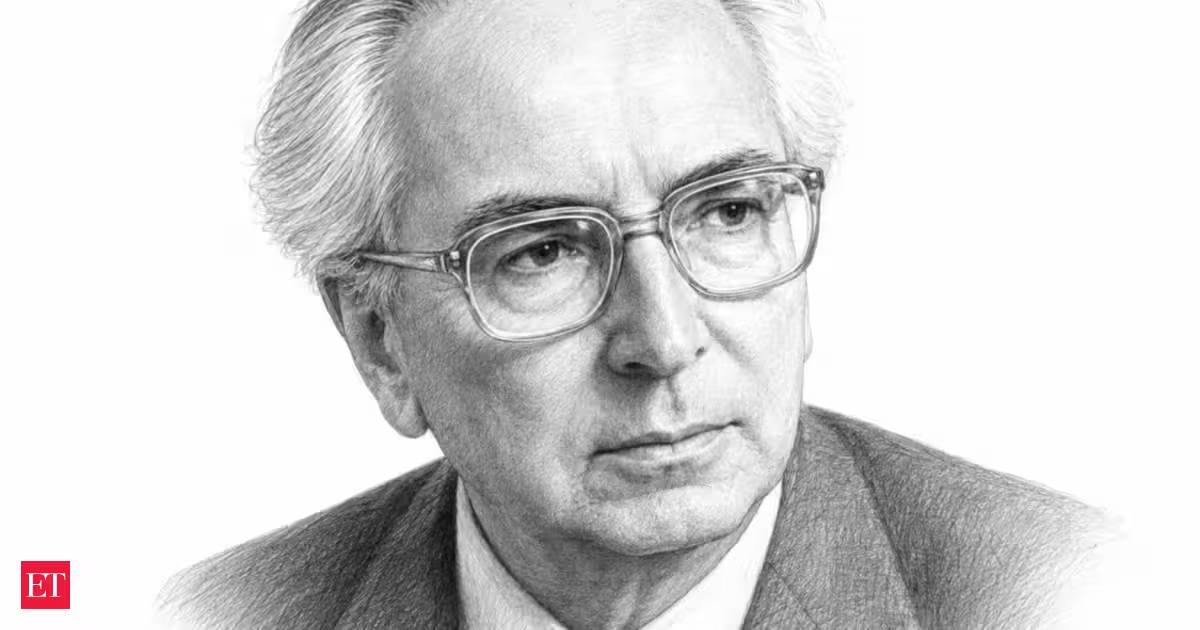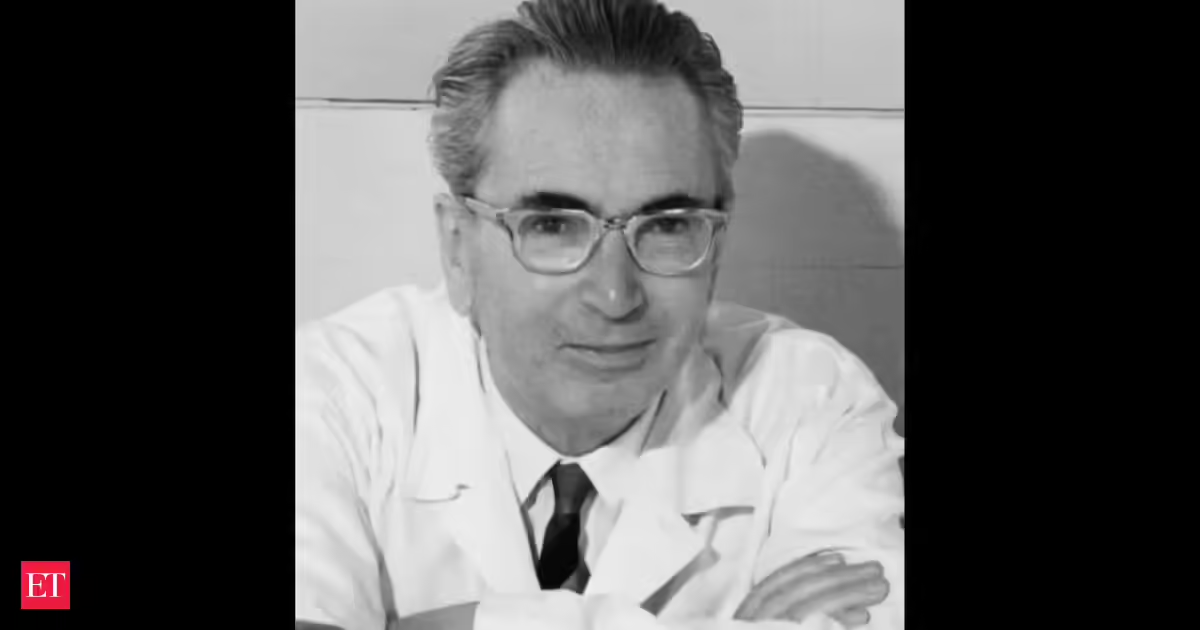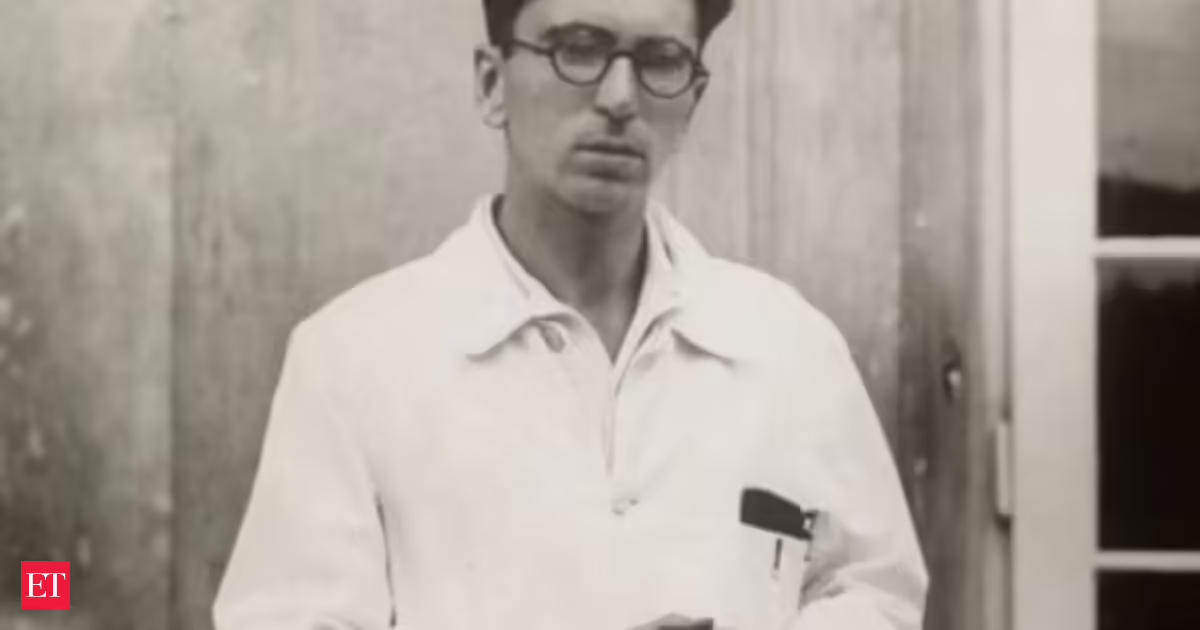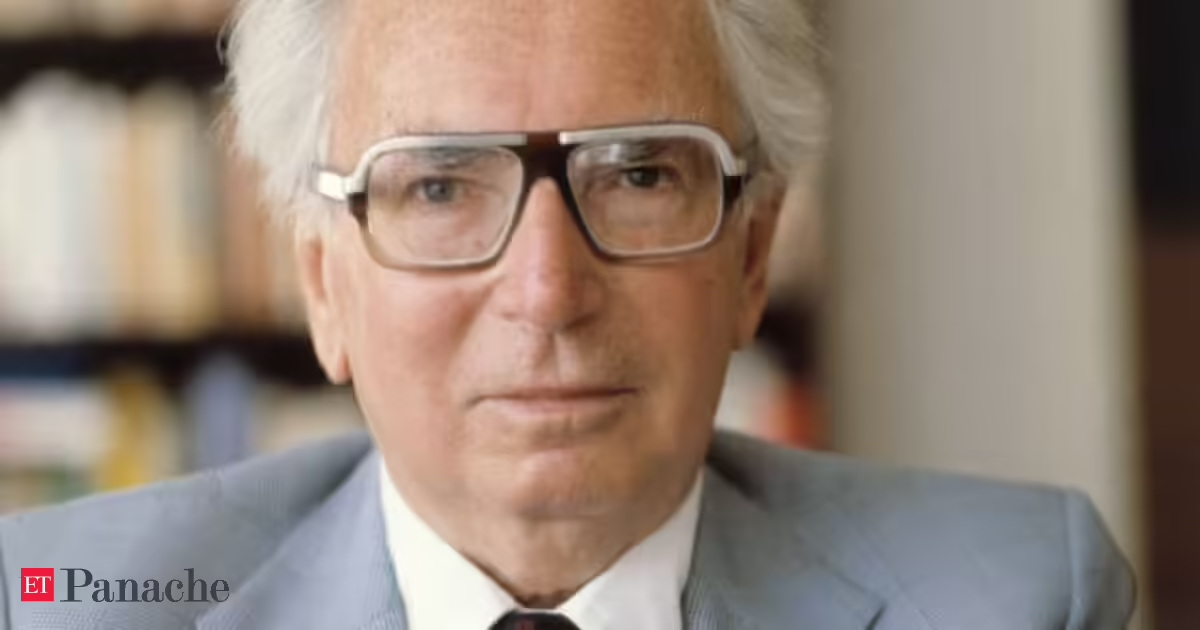
SynopsisEnduring Nazi concentration camps, Viktor Frankl discovered that even in extreme suffering, the mind's connection to loved ones offers profound solace. This realization, born from imagining his wife, Tilly, became central to logotherapy, his psychotherapeutic approach. Frankl's work emphasizes self-transcendence and finding meaning, arguing that true love transcends physical presence, offering comfort in our modern, often isolated world.Viktor Frankl penned these thoughts in his monumental 1946 memoir, Man's Search for Meaning. (Image - Getty Images)Have you ever felt a connection to someone that seemed to defy distance, time, and even reality itself? In a world obsessed with physical proximity and digital touchpoints, we often measure the strength of our relationships by what we can see and touch. However, the truest form of human affection operates on a completely different plane—one that remains entirely unbroken even when the object of our affection is miles away or gone from this world. It is an anchoring force that resides deep within the soul, proving that genuine bonds are indestructible. Today's quote of the day by acclaimed psychologist Viktor Frankl echoes a similar sentiment, reminding us that true affection is anchored far beyond the physical realm.Viktor Frankl quote: Context This profound insight was forged in one of the darkest chapters of human history. Viktor Frankl penned these thoughts in his monumental 1946 memoir, Man's Search for Meaning. The context was both brutal and beautiful: while enduring the horrors of Nazi concentration camps, stripped of his clothes, his identity, and his freedom, Frankl found himself working in a frozen trench alongside fellow prisoners. As the icy wind battered his frail body, his mind clung desperately to the image of his wife, Tilly, who had been separated from him. In that moment of intense suffering, he realised that his deep internal dialogue with her was entirely real, comforting, and valid, regardless of whether she was alive or dead. This psychological breakthrough became a foundational pillar of logotherapy, the school of psychotherapy he founded based on the human drive to find purpose.Viktor Frankl quote: Deeper meaning and modern relevanceThe deeper meaning of Viktor Frankl’s observation lies in the concept of self-transcendence—the ability to rise above our immediate physical circumstances and connect with something greater. Frankl argues that true love is not merely an emotional reaction to a person's physical presence or superficial traits. Instead, it is an existential recognition of another person’s unique inner essence and spiritual core. Because this bond is rooted in the ‘inner self,’ it possesses a metaphysical permanence. It is a powerful declaration that love is an active, enduring state of being that completely transcends physical separation, tragedy, and even death itself.In our hyper-connected yet deeply isolated modern era, Viktor Frankl's words serve as a vital antidote to casual, transactional relationship culture. Today, digital connections often reduce human interaction to fleeting swipes, curated profiles, and superficial aesthetics. Frankl challenges us to look past the surface and seek meaningful, deep-seated emotional and psychological alignment with others. Furthermore, his insights offer profound comfort to a world coping with grief and long-distance separation. They reassure us that the love we hold for those who are physically absent or deceased remains entirely real, functional, and capable of providing immense therapeutic strength to our daily lives.More about Viktor Frankl Viktor Frankl, born in Vienna in 1905, was not just a psychiatrist and philosopher but also the founder of logotherapy. This school of thought centres around one powerful idea: human beings are driven primarily by a search for meaning. According to Frankl, meaning gives people direction during both ordinary life and extreme suffering. This belief came from his lived experiences. During the Holocaust, he and his family were sent to Nazi concentration camps and were later deported to the Theresienstadt camp in 1942. Viktor Frankl’s father died there, and in 1944, Frankl, his mother, and his wife were moved to Auschwitz, where his mother was murdered, and his wife died shortly afterwards. Frankl survived years of unimaginable brutality, starvation, despair, and loss while imprisoned, observing how prisoners who survived the horrors were those who found even the smallest sense of meaning or hope. These experiences later became the foundation of Viktor Frankl’s psychological philosophy. His theory of logotherapy later became known as the third school of Viennese psychotherapy after the approaches developed by Sigmund Freud and Alfred Adler. Over his lifetime, he wrote 39 books and became one of the most respected voices in existential psychology.Read More News on...morelessRead More News on...moreless
Psychologist Viktor Frankl explains the meaning of love: 'It goes very far beyond the physical person of the beloved. It finds its deepest meaning in...'
Enduring Nazi concentration camps, Viktor Frankl discovered that even in extreme suffering, the mind's connection to loved ones offers profound solace. This realization, born from imagining his wife, Tilly, became central to logotherapy, his psychotherapeutic approach. Frankl's work emphasizes self-transcendence and finding meaning, arguing that true love transcends physical presence, offering comfort in our modern, often isolated world.
743 words~3 min read