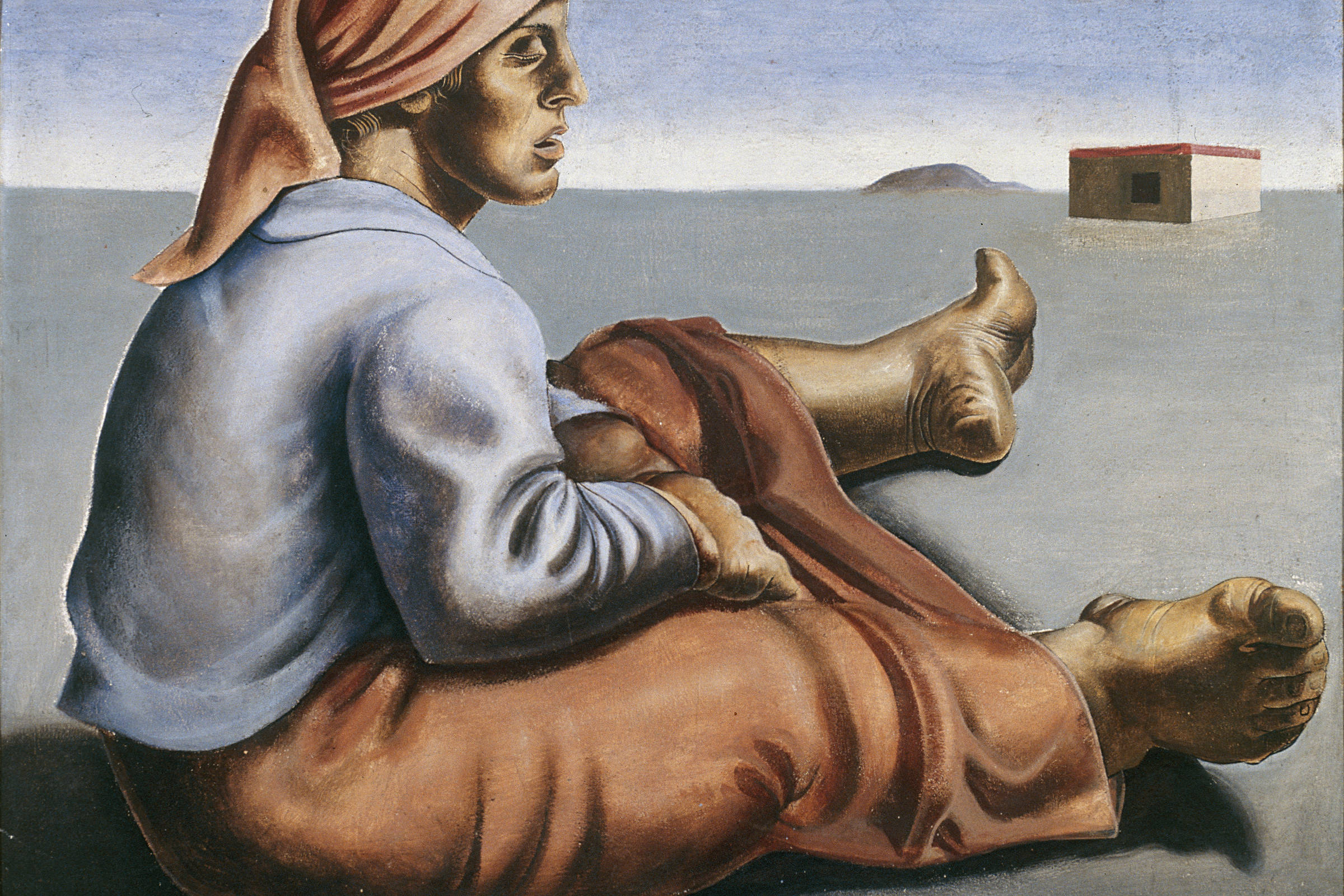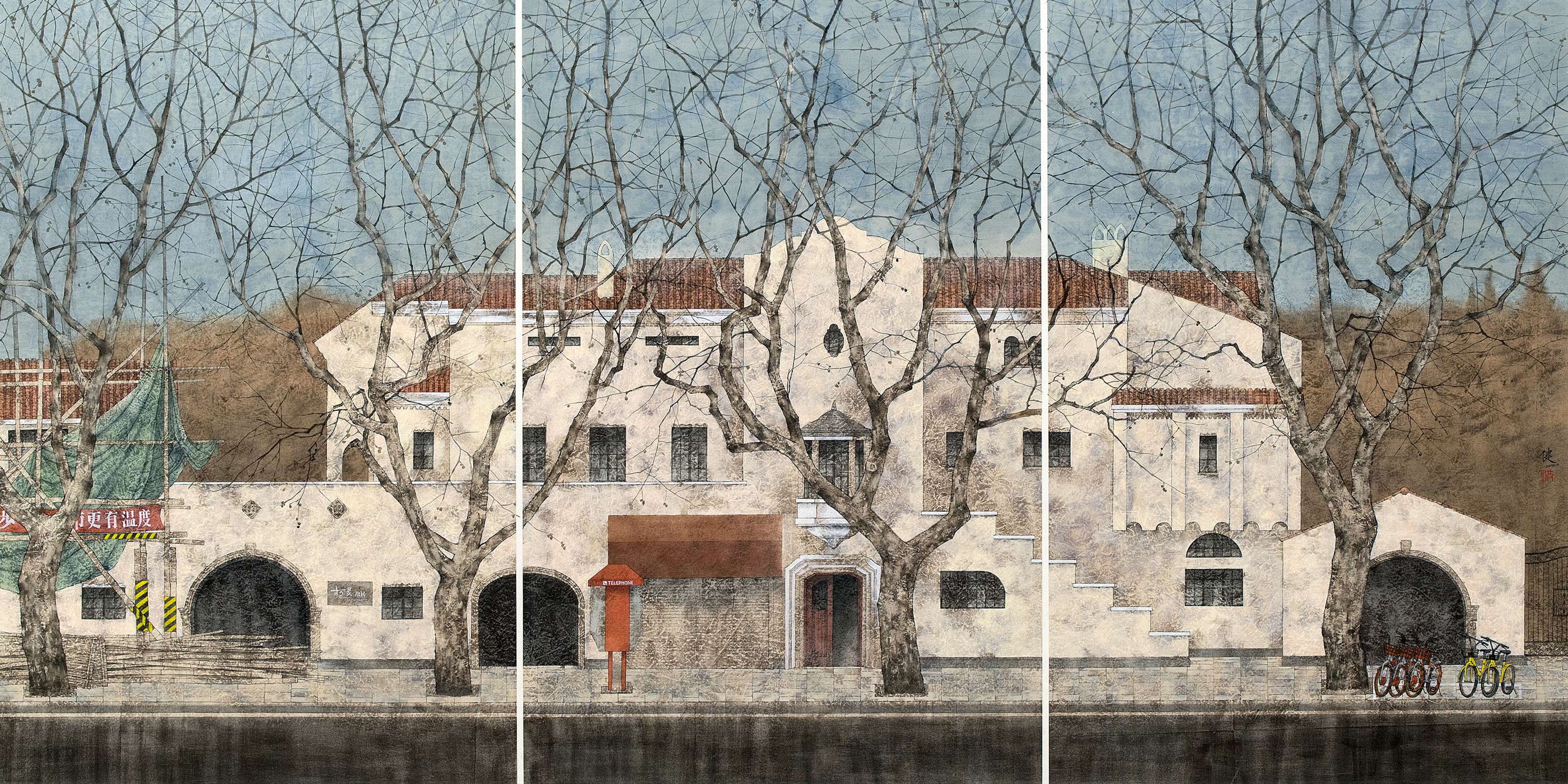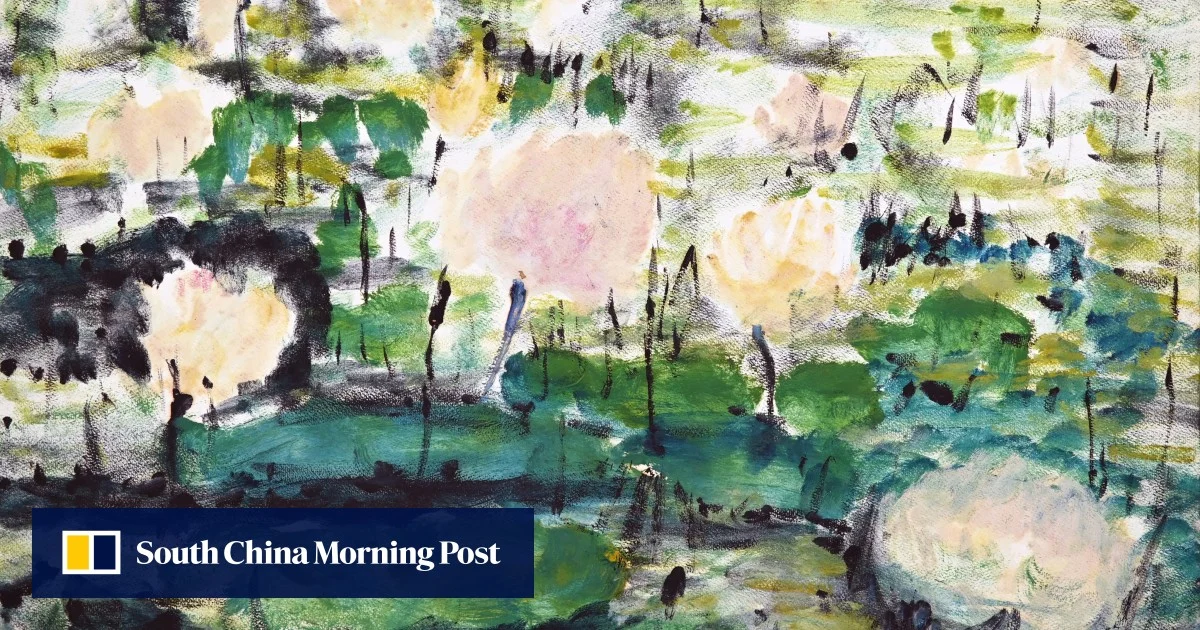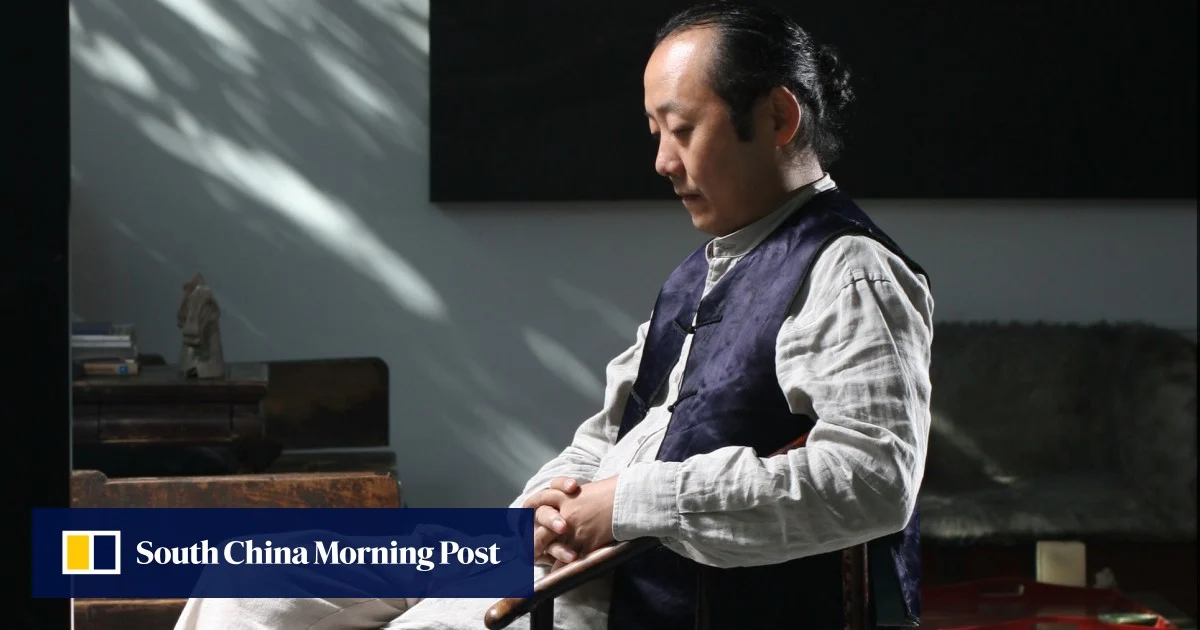
Beijing-based artist Shao Fan’s first memories of Chinese aesthetics are linked to his grandmother’s stories – and her wardrobe.It was a sensory oasis in a bleak landscape. At the time, China was drained of colour, swept by the Cultural Revolution’s campaign against the “Four Olds” that sought to eradicate all traces of tradition. His grandmother would open drawers and unfold clothes, lay out accessories and let the past breathe for a moment in secret.Decades on, Shao has become one of the most celebrated contemporary Chinese ink artists, moving fluidly between sculpture, furniture-making and interior design. He has even designed Beijing siheyuan courtyard houses and gardens.Until late June, he presents simultaneous shows at two prestigious galleries: Mirrored Gardens at Vitamin Creative Space in Guangzhou, in China’s Guangdong province, and “Refrain” at White Cube Mason’s Yard in London.Shao’s Guangzhou exhibition, “The Nature of Things”, is a concise survey of two of his best-known bodies of work: his ink paintings on rice paper and his sculptural furniture pieces.An exhibition view of Shao’s “The Nature of Things” exhibition at Mirrored Gardens in Guangzhou, which shows his ink paintings on rice paper and furniture sculptures. Photo: courtesy of Shao Fan and Vitamin Creative SpaceOil painting and Western influencesShao may be known as an ink artist, but he was consumed by oil painting long before he ever picked up a maobi (ink brush). He never formally studied the medium, but both his parents taught Soviet-style painting at the Central Academy of Fine Arts in Beijing, and would bring home catalogues of Western avant-garde artists that spellbound him with their chaotic, subversive pieces.
Lauded Chinese artist Shao Fan on his journey and seeking ‘a sense of presence’
Shao talks about early inspiration and moving from oil to sculpture to ink as two exhibitions in London and Guangzhou highlight his works.
266 words~1 min read