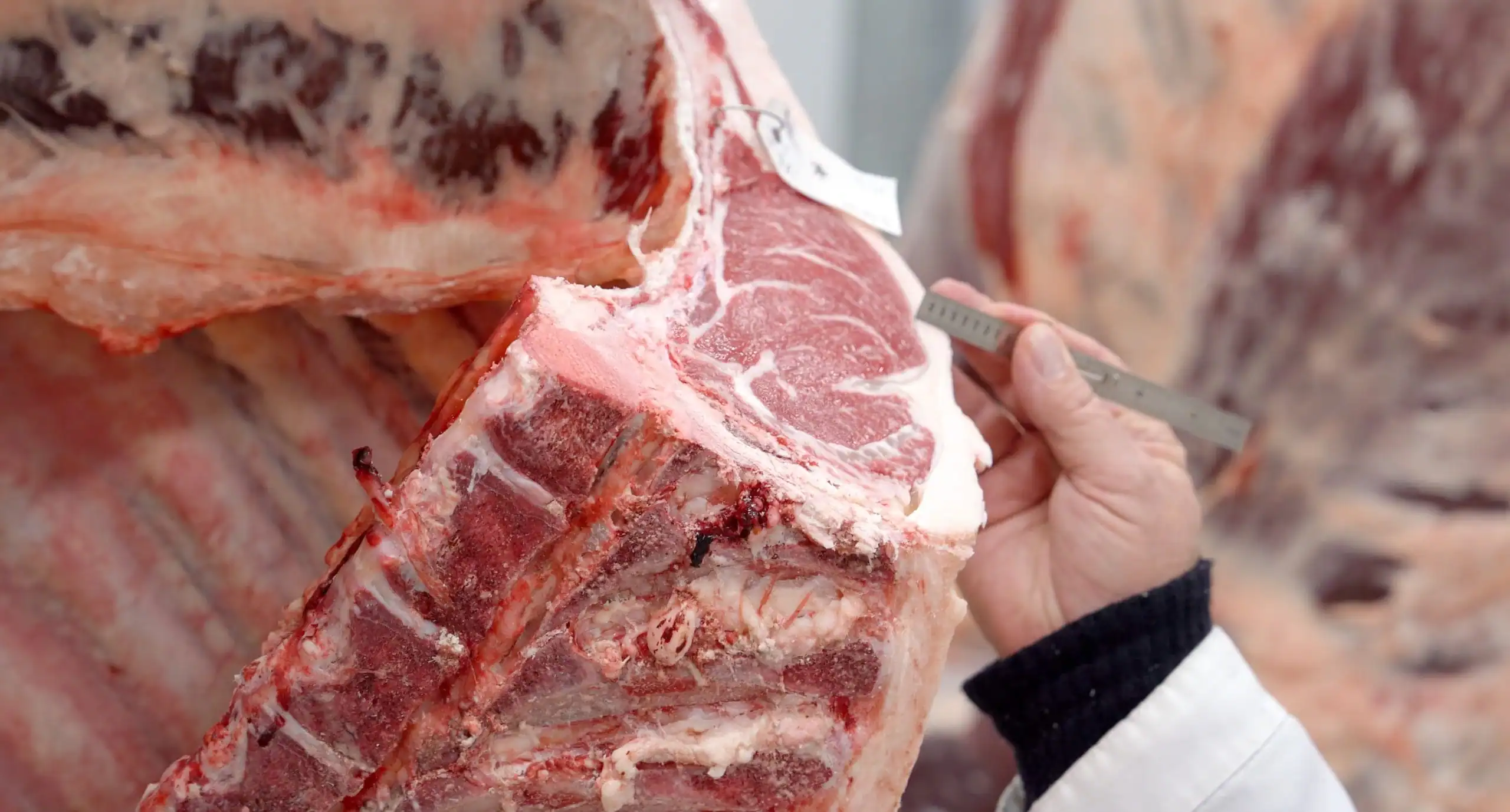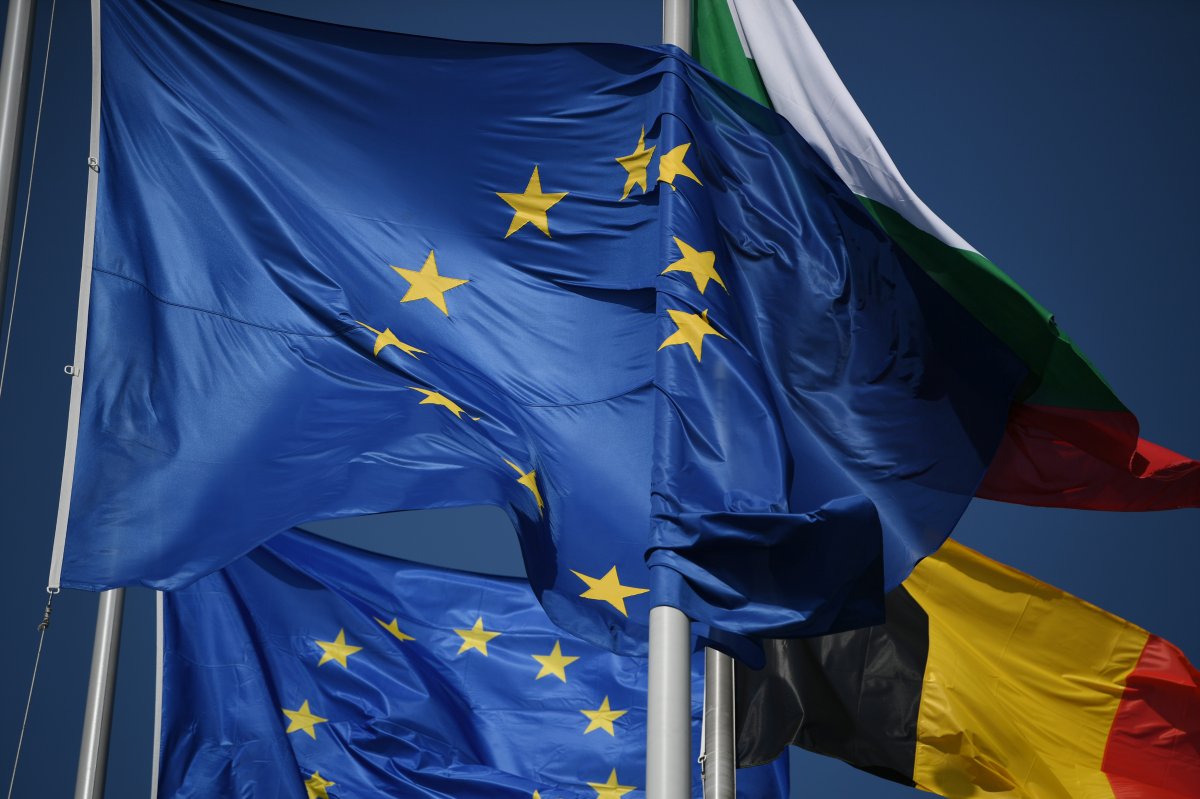
At a time when the EU is backtracking on essential protections for people and the planet, its decision in May to block Brazilian meat imports over the use of growth hormones and weak antimicrobial safeguards stands out as a rare act of accountability.
Amid growing polarisation over the future of Europe’s food systems, the move drew unusually broad support – from major farming organisations and environmental groups to politicians across party lines.
Yet this should not be mistaken for a decisive win. It is, at best, a signal of what is possible.
In reality, the system remains deeply flawed. The EU continues to import large volumes of food produced under conditions that would not be allowed within its own borders — from meat and dairy linked to poor animal welfare practices to crops treated with pesticides banned for their risks to human health and the environment.
This is the EU’s enduring “double standard”.