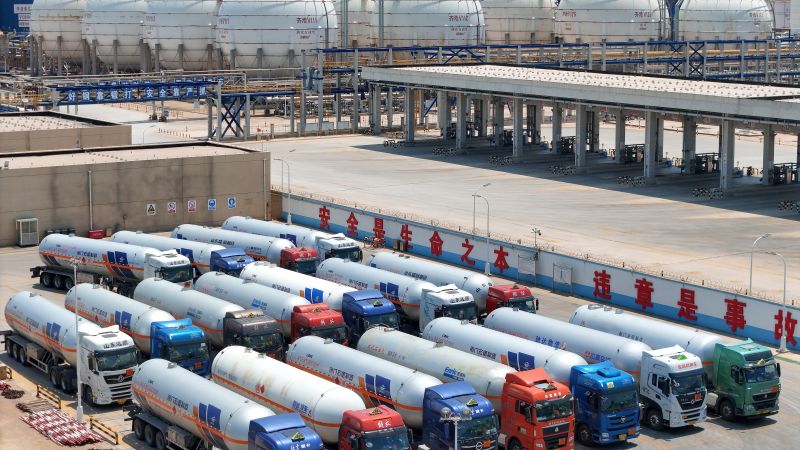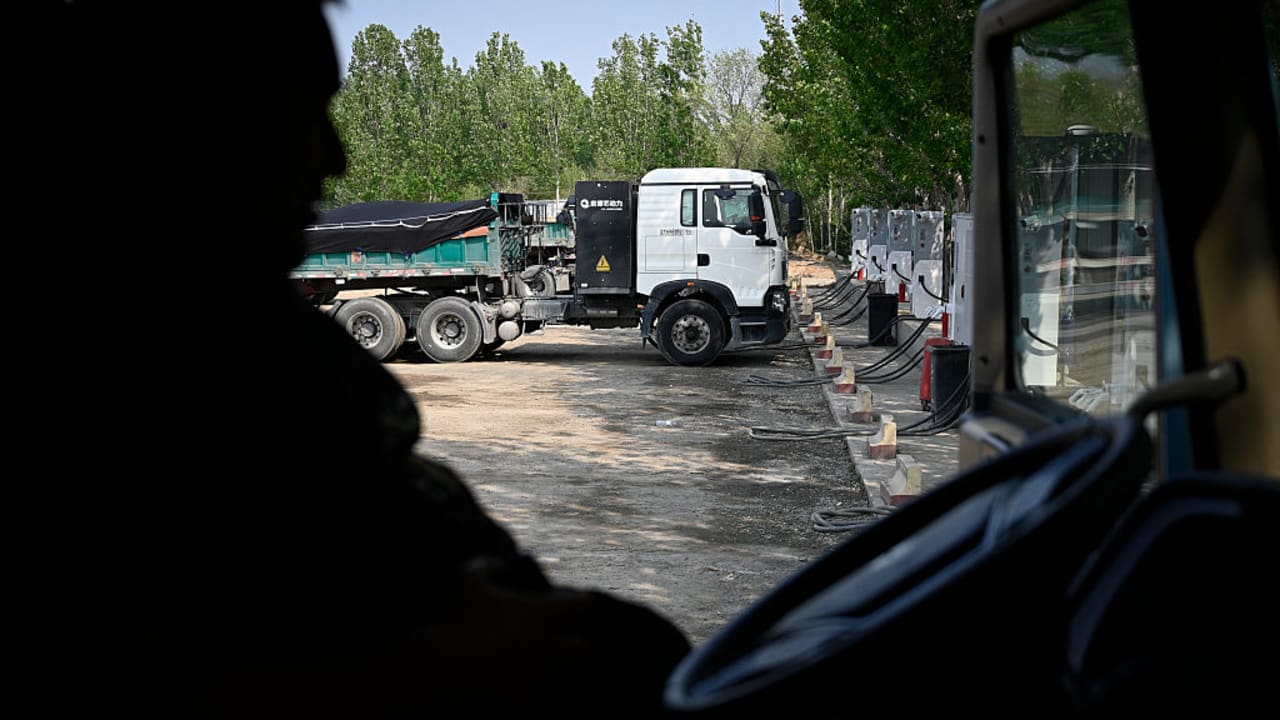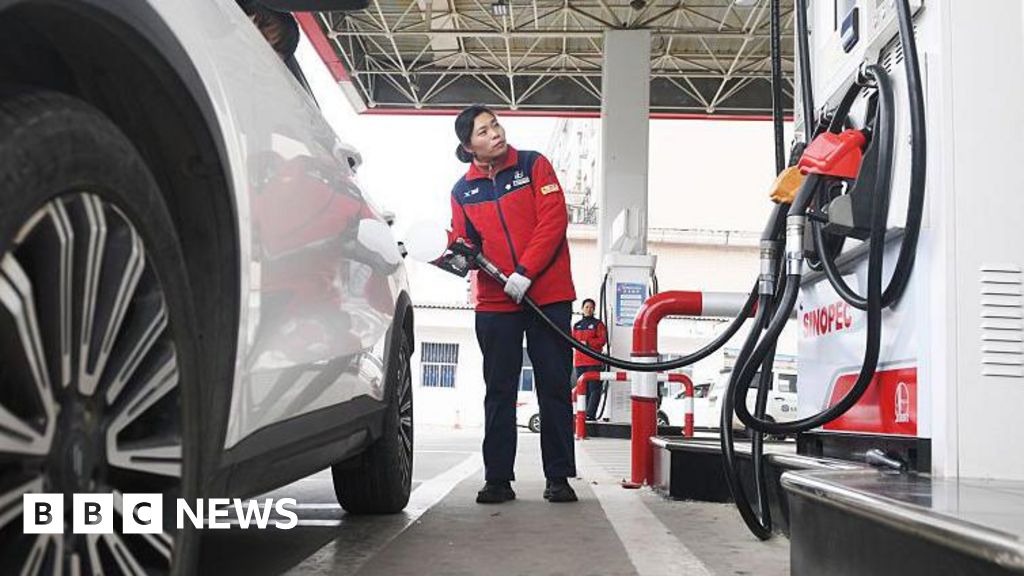
A truck driver eased his 18-wheeler up to a blue-and-white pump, jumped out to connect its nozzle to the vehicle, and filled up his tank. There was no smell of diesel, because the fuel his truck runs on is odorless hydrogen.
This station, on the outskirts of Shanghai and built by state-owned oil-refining giant Sinopec, illustrates China’s blueprint for the next generation of clean transport. Official government documents show Beijing has granted multiple cities across the country a total of RMB 7.68 billion (USD 1.1 billion) in subsidies over the past four years to build supply chains for hydrogen fuel cell vehicles (FCVs).
FCVs typically have a longer travel range on a single charge compared with battery electric vehicles, and depending on the technology used, can charge faster than batteries. For heavy-duty vehicles like large trucks and buses, fuel cells weigh significantly less than EV packs, resulting in more payload capacity for long-haul routes.
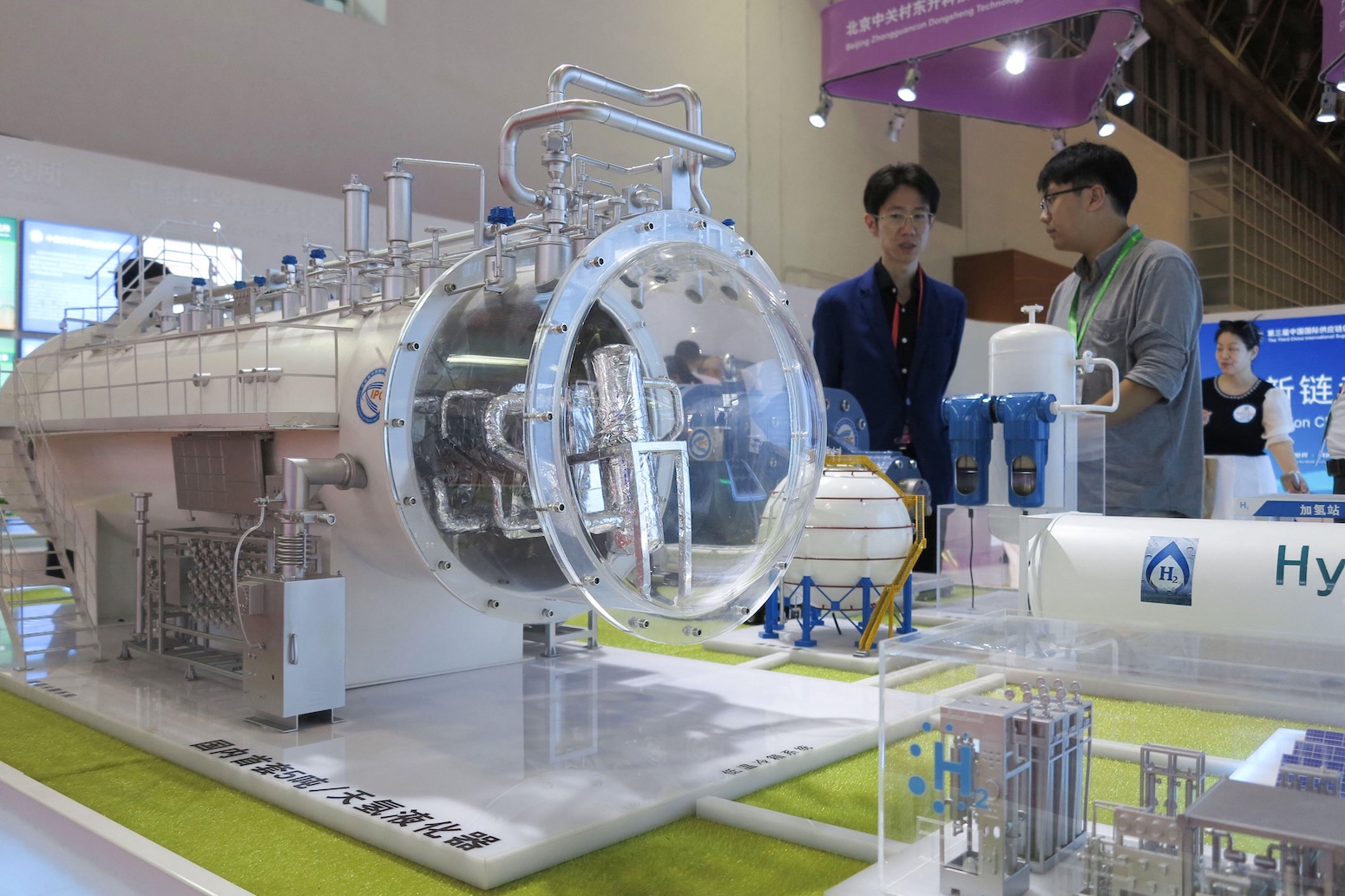
The technology used to mix hydrogen and oxygen in fuel cells to generate power remains expensive, and development is a long way behind the global battery EV sector, dominated by China. But small-scale exports of Chinese fuel-cell buses and trucks have already begun to countries such as Malaysia, Australia and Israel, and China has installed nearly 60% of global manufacturing capacity of electrolyzers, the machines used to extract green hydrogen from water.