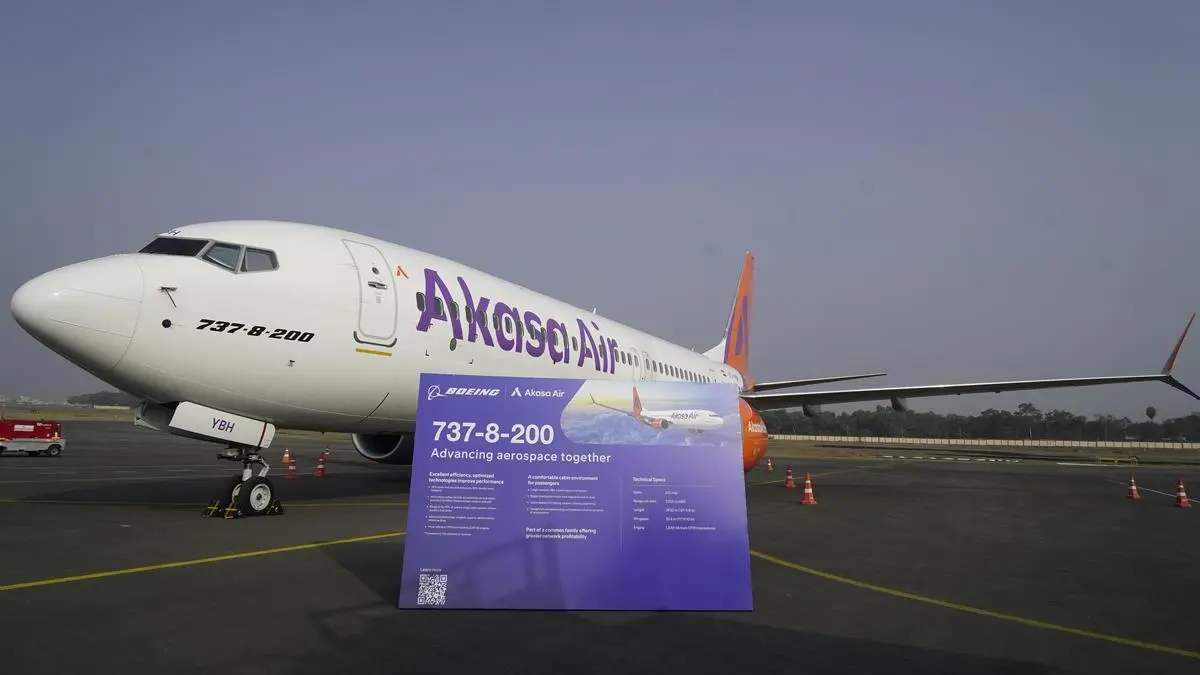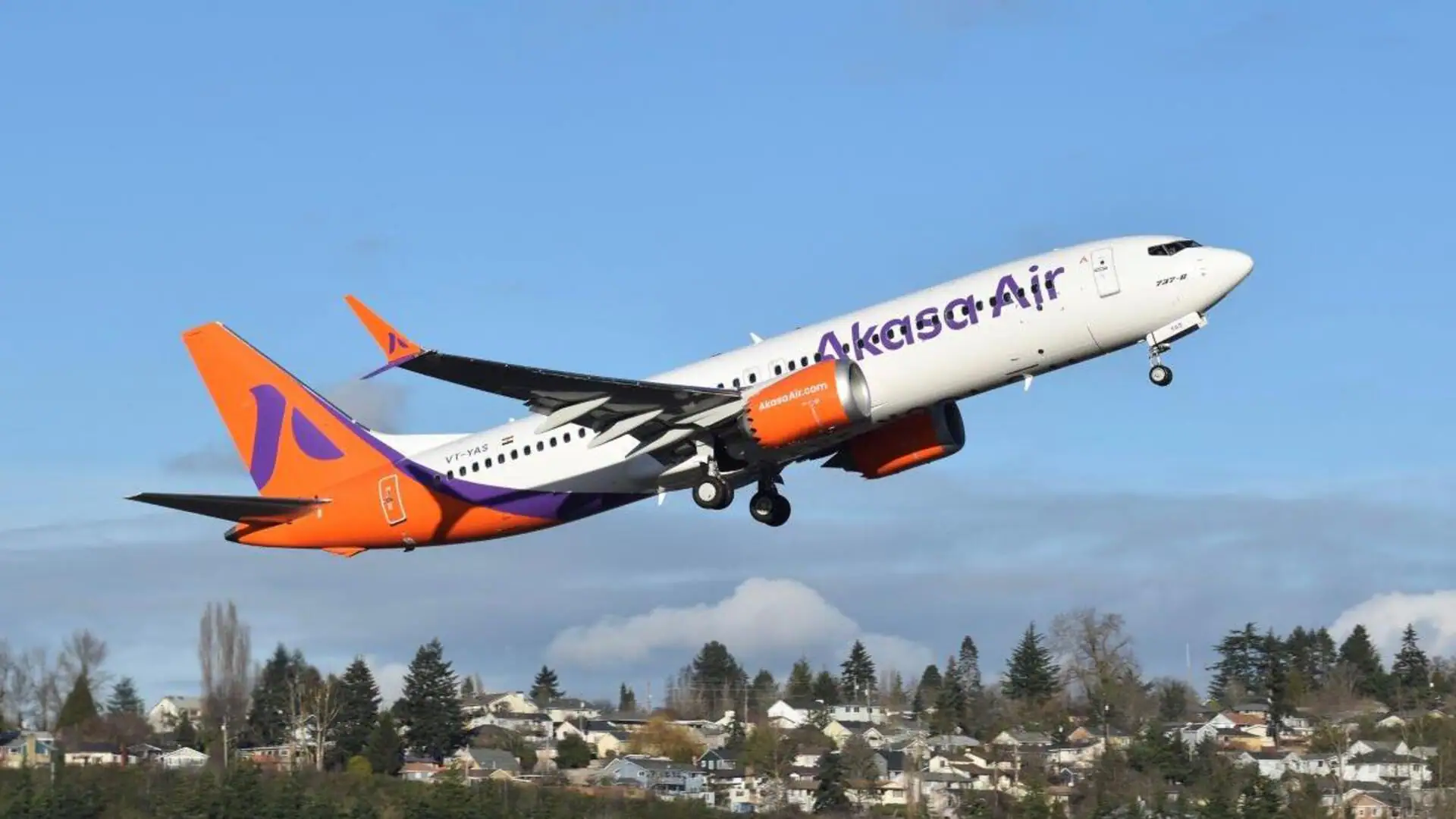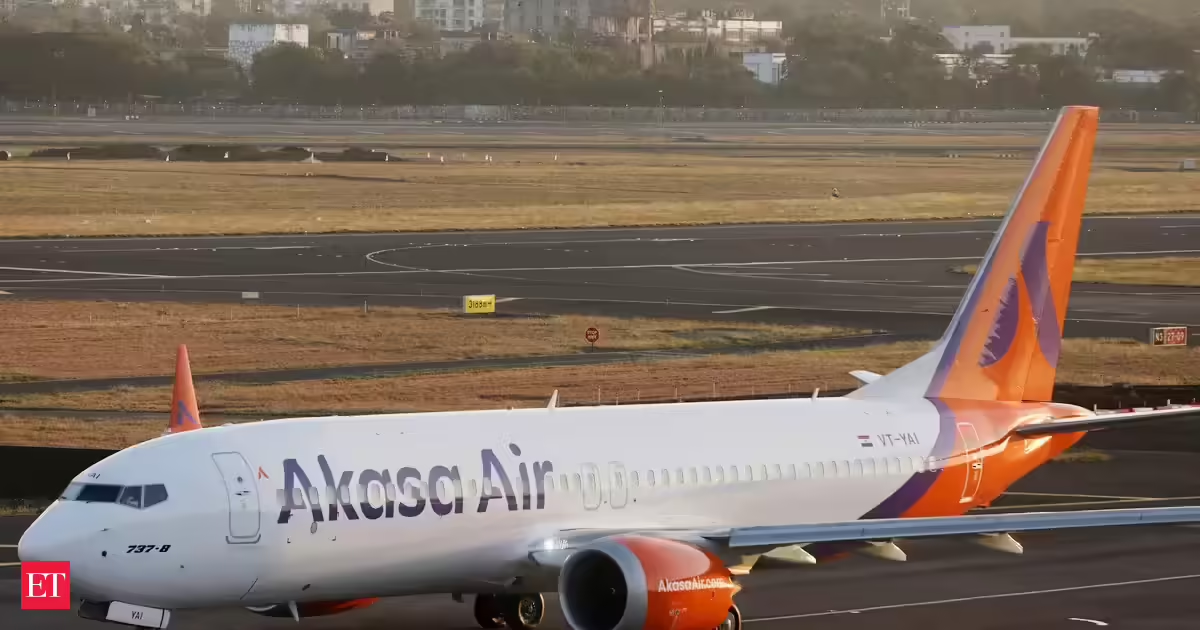
Akasa Air aims at 30 per cent capacity growth in the current financial year and the long term plans have not gone through any rethink amid the geopolitical uncertainties, the airline's Chief Financial Officer Ankur Goel said on Tuesday. The airline, which has been flying for nearly four years, currently has a fleet of 39 Boeing 737 MAX planes and around 25 per cent of its capacity is deployed in international routes. In the 2025-26 fiscal, the airline's operating revenue increased 37 per cent and capacity measured through Available Seat Kilometres (ASKs) rose 30 per cent.Also Read: Akasa Air adds Boeing 737 MAX aircraft to its fleet, airline's 39th plane At a briefing in the national capital, Goel said the focus is to remain well capitalised and the airline has enough cushion to tide through the current situation. The West Asia conflict and higher fuel prices have pushed the operational costs for airlines and some of them have temporarily cut flights. According to Goel, Akasa Air aims to increase capacity by 30 per cent in this financial year and the capacity growth would be in the range of 30-40 per cent in the next 4-5 years. "Long term plans have not gone through any rethink.. plans remain on firm footing," he said. The airline, currently, connects 27 domestic and 7 international destinations.
Akasa Air eyes 30% capacity growth in FY27
Akasa Air is set for a significant 30% capacity expansion this financial year, with ambitious long-term plans remaining steadfast despite geopolitical uncertainties. The airline, operating 39 Boeing 737 MAX aircraft, currently dedicates about a quarter of its capacity to international routes. With a focus on strong capitalization, Akasa Air is well-positioned to navigate rising operational costs, aiming for 30-40% growth over the next 4-5 years.
TL;DRAI
Akasa Air targets 30% capacity growth in FY27, expanding its 39-aircraft fleet across 34 domestic and international routes. Rising fuel costs and West Asia conflict strain the airline's 30-40% four-year expansion roadmap, underscoring capital management challenges in volatile markets.
222 words~1 min read