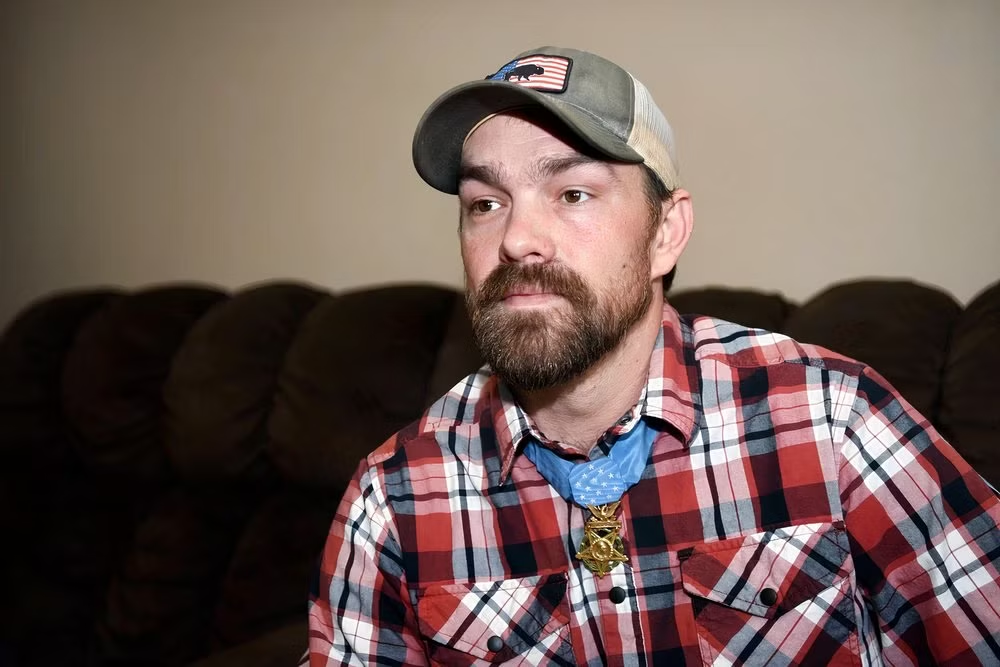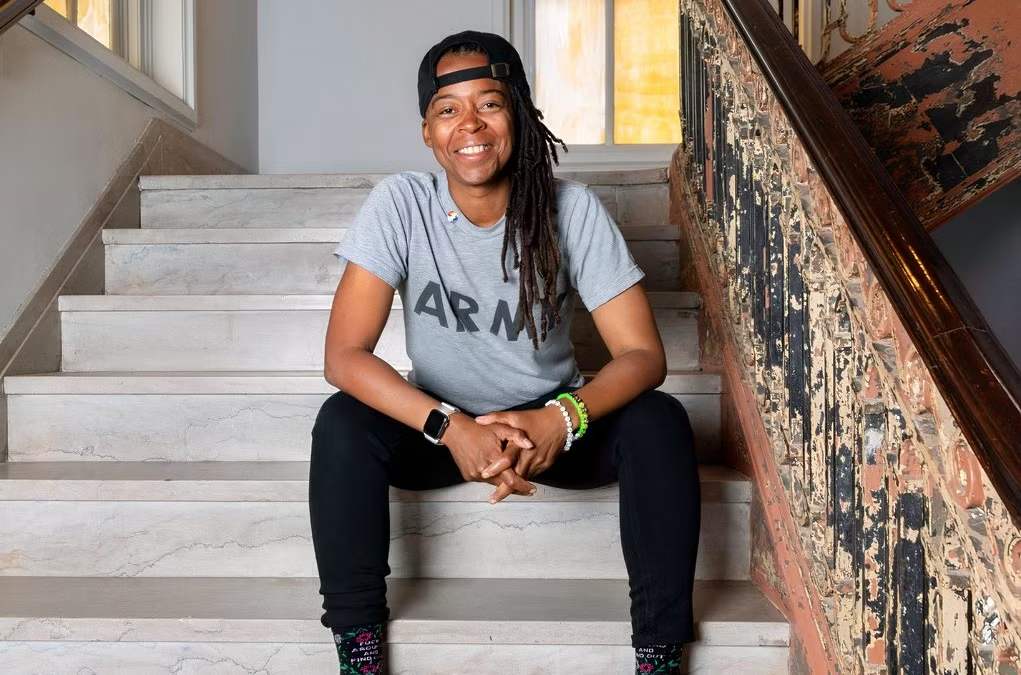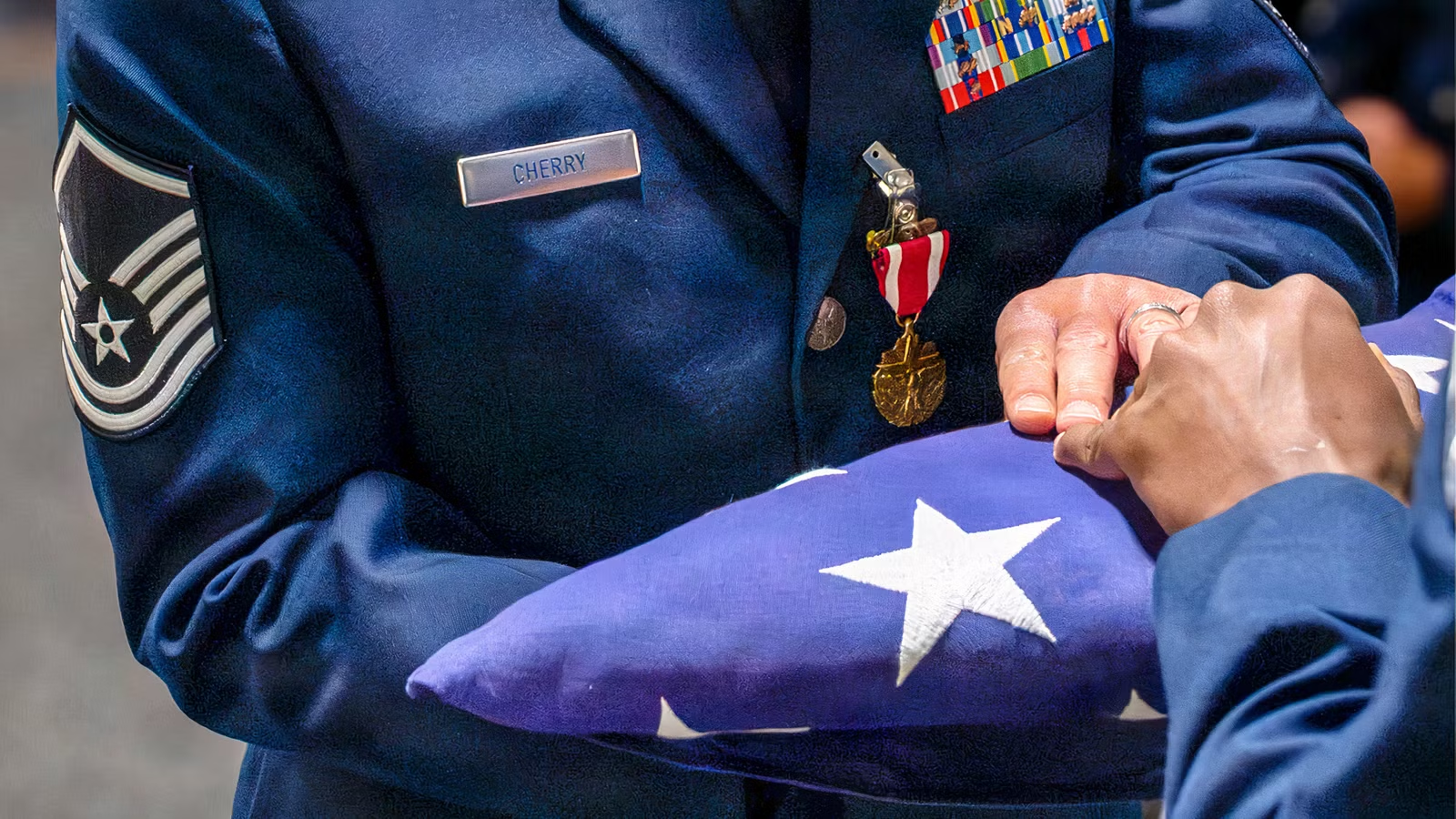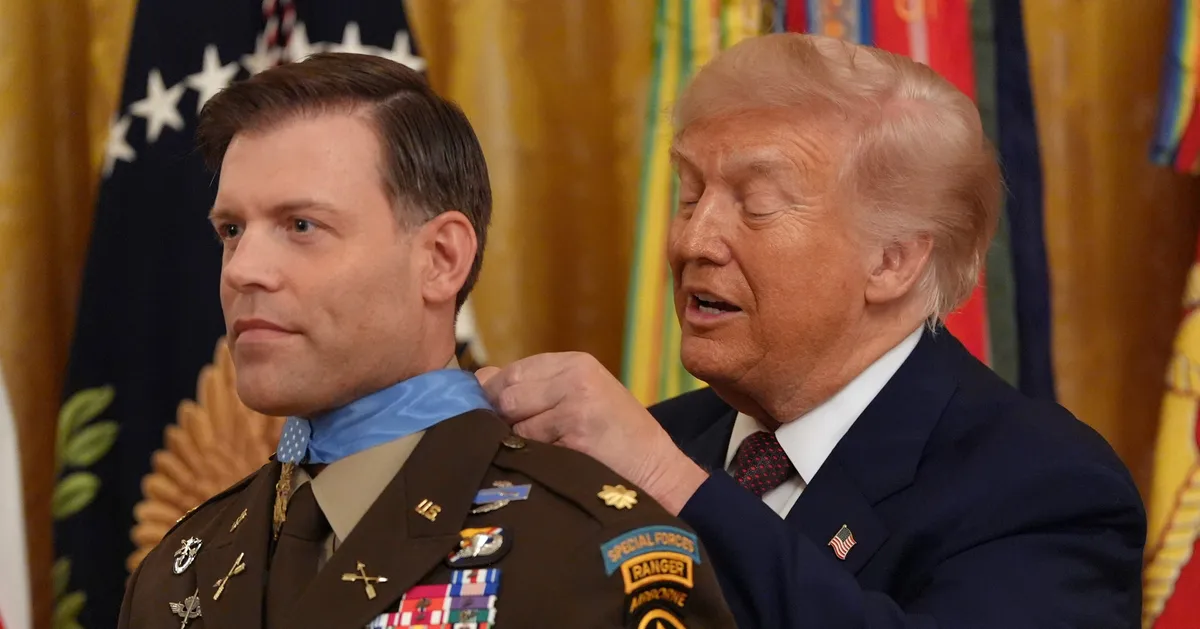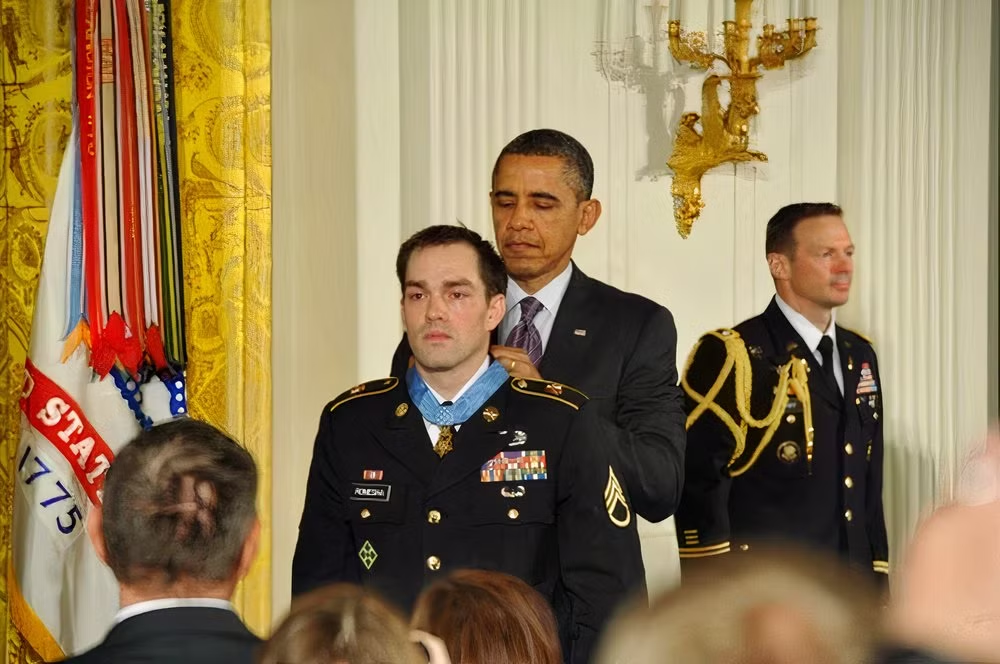
Every year, more than 200,000 service members leave the military and begin the often-complex transition to civilian life. While many go on to successful careers, others struggle to navigate employment, benefits, housing and health care systems that can feel disconnected and overwhelming. Too often, according to Medal of Honor recipient Clint Romesha, the public conversation about veterans misses the mark entirely. "I think one of the bigger misconceptions," Romesha told Military.com, "is that everybody getting out is either a high-speed, low-drag Navy SEAL, Special Forces operator, or they're a broken PTSD, traumatic brain injury veteran." Those competing stereotypes, he argues, fail to reflect the reality of most veterans.
If you keep telling veterans that they're broken, that they won't do anything, then people eventually believe that, Romesha said.
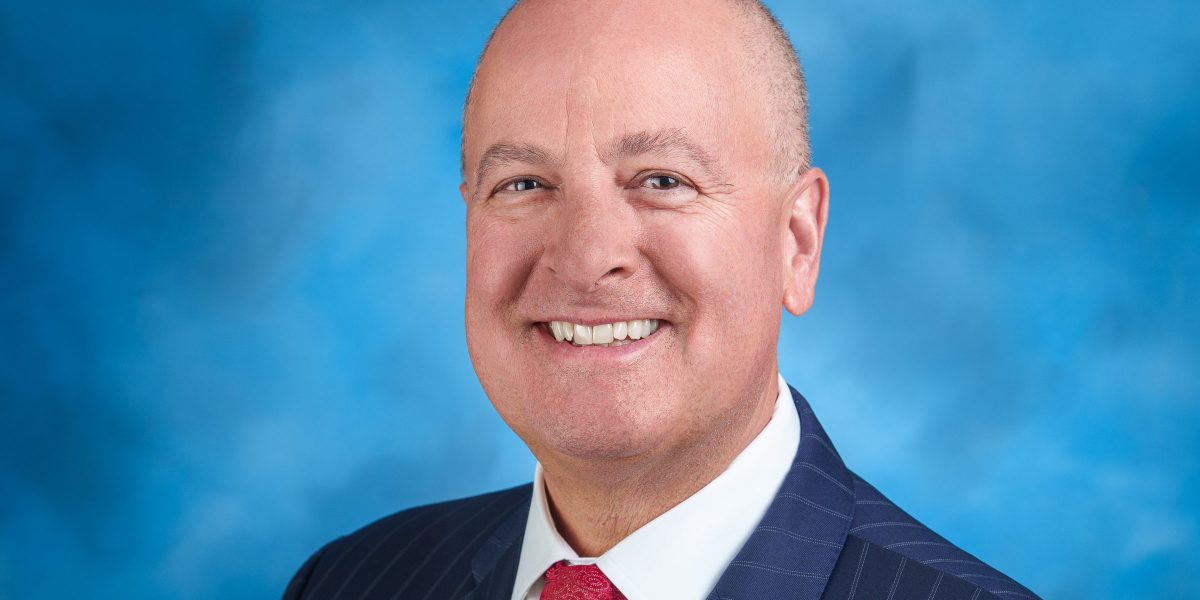
The comments came during an exclusive interview with Military.com alongside Jim Lorraine, president and CEO of America's Warrior Partnership (AWP), a nonprofit organization that helps connect veterans with resources and support programs across the country. Both men agree that many veterans face real challenges after service. But they say those challenges are often rooted in economic uncertainty, confusion about benefits and the loss of community rather than an inability to succeed.