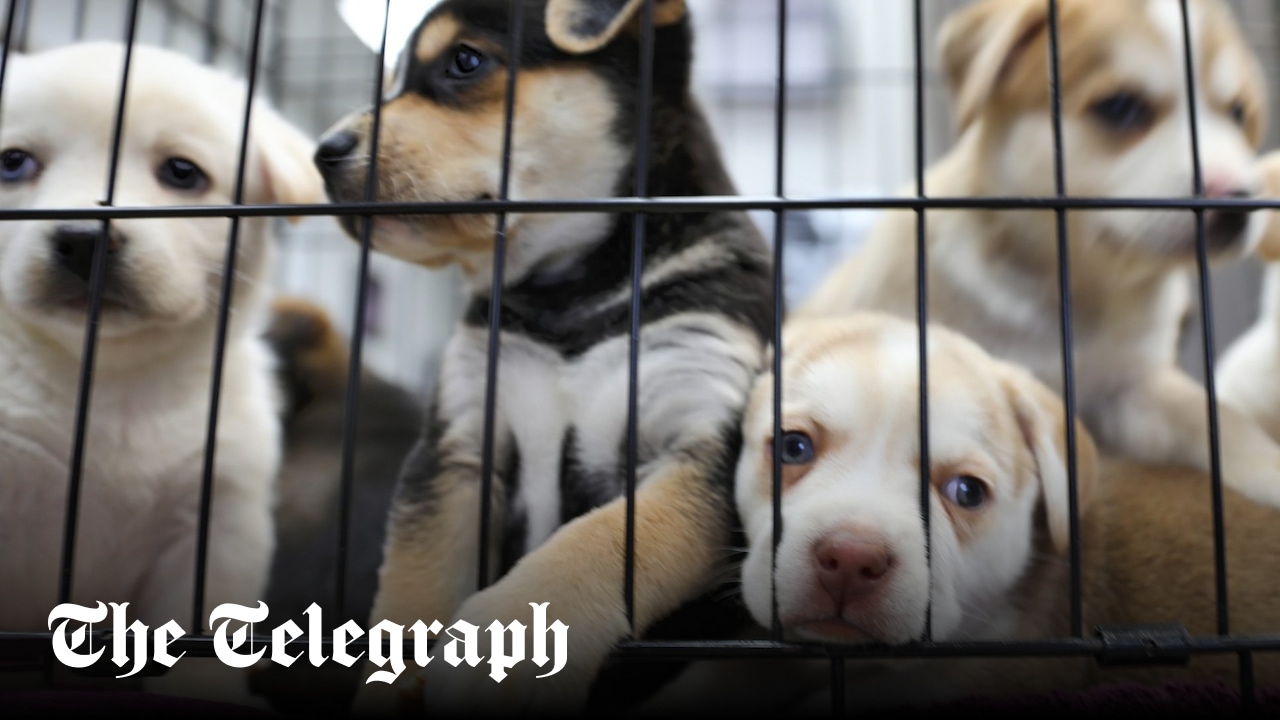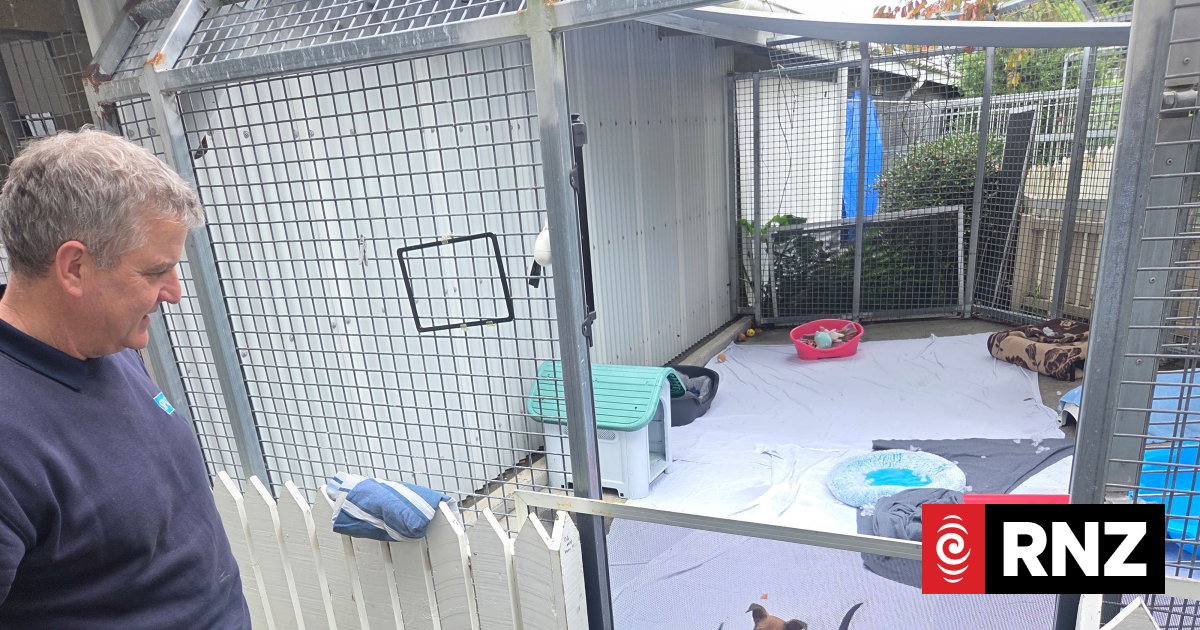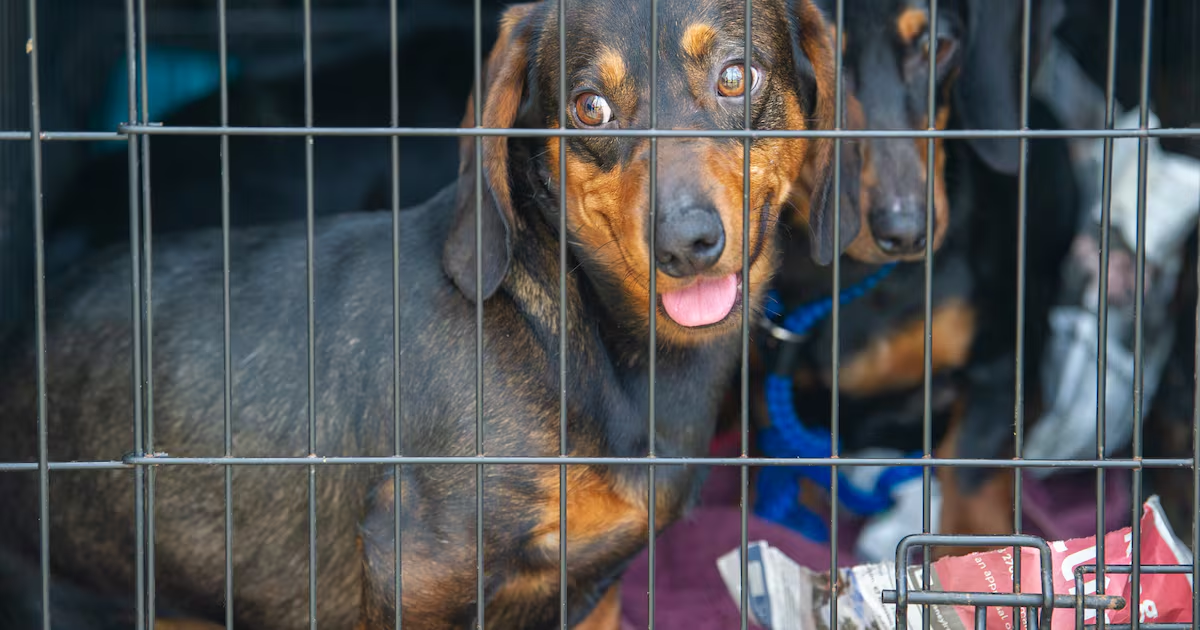
New legislation to end Ireland’s reputation as the puppy farm capital of Europe is being advanced with measures to reform dog welfare and improve breeding standards.Provisions will include ensuring prospective buyers must be shown the pup’s biological mother on-site, ending the practice of pups being handed over in car parks and other locations away from where the animals are born.The Dog Breeding Establishments (Amendment) Bill 2026 will: introduce a four-litter lifetime limit and a one-litter-per-year cap; set minimum and maximum breeding age limits; and prohibit the mating of bitches which have had two prior Caesarean sections.Minister for Agriculture Martin Heydon said the legislation addresses three broad areas – welfare and breeding standards, sales and record keeping and administration and enforcement. The Bill will place enhanced duties on operators covering the “socialisation and habituation” of dogs and will “introduce a ban on inbreeding, which people might presume already exists in legislation but does not. We will also outlaw that awful practice.”Heydon stressed the legislation would be “robust” and properly enforced. A mandatory minimum staffing ratio of one staff member per 20 breeding females will also be introduced “with a two-year transition period to allow operators to adjust in a timely and responsible manner”.When the issue was raised in the Seanad, Sinn Féin Senator Chris Andrews said, “Ireland is the puppy farm capital of Europe and this is obviously nothing to be proud of”. Welcoming the Bill he expressed concern, however, about a “complete absence of a cap on the number of breeding females permitted within a dog breeding establishment.“Without such a cap, Ireland risks continuing its long-standing international reputation for industrial-scale puppy farms”, rather than “phasing them out and clamping down on them”. The Minister said his department will engage with the Office of the Attorney General to explore the question of a cap further “and it has not been ruled out”. However, legal advice “indicates there are difficulties with such an approach”.The Bill address the issue of people buying dogs online and “will ban third-party sales from dog breeding establishments”. He said he had heard anecdotally of people having no sense of where their pet had been bred, what the conditions were like, or whether the mother was put straight back to breeding. “Under the new legislation, it will be unlawful for operators to sell dogs under eight weeks of age or to sell them from any premises other than where they were born and reared. Prior to any sale, prospective buyers must be shown the pup’s biological mother on-site.”Speaking under privilege in the Seanad, Andrews claimed most pups are sold through a website called dogs.ie. “DoneDeal and Gumtree stopped selling them, as did most online sales platforms. Some 25,770 dogs and puppies were advertised on dogs.ie last year and every puppy farmer in Ireland trades on that site.” Dogs.ie has rejected the claims and written to Andrews calling for a complete retraction. Founder of the site Paul Savage said in the letter “these statements are gravely inaccurate, damaging, and unsupported by the data available to us. “Dogs.ie does not ‘facilitate puppy farms’ nor does it facilitate poor welfare standards or ‘deplorable conditions’. Dogs.ie is an online advertising platform which checks advertisements for legal compliance before publication,” he said, adding it took compliance very seriously.The site published its sale figure last year of 25,770 dogs and citing a 2022 Irish Veterinary Journal study on the Irish dog population, Savage said the 25,770 figure was about ”one quarter of the estimated annual number of dogs bred or entering the Irish dog population”. He said the number was not evidence “most puppies” are sold through the website.Savage said about “23 per cent of dogs advertised on dogs.ie are from dog breeding establishments, approximately 22 per cent are from registered sellers of pets, and the remainder are from hobby breeders and individual breeders”.
Legislation to end Ireland’s reputation as ‘puppy farm capital of Europe’ advances
New Bill will addresses welfare and breeding standards, sales and record keeping and enforcement, says Minister
640 words~3 min read